Acting
No description available.
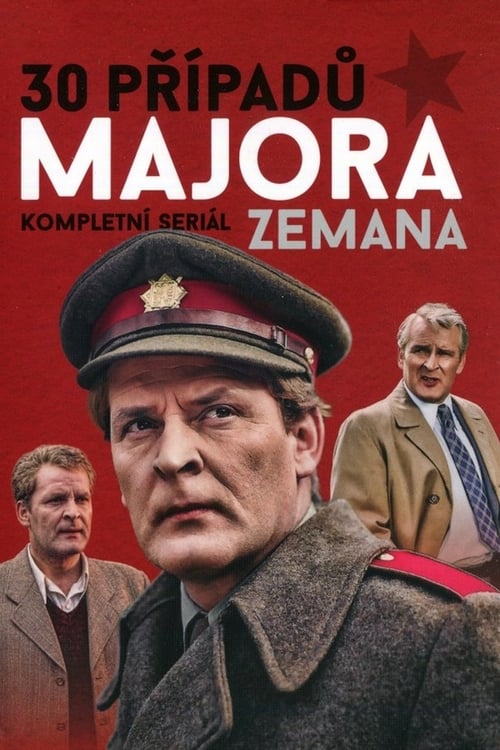
Thirty Cases of Major Zeman is a Czechoslovak action-drama television show intended as a political propaganda to support the official attitude of the communist party. The series were filmed in the 1970s. Each episode encompasses one year, and investigations are stylized to that year. Most are inspired by real cases. The series follows the life of police investigator Jan Zeman during his career from 1945 to 1975.
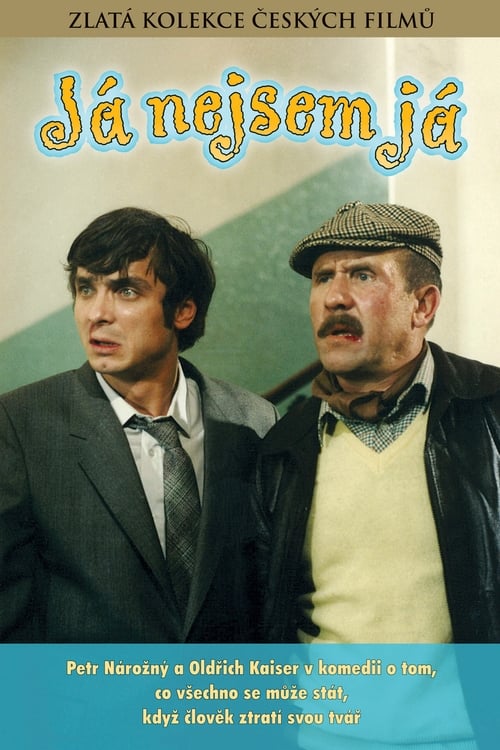
The two heroes of the film's story - the decent but dry engineer Zárub and the marriage swindler Majer - are granted this wish by the mysterious forces of the moon. The two men change their appearance, which, however, contrasts sharply with their unchanged characters and voices. The incomprehensible swap naturally becomes the source of many comic plots and situations.
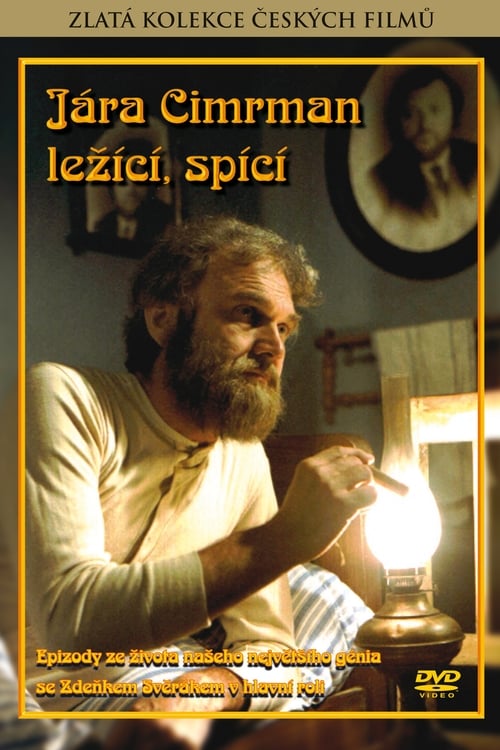
Czechoslovak comedy film directed by Ladislav Smoljak, about the fictional national hero Jára Cimrman (universal genius, inventor, sportsman, criminalist, poet, writer and philosopher).
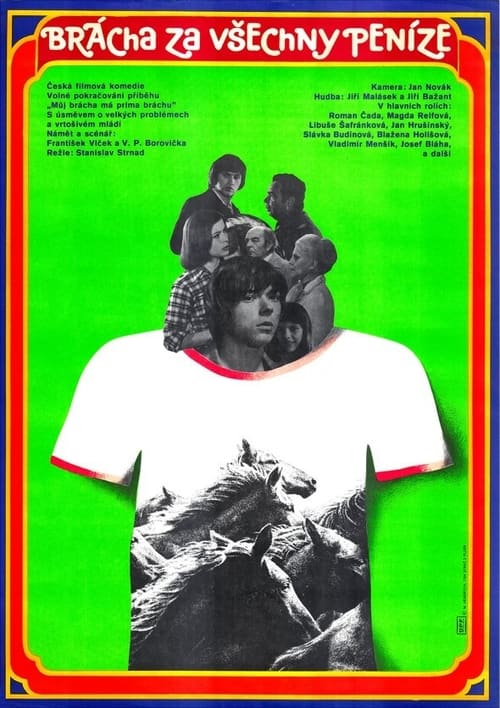
Honza and Zuzana are very young husband and wife. They have a little daughter of whom willingly occasionally take care the grandparents and Honza's fifteen-year-old brother Martin. Zuzana continues studying and Honza devotes all weekends as an amateur competitor to the motor-cycles at the speedway. Zuzana is not interested in motor-cycles. Martin holds responsible for his brother's marriage and at the advice of his friend Magda, who is of the same age, invites her sister-in-law to the club of Hucul horses so that she does not feel bored. But by misfortunes and unexplained quarrels both young husband and wife start being jealous of one another.
A story of two boys who during the summer at a recreation area become best friends despite being enemies at first.
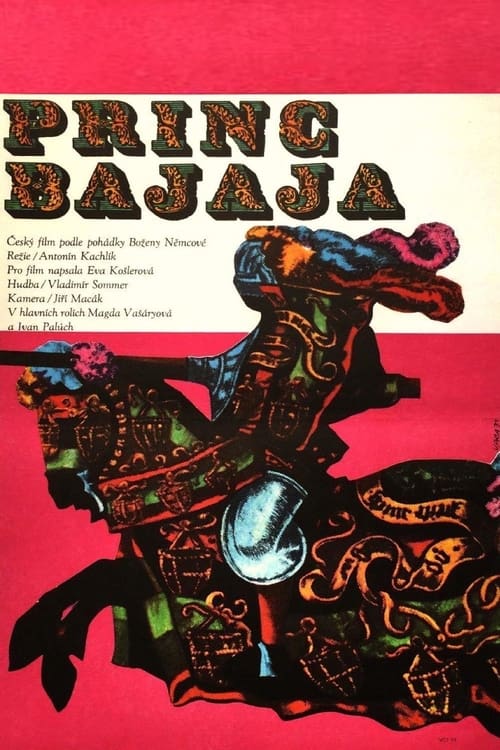
The hero of this popular fairy tale is a young prince who, after the death of his parents, goes out into the world. During his travels he meets a magical talking horse and falls in love with the beautiful princess Slavna. On the advice of his horse, he binds one eye and pretends to be dumb and enters into service as the castle gardener.
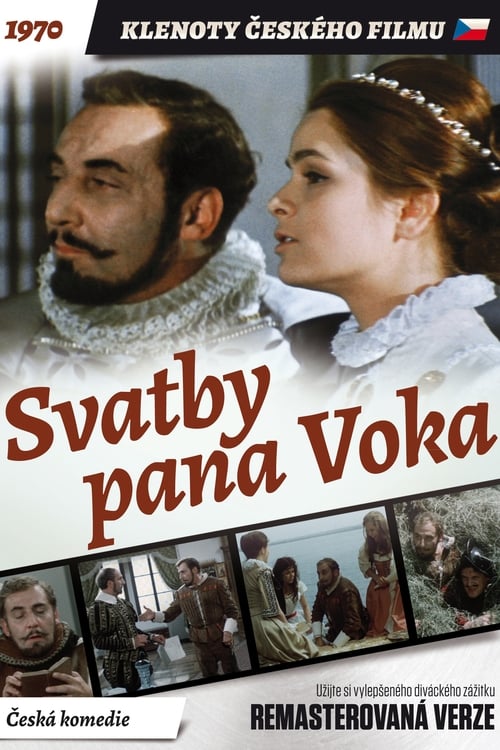
Czech nobleman Petr Vok of Rozmberk (Milos Kopecký) is no longer so young, but his amatory adventures continue to arouse the envy of men and the indignation of respectable ladies. In his "female retinue" at the chateau in Bechyne he has twelve comely girls, but he still manages to seduce the miller's wife and the maid. Lord Vok is in great financial difficulties. His elder brother Vilém advises him to marry a rich woman. Petr surprises him by announcing his intention to marry the very young Katerina of Ludanice.
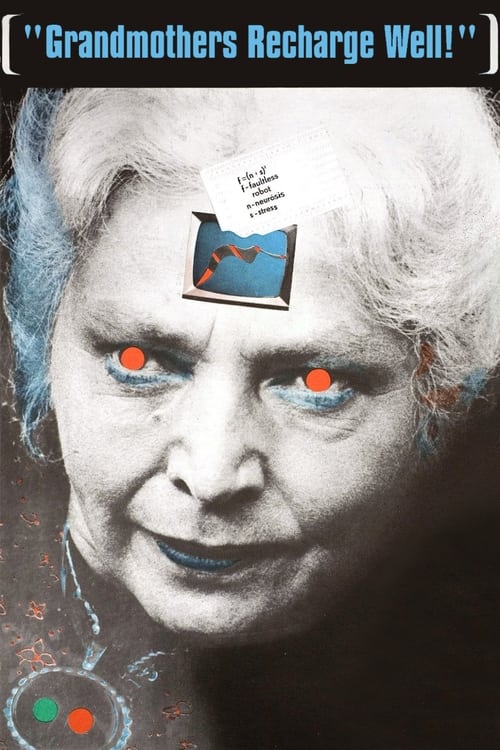
A family purchases a home robot designed to look like a grandmum. Their neighbours immediately buy a more expensivve model as the two families always try to up the other one. Both grandmums start to "terorize" their families because they were set up to ensure the mums exercise, the kids study etc. Apart from that they start causing problems to the other family ... cut ropes with hanging clothes, pierced tires, etc. Once they get to killing each other family's pets the parents get really worried about the safety of their kids. The grannys later destroy each other while fighting and the families decide that they'll be better off without any robots. (It's some time since I saw this so the details may be off.) Mainly thanks to the design of the robots it's rather a comedy than a horror. Unless you are ten. And a rather good comedy!
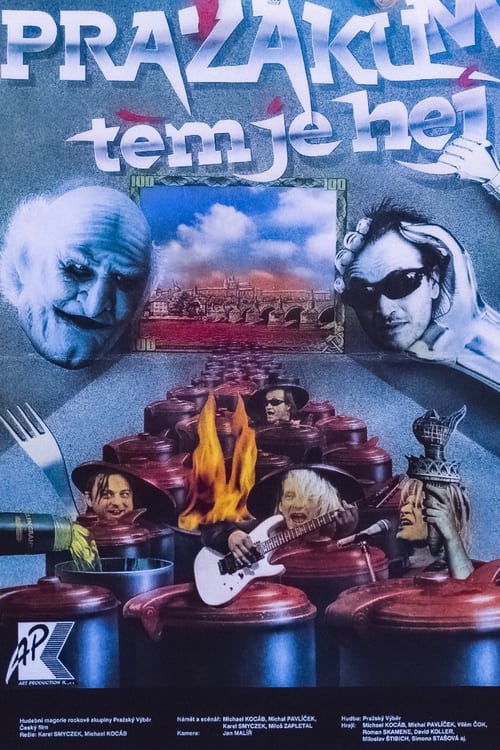
The story begins in 1984 in Prague, Czechoslovakia, few years before the end of Communist era. The band Pražský výběr (Prague's selection) has just received the news thier 5-year ban has expired and they are alowed to perform once again. This half fantasy half document about the band would draw the atmosphere of middle european late Communist era and the eufory of it's end.