Acting
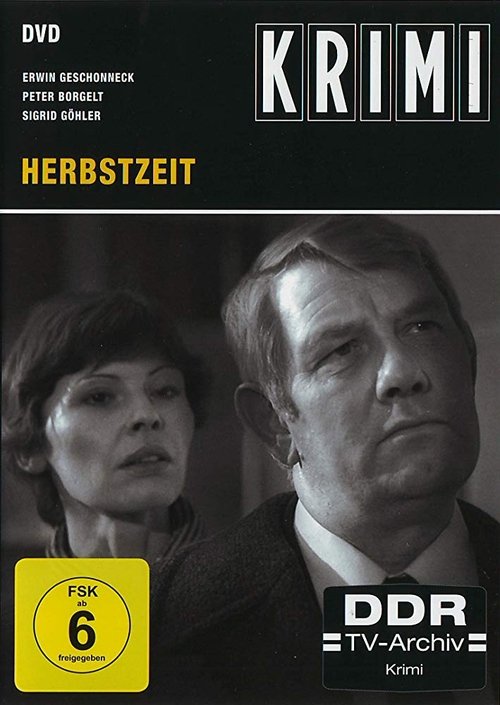
Polizeiruf 110 is a long-running German language detective television series. The first episode was broadcast 27 June 1971 in the German Democratic Republic, and after the dissolution of Fernsehen der DDR the series was picked up by ARD. It was originally created as a counterpart to the West German series Tatort, and quickly became a public favorite.
Die Anrheiner is a German television soap opera series, broadcast on WDR-TV since March 21, 1998. The series is set and filmed in Cologne.
Der Staatsanwalt hat das Wort was an East German television series.
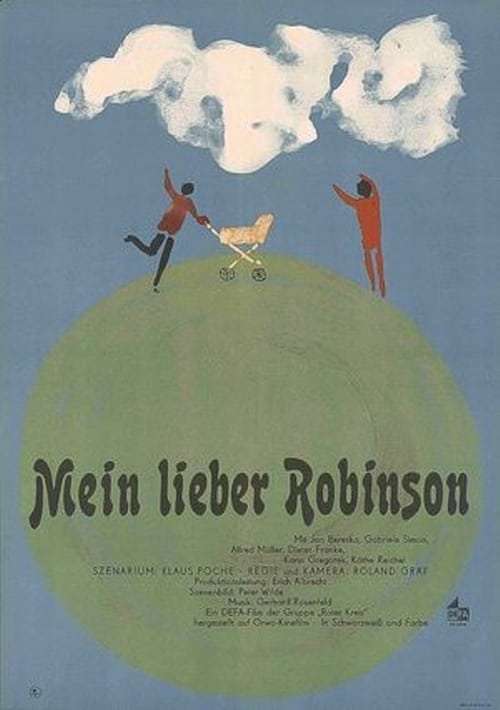
The director describes the everyday life of a little boy who, as a "latchkey kid," has to spend the afternoon alone until his father finally comes home in the evening. The mother, for whom the boy makes a letter the following day, seems to have left the family.
Using the example of three generations of a Hamburg working class family, the rise of the working class from the founding of the Wilhelmin Empire to the First World War, over the time of the Weimar Republic and National Socialism to the destruction of the Third Reich.
The chronicle of a farming family from the village of Barnekow in the Mark Brandenburg region spanning three generations: After repeatedly failing to make their farm on marshy land a success, the Wardins finally find professional and personal happiness after World War II thanks to the 1945 land reform in the Soviet occupation zone during the GDR era of "developed socialism."
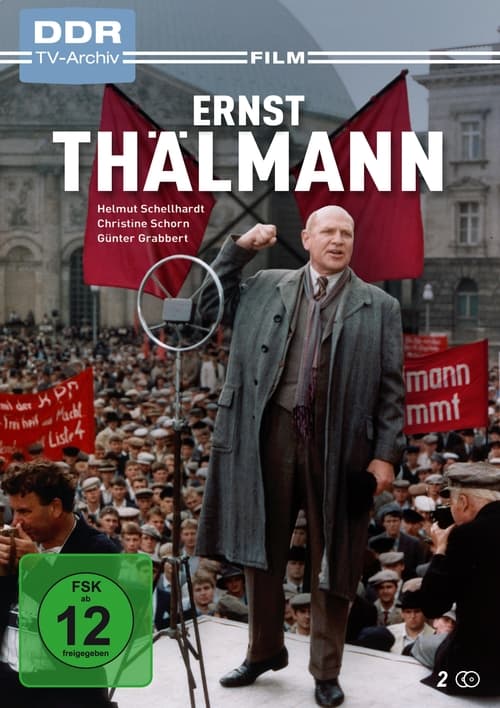
This elaborate two-part television film features a section from the life of communist worker leader Ernst Thälmann. It begins with the bloody riots on May 1, 1929 in Berlin, in which police officers shot at demonstrating workers, and ends with February 7, 1933, when Thälmann appeared as a speaker at the illegal meeting of the Central Committee of the Communist Party of Germany in goat neck. This period was marked by the struggle of the Communists against the ever stronger National Socialists and the rise of Adolf Hitler.
Dr. Gisa Tonius, a physicist in her thirties who has a nearly adult stepdaughter, cherishes the desire to have her own child. Suddenly, a big interdisciplinary research project threatens to significantly change Gisa′s life. Uncertain whether to look for professional or private fulfillment she asks her family and friends for their opinions. They all have different views on the point at issue. While her husband is afraid of losing her to her profession, her professor thinks that because of her talent she has an obligation towards science. In the end, Gisa reaches a decision: She wants to have a baby as well as take on the research project.
Monique, a young woman who gave up her medicine studies, falls in love with a photographer and then turns away from him because of his unsteadiness and marries an erotic film maker. But the wedding does not last and she returns to the protographer.
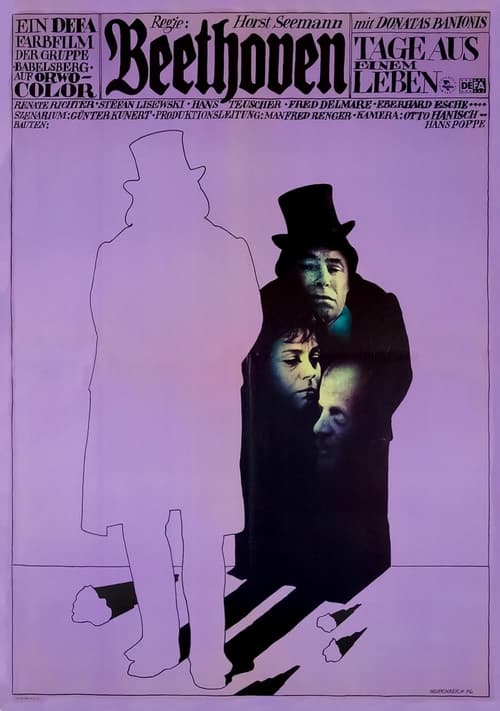
Vienna, 1813-1819: Beethoven (played by Donatas Banionis) is at the peak of his fame. Orchestras all over the world play his music, but he lives modestly and is dependent upon private patrons. Nagged by his patronizing brothers, spied upon by officials for his republican beliefs and faced by his progressive hearing loss, the composer becomes more and more isolated. Seeman’s poetic film explores the joys, heartbreak and artistic spirit of the great composer as he works on his Ninth Symphony.
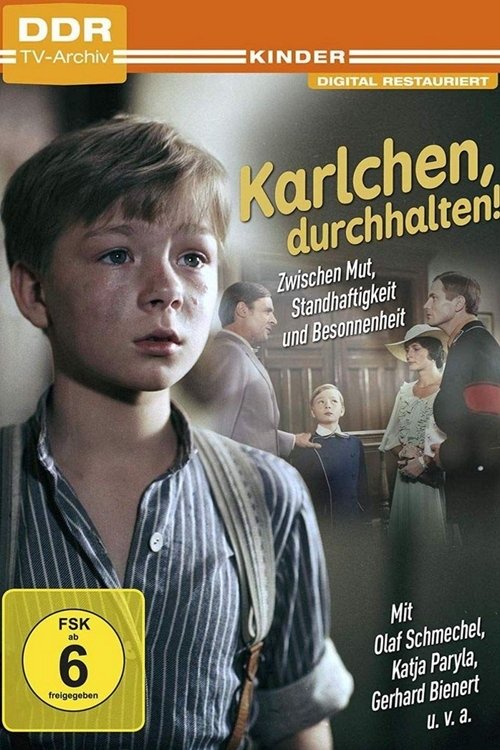
A story of ten years old Karl who is living in Berlin in the beginning of thirties.
Her brothers and fiancé are at war. In 1944, Marta struggles alone with her gardening business. One day, a deserter turns up at her house. What to do? Marta decides to keep Steiner with her. A life-threatening decision: military police scour the village...
19-year old Peter is working to gain practical experience for his planned medical studies. But his life turns into confusion as he unexpectedly comes a father.
Helmut Kamp, the construction brigade leader, a man no longer young, life immediately confronted several difficult and woeful problems. The birth of a son, the tragic death of his wife, the relationship of his daughter Ingrid with Dr. Beißert coincided with the need to move to an uninhabited area where a nuclear power plant will be built. Kamp, Ingrid and the members of the friendly brigade decide to act as the duty and the feeling of partnership prompts them, and gradually they all become participants in the new construction...
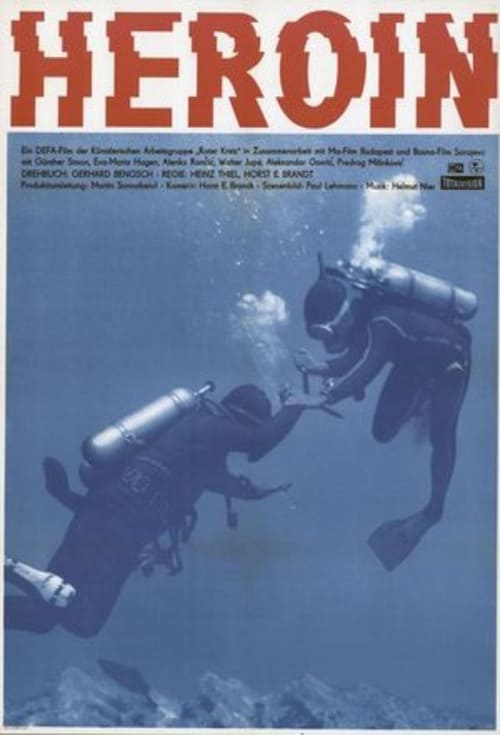
This East German movie was co-produced with studios in Hungary and Yugoslavia, with many interesting location shots (border checkpoint to West Berlin, the Gellert bath in Budapest, and more). The plot is about French drug dealers, who obtain heroin somewhere in the Middle East, and smuggle it in several steps to East Berlin, and from there to France (or so it appears), killing when necessary. The hero is an officer of East German customs, who with detective work, some masquerade, and occasional violent action ultimately unravels the whole network, of course with the support of the local customs departments.
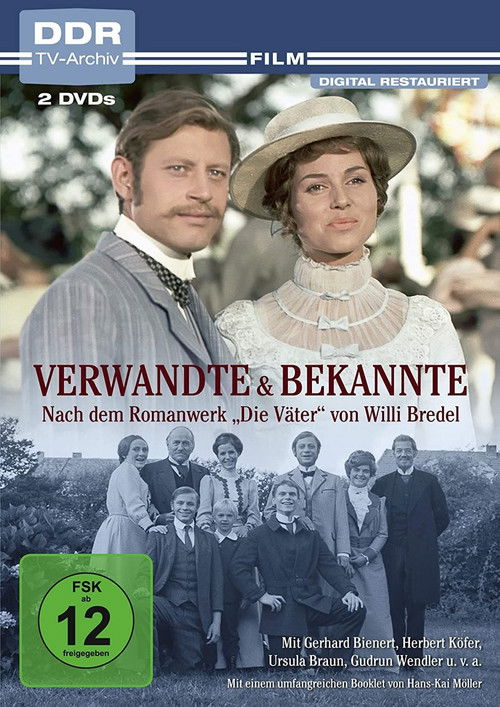
In 1896 the Berlin noble doctor Dr. Wilhelm Holtfreter takes over his well-to-do wife Mathilde and takes over the country doctor's office in the Prussian district of Westprignitz from the late Dr. Tochtenhagen. His decision was met with incomprehension everywhere.
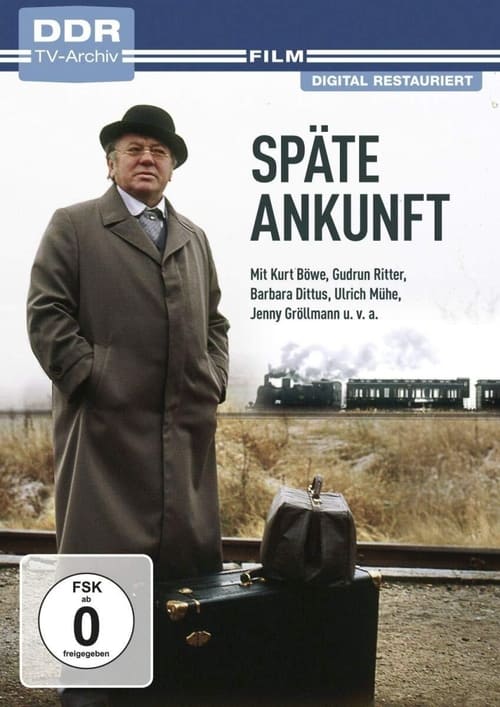
A retired head cashier, lonely after the death of his wife, lives in the hope of being able to move in with his son and his family after the latter builds a house. The son does not want to destroy his father's dream and conceals the fact that the family will not have enough money to build a house in the foreseeable future. When the father realizes this, he reaches into the cash register of his former company in desperation.
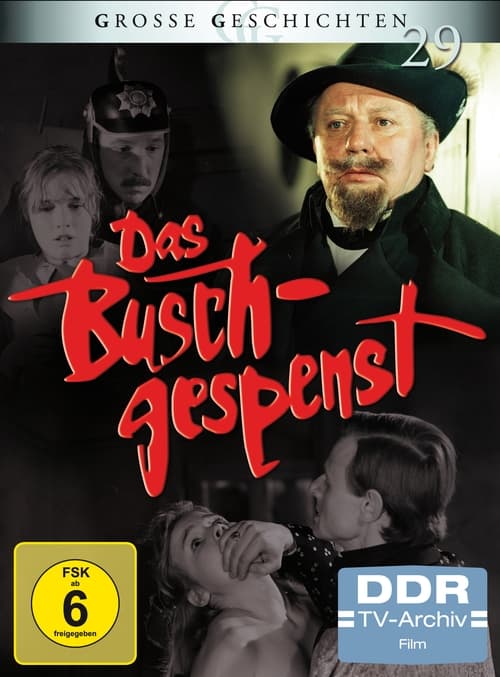
In the forests of the Ore Mountains, on the border with Bohemia, a gang of smugglers is up to mischief. Anyone who dares to oppose them is murdered in cold blood. The locals are paralyzed by fear of the ominous bush ghost that is said to be behind it all. Then a stranger turns up at the remote forester's lodge and begins investigating a murder that took place twenty years ago. Having become wealthy in the Alaskan gold fields, Arndt is now looking for the woman he once loved and whose perjury landed him in prison. The forester and the weaver Eduard Hauser help him with his investigations. But Hauser himself soon becomes the victim of a sinister intrigue. Fritz Seidelmann, an unscrupulous profiteer who is after Hauser's fiancée Angelika, lures him into a trap. Hauser is arrested as an alleged bush ghost. For the time being, Arndt can do nothing for him ...
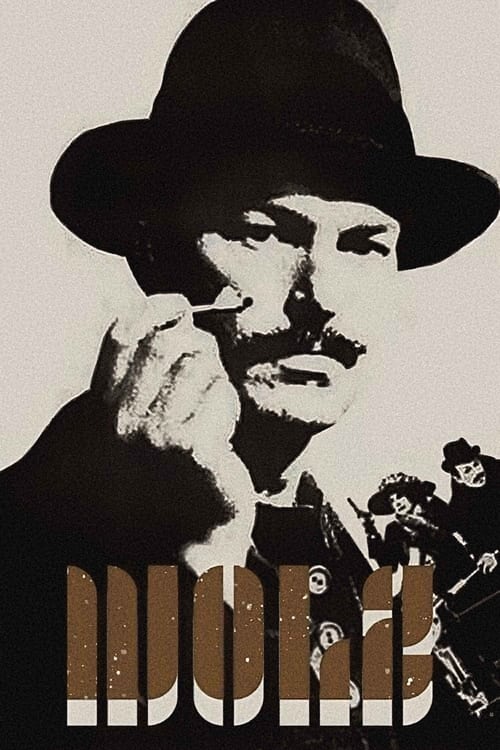
Soldier Ignaz Wolz returns from WWI with an immeasurable hatred of capitalist war profiteers. He decides to start his own revolution, but tries to stay away from the organized class struggle. He steals from the rich men and divides the wealth among the poor. One day, Wolz is arrested and sentenced to life in prison; seven years later he is released due to mass protests. More than ever, it is hard for him to fit in. He severs ties with his former companions, who reject his ideas, and leaves Germany.
In 1945, Ernst Machner returns home from the war in his mid-20s. Tuche would like him to weave for a living, but his comrades persuade him to become a young teacher instead.