Acting
Polizeiruf 110 is a long-running German language detective television series. The first episode was broadcast 27 June 1971 in the German Democratic Republic, and after the dissolution of Fernsehen der DDR the series was picked up by ARD. It was originally created as a counterpart to the West German series Tatort, and quickly became a public favorite.
Annual awarding of the Grimme Awards.
A German television format in which Günter Gaus interviewed prominent members of German society, particularly politicians. More than 200 interviews were conducted over the course of 40 years.
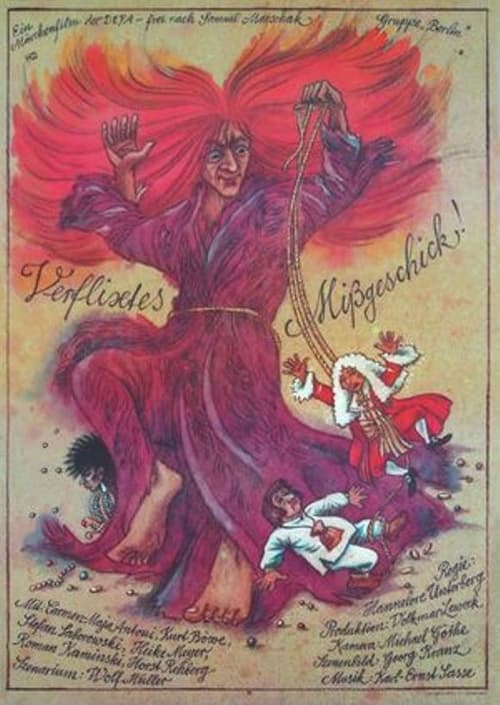
A creature bearing the ominous name "Mishap" is hot in pursuit of an unfortunate lumberjack and eventually decides to live with him. It soon gets bored, however, and asks the lumberjack to hand it over to the rich merchant Habermoos. Habermoos manages to sell Mishap to the king, although he is being attacked by robbers. The king is bankrupt and threatened with war by other countries. Young Michael has to go to war for the king. The creature tries to secretly join him. When Michael gets hold of the situation, he manages to get rid of Mishap once and for all. After all, he has more important things to do. At the last moment, he prevents his girlfriend Kathrin from getting married to the pompous merchant Habermoos.
This quirky episodic comedy weaves together three plotlines centered around the employees of a car garage, with some unexpected fairytale elements to get things moving. A woodland fairy convinces shy bookkeeper Piel to suddenly start driving his Trabi far above the speed limit. Manager Neumann sells his soul to a black cat in order to purchase a more respectable vehicle. And a spirit named "Car Accident" offers to warn owner Sengebusch about upcoming traffic accidents so he can make money by always being the first on the scene.
No description available.
In a small village in West Prussia in the 1870s, Germans, Poles, Gypsies and Jews live together as neighbors. One night Johann, a German mill-owner, secretly opens the dam gates and floods the mill of his Jewish rival Levin. After his business is ruined and his calls for justice go unanswered, Levin leaves town.
After Elmers, the head of the publishing house, is reported missing, his son-in-law Jürgen Brandt is targeted by the Hamburg criminal police. Inspector Graumann and his assistant Weber presume murder. The suspicion against editor-in-chief Brandt is confirmed by the fact that he is incriminated by the testimony of several witnesses. At a press conference, Brandt claims that the Elmers murder case was staged only to exonerate the innocently convicted family man, Parsetti. But to Brandt's horror, Elmer's body is actually found.
A story about life and everyday problems of a few families from East Germany.
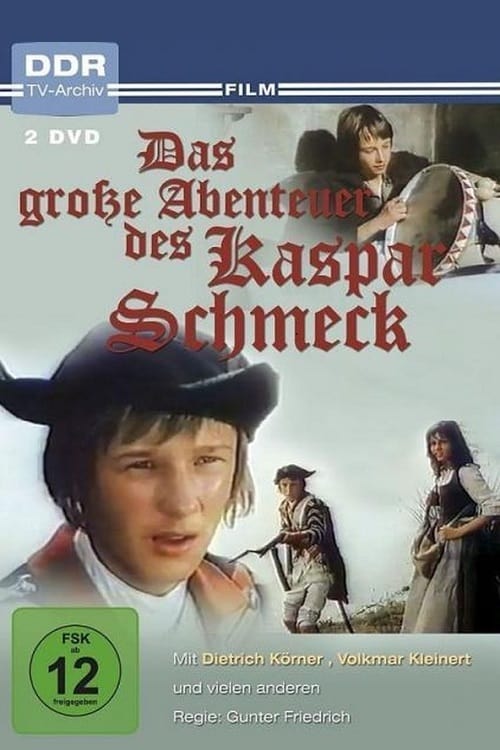
Das große Abenteuer des Kaspar Schmeck is a German television series.
Tambari - it's a name of an old boat which children of a small village on a Baltic sea shore got from an old fisherman Luden. But not all the village adults were ready to approve it...
On a forest road in the Brandenburg March, village teacher Potsch accidentally encounters the distinguished Professor Menzel, who got stuck there in his car. In the conversation that ensues, Menzel and Pötsch quickly discover that they both are great admirers of the early 19th-century writer Max von Schwedenow who was born in the area.
A conversation between King Pyrrhus and Kineas about the increasingly terrible campaigns of conquest is illustrated. When world domination is achieved, the earth will be a deserted wasteland, with only Pyrrhus and Kineas remaining. They wonder what they will do then.
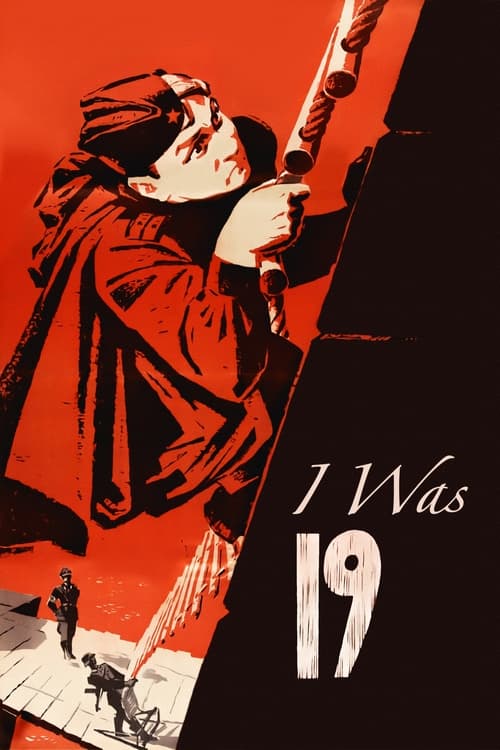
A young soldier enters Germany with Soviet troops at the end of WWII, feeling like a stranger in his homeland. As he meets Germans, he grapples with his ambivalence, realizing he is both a victor and one of the vanquished. His inquisitive nature leads him to confront the atrocities and lies he encounters along the way.
After his family moves from Potsdam to East Berlin, 15-year-old Klaus initially has difficulties at his new school, especially with the popular Heinz. With the help of class teacher Magnus, Klaus and Heinz settle their differences and become friends. When Magnus dies unexpectedly, his class is taken over by young Anne Morgenstern. Klaus and other classmates manage to overcome their initial dislike of the young teacher, but Heinz remains steadfast in his rejection and tries to force her replacement.
Mrs. Alving has hidden her unhappy marriage to a morally depraved man from the world for years. To remove all doubt, she founds an orphanage in her husband's honor. But on the day of the inauguration, the lie of her life comes to light. The suppressed truth confronts her eerily in the form of her son, to whom her father has passed on the "illness". Television production with the ensemble of the Deutsches Theater Berlin.