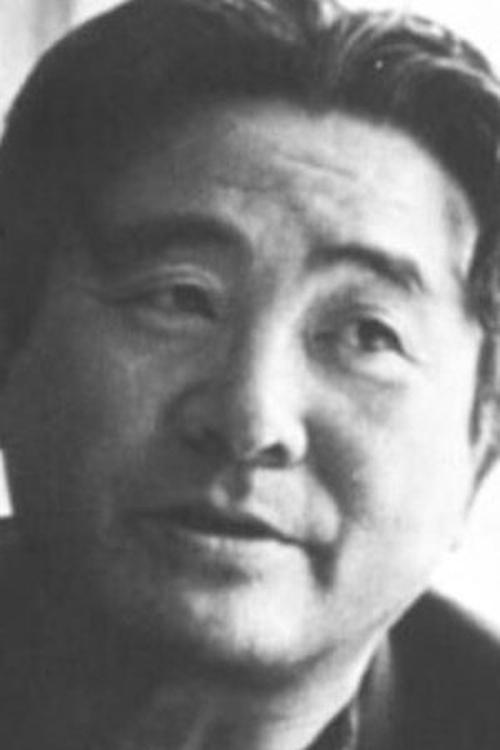
Hideo Sekigawa
Directing
Biography
Hideo Sekigawa (関 川 秀雄, Sekigawa Hideo, 1 December 1908 – 16 December 1977) was a Japanese film director known mainly for films with a left-wing agenda made in the late 1940s and early 1950s. His most noted works are the anti-war films Listen to the Voices of the Sea (1950) and Hiroshima (1953). Hideo Sekigawa joined the documentary branch of P.C.L. film studios (later Toho) in the 1930s where he worked on militarist propaganda films despite his Communist leanings. After the Second World War, Sekigawa debuted as co-director of the pro-unionist Those Who Make Tomorrow (1946) which was intended to illustrate the purpose of the workers' union at the Toho film studios. Having difficulties finding work due to his political leanings, he directed the anti-war film Listen to the Voices of the Sea for Mitsuo Makino's Toyoko Eiga company (later Toei Company). For the Japan Teachers Union, which had been unhappy with Kaneto Shindo's Children of Hiroshima for not being political enough, he directed Hiroshima (1953) in a semi-documentary style, parts of which were later used (uncredited) by Alain Resnais for his drama Hiroshima mon amour. In later years, Sekigawa's output included both audience-orientated genre works and documentaries. His last film was the 1969 Chōkōsō no Akebono.
Known For

1948 Japanese drama film.
A Second Life

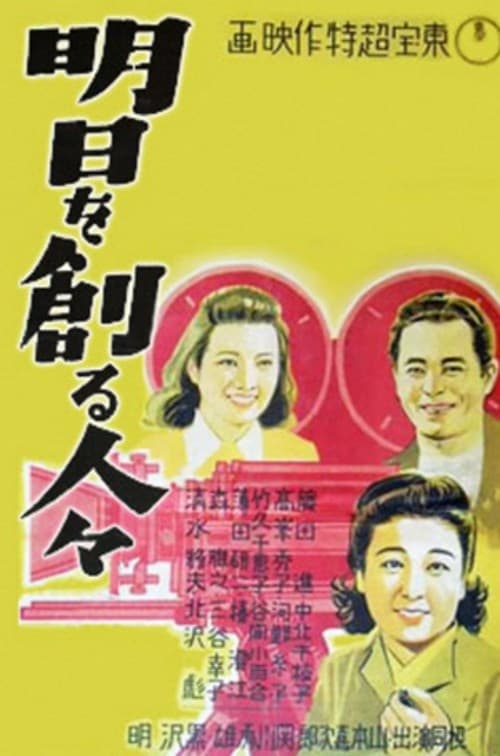
In postwar Japan, two sisters—a film studio script girl and a revue dancer—become swept up in the growing labor movement when workers around them strike for better conditions. As their conservative father opposes their activism, his own dismissal forces him to confront the realities of class struggle and join their fight for a fairer future. Now considered a lost film, Those Who Make Tomorrow was produced by Toho to promote unionization during Japan’s Allied Occupation.
Those Who Make Tomorrow

No description available.
Tokyo Untouchable: Escape

The story of a certain engineer from his youth until he retired from the Japanese National Railways after the war .
The Great Road

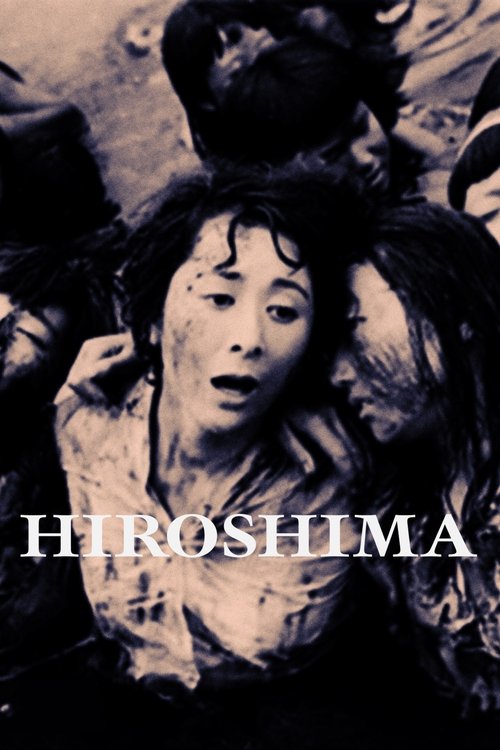
Historical fiction about the aftermath of the atomic bombing of Hiroshima, Japan, on 6 August 1945, and its effects on various civilians, especially children, of that city.
Hiroshima

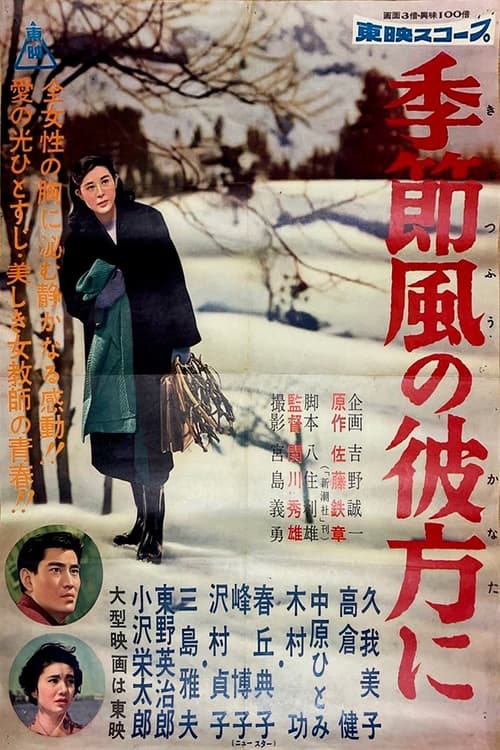
Japanese drama film.
Beyond the Seasonal Wind

This film is strongly anti-war film. The film is based on the collection of writings by Japanese student soldiers who died during World War II. The film is located to Burma. It shows the everyday problems of soldiers in contrast of their ideas and the cynicism of their commanders. Soldiers are also victims of military bullying by their commanders.
Listen to the Voices of the Sea
Tonomura has a singular taste in women. He likes them, but he wants them tattooed. To this end, young Osayo has herself decorated with a celebrated flying-angel pattern and in this way brings much pleasure to her patron. A young hoodlum named Shinnosuke also covets the tattooed maiden. He, decorated with the design of a famous thief, finally gets to her and she responds as she rarely does with her older lover. Also in love with her is a young girl named Okimi who has herself tattooed with a courtesan design just to please the older woman. Having done so, however, she becomes fair prey to the tattoo-loving Tonomura who loses no time in seducing her.
Tattooed Temptress

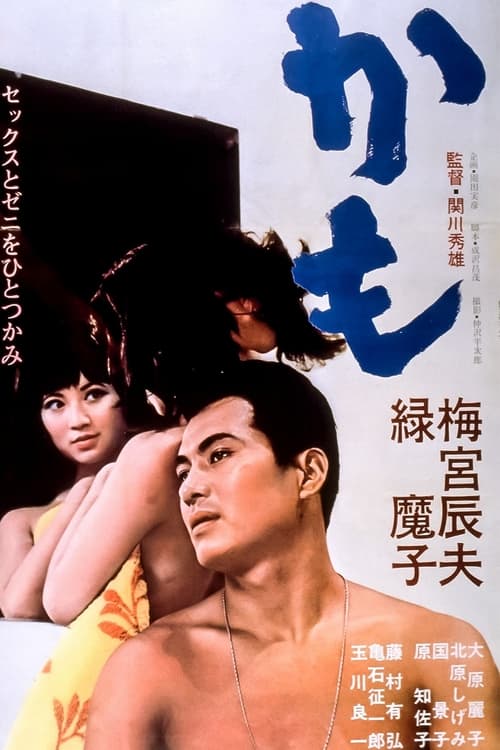
Modern sex and thrill film about tattooed prostitute.
Devil in My Flesh
1947 Toho film directed by Tadashi Imai
Chikagai nijuyojikan

A Dead Drifter / Hyoryû shitaî
A Dead Drifter

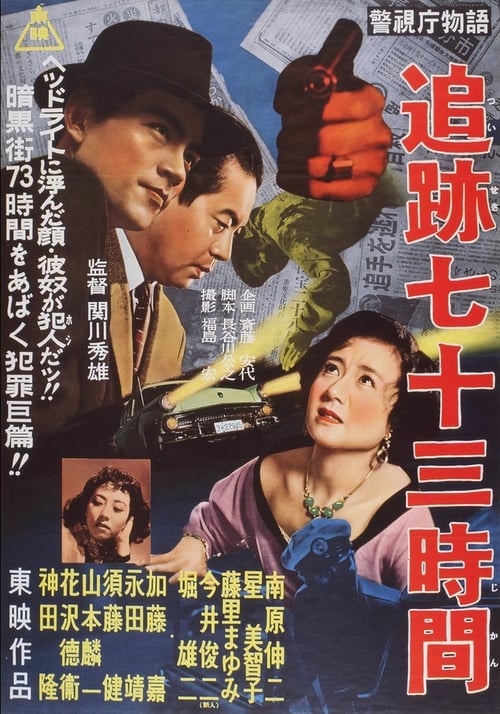
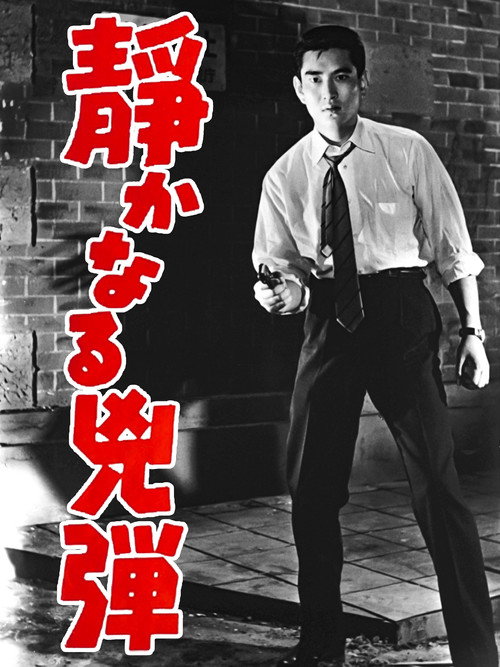
A robbery and murder occurred at a gas station facing the national highway at 1:00am. Detectives Nagata, head of the First Investigation Division, begins investigating. Two bullets were removed from the corpse of a staff member on duty at the station, and the last car to be refilled with gasoline, Sakura Taxi No. 5-E1044, appears on the line of investigation. The same night, a robbery murder case was discovered using the same US military gun that was used on the gas station victim.
Police Precinct: The Left-Handed Killer

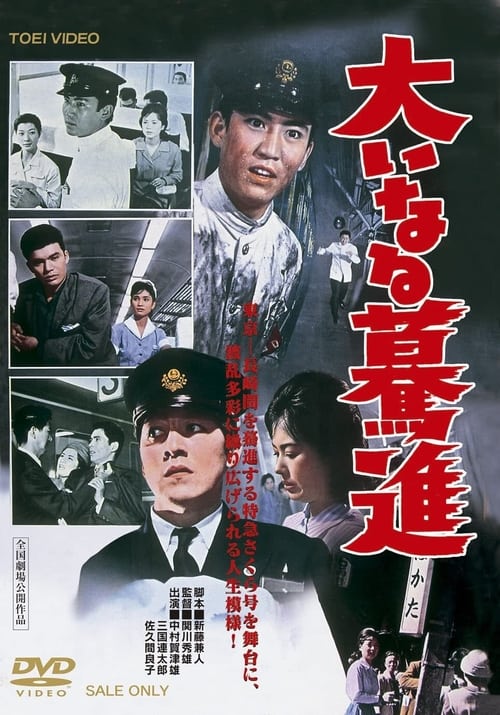
A human drama of crew and passengers on a special express train named “Sakura” from Tokyo to Nagasaki...
Devotion to Railway

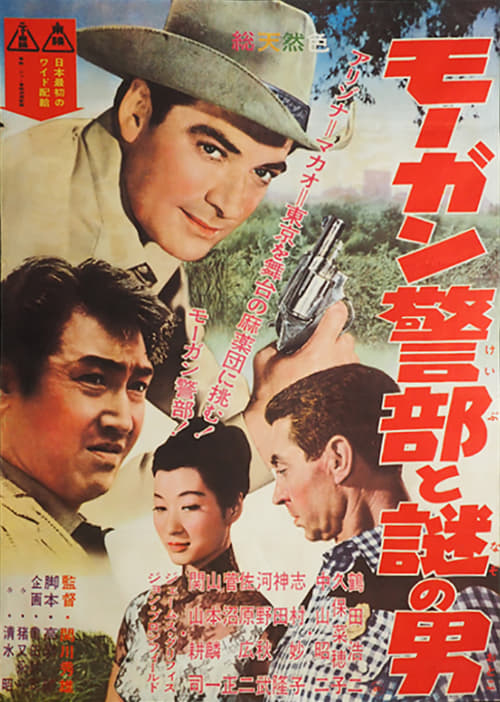
Detective Morgan and the Japanese police cooperate to unveil the truth of the mysterious death of Morgan’s friend in Arizona.
Officer Morgan and a Man of Mystery

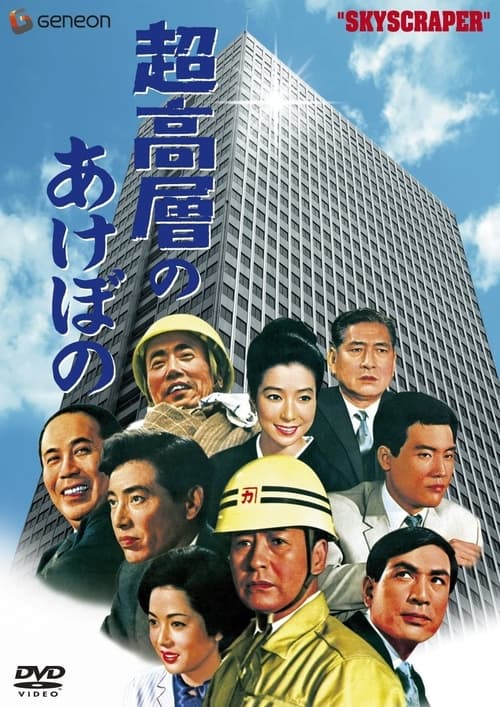
A film about the construction of the Kasumigaseki Building, the first high-rise building in Japan.
Sky Scraper!

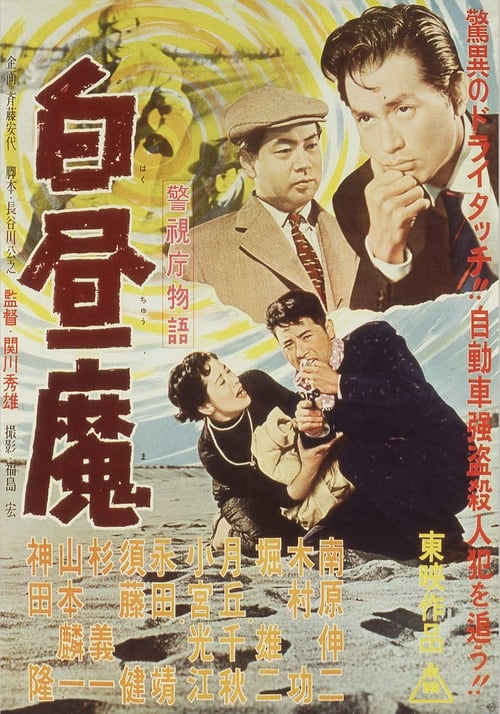
OSHINO, the beautiful daughter of restaurant owners, is in love with SHIRASAGI the painter. But there is another young man, the son of a moneylender family, who is desperately in love with Oshino...
White Heron

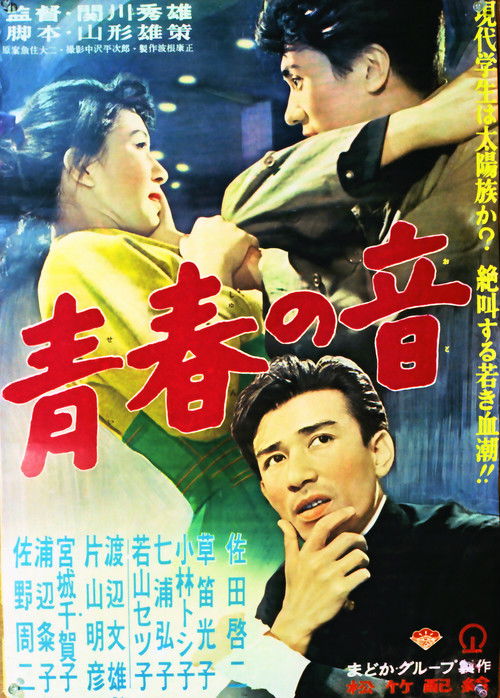
1962 Japanese movie
あの空の果てに星はまたたく

A man with many disguises uses robotic beetles, man-made monsters and other devices to try and steal atomic power.
Shonen Tanteidan: Kabu to Mushi no Yoki

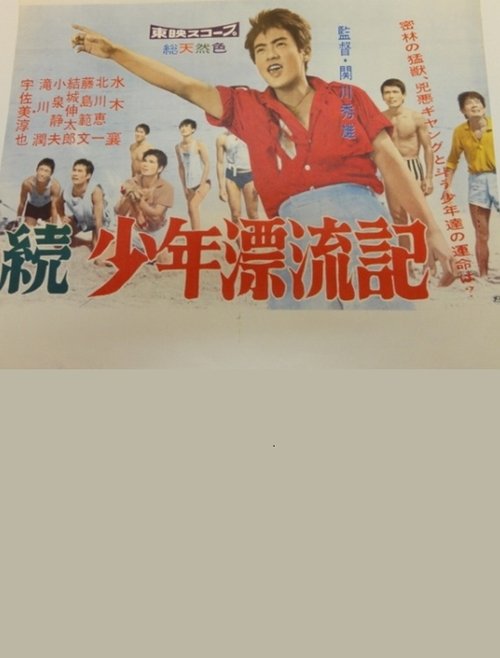
Young boys learn survival skills on a remote island and rescue a girl abducted by a gang of foreigners.
Tale of Young Drifter

Young boys learn survival skills on a remote island and rescue a girl abducted by a gang of foreigners.