Directing
This film, reconstructed by the staff of Library and Archives Canada from film shot by James Sibley Watson Jr., documents the activities of Marius Barbeau and Ernest MacMillan among the Nisga’a of the Nass River region of British Columbia. Barbeau, an ethnologist at the National Museum of Canada, and MacMillan, then principal of the Toronto Conservatory of Music, are depicted in their efforts to record ‘with camera and phonograph’ what the film’s first intertitle describes as ‘the vanishing culture, the rites and songs and dances of the Indians along the Canadian Pacific Coast, north of Vancouver.
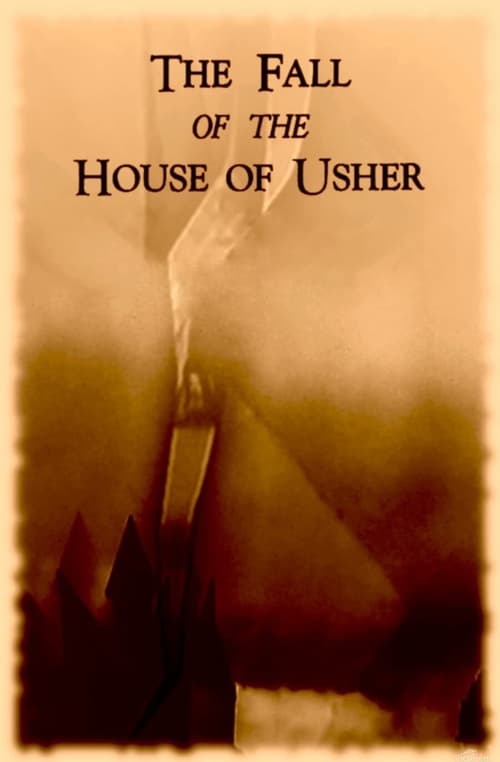
Convinced that his family is tainted by generations of evil, Roderick Usher is hellbent on stopping his sister Madeline’s wedding to prevent the cursed Usher bloodline from expanding. When her nameless traveller fiancé arrives at the crumbling estate to claim his bride, Roderick goes to ruthless—even deadly—lengths to keep them apart.
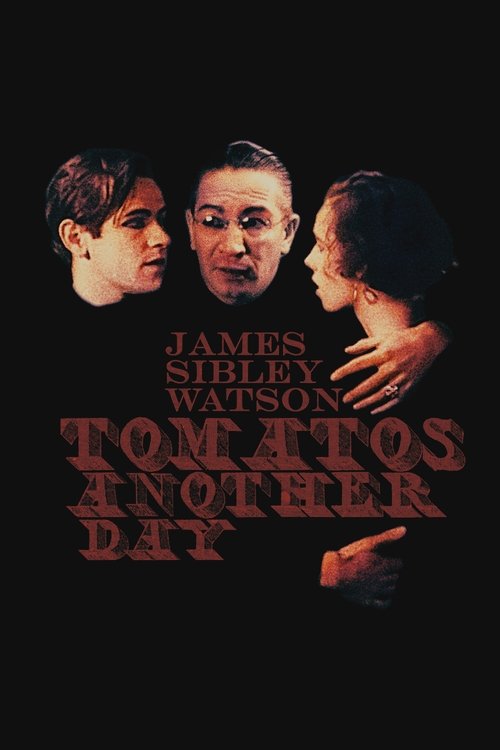
Watson’s avant-garde film is a unique example of dadaist aesthetics in early sound cinema. A minimalist and virtually expressionless acting style on a claustrophobic set characterizes the melodramatic love triangle. Watson considered the film a failure, though it appears extremely modern today, and suppressed its existence. - Jan-Christopher Horak
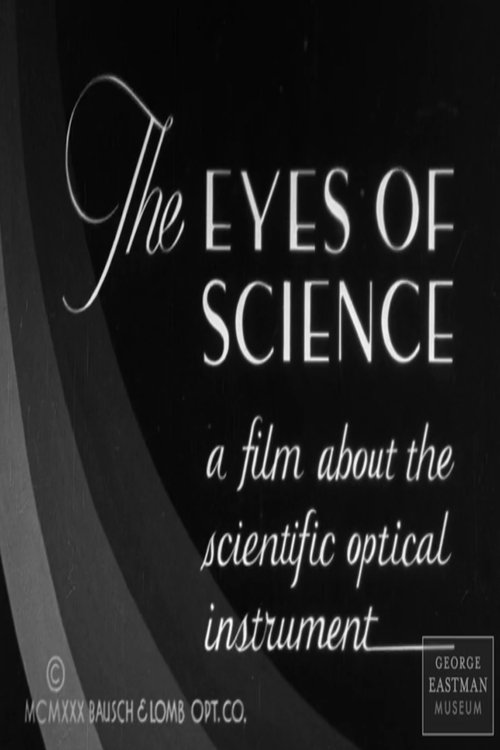
The optical company Bausch & Lomb of Rochester, New York, contracted Watson and Webber to create this corporate industrial film to showcase the company’s extensive catalog of lenses and other optical instruments, displaying their practical applications in industry and everyday life. The Eyes of Science easily straddles the fields of avant-garde and industrial filmmaking, making both a fascinating object of form and style, as well as a highly educational, entertaining, and informative piece of film and industrial history. Originally 45 minutes.
Case film produced at the University of Rochester, held at Eastman House.
Lot in Sodom is a sensual depiction of the Sodom and Gomorrah story filled with sinewy and semi-clad bodies, delirious bacchanals devoted to physical pleasure, and a searing, cataclysmic finale depicting the fall of a city devoted to sins of the flesh.
Watson crafted a dazzling visual ballet that stands on its own as an aesthetically rewarding and educationally inspiring tour of the massive Kodak factories. Utilizing the multiple exposure imagery he had used to such great effect in The Fall of the House of Usher (1928) and Lot in Sodom (1933), Watson makes tool and die drill presses, assembly lines of camera parts, and the film coating process every bit as expressive and interesting as an MGM historic drama.