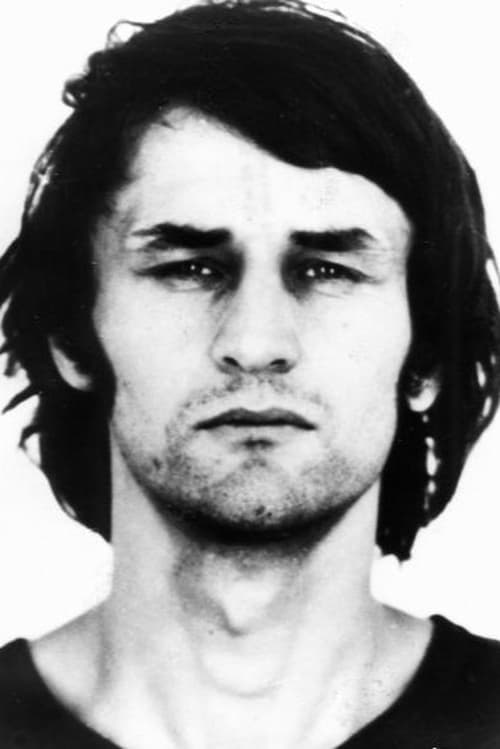
Holger Meins
Acting
Known For
International Terrorism Since 1945 is a television documentary series, shown on UKTV History from 5 January 2009. Narrated by Robert Powell, it is shown in half-hour episodes at 5:00 pm and 5:30 pm and depicts a history of some major terrorist groups since World War 2 and their activities.
International Terrorism Since 1945

Instructions on how to make a Molotov Cocktail
Wie baue ich einen Molotow-Cocktail ?
In 2014, Germany television network ZDF commissioned a comprehensive TV documentary on the history of the Red Army Faction (RAF). In six 45-minute parts, the series describes the origins, rise, and fall of the terrorist organization "Red Army Faction." Interviewees include Winfried Ridder, former head of department at the Federal Office for the Protection of the Constitution; Rainer Hofmeyer, former head of department at the Federal Criminal Police Office; and political scientist Dr. Wolfgang Kraushaar.
The History of the RAF
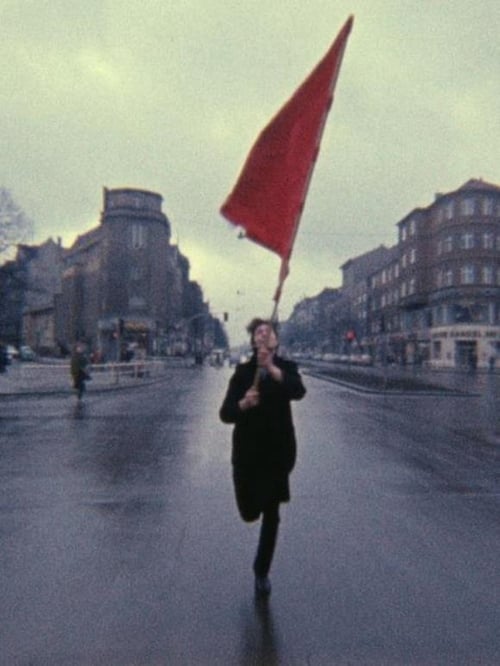
Gerd Conradt films men carrying a red flag in a relay race through Berlin, to hoist it on the balcony of the current Mayor’s seat. A cinematic experiment based on Eadweard Muybridge, Andy Warhol and New American Cinema. A study in men, movements and a symbol. This is the 7th part of this series of film exercises. The other 6 parts were staged by Harun Farocki (Part 1), Carlos Bustamante (Part 2), Helke Sander (Part 3), Holger Meins (Part 4), Wolfgang Petersen (Part 5), Philip Werner Sauber (Part 6).
Color Test: The Red Flag
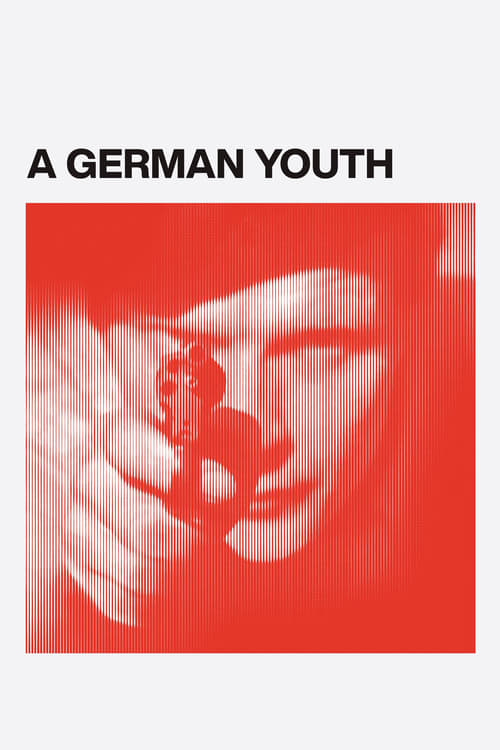
At the end of the 1960s the post-war generation began to revolt against their parents. This was a generation disillusioned by anti-communist capitalism and a state apparatus in which they believed they saw fascist tendencies. This generation included journalist Ulrike Meinhof, lawyer Horst Mahler, filmmaker Holger Meins as well as students Gudrun Ensslin and Andreas Baader.
A German Youth
A concise blast of feminist film making, Sander's first film is a tense yet playful four minute short that dissects a typical urban scene at a bus stop on a busy street in Berlin.
Subjectivity
A documentary about the events at the German Film and Television Academy Berlin (dffb) in November 1968, which led to the termination of the training contracts of 18 students. While Director Heinz Rathsack dictates to his secretary Helene Schwarz the letter lifting the ban from the premises against 18 students, the students plan a general assembly inside the dffb despite the ban.
Wochenschau I: Requiem für eine Firma
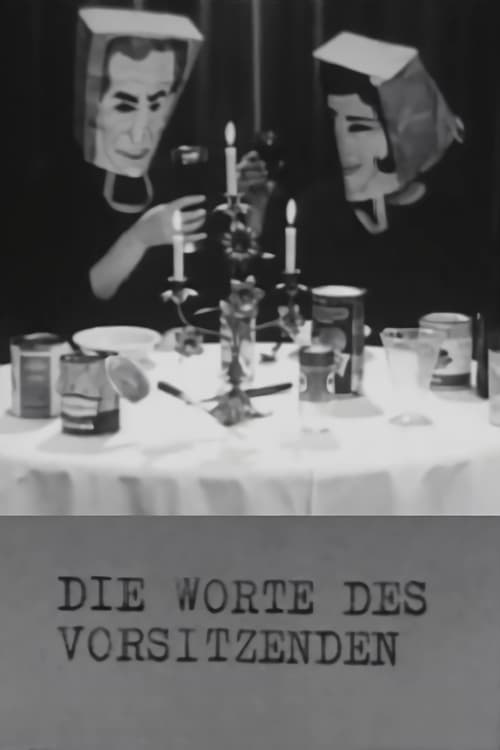
I was on a ship – this sounds like a novel: I had just embarked for Venezuela on June 2, 1967 as the Shah of Iran was arriving in West Berlin. There were protests, a student was shot, and a new form of opposition movement came into existence. The idea for this film came to me while I was still aboard the ship. The film is structured like a commercial. The film takes a metaphor literally: words can become weapons. However, it also shows that these weapons are made of paper. The weapon spoiled everything for the Shah and his wife, they are wearing paper bags on their heads with faces drawn on them – the kind of bags worn by Iranian students during demonstrations to hide their identity from the Savak, the Iranian Secret Service. When I showed this film to the audiences in the late 60s, it was highly praised. I think people understood then that over obviousness is also a form of irony. This capacity was lost a few years later. I think it's coming back today. –HF
The Words of the Chairman

Western for the SDS portrays the development of the left as a learning process among women who sharpen their awareness in the movement but continue to have no say. The controversy surrounding the film is shown in the DFFB weekly newsreel Requiem for a Company. The Western was confiscated by the administration, and eighteen students who sided with Straschek were expelled from the academy. The film was considered lost until its rediscovery in 2018.
Western for the SDS
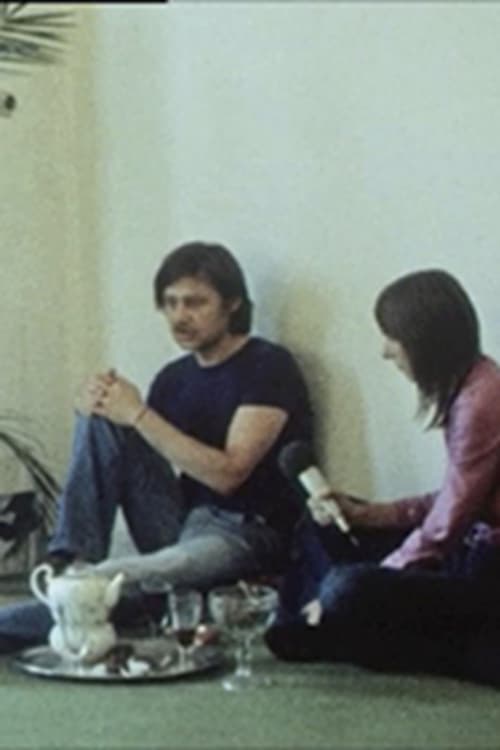
A look into the life of Holger Meins, the German cinematography student who became a revolutionary and a prominent voice in the Vietnam War protest movement. This film is comprised of interviews with his associates.
Es stirbt allerdings ein jeder, fragt sich nur wie und wie Du gelebt hast (Holger Meins)
Scenes from Berlin: Kids playing football, a man tries to light a fire in his stove, a film team sets up a shot in a park, students discuss politics.
Situationen
No description available.
Der Kandidat
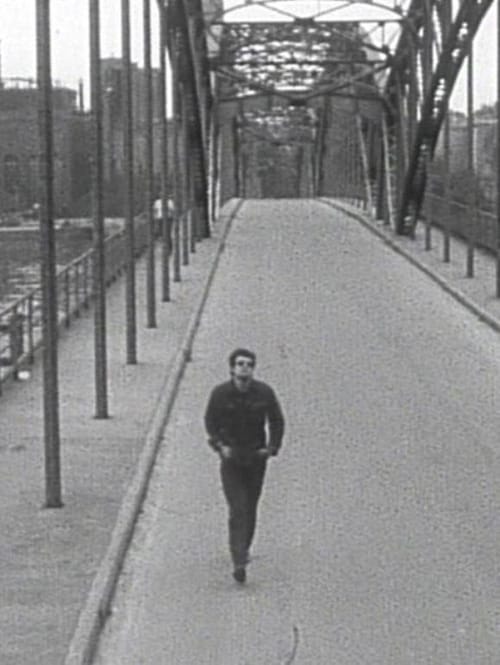
“Six young people move through a city in order to establish the starting point of their joint action. But they can’t agree on the topic. In the end everybody goes their own way and leaves the city.” - Hartmut Bitomsky
3000 Houses
Film essay on Holger Meins, Gerd Conradt's former colleague who died on hunger strike in 1975.
Über Holger Meins – Ein Versuch, unsere Sicht heute
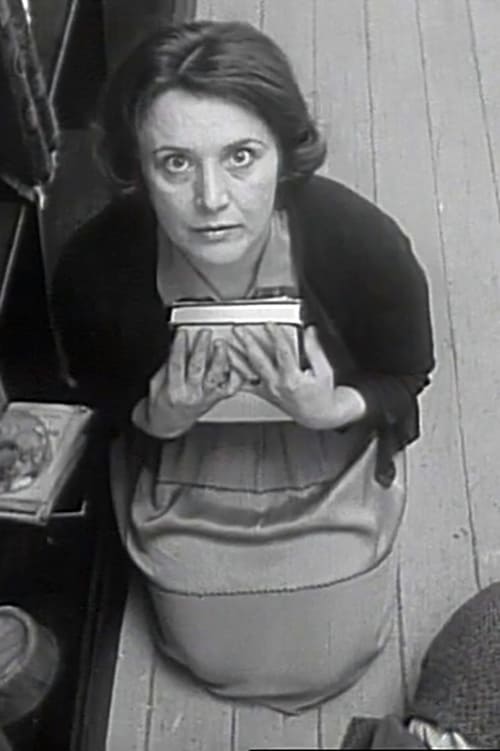
Short thriller about an older woman and an escaped convict.
Das Vöglein
Film announcing the November 4, 1968 demonstration and urging demonstrators to be prepared to fight.
Machen wir den Tegeler Weg zur Kochstrasse
An emotional dialogue between a man and a woman, around whom a camera circles in a 360-degree turn.
Riffi
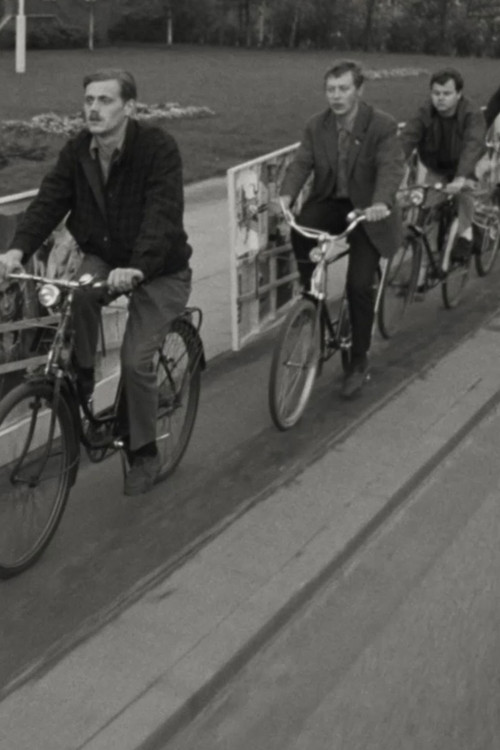
Five young men ride their bicycles through the city, each of them having a piece of a huge movie advertisement attached to his bike.
Anfangszeiten
A young man decides to leave the country after the 1965 West German parliamentary elections. He hitchhikes out of Hamburg, but makes it only as far as the Lüneburg Heath. There, he meets a woman driving a Jaguar, protects her from an “attack” by a light sport airplane and then helps her sell her car to a shepherd. When doubts arise about the buyer’s solvency, the man and woman take the train back to Hamburg …
One Brachet Close Brachet
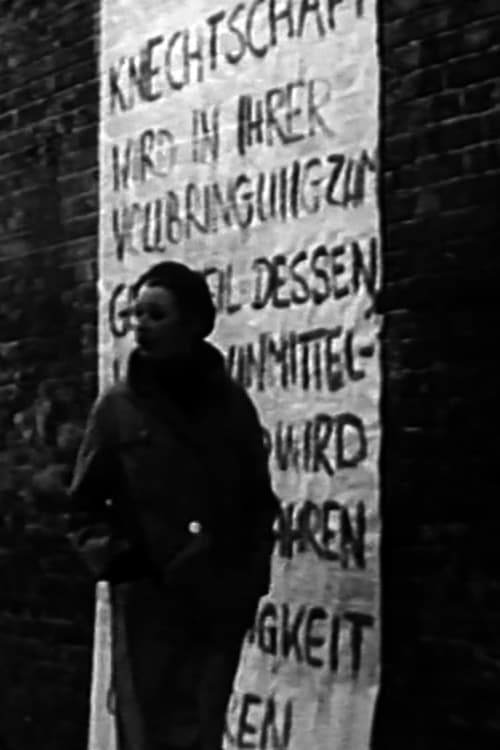
Clearly influenced by Brecht and Jean-Marie Straub, criticizes the reduction of human relations to economic relations as well as the US imperialism in Vietnam.