Directing
Scenes from Berlin: Kids playing football, a man tries to light a fire in his stove, a film team sets up a shot in a park, students discuss politics.
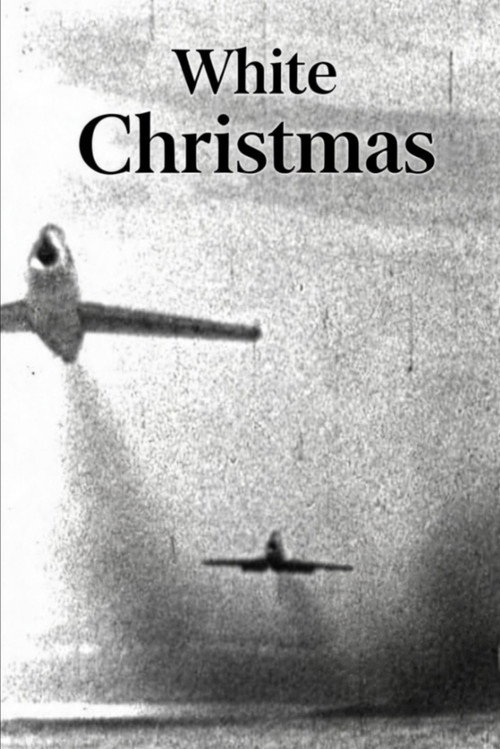
One of the many films drawing a connection between Christmas and war. It is unclear whether the longing for a white Christmas is being taken seriously, or whether it is intended as a denunciation. In either event, America's war in Vietnam is denounced.
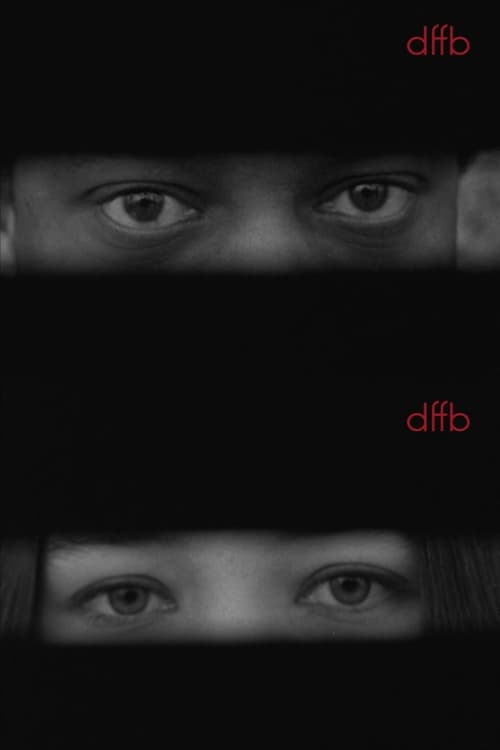
Short experimental film by (and starring) Skip Norman dealing with racism, black/white relations, the blues.
Essay film about student protests in Berlin.
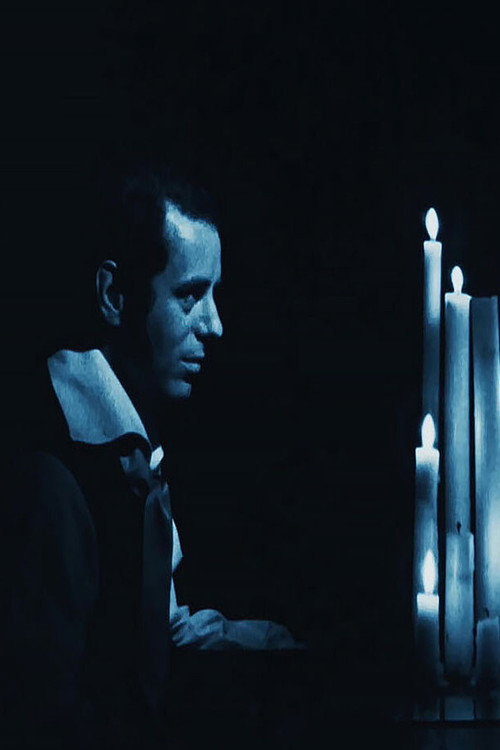
Vienna, March 18, 1863: the poet Friedrich Hebbel, weakened by fever, spends his fiftieth — and final — birthday confined to bed. In feverish reverie, he recalls his life and work. The two blend with each other as well as with the present. A demanding reflection, filmed mostly in monochrome images, on this "ardent man" (a description by Eduard Mörike) and his work.
A "poor" family who can no longer pay their rent. Together with other "poor people", they think about how poor people can help themselves. The only option they see is to rob a bank...
Skip Norman shot ‘On Africa’ after graduating from the German Film and Television Academy (DFFB). On the level of the image, we see tracking shots through West Berlin, information detailing the economic gains of colonialist exploitations, and photographs from West Africa, while the soundtrack shares facts about the continent’s conquest and decolonization. As Norman himself put it: “The starting point is the relationship between Europe’s prosperity and Africa’s poverty; Europe’s destruction of societies and cultures, and the simultaneous use of Christianity and racial theories as justification for a massive exploitation of the colonized.” ‘On Africa’ was first shown in 1970 and then broadcast on television by WDR in 1972. In 2020, the Harun Farocki Institut was able to digitize a 16mm print from the archive at the WDR.
A concise blast of feminist film making, Sander's first film is a tense yet playful four minute short that dissects a typical urban scene at a bus stop on a busy street in Berlin.
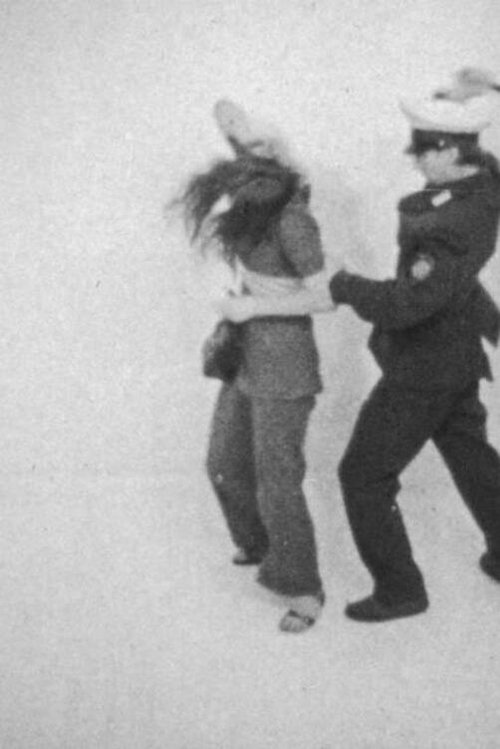
German agitprop film.
Filmed in West Berlin, WARM-UPS, by the American conceptual artist Allan Kaprow, is a recreation of a performance originally enacted in Boston, in which individuals assess the flow of body heat from hands, torsos, and feet to adjacent surfaces. As the film’s voiceover itself notes, “Using words and pictures it condenses the times and spaces of the real event into a graphic illustration of what happened.”
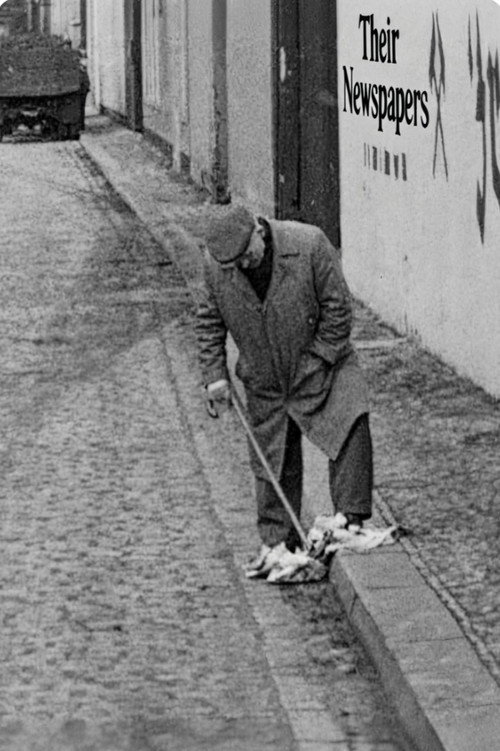
Ihre Zeitungen is a political film rooted in the 1968 student campaign against the Springer press group, which controlled popular dailies such as the Berliner Zeitung and the Bild Zeitung. Claiming the latter were manipulating public opinion, the students laid siege to the publisher's offices. These events made a strong impression on the German collective conscience, and it's in this context that Farocki made this "agit-prop" film.
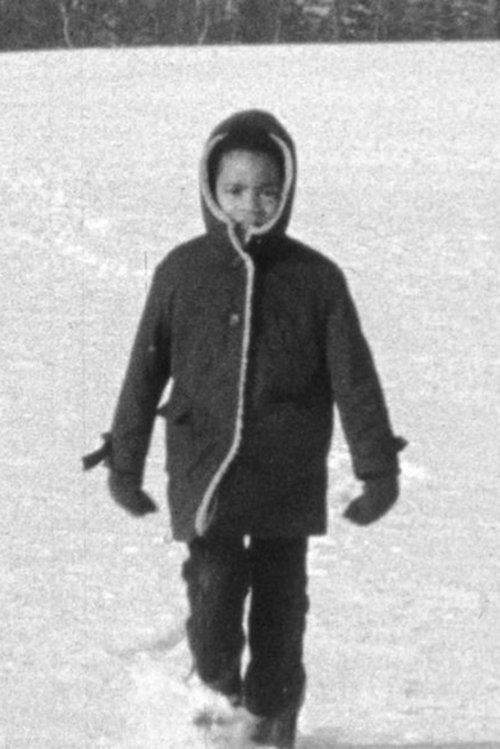
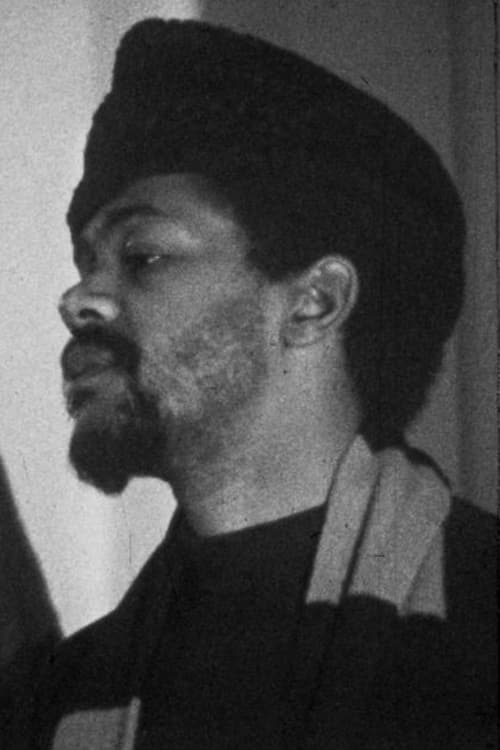
A quiet scene in the snow, a black child in an anorak runs mumbling towards the camera. The pictures are underpinned with a powerful monologue by the co-founder of the Black Panther Party Bobby Seale.
An African-American GI retires from the US Army in West Berlin to live with his white girlfriend, who already has a baby with another black man. After an argument with her family, she deserts him as well. Despite finding a job and a new place to live, he keeps running into racism, which also manifests itself in sexual intimidation.
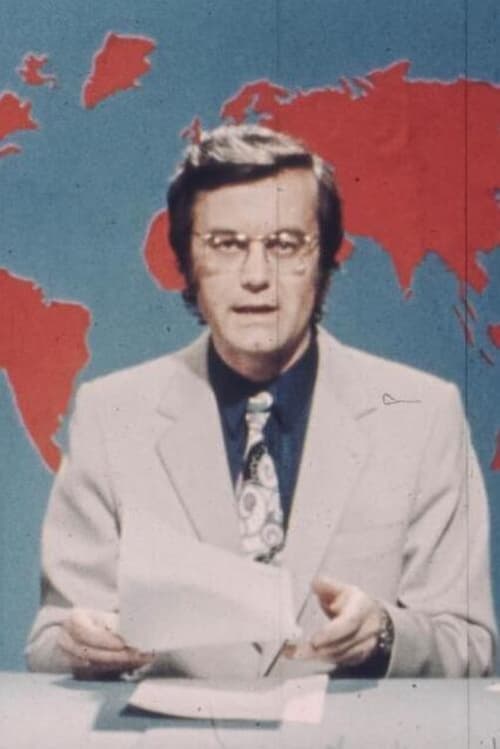
Using satire as a method of criticism, the film aims to show the ideological constitution of the television stations. Television programs are examined in terms of their mode of operation: Educational programs, family programs within an advertising framework, news, entertainment shows, political magazines are identified as instruments of domination that direct our awareness of social interests without the public itself having access to express opinions in the medium.
An emotional dialogue between a man and a woman, around whom a camera circles in a 360-degree turn.
Documentary by Helke Sander, in collaboration with Harun Farocki (among others), about the campaign of the West German New Left against the publishing house Springer, particularly its control and manipulation of the news.
Recordings of a speech Bobby Seale held in Scandinavia intercut with roving streets and images.
Starting from a failed Black Panther Party convention (in Washington D.C., November 1970) for a constitution based on their 10-point programme, the film analyses the social condition of black communities. It shows especially the self-help of the blacks in their fight against social repression.
This short snippet of silent 8 mm film was filmed by Ingrid Oppermann in West-Berlin, possibly close to her apartment in Kurfürstenstraße, where Harun Farocki’s The Words of the Chairman (1967) was shot. The snow that is reflected in the shop window indicates that it must have been the Winter of 1969/70.
Clearly influenced by Brecht and Jean-Marie Straub, criticizes the reduction of human relations to economic relations as well as the US imperialism in Vietnam.