Directing
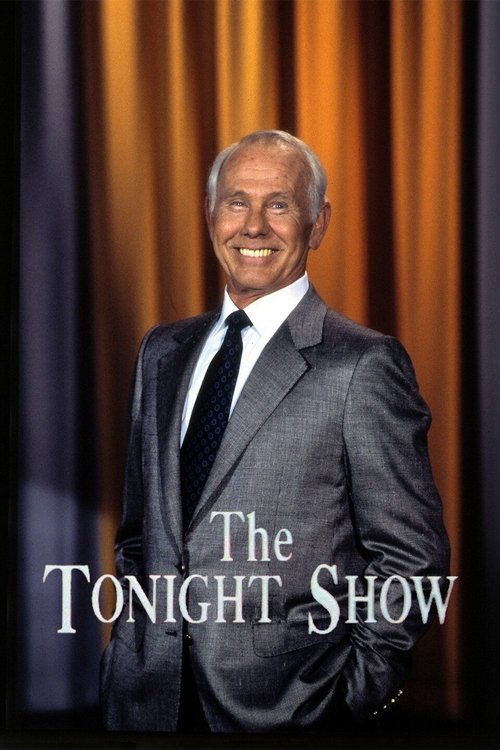
The Tonight Show Starring Johnny Carson is a talk show hosted by Johnny Carson under The Tonight Show franchise from 1962 to 1992. It originally aired during late-night. For its first ten years, Carson's Tonight Show was based in New York City with occasional trips to Burbank, California; in May 1972, the show moved permanently to Burbank, California. In 2002, The Tonight Show Starring Johnny Carson was ranked #12 on TV Guide's 50 Greatest TV Shows of All Time.
A late-night live television sketch comedy and variety show created by Lorne Michaels. The show's comedy sketches, which parody contemporary culture and politics, are performed by a large and varying cast of repertory and newer cast members. Each episode is hosted by a celebrity guest, who usually delivers an opening monologue and performs in sketches with the cast, and features performances by a musical guest.
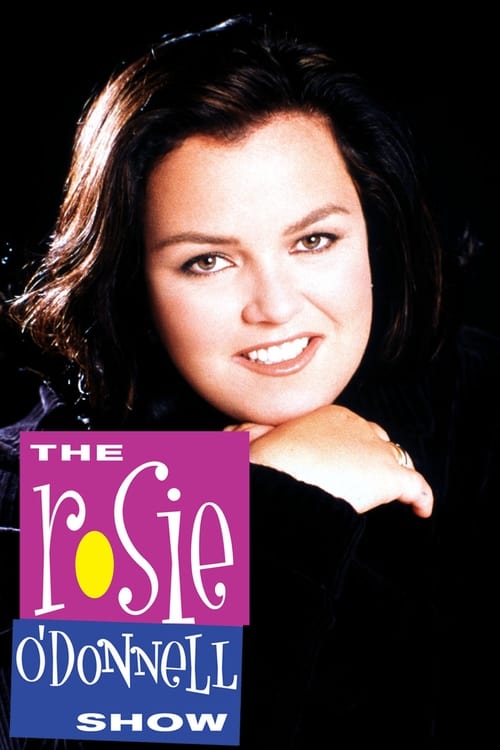
The Rosie O'Donnell Show was an American daytime television talk show hosted and produced by actress and comedian Rosie O'Donnell. It aired for six seasons from 1996 to 2002. Topics often discussed on the show include Broadway, children, extended families and charitable works, people and organizations. The show was based out of Studio 8G at NBC's Rockefeller Center studios in New York City, NY, USA and was produced and syndicated by KidRo Productions, Telepictures Productions and Warner Bros. Television.
A nice guy has just moved to New York and discovers that he must share his run-down apartment with a couple thousand singing, dancing cockroaches.
An avant-garde omnibus that features works by off-the-wall artists in many different disciplines.
Animated short
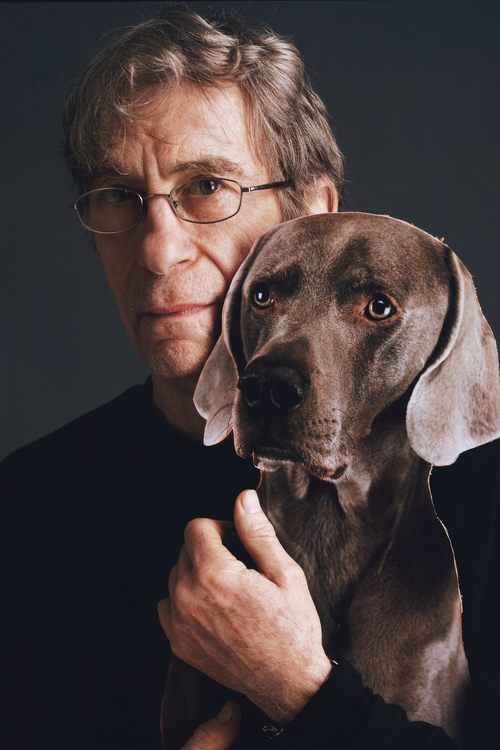
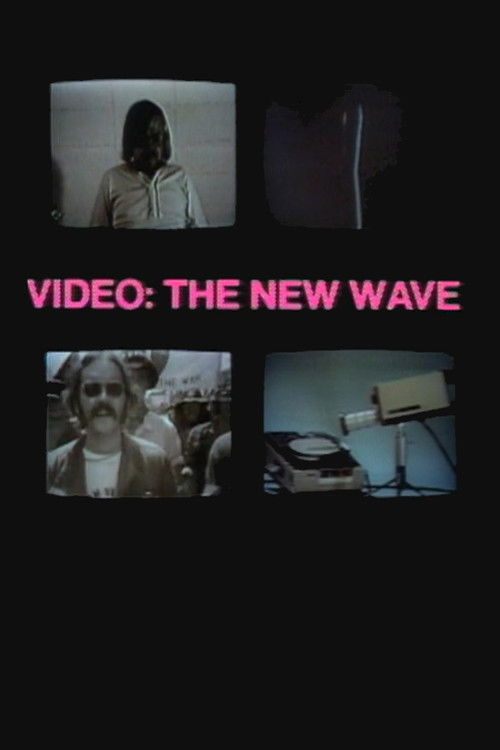
The New Wave is the seminal compendium of independent video work in the early 1970s. Written and narrated by Brian O'Doherty, this overview of the emerging video field includes examples of guerrilla television and "street" documentaries, early explorations with image-processing and synthesis, and performance video. This historical anthology includes excerpts of tapes by the following video pioneers: Stephen Beck and Warner Jepson, Peter Campus, Douglas Davis, Ed Emshwiller, Bill Etra, Frank Gillette, Don Hallock, Joan Jonas, Richard Serra, Paul Kos, Nam June Paik, Otto Piene, Willard Rosenquist, Dan Sandin, James Seawright, Steina Vasulka, TVTV, Stan Vanderbeek and William Wegman.
A series of short, single-take anecdotes that introduce his idiosyncratic approach to video and humor, these technically raw-edged vignettes use understated means to create conceptual sight gags and absurdist one-liners. Wegman's deadpan spoken delivery of his monologues, and his ingenious use of everyday objects, subvert the viewer's expectations and transform the ordinary into the surreal.
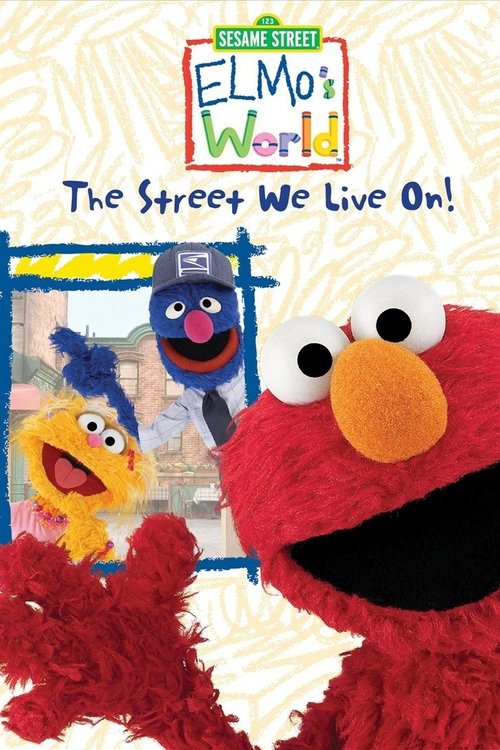
Elmo's World celebrates 35 years of Sesame Street. Elmo wants to know more about the street he lives on, so Grover takes him on a trip back in time to see what Sesame Street was like before Elmo was born.
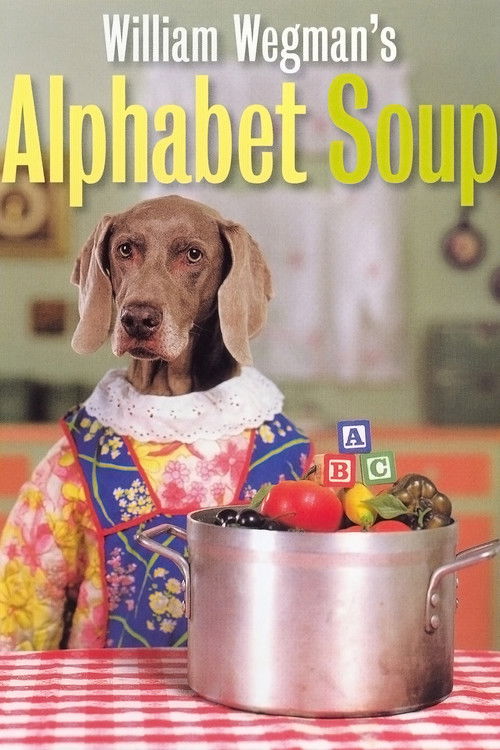
William Wegman and his dogs - Fay Ray, Batty, Chundo, and Crooky - teach children the alphabet.
"In the piece we see the two dogs staring at the camera in a dark room. Their eyes are intently following something off camera. Sometimes their head movement is pull into the action as they crane to follow the whatever it is in various left right and up down directions. At one point the action seems to stop and the dogs begin to blink in syncopation. At this point Hooka settles down into a lying position but Man Ray remains riveted. Towards the end piece the dogs crane to look behind them and at one miraculous moment their motions counter each other. At the end we see the object of their attention…in my hand, a tennis ball."
No description available.
In this short parody, Wegman plays an earnest drawing professor — a character that recalls television's Mr. Rogers — who demonstrates to Mark Magill's eager student how all drawing is based on "natural shapes" and how one can "learn by doing." Employing the stylistic conventions of a low-budget television "how-to" show, Wegman and Magill parody the notion of artistic instruction.
Absurd stories mix with wordplay in the early video works of William Wegman. Product demonstrations, application of household appliance on videotape, stomach hummings. Copyright reminiscing. Man Ray chews the microphone... A selection from the hours of short performances Wegman recorded in his studio from 1970-1978. Selected Video Works includes Two Dogs And Ball (silent), Used Car Salesman, Dog Biscuit In Glass Jar.
William Wegman's lewd stroking of his dog apes television's crass marketing strategies.
Single-channel digital video, transferred from Sony CV 1/2-inch video tape, black-and-white, sound
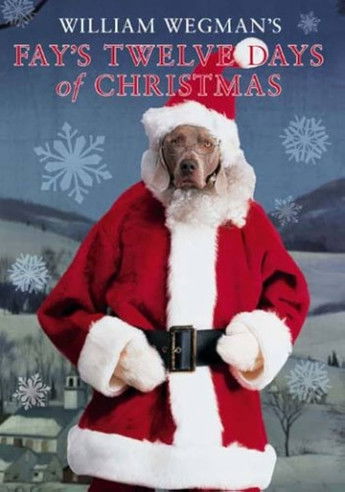
Willam Wegman brings together his famous family of weimaraners to celebrate the 12 days of Christmas in a witty and delightful festival of decorating, crafts, cooking, gift wrapping, fruitcake, and more. Watch as Batty, Crooky, Chundo and Fay celebrate the season as only they can.
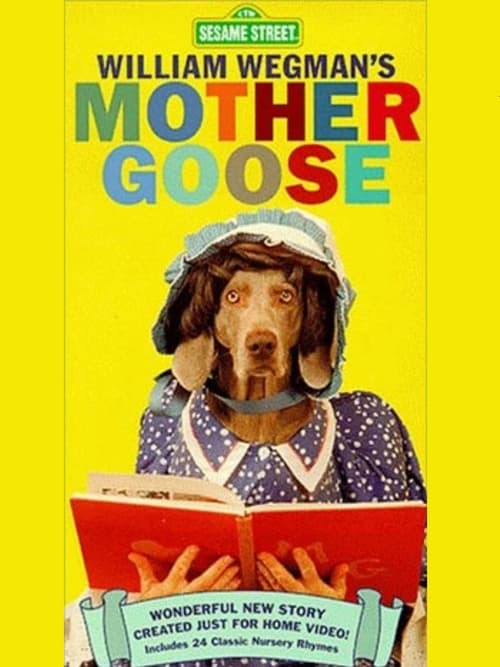
Mother Goose tries to teach her son, Simon Goose, how to rhyme using some of her famous nursery rhymes.
In Reel 1, Wegman creates deadpan one-liners and ironic sight gags from materials that include his own body, everyday objects such as balls and dolls, and his dog Man Ray. The humor derives from the wild incongruity of expected and actual behavior or events. Inanimate objects are personified; extended actions lead to absurd anticlimaxes. In Stomach Song, Wegman sits in a chair, his bare torso facing the camera. As he gruffly hums a song, his torso becomes a face, with nipples as eyes, navel as mouth. Raising his arms, the "facial" features change gender and he hums in falsetto. Other segments find him blowing a feather from his nose and creating pendulous female "breasts" by folding his elbows to his body. The ever-obliging Man Ray drags a microphone in his mouth, laps up milk that Wegman has drooled onto the floor, and, in an oddly poetic exercise, runs through a darkened room with a flashlight in his mouth.
Pursuit of a dog biscuit inside a glass bottle creates the type of narrative suspense that draws us into the action on the screen.