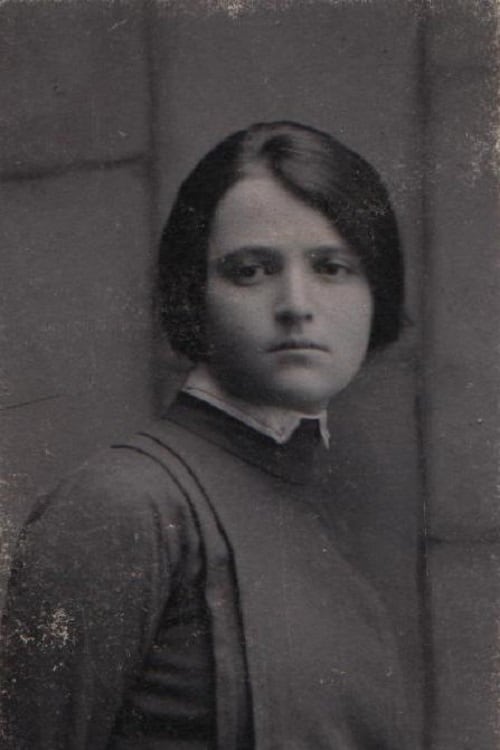
Esfir Shub
Directing
Biography
Esfir Shub, also referred to as Esther Il'inichna Shub, was a pioneering Soviet filmmaker and editor in both the mainstream and documentary fields. She was one of few women to play a significant role behind the scenes in the Soviet film industry. She is best known for her trilogy of films, Fall of the Romanov Dynasty (1927), The Great Road (1927), and The Russia of Nicholas II and Leo Tolstoy (1928). Shub is credited as the creator of compilation film. Esfir Shub was born into a family of landowners. She studied literature in Moscow, but after Revolution she began to attend the classes at the Institute for Women's Higher Education and then got a job as a 'theater officer' at the State Commissariat of Education. In the theatre she worked in collaboration with the famous avant-garde director Meyerhold and the poet Mayakovsky, who was one of her friends. Shub joined the Goskino film company and met Dziga Vertov. Their professional friendship was lifelong, but stormy. Shub shared his belief in film's intrinsic ability to reveal aspects of reality not visible to the naked eye, but she became engaged more in the interpretation of the historical world than in only contemporary matters. First Shub worked as a re-editor of foreign films for Soviet distribution. In 1927 (the tenth anniversary of Revolution) she made her first documentary film The Fall of the Romanov Dynasty (1927). This film was the first part of the trilogy, which also consists of The Great Road (1927) and Lev Tolstoy and the Russia of Nicolai II (1928). In the process of making the trilogy, Shub had to contend with not only an overwhelming volume of material but also the problem of locating relevant footage. She often found that valuable documents of the pre-war period had been sold abroad or had been badly damaged in ill-equipped newsreel archives. Shub compensated the lack of material by using newly shot footage. Her films derive much of their power from this technique of providing a contemporary context for archival footage. Thus, Shub created the absolutely new genre 'historical compilation film'. She later claimed she just wanted to create 'editorialized newsreels'. The critics and colleagues admired Shub's work, because she found a middle path between narrative and documentary forms. Sovkino denied her authorial rights for her trilogy claiming that she was just an editor. However, in 1935 Shub was awarded the title Honored Artist of the Republic. In the beginning of the forties she collaborated with Vsevolod Pudovkin on the successful Twenty Years of Soviet Cinema (1940). Then she left Goskino to become chief editor of the 'News of the Day' at the central studio for documentary film in Moscow. Most of her later years were confined to editing duties. Shub was definitely the most prominent Soviet woman filmmaker of her generation.
Known For
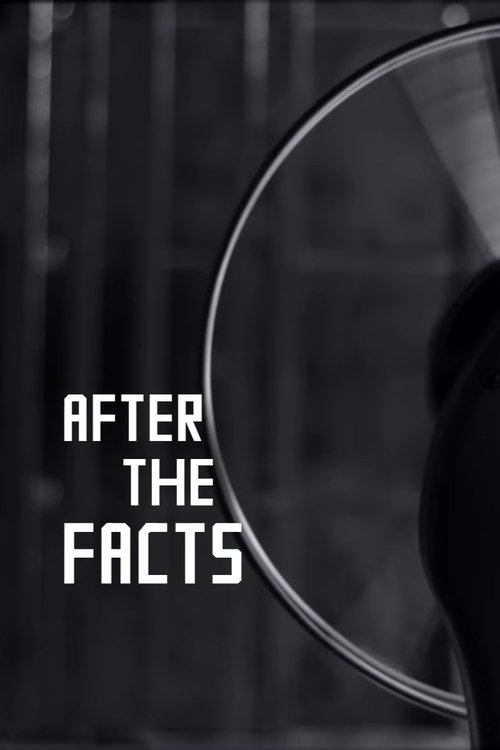
In the early years of cinema, editors were usually women. This short documentary looks at how they wielded power, and how their work was made invisible.
After the Facts
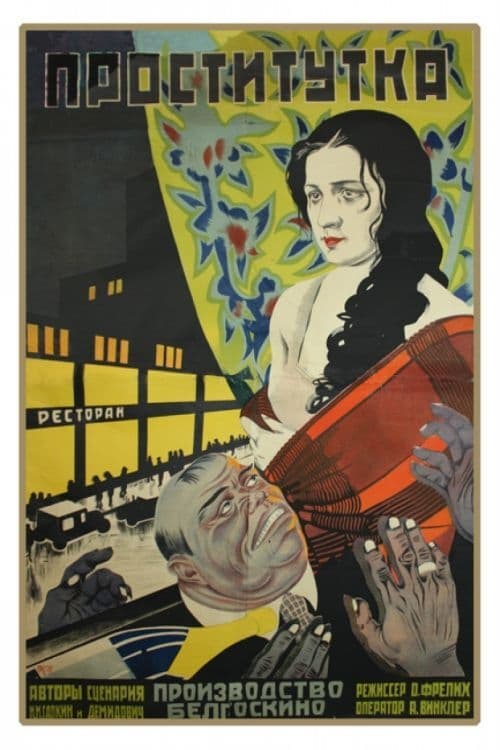
A bold study on the dangers of prostitution in the Soviet Union in the 1920s. It's sort of dramatic fiction that tells the story of Lyuba, which after irremediable events, loses his honor, being obliged to exercise the oldest profession in the world to survive. She hopes for better days and a new opportunity. The film also shows us the story of two other women who also need hope.
Prostitute
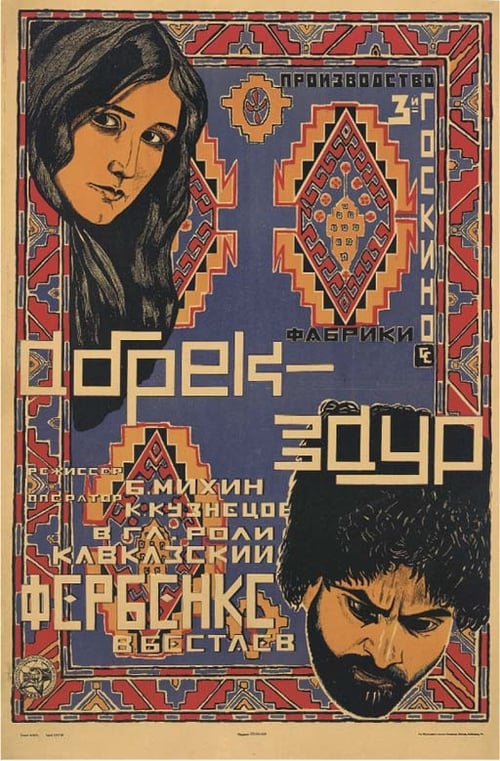
The dashing mountaineer Zaur (B. Bestaev) kills a Russian "imperialist" thereby becoming an abrek, member of a roving band of outlaws.
Abrek Zaur
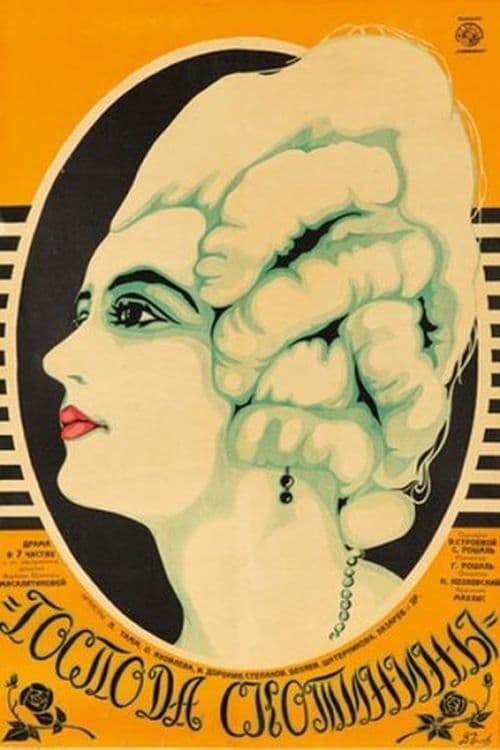
A comedy starring Nina Shaternikova, The Skotinins is loosely based on the 18th century play The Minor by Denis Fonvizin. In it, the upper class is shown as both depraved and stupid, engaging a variety of absurd, over-the-top follies.
The Gentlefolks of Skotinin
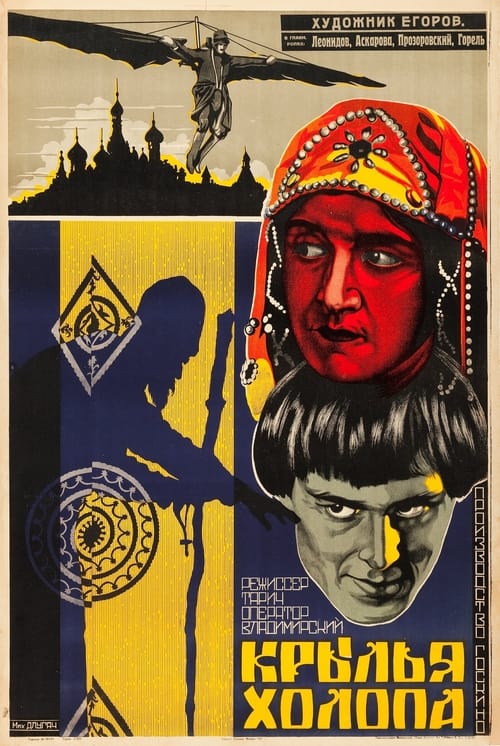
This SovKino production was a major early experiment in Soviet historical film about the oprichnina period of Muscovite history, combining the costumed drama and Gothic thrills of the genre with historical materialist commentary on the dialectical collision of scientific progress and patriarchal religious tyranny under Tsar Ivan the Terrible. It follows a self-taught inventor from the serf class Nikishka, whose efforts to build a flying machine incite accusations of witchcraft. Nikishka and his beloved Fima are persecuted by the feudal lord Kurlyatev, who took their village in a petty land squabble. They’re rescued when Kurlyatev’s lands are taken by the Tsar in his autocratic campaign against the feudal system. Ivan puts Nikishka to work in his linen mill, where the young serf is coveted by Tsarina Maria Temryukovna, who the Tsar’s been ignoring in favor of his cupbearer Feodor. A series of harrowing intrigues wind a bloody dance through bedchamber, feast hall, cathedral and dungeon.
Wings of a Serf
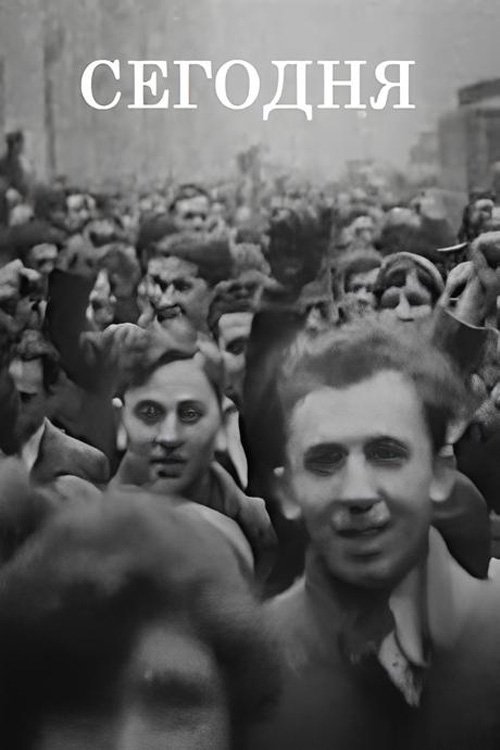
A visual composition of the world.
Today
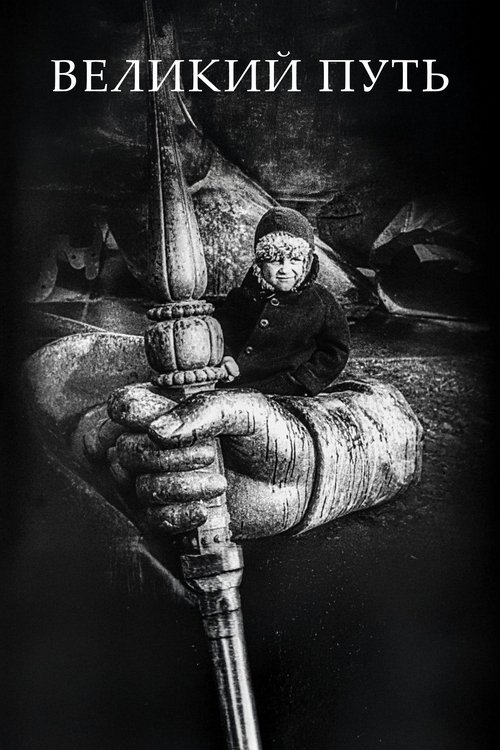
The Great Road (1927) is a Soviet silent documentary directed by Esfir Shub. Serving as the second part of her trilogy on Russian history—between The Fall of the Romanov Dynasty (1927) and Lev Tolstoy and the Russia of Nicolai II (1928)—the film chronicles the revolutionary path of the Soviet Union, assembling archival footage to depict the struggle, transformation, and aspirations of the early Soviet state.
The Great Road
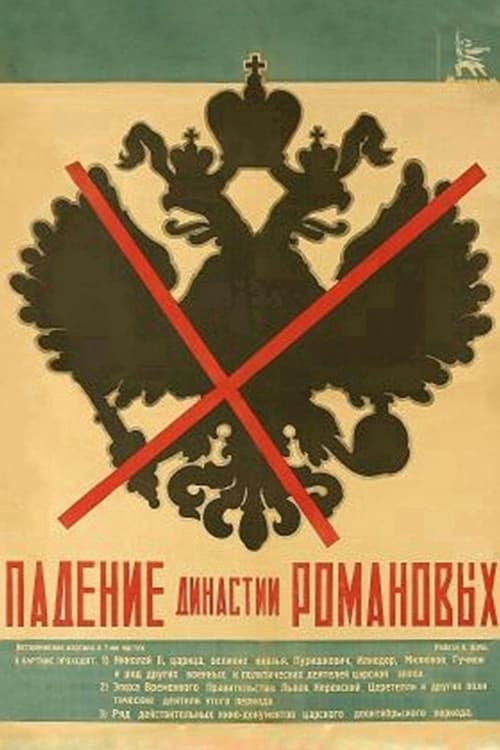
A compilation of newsreels shot between 1913 and 1917 - the years leading up to the Russian Revolution.
The Fall of the Romanov Dynasty
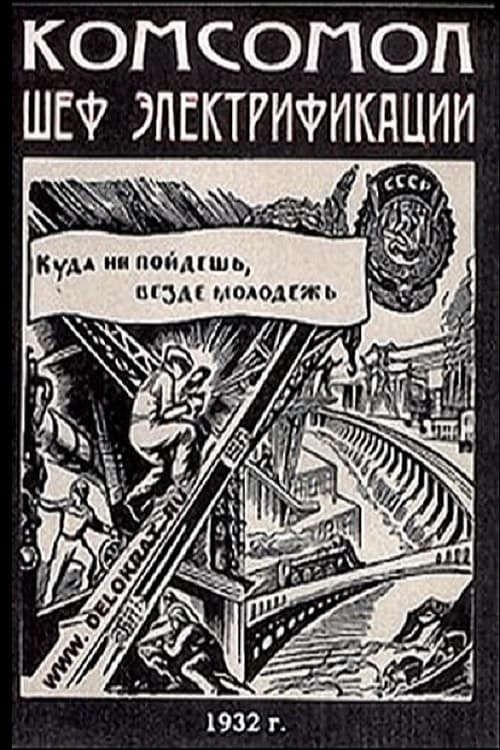
In this pioneering documentary, one of the earliest Soviet sound films, Shub shot a contemporary chronicle of the progress of establishing electricity across the Soviet nation, a struggle spearheaded by the Komsomol.
The Komsomol - Chief of Electrification
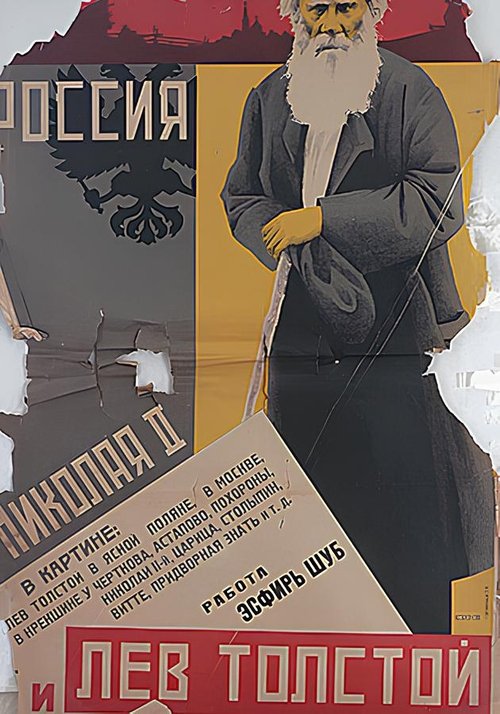
Lev Tolstoy and the Russia of Nicolai II is a 1928 Soviet silent documentary film directed by Esfir Shub. The film is considered lost. Lev Tolstoy and the Russia of Nicolai II is the final film in Esfir Shub's trilogy of films that began with The Fall of the Romanov Dynasty (1927) and continued with The Great Road (1927).
Lev Tolstoy and the Russia of Nicolai II

A feature-length documentary based on film reports from the Spanish civil war.
Spain

The film tells about the life and work of the outstanding figure of Russian cinema Esfir Ilyinichna Shub.
Esfir Shub in Close-Up

No description available.
Hoy ( Segodnya )
А Soviet documentary film about Turkey.
Turkey at the Turning Point
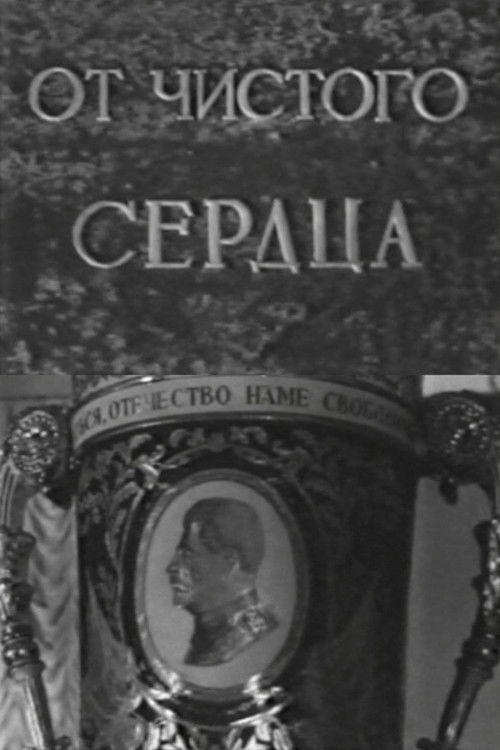
A film record of the gifts and gift-givers to comrade Stalin on the occasion of his 70th birthday in 1948. The majority of the action takes place in the Halls of Gifts to Comrade Stalin in the Museum of the Revolution in Moscow.
With Heartfelt Sincerity

Propaganda film presenting the Soviet side of the Iran crisis of 1946 and the short-lived Azerbaijan People's Government.
On the Other Side of the Araks
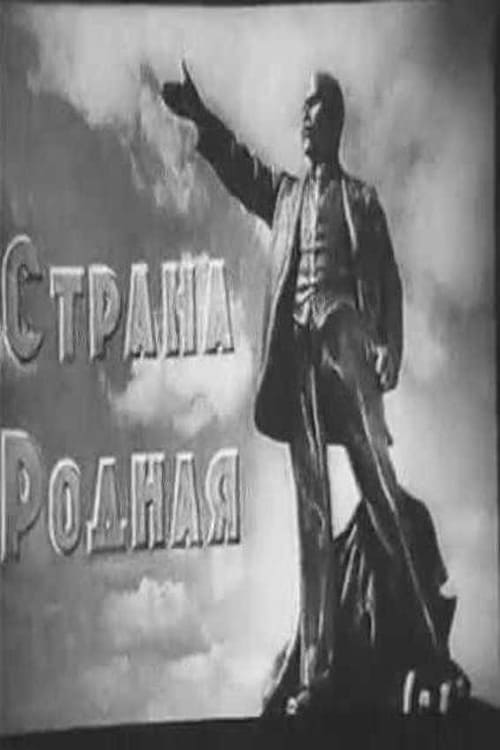
A commemoration of the 25th anniversary of the October Revolution, Native Land praises the early years of the Soviet Union.