Writing
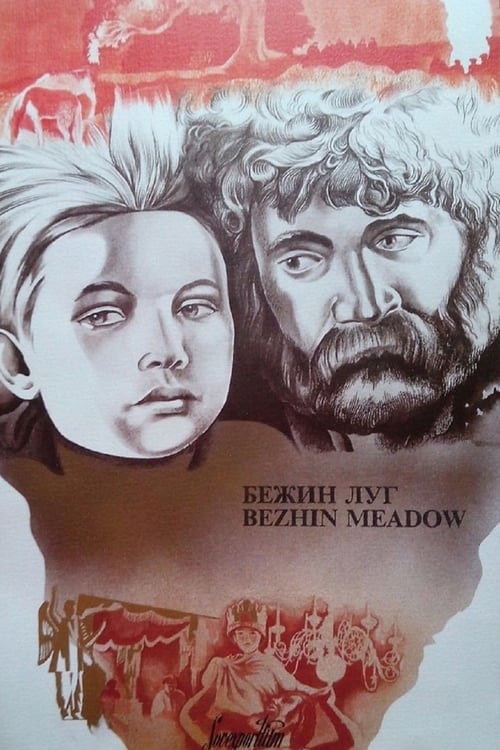
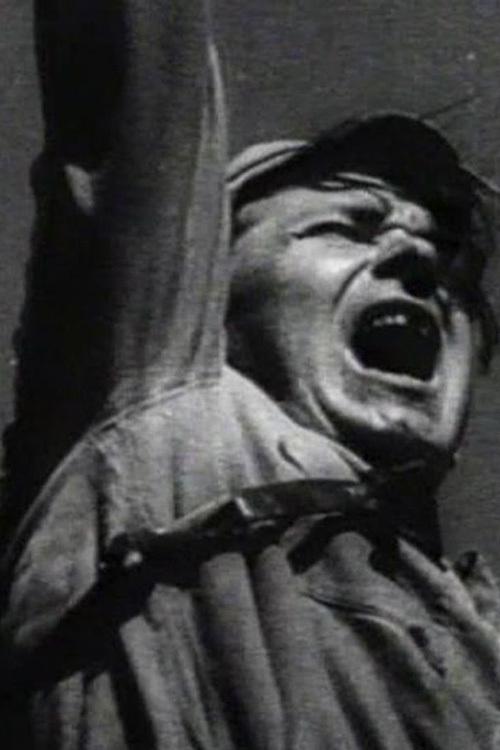
Bezhin Lug (Bezhin Meadow) was to be a Soviet film about a young farm boy whose father attempts to betray the government for political reasons by sabotaging the year's harvest, and the son's efforts to stop his own father to protect the Soviet state, culminating in the boy's murder and a social uprising. Assigned to Soviet film-maker Sergei Eisenstein, the filming followed the same path as with his previous effort, "Que Viva Mexico", into cost overrun and over-shooting of footage. Furthermore, Eisenstein's usage of forbidden experimental film techniques outraged his government superiors, who ordered the film destroyed before it was even completed. All that survives are the first and last frames of each shot, preserved by Sergei Eisenstein’s wife, Pera Atasheva. The 1967 reconstruction, by Naum Kleiman of the Eisenstein Museum and Sergei Yutkevich of Gosfilmofond, places these frames in order, approximating the original film.
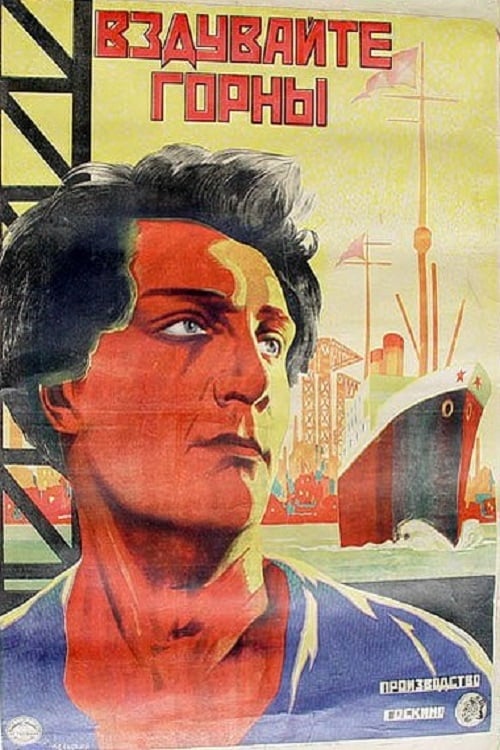
Engineer Dukalsky arrives from Moscow on the instructions of an underground anti-Soviet center to the Baltic Shipyard in order to take possession of the blueprints of a powerful ship engine. The pest meets the author of the project - a young and incorruptible self-taught master Ivanov. After a series of unsuccessful attempts to buy out or steal the drawings from the author, Dukalsky decides to take Ivanov with him. Criminal Investigation Officers will attack the trail of criminals.
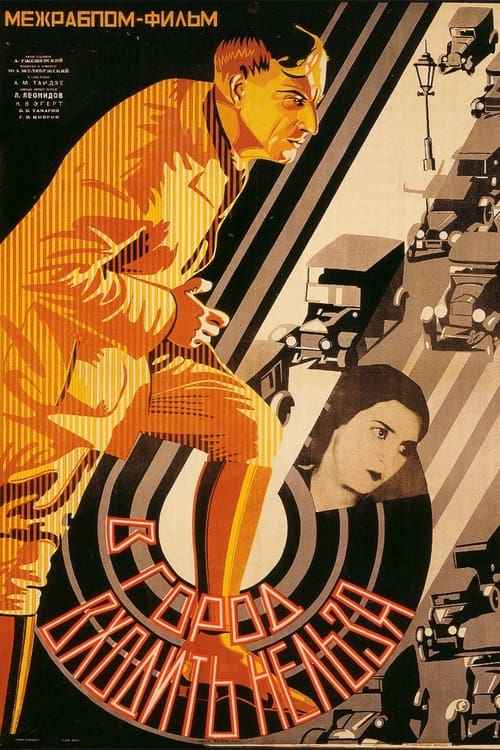
Directed by Yuri Zhelyabuzhsky.
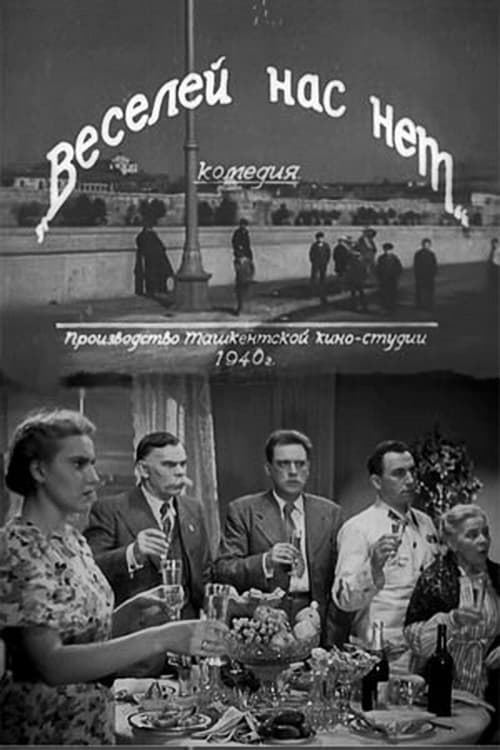
A young man, Russian by nationality, goes to a Turkmen bride in a remote border village, not knowing that his large family decides to surprise him and also goes to Turkmenistan to meet the bride and her parents. The chain of comic misunderstandings ends with an episode of a skirmish on the border with saboteurs.
As a response to criticism for the allegedly excessive “mass appeal” of his earlier epic STORM OVER ASIA (1928), Vsevolod Pudovkin unleashed his flair for experimentation in what was supposed to be the director’s first sound feature. Everything went wrong: technical problems forced him to complete the film as a silent; viewers were baffled by the lack of a recognizable plot; then, the ideological climate of the Soviet Union changed. He was now being blamed for catering to bourgeois taste! Time has come to set the record straight. Here’s lyrical cinema at its best, deliberately operatic and yet intimate as it matches the characters’ inner life with the solemn rhythms of nature, and depicted through breathtaking black-and-white photography. A sensation at last year’s Pordenone fest, Pudovkin’s long-forgotten swan song to the art of montage is resurrected by Gabriel Thibaudeau’s emotionally charged live music performance. –PCU (USSR, 1930, 75m)