FEEL IT.STREAM
Manfred Kirchheimer

Manfred Kirchheimer

Directing

Biography

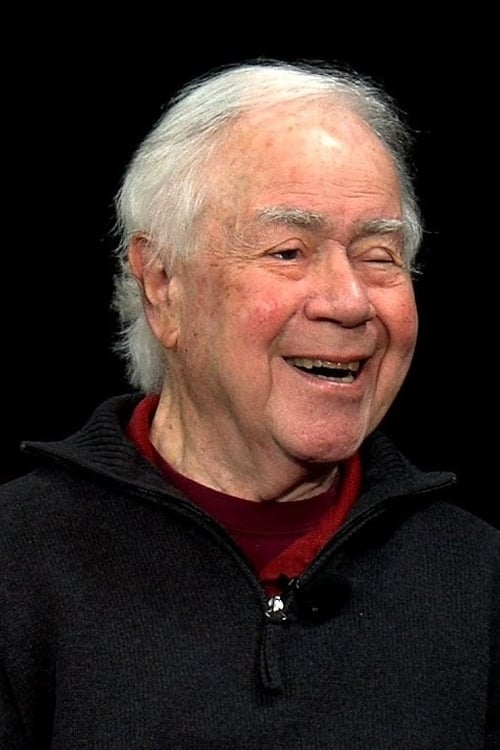
Manfred Kirchheimer is a documentary film maker and professor of film at the School of Visual Arts in New York City. He previously taught at NYIT. He was born in Saarbrücken, Germany, and his family moved to New York City in 1936 to escape Nazi Germany.
Known For

Tall: The American Skyscraper and Louis Sullivan
5.7

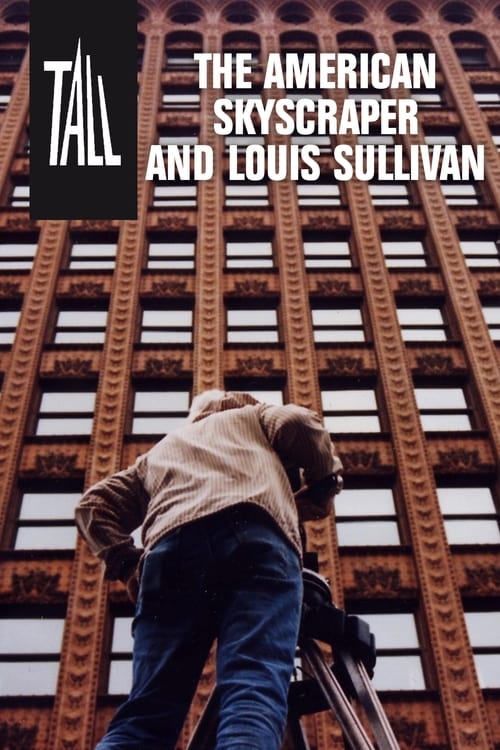
Documentary about New York skyscrapers.

Tall: The American Skyscraper and Louis Sullivan

2006
An Essay on Death: A Memorial to John F. Kennedy
N/A

In 1964, National Educational Television decided to make a program as a memorial to President Kennedy. Since he had been assassinated just a year before, it seemed unnecessary to recite the events of his death again. Executive Producer, Brice Howard, discussed with Hurwitz the possibility of making a film for television that, instead of engaging the assassination head on, would deal with the inevitablity of mortality and its trauma. Essay On Death uses a story of a camping trip by a father and son to weave the thoughts about death that intercede in our everyday affairs. The commentary is made up of writings, ancient and modern, on the life and death. Beautifully realized, it succeeds at a task that mainstream television rarely attempts.

An Essay on Death: A Memorial to John F. Kennedy

1964
Stations of the Elevated
7.5

Stations of the Elevated exposes viewers to an underground art scene- that is, one found exclusively on the sides of subways and train cars. A moving portrait of late-70's NYC, the film boasts a soundtrack by jazz legends Charles Mingus & Aretha Franklin.

Stations of the Elevated

1981
Eisenstein’s Mexican Film: Episodes for Study
8.5

"Eisenstein journeyed to Mexico in late 1930 to begin shooting a film. With backing provided by Upton and Mary Craig Sinclair, the great Soviet auteur planned to make an epoch-spanning pageant of Mexico’s political history and cultural iconography, moving from the pre-Columbian era through colonization and, finally, revolution ... with the project running over budget the film was shut down. Sinclair eventually deposited the film materials at MoMA in 1953, at which point the scholar Jay Leyda assembled and annotated the shots, ordering them according to the filmmaker’s plans and presenting the images just as they had been shot, unedited ... here one is given the opportunity to attend to Eisenstein in an entirely different way, and aspects that might otherwise be overshadowed come to the fore: the way he works with nonprofessional actors, for example, or the striking mise-en-scène." - MoMA

Eisenstein’s Mexican Film: Episodes for Study

1955
For Life, Against the War
6.0

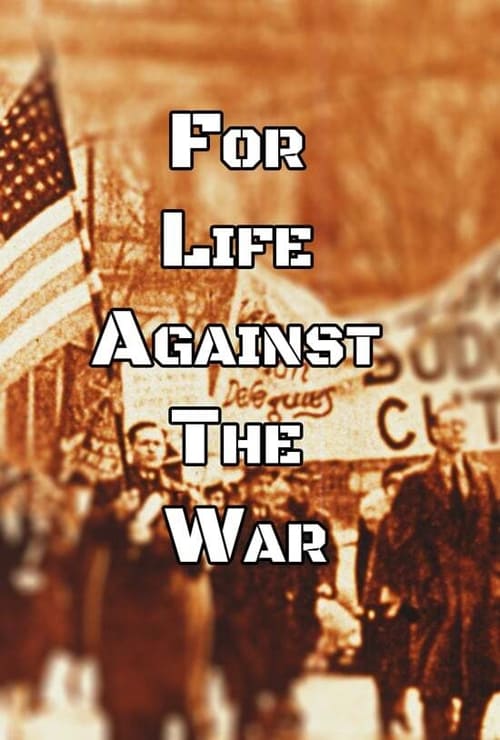
First shown on January 30, 1967, FOR LIFE AGAINST THE WAR was an open-call, collective statement from American independent filmmakers disparate in style and sensibility but united by their opposition to the Vietnam War. Part of the protest festival Week of the Angry Arts, the epic compilation film incorporated minute-long segments which were sent from many corners of the country, spliced together and projected. The original presentation of the works was more of an open forum with no curation or selection, and in 2000 Anthology Film Archives preserved a print featuring around 40 films from over 60 submissions.

For Life, Against the War

1967
In Search of Hart Crane
N/A

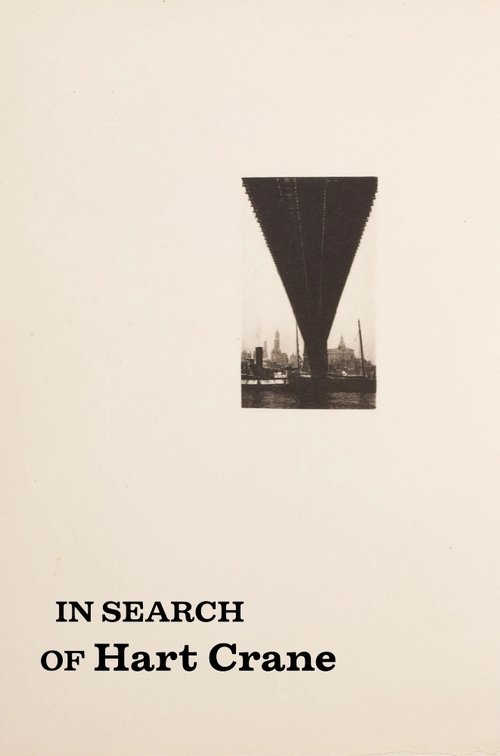
Produced and directed by Hurwitz for National Educational Television (precursor of PBS), Hurwitz uses biographer and Columbia professor, John Unterecker, to help him look for the poet, Hart Crane, in his work and in the memories of many of his contemporaries. In Search of Hart Crane, 1966, is one of the very first interview-driven documentaries and is still a masterpiece of the literary documentary film.

In Search of Hart Crane

1966
The Sun and Richard Lippold
6.4

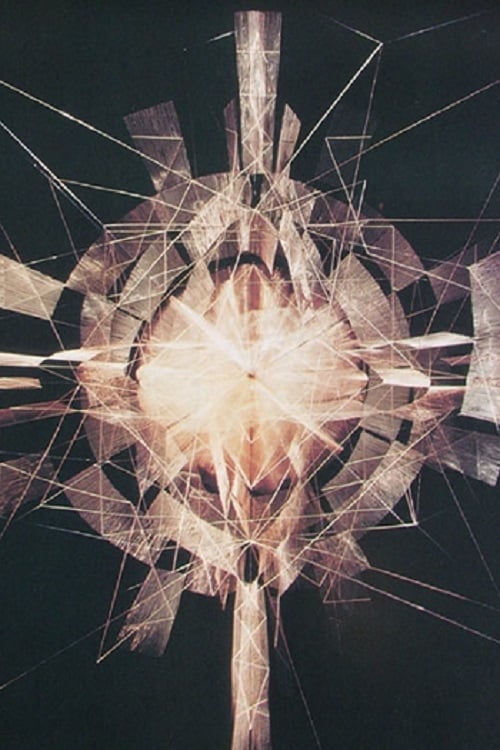
Documentary examining the work of sculptor Richard Lippold, particular his sculpture of the sun at the Metropolitan Museum of Art.

The Sun and Richard Lippold

1966
No image
5.5

The anger and outrage captured by graphic artists have defined revolutions through the centuries. Printmakers have depicted the human condition in all its glories and struggles so powerfully that perceptions, attitudes and politics have been dramatically influenced. And the value and impact of this art is even more important today. In the new documentary, ART IS... THE PERMANENT REVOLUTION, three contemporary American artists and a master printer help explain the dynamic sequences of social reality and protest. Among the wide range of 60 artists on display are Rembrandt, Goya, Daumier, Kollwitz, Dix, Masereel, Grosz, Gropper, and Picasso. While their stirring graphics sweep by, the making of an etching, a woodcut and a lithograph unfolds before our eyes, as the contemporary artists join their illustrious predecessors in creating art of social engagement.

Art Is... The Permanent Revolution

2012
No image
N/A

Manfred kirchheimer featurette

Short Circuit

1973
Cinema and Sanctuary
N/A

The astonishing story of the first documentary film school in the USA—The Institute of Film Techniques at The City College of New York. This groundbreaking program exposed thousands of working-class kids raised on Hollywood movies to the power of documentary film - all under the watchful eye of DADAist, pioneering experimental filmmaker and radical thinker, Hans Richter.

Cinema and Sanctuary

2019
My Coffee With Jewish Friends
N/A

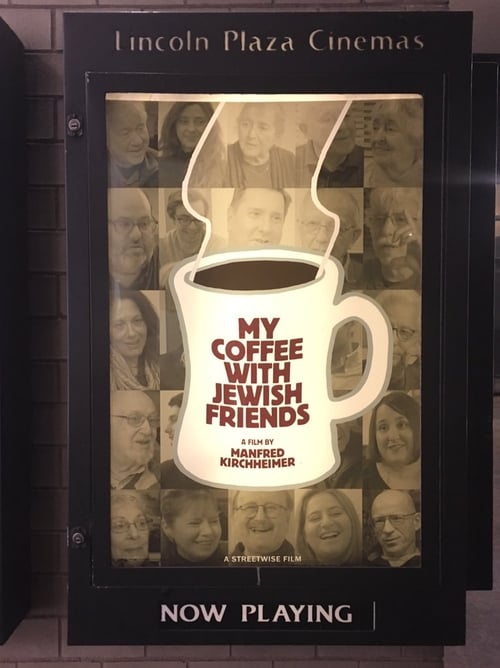
A humorous and illuminating series of coffee klatches with 20 friends that proves the old adage, “Where you have two Jews, you have three opinions.” Ranging in age from 18 to 85, and in experience from greenhorn to Pulitzer-Prize winner, the film’s subjects kibitz over all manner of concern, from Israel to tight pants, gay rights, and the place of women at the Wailing Wall.

My Coffee With Jewish Friends

2017
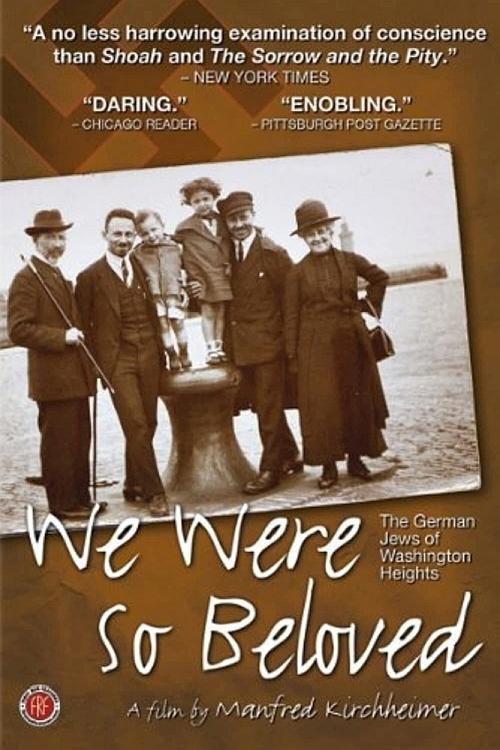
We Were So Beloved
N/A

Filmmaker Manfred Kirchheimer gained the trust of holocaust survivors living in New York's Washington Heights who agreed to talk to his cameras. But what they told him went so far against the grain that it could only be described as controversial.

We Were So Beloved

1986
This Island
7.0

How the art in the Detroit Institute of Art connects to life's experiences and the neighborhood.

This Island

1970
No image
N/A

Passage across a suspension bridge, moving from the country to the city, a half minute trip ­expanded. Choreographed cables, girders and arches.

Bridge High

1975
Dream of a City
N/A

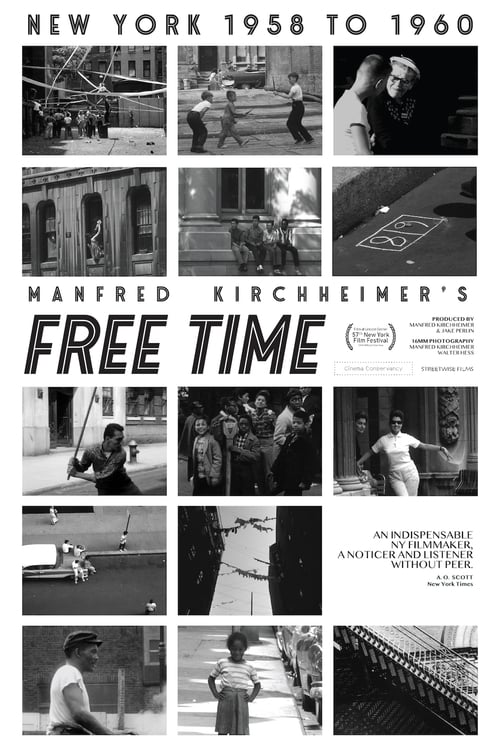
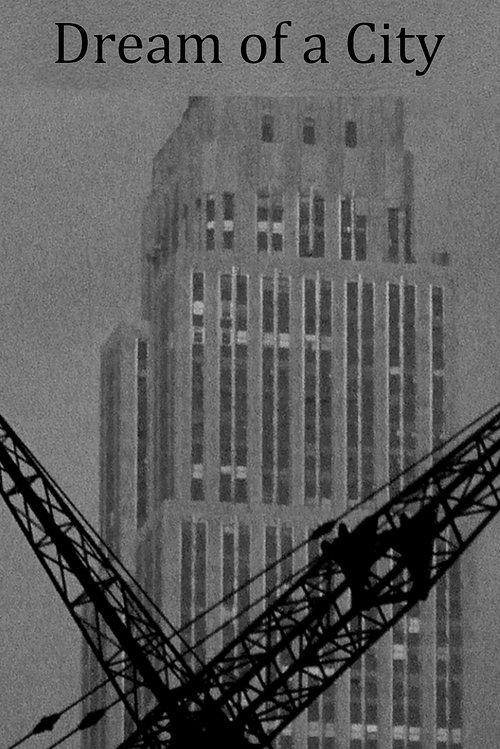
Between 1958 and 1960 Walter Hess and Manny Kirchheimer shot black and white 16mm film from Wall Street to midtown New York to the Delaware River. They documented the activities at a huge construction site, street life in Hell’s Kitchen, New York harbor traffic, and rare glimpses of nature. Then the footage was left unedited. In 2017 Kirchheimer (DISCOVERY IN A PAINTING, TALL: THE AMERICAN SKYSCRAPER AND LOUIS SULLIVAN, STATIONS OF THE ELEVATED) took up the challenge of editing it. Once the picture was set he searched for music and sound effects that would mesh with the surrealism of the material. The result is a dynamic and compact symphony of a city.

Dream of a City

2018
Canners
N/A

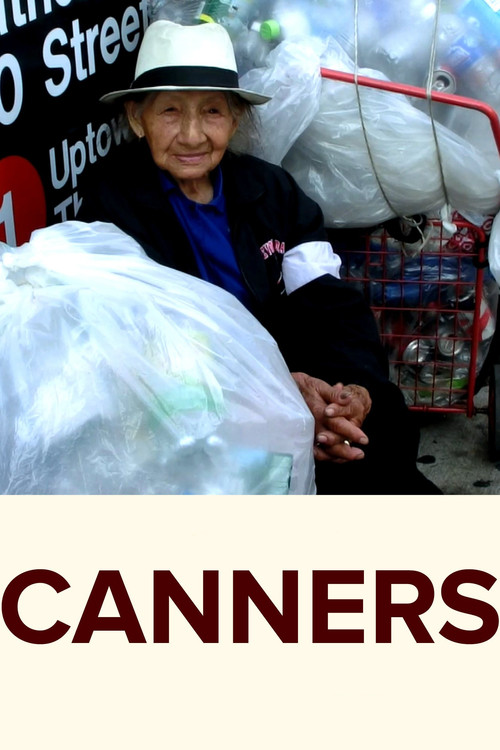
Rummaging through city trash for hours and miles, New York’s gleaners gather and recycle soda cans for a nickel apiece. The stories they tell are full of humor, violence, tragedy, and resilience. As Kirchheimer’s documentary reveals, however, their tireless labor is ignored or scorned, but for the occasional doorman or Good Samaritan who chooses to lend his hand rather than avert his gaze.

Canners

2015
No image
N/A

A documentary of SS United States on New York port.

Colossus on the river

1965
Discovery in a Painting
N/A

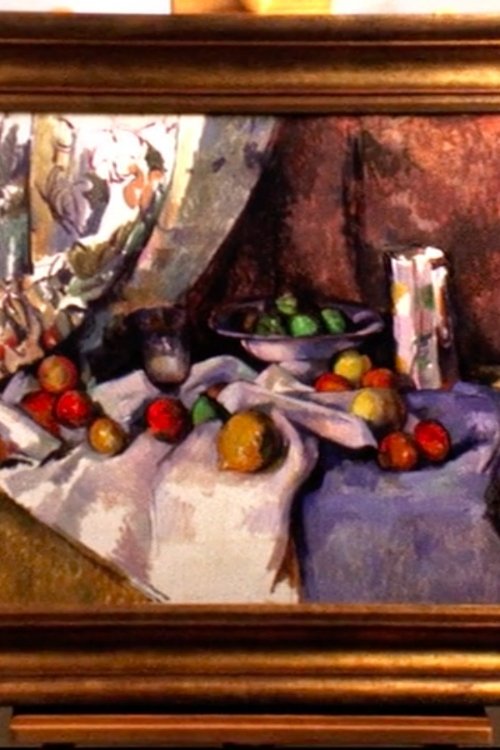
Following his use of art, painting and sculpture, in his work of the previous decades, Hurwitz took on a project for the American Foundation of the Arts aimed at deepening and enriching, for art students, the way in which we see. Working with his second wife, the editor Peggy Lawson, he made four short films comprising The Art of Seeing Series. The films, made without words, are beautiful poems to the pleasure of sight. This film came as a challenge that Hurwitz made for himself, to replicate in film his experience of seeing a work of art — in this case Césanne’s Still Life with Apples, 1895-98, that hangs in the Museum of Modern Art in New York. Although he finished the visual part of the film, he was stymied by the soundtrack in which he wanted no narration. About 45 years later, his colleague, Manfred Kirchheimer, created a sound track and produced the finished film.

Discovery in a Painting

2016
Free Time
8.0

Meticulously restored and constructed 16mm black-and-white footage shot in New York between 1958 and 1960. This lustrous evocation of a different rhythm of life captures the in-between moments—kids playing stickball, window washers, folks reading newspapers on their stoops—and the architectural beauty of urban spaces, set to the stirring sounds of Ravel, Bach, Eisler, and Count Basie.

Free Time

2019
No image
N/A

Crafted from the endless wealth of images filmed in 16mm on a Bolex by Kirchheimer and Walter Hess, Up the Lazy River is the conclusion of the triptych begun with Dream of a City and Free Time. Beginning with paired images of boulders planted in the middle of the urban landscape and outside the city, the connection between the beauty of the city and the natural world begins to form. There are modern skyscrapers above, and the horse-drawn carriages below. The film is filled with motifs that Kirchheimer has made his own: the camera traveling majestically through buildings, pointing skyward, light reflecting off glass, sweeping through the streets filming storefronts and daily life, always with an uncanny ability to capture small moments between neighbors, and the faces of a metropolis, culminating to the ecstatic sound of Louis Prima and the peaceful sounds of the river. Look close: you will even catch a glimpse of Manny himself.

Up the Lazy River