
Kivu Ruhorahoza
Directing
Known For
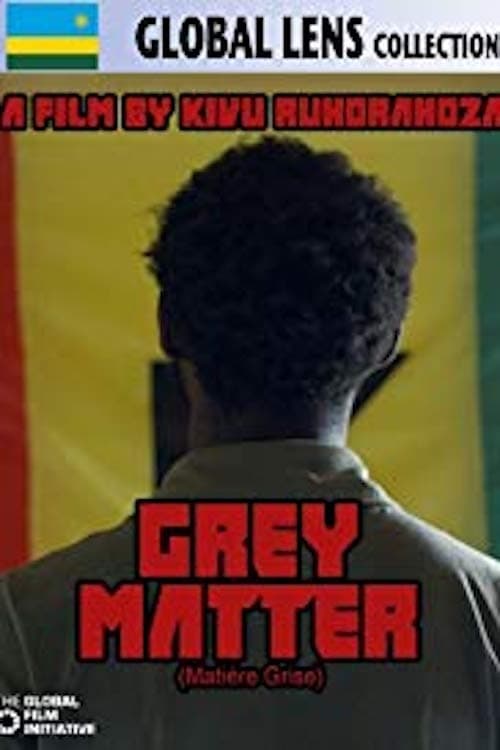
Balthazar is a young African filmmaker on the brink of directing his first project, The Cycle of the Cockroach, a fictional story about a young woman who survived unspeakable atrocities only to find herself committed to the same mental institution as a man driven insane by the crimes he perpetrated during the war. Potential funders for the film insist the themes are too bleak and pessimistic-they encourage Balthazar to make a "message" film that raises awareness about gender-based violence or HIV/AIDS instead. But he refuses to give up. Instead of telling his production team the news, Balthazar continues preparations for the film without financing or equipment. After rehearsing a scene with each of the characters, reality blurs and scenes from the script materialize, provoking the question: Can a film like this exist only in the director's dreams? Armed with a daring and creative visual language...
Grey Matter

A hybrid film set in London by a Rwandan director, exploring a threeway relationship between a mysterious Nigerian man, a British woman and her ex. After his death, Simon appears to the ex as a ghost to tell his story, demanding a presence that was denied him as an asylum seeker. British and European political furor threaten both the director’s film plans and his stay in the UK. The fictional scenes are intercut with scenes of demonstrations.
Europa, “Based on a True Story”
An unusual African film with a powerful visual narrative style and an experimental electronic score. The Aimless Wanderer of the title is a white man making an African travelogue. He meets a local girl who soon disappears. Little by little, fear and paranoia overcome him.
Things of the Aimless Wanderer
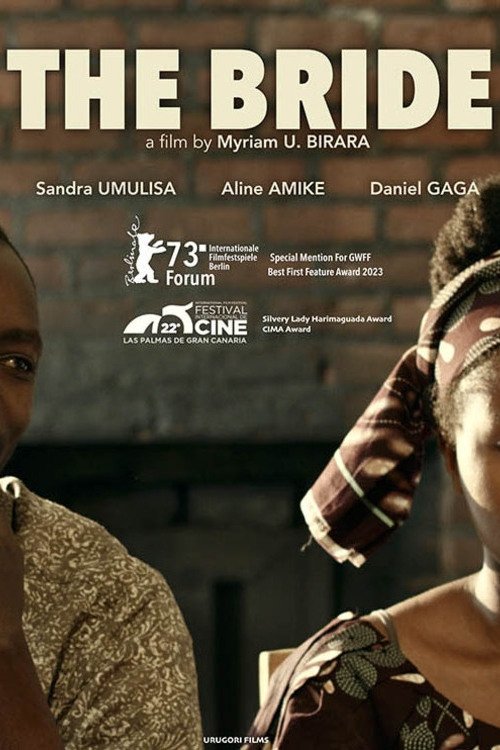
Eva, a young Rwandan woman, dreams of attending medical school. But her aspirations are interrupted when she is kidnapped by a group of men as a part of the Guterura rite of enforced marriage. Abandoned by her family, she struggles to cope with the grim reality of her new life with her new husband Silas and his cousin. While Silas is away working, the two young women form a tender connection as they spend their days doing household chores, beading, making tea, and swapping family histories and memories of the genocide. Despite this newfound ally, Eva contemplates running away to a life of freedom.
The Bride
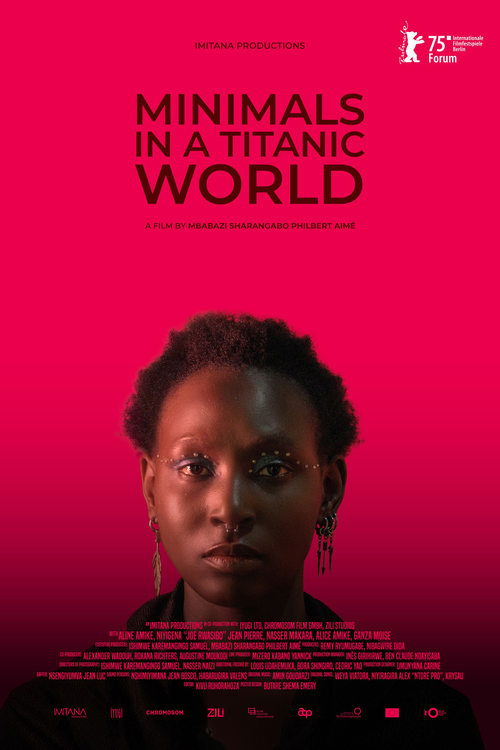
Fresh out of jail, Anita is supposed to control her aggression. Physical warmth, grief and intimacy. Almost without plot, the film draws on light, colour, style, dance and great music to enter a group of friends with someone missing at its heart.
Minimals in a Titanic World
Thirteen years after the genocide, we meet a family man in Rwanda who suffers from a bad conscience. The evening before the genocide started he raped a young woman and left her to her self. He has been unable to forget her ever since.
Confession
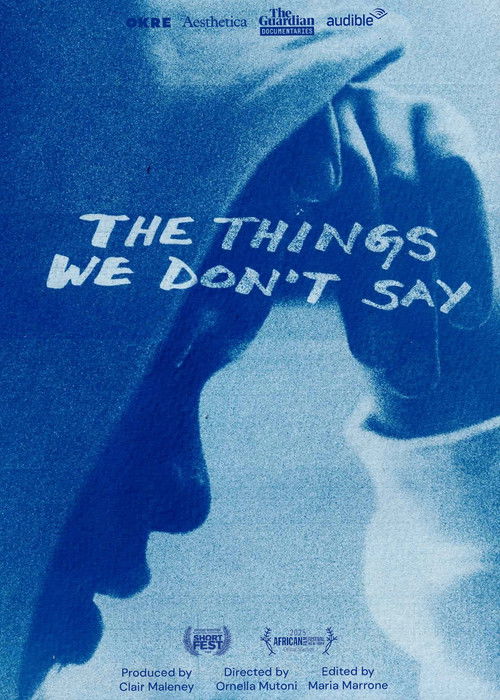
30 years after the genocide that tore apart their mothers’ worlds, a group of young Rwandans confront the family secrets and the wounds their generation is carrying. They are led by Emilienne, a therapist and genocide survivor, to try to break cycles of intergenerational trauma together.
The Things We Don’t Say
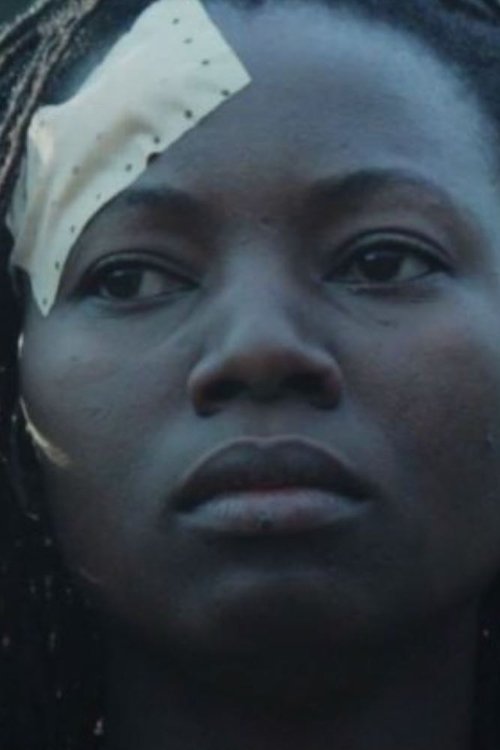
A young woman goes back to her native village fleeing from an abusive marriage and looking for emotional support. However, she will find herself facing the hostile attitude of her family and social norms ruling what a real woman should be.
Home
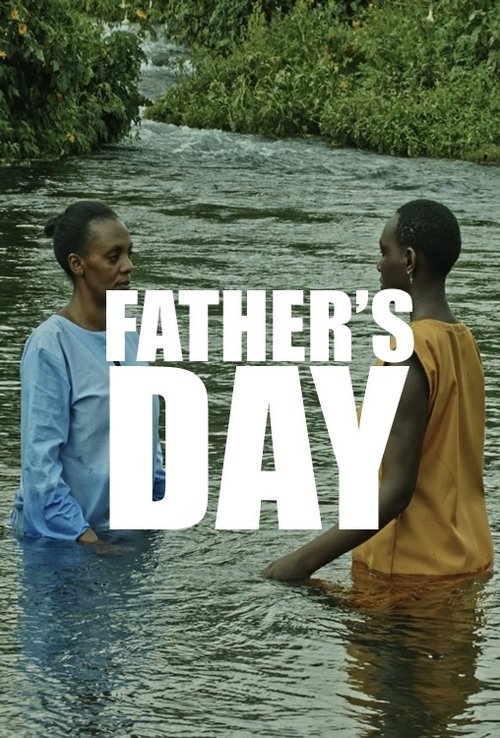
Three family stories intersect in present-day Rwanda: a mother tries to cope with the loss of her son, a young woman takes care of the ailing father she never truly loved, and a small-time criminal prepares his son for a life of living by his wits.
Father's Day
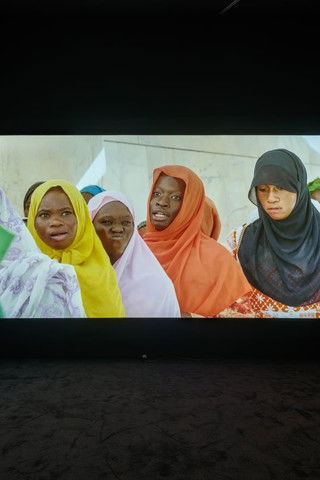
The work emerged from time spent by the two filmmakers in Senegal after the postponement of Dak’Art Biennial in 2024. Taking inspiration from the celebrated poem “Spirits” by Birago Diop, which asserts that “the dead are not really dead,” the work presents scenes from the daily life of the Senegalese capital and invites us to “listen more often to things than beings.” In so doing, it develops the question posed by the poem: at what point in history and from what level of political, artistic, or spiritual impact does an ancestor escape their descendants to become the ancestor of all? Whispers offers reflections on the bonds that extend beyond a single lifetime into a distant future.