FEEL IT.STREAM
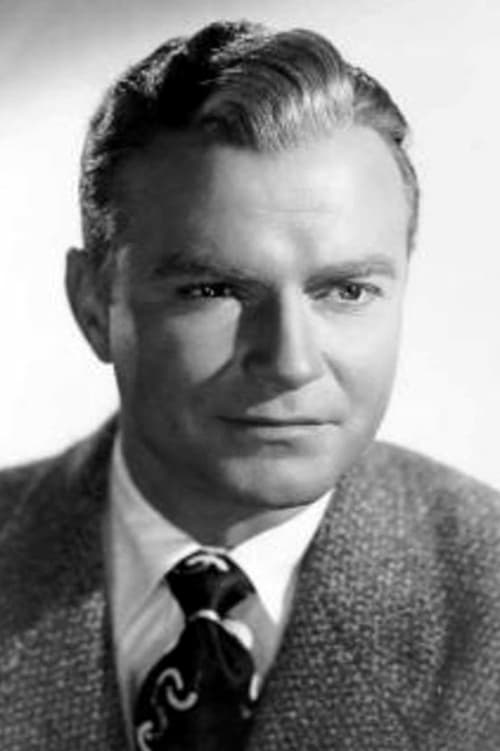
Don 'Red' Barry

Don 'Red' Barry

Acting

Biography

Donald Barry went from the stage to the screen. After four years of playing villains and henchmen at various studios, Barry got the role that changed his image: Red Ryder in the Republic Pictures serial Adventures of Red Ryder (1940). Although he had appeared in westerns for two years or so, this was the one that kept him there. He acquired the nickname "Red" from his association with the Red Ryder character. After the success of "Red Ryder" Barry starred in a string of westerns for Republic. Studio chief Herbert J. Yates got the idea that Barry could be Republic's version of James Cagney, as he was short and had the same scrappy, feisty nature that Cagney had. Unfortunately, while Barry could in fact be a good actor when he wanted to be -- as he showed in the World War II drama The Purple Heart (1944) -- his "feistiness", combative nature and oversized ego caused him to alienate many of the casts and crews he worked with at Republic (ace serial director William Witney detested him, calling him "the midget", and director John English worked with him once and refused to ever work with him again). Barry made a series of westerns at Republic throughout the 1940s, but by 1950 his career had pretty much come to a halt, and he was reduced to making cheaper and cheaper pictures for bottom-of-the-barrel companies like Lippert and Screen Guild. Barry continued to work and still appeared in westerns up through the 1970s, but they were often in small supporting roles, sometimes unbilled. In 1980 he committed suicide by shooting himself.
Known For

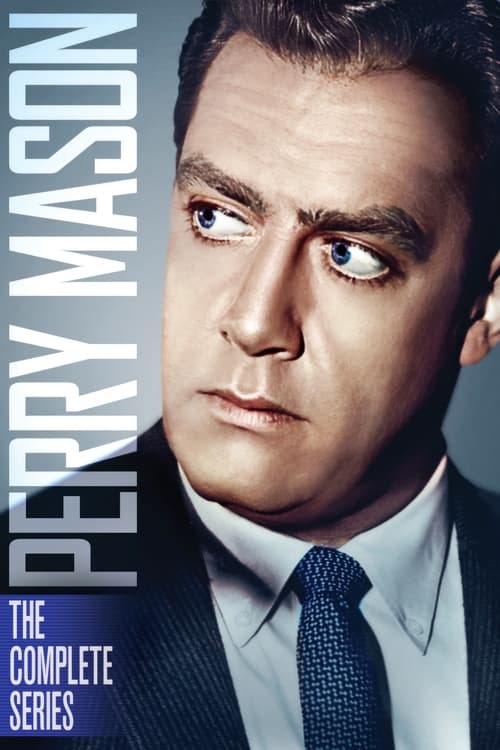
Perry Mason
7.7

The cases of master criminal defense attorney Perry Mason and his staff who handled the most difficult of cases in the aid of the innocent.

Perry Mason

1957
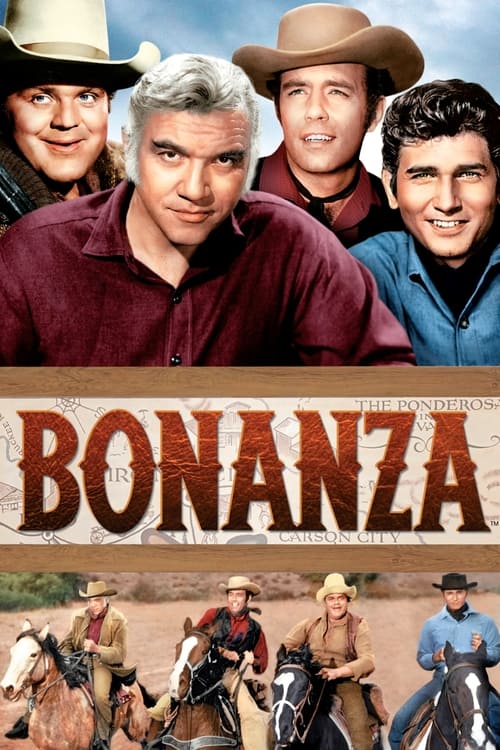
Bonanza
7.5

The High-Sierra adventures of Ben Cartwright and his sons as they run and defend their ranch while helping the surrounding community.

Bonanza

1959
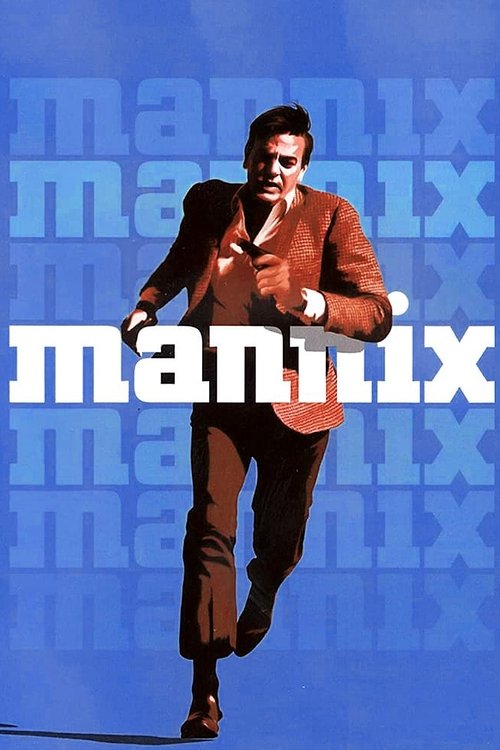
Mannix
6.7

Mannix is an American television detective series that ran from 1967 through 1975 on CBS. Created by Richard Levinson and William Link and developed by executive producer Bruce Geller, the title character, Joe Mannix, is a private investigator. He is played by Mike Connors. Mannix was the last series produced by Desilu Productions.

Mannix

1967
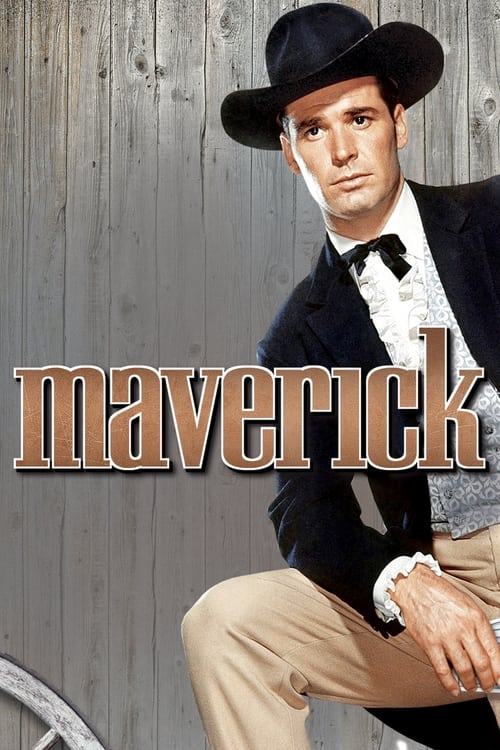
Maverick
6.9

The Maverick boys - Bret, Bart, Beau and Brent - are a clan of well-dressed dandies, gamblers who'd much rather make their money playing cards than messing up their fine clothing with actual work. Sly and clever, none of the Mavericks are much for acts of derring do, but they can be courageous when the situation calls for it. Most often, however, they live by their wits and considerable charm.

Maverick

1957
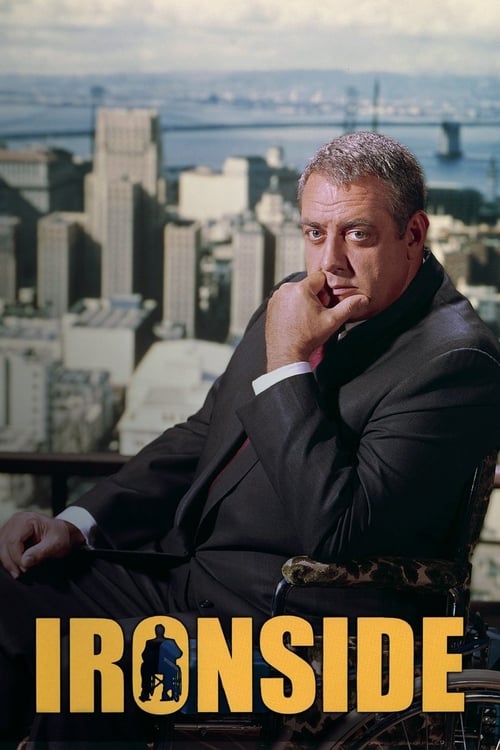
Ironside
6.9

When an assassin's bullet confines him to a wheelchair for life ending his career as Chief of Detectives, Robert T. Ironside becomes a consultant to the police department. Detective Sergeant Ed Brown and policewoman Eve Whitfield join with him to crack varied and fascinating cases. Ex-con Mark Sanger is employed by the chief as home help but eventually becomes a fully fledged member of the team also. Officer Whitfield leaves after 4 years service, and is replaced by Officer Fran Belding.

Ironside

1967
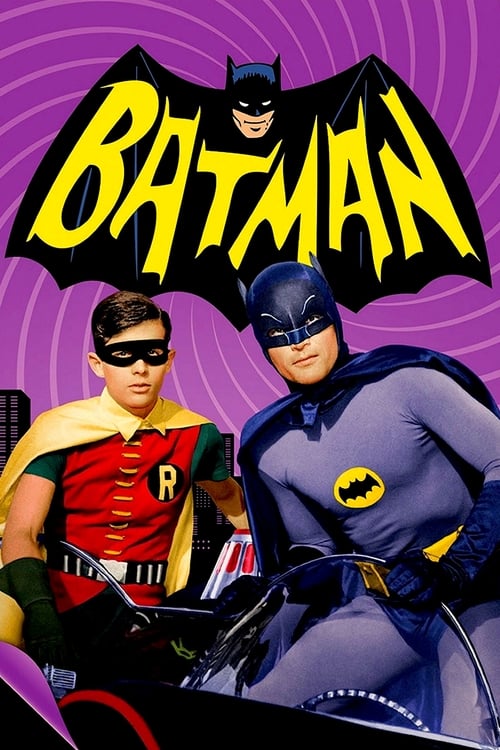
Batman
7.3

Wealthy entrepreneur Bruce Wayne and his ward Dick Grayson lead a double life: they are actually crime fighting duo Batman and Robin. A secret Batpole in the Wayne mansion leads to the Batcave, where Police Commissioner Gordon often calls with the latest emergency threatening Gotham City. Racing to the scene of the crime in the Batmobile, Batman and Robin must (with the help of their trusty Bat-utility-belt) thwart the efforts of a variety of master criminals, including The Riddler, The Joker, Catwoman, and The Penguin.

Batman

1966
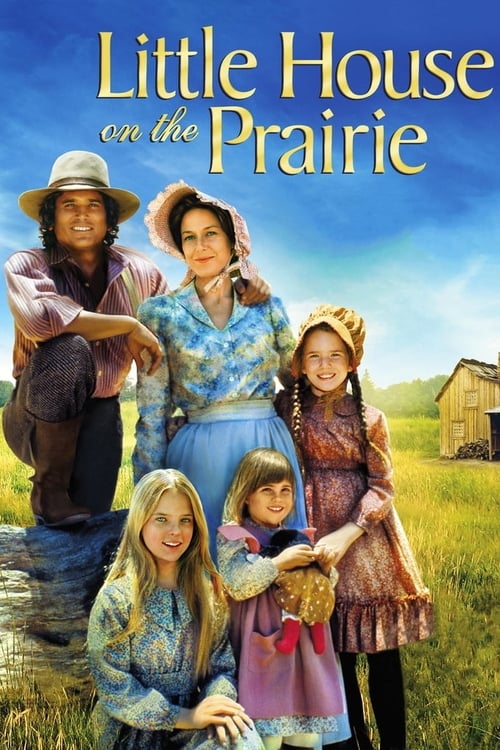
Little House on the Prairie
7.9

When the big woods of Wisconsin becomes a difficult spot for hunting, Charles Ingalls reluctantly decides to move his family, pioneering west. Their life on the farm in Walnut Grove, Minnesota, in the 1870s and 1880s is full of adventure, tragedy, and triumph. Based on the books of Laura Ingalls Wilder.

Little House on the Prairie

1974
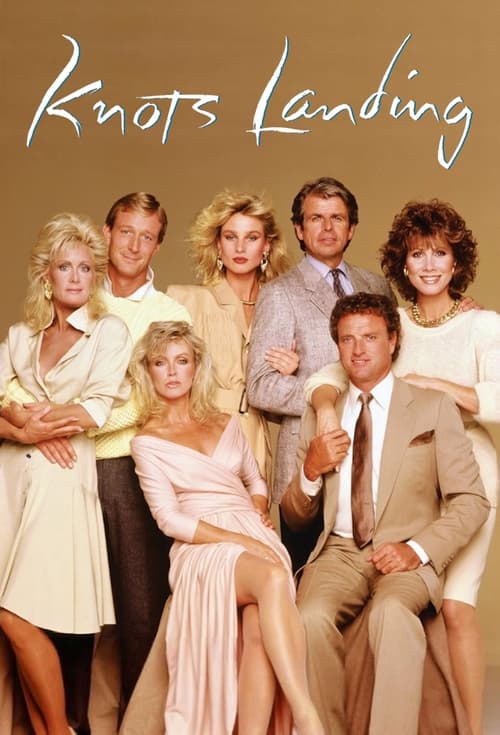
Knots Landing
6.9

The domestic adventures, misdeeds and everyday interactions of five families living on a cul-de-sac in a small California community.

Knots Landing

1979
Dragnet
6.5

Follows the cases of a dedicated Los Angeles police detective, Sergeant Joe Friday, and his partners. The show takes its name from the police term "dragnet", meaning a system of coordinated measures for apprehending criminals or suspects.

Dragnet

1951
Emergency!
7.9

The crew of Los Angeles County Fire Department Station 51, particularly the paramedic team, and Rampart Hospital respond to emergencies in their operating area.

Emergency!

1972
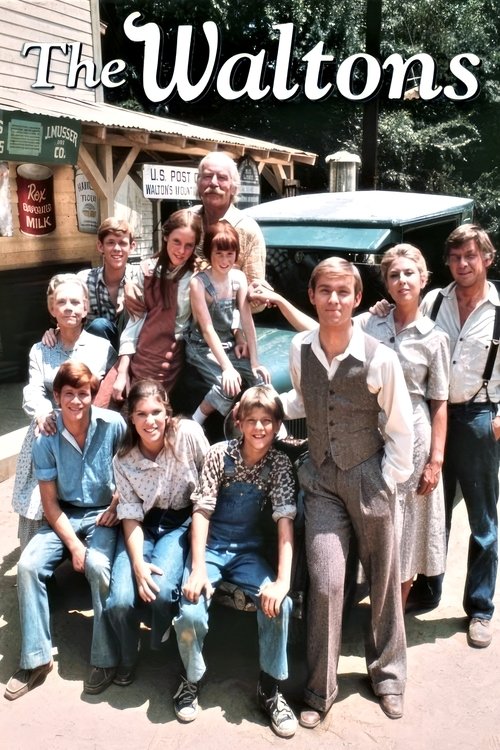
The Waltons
7.2

The Waltons live their life in a rural Virginia community during the Great Depression and World War II.

The Waltons

1972
Quincy, M.E.
7.5

Los Angeles County medical examiner Quincy routinely engages in police investigations.

Quincy, M.E.

1976
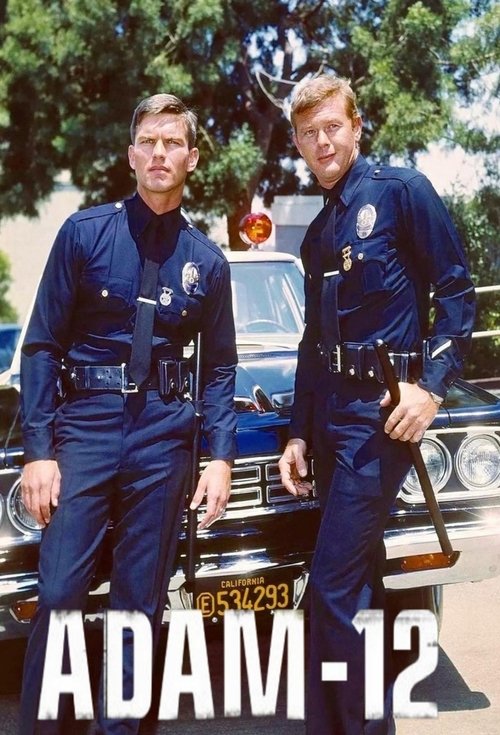
Adam-12
7.1

Adam-12 is a television police drama that followed two police officers of the Los Angeles Police Department, Pete Malloy and Jim Reed, as they patrolled the streets of Los Angeles in their patrol unit, 1-Adam-12.

Adam-12

1968
The Fugitive
7.3

Richard Kimble is falsely convicted of his wife's murder and given the death penalty. En route to death row, Kimble's train derails and crashes, allowing him to escape and begin a cross-country search for the real killer, a "one-armed man". At the same time, Dr. Kimble is hounded by the authorities, most notably dogged by Police Lieutenant Philip Gerard.

The Fugitive

1963
Have Gun, Will Travel
7.3

Have Gun – Will Travel is an American Western television series that aired on CBS from 1957 through 1963. It was rated number three or number four in the Nielsen ratings every year of its first four seasons. It was one of the few television shows to spawn a successful radio version. The radio series debuted November 23, 1958. The television show is presently shown on the Encore-Western channel. Have Gun – Will Travel was created by Sam Rolfe and Herb Meadow and produced by Frank Pierson, Don Ingalls, Robert Sparks, and Julian Claman. There were 225 episodes of the TV series, 24 written by Gene Roddenberry. Other contributors included Bruce Geller, Harry Julian Fink, Don Brinkley and Irving Wallace. Andrew McLaglen directed 101 episodes and 19 were directed by series star Richard Boone.

Have Gun, Will Travel

1957
The Rockford Files
7.6

Cranky but likable L.A. PI Jim Rockford pulls no punches (but takes plenty of them). An ex-con sent to the slammer for a crime he didn't commit, Rockford takes on cases others don't want, aided by his tough old man, his lawyer girlfriend and some shady associates from his past.

The Rockford Files

1974
Love, American Style
6.1

An anthology comedy series featuring a line up of different celebrity guest stars appearing in anywhere from one, two, three, and four short stories or vignettes within an hour about versions of love and romance.

Love, American Style

1969
The Virginian
6.5

The Shiloh Ranch in Wyoming Territory of the 1890s is owned in sequence by Judge Henry Garth, the Grainger brothers, and Colonel Alan MacKenzie. It is the setting for a variety of stories, many more based on character and relationships than the usual western.

The Virginian

1962
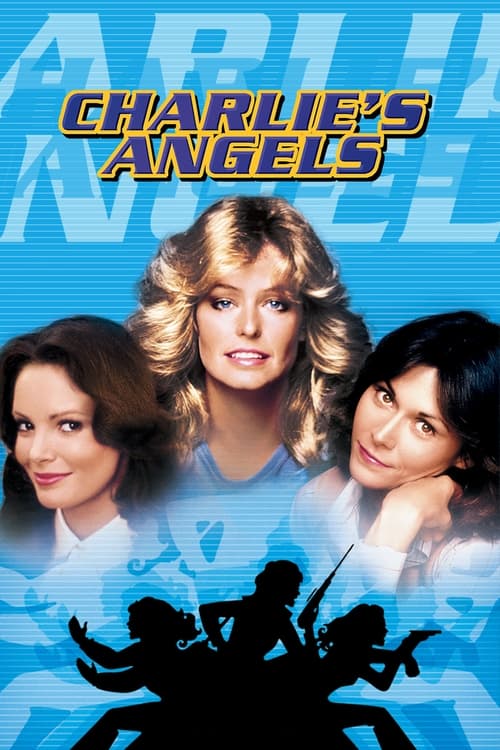
Charlie's Angels
6.7

Beautiful, intelligent, and ultra-sophisticated, Charlie's Angels are everything a man could dream of... and way more than they could ever handle! Receiving their orders via speaker phone from their never seen boss, Charlie, the Angels employ their incomparable sleuthing and combat skills, as well as their lethal feminine charm, to crack even the most seemingly insurmountable of cases.

Charlie's Angels

1976
Cheyenne
6.1

Cheyenne Bodie was a big man, a former army scout who went west after the American Civil War and drifted from job to job, here a cowboy, there a lawman, and always a larger-than-life hero. CHEYENNE is an American western television series of 108 black-and-white episodes broadcast on ABC from 1955 to 1963. The show was the first hour-long western, and in fact the first hour-long dramatic series of any kind, with continuing characters, to last more than one season. It was also the first series to be made by a major Hollywood film studio which did not derive from its established film properties, and the first of a long chain of Warner Brothers original series produced by William T. Orr.

Cheyenne

1955