Camera
Hellboy, his pyrokinetic girlfriend, Liz, and aquatic empath, Abe Sapien, face their biggest battle when an underworld elven prince plans to reclaim Earth for his magical kindred. Tired of living in the shadow of humans, Prince Nuada tries to awaken an ancient force of killing machines, the all-powerful Golden Army, to clear the way for fantasy creatures to roam free. Only Hellboy can stop the dark prince and prevent humanity's annihilation.
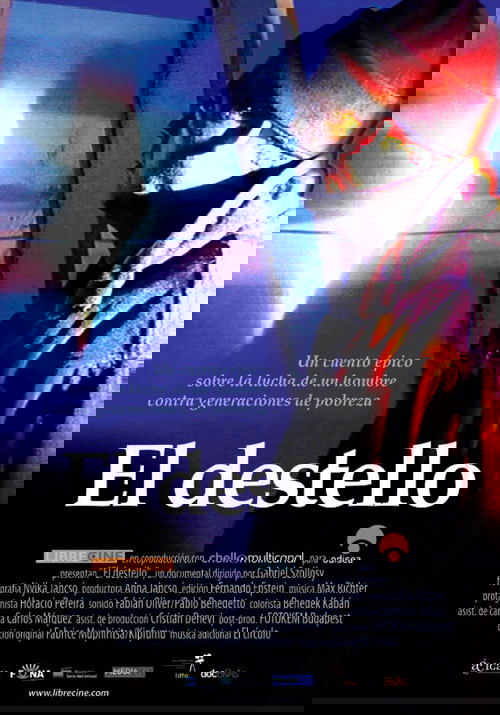
Horacio is a 45 year-old Uruguayan soldier. For his good service at the Naval Forces, he received the duty of lighthouse keeper at the Island of Sea Lions in the Atlantic Ocean. Horacio is poor and will soon retire. Meanwhile he sits amongst the 250 thousand sea lions who keep him company, he dreams of building a sewing machine repair shop in his backyard and giving a future to his daughter. But Horacio has to go to war to save up sufficient money. He will soon part to Congo as member of Uruguay's peace keeping force.
János Kitka Jr, first seen in Schiffer's documentary 'Black Train' a decade earlier, is now 17 and is just released from a youth detention centre. He returns to his village and is put in the care of a probation officer. However, his family doesn't seem to help his situation, but rather makes him run away from home.
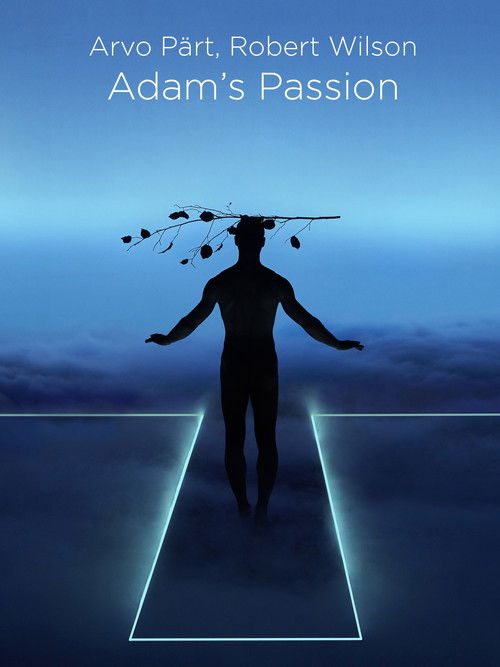
Adam’s Passion is the moving first collaboration between two “masters of slow motion who harmonize perfectly with each other” (Frankfurter Allgemeine Zeitung). In the spectacular setting of a former submarine factory, American director and universal artist Robert Wilson creates a poetic visual world in which the mystical musical language of the Estonian composer Arvo Pärt can cast its meditative spell. Three of Pärt’s major works – Adam’s Lament, Tabula rasa, and Miserere, as well as Sequentia, a new work composed especially for this production – are brought together here using light, space, and movement to create a tightly-woven Gesamtkunstwerk in which the artistic visions of these two great artists mirror each other.
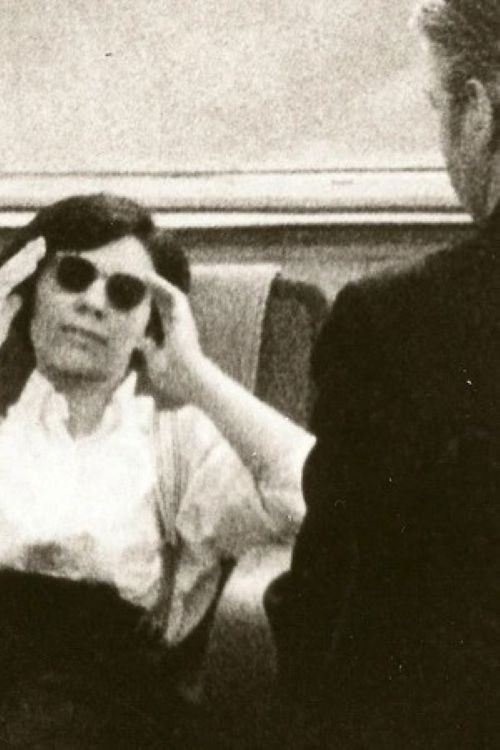
The director of the film subjected herself to hypnosis with the assistance of a famous Hungarian doctor. The event was recorded by a fixed camera, placed earlier by the director. (BBS Catalog 1961-91)
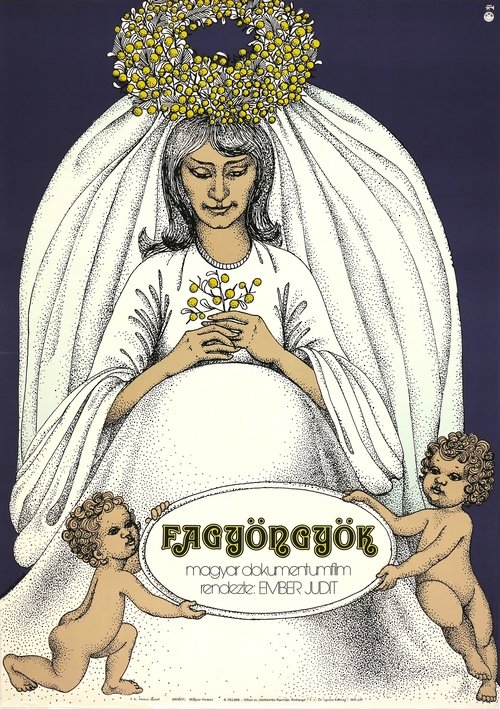
Judit Ember returns to follow the life of Nóra Szabó, the heroine of her documentary film 𝘛𝘢𝘯𝘵𝘰̈𝘳𝘵𝘦́𝘯𝘦𝘵 ("Instructive Story", 1975). The troubled young woman who formerly attempted to commit suicide by jumping off a fourth floor is now an unmarried and pregnant mother with two children. Her own mother also brought up her children in similar circumstances, in a closed community without men. But Jenő, the unflaggingly energetic labourer and father of Nóra’s third, as yet unborn child, brings change into their lives.
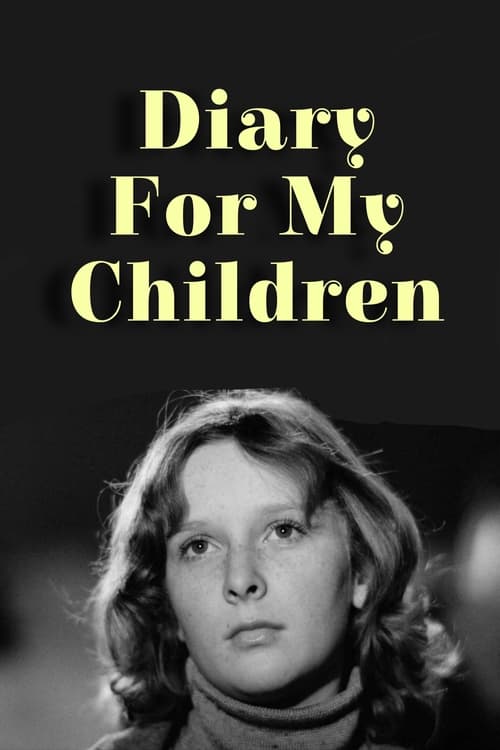
The movie is inspired by writer-director Márta Mészáros' own childhood. The film is a grim reminder of horrible days under Stalinist period when several innocent people were persecuted for no fault. A good film which allow people to know how people in Europe were tortured before second world war by dictators and authoritarian regimes.
Officer Karikas from Petersburg should be in Saratov with her servant,in the way he played cards and losing much,even to stuck in the hotel.Local officials took him for anticipated auditor.With this error starting a chain of events.
Miser Ebenezer Scrooge is awakened on Christmas Eve by spirits who reveal to him his own miserable existence, what opportunities he wasted in his youth, his current cruelties, and the dire fate that awaits him if he does not change his ways. Scrooge is faced with his own story of growing bitterness and meanness, and must decide what his own future will hold: death or redemption.
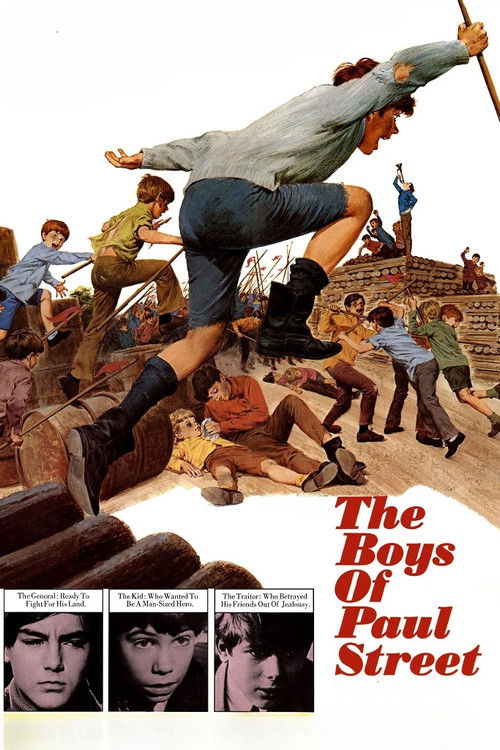
In turn-of-the-century Budapest, teenage gangs the Paul Street Boys and the Red Shirts have been skirmishing over a vacant lot. When the Red Shirts decide to drive the Paul Street Boys out, they appoint small, sickly Nemescek to spy on their opponents.
A continuation of "Diary for My Children," the film picks up in 1950, when Juli, the diarist, is 18 and determined to become a movie director.
This rare and intimate portrait explores a young woman’s perspective about living with albinism – a condition which has often made her an outsider – who is determined to lead a normal life.
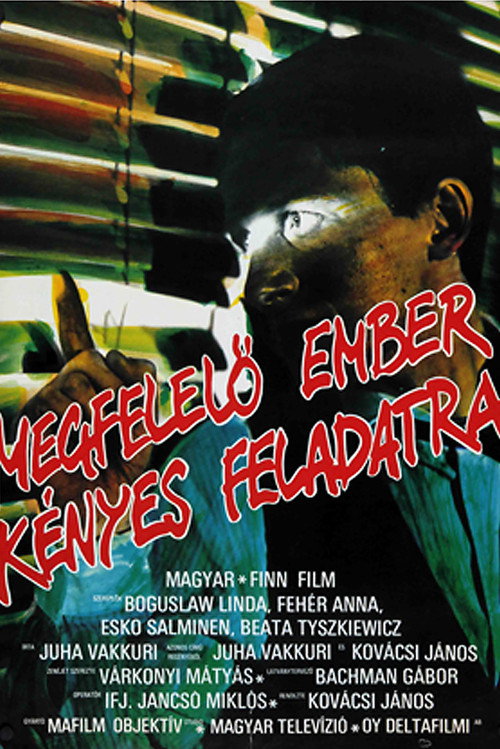
In this somewhat uneven political satire, good revolutionaries have overthrown a totalitarian state riddled with corruption on all levels when a truly naive bureaucrat (Boguslaw Linda) is placed on a jury that will judge the results of a history competition. Once on the jury, the young bureaucrat starts looking into the past himself and gets embroiled in a labyrinth. The past may well be unclear because recent leaders have certain facts that need to be kept buried. Filmmaker Janos Kovacsi borrows characteristics from revolutions in the Eastern European block (1950s-1980s) to create this post-revolutionary society with an idealist commander (Ferenc Zenthe) meant to lead them. A clue as to what happens next lies in the opening scene -- the funeral of the commander who has given his life for his cause. Ironically, Kovacsi undoubtedly faced censorship on this film. That would not only account for some uneven narration, but it adds a dimension of reality to the topic at hand.
After having lost her parents, young Juli returns from the Soviet Union to her native Budapest. Scarred by the wounds of the past, the ghost of Stalin’s oppression haunts her as she reunites with her aunt and adoptive mother Magda.
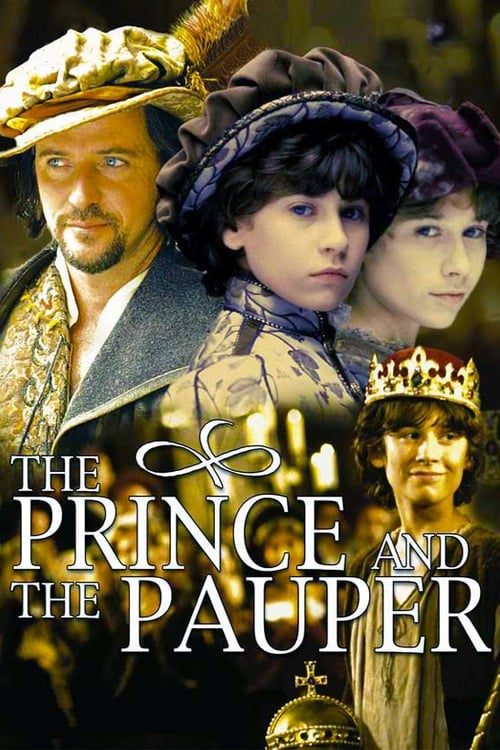
An adaptation of the classic, "The Prince and the Pauper" is the retelling of Edward Tudor and young Thomas Canty, two amazing look-alikes caught up in imperial intrigue and scandal. In fleeing from his violent father, Tom stumbles into the palace courtyard, and is seen by young Prince Edward, who takes him in. Each desiring to see what the other's life is like, the boys impulsively switch identities... little knowing what disaster lies ahead at this fault of thought. And soon Thomas becomes a pawn in the hands of Edward's malicious and greedy uncle, who would have the kingdom for himself.
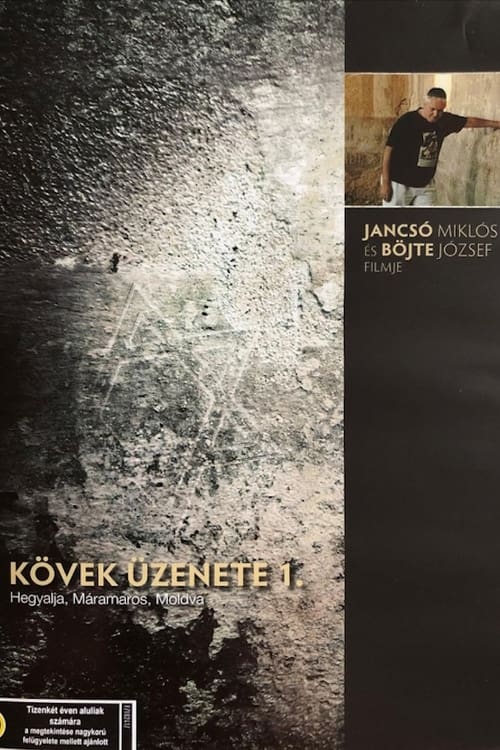
The second film in Miklós Jancsó's documentary series Message of Stones.
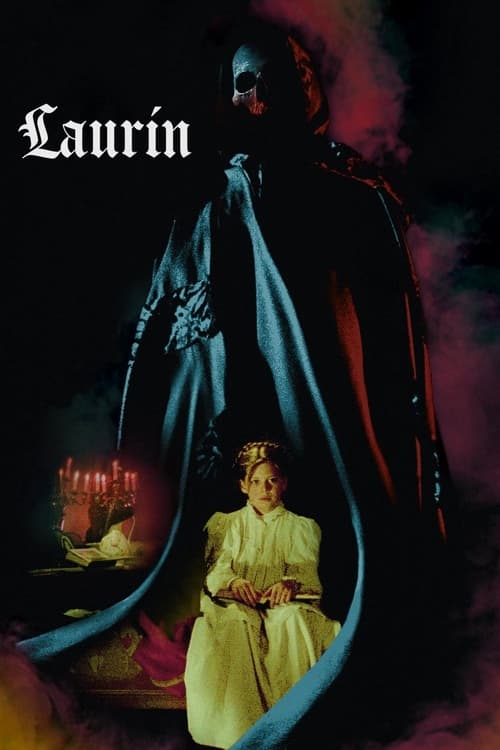
In a small port town, at the turn of the century, children are disappearing. A mysterious man in black who stalks the town may be Death itself. And nine-year-old Laurin is suffering terrifying dreams and hallucinations of a man carrying a sack and frightened children calling for help from behind closed windows.
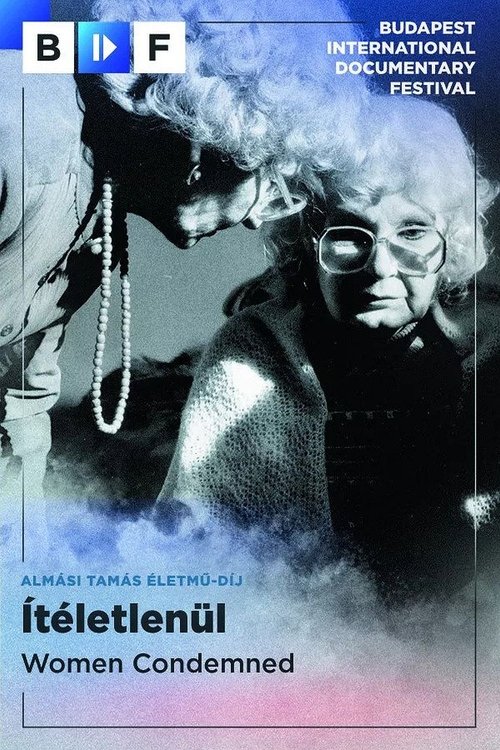
The film portrays women who were interned for long periods of time in the 1950s without trial. They were humiliated, separated from their families, their lives torn apart. Their crime was that they were wives, mothers, family members. Nearly 40 years later, the film confronts the former internees with their former prison governor, Piroska. Some of the women have traveled home from abroad to meet their former inmates and confront their former jailer.
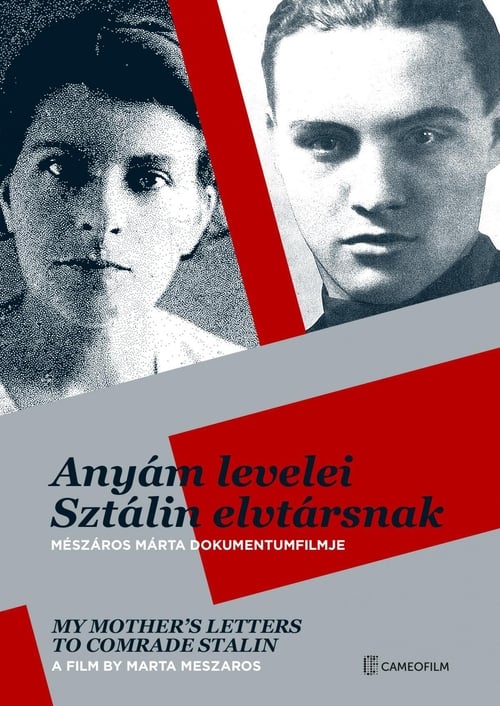
Márta Mészáros' father, the sculptor László Mészáros, was executed during the Stalinist purges of the Soviet Union. The director addressed her father's fate in many of her earlier films, but this time, she focuses on her mother, Vilma Kovács.
This is a story of a relationship between three men: Amin, a Palestinian nationalist; Joseph, an Israeli peacenik; and Colonel Shalit, a right-wing Israeli intelligence officer.