Directing
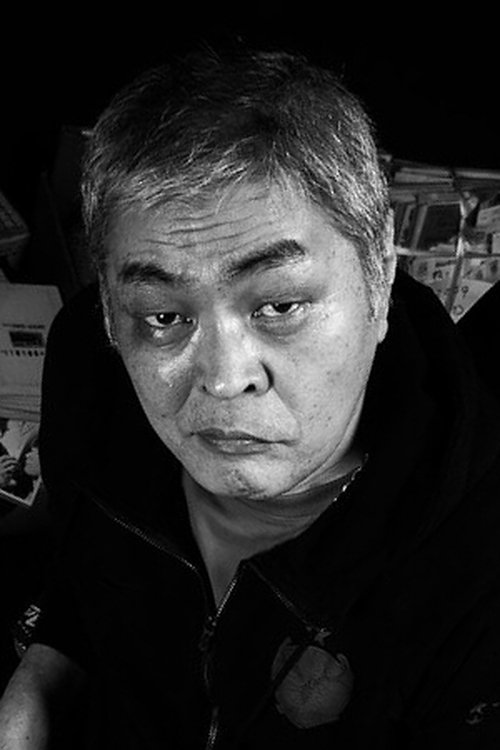
Yoshihiko Matsui (松井良彦 Matsui Yoshihiko, born May 6, 1956) is a Japanese filmmaker.
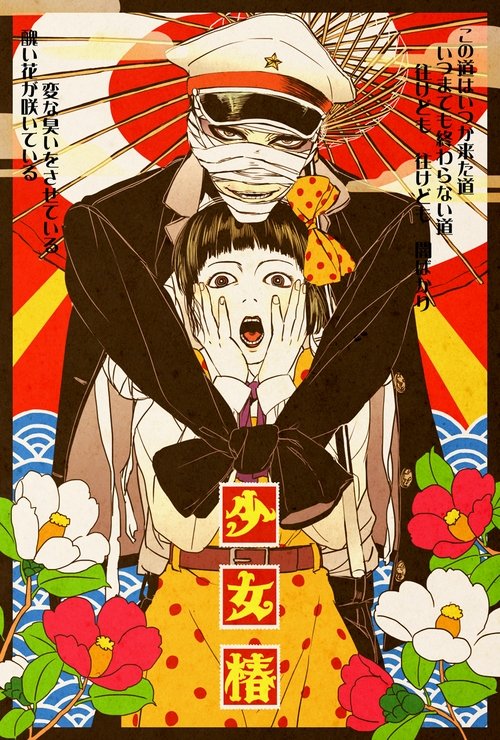
After losing her parents, young flower selling Midori is put up by a fairground group. She is abused and forced to slavery, until the arrival of an enigmatic magician of short stature, who gives her hope for a better future.
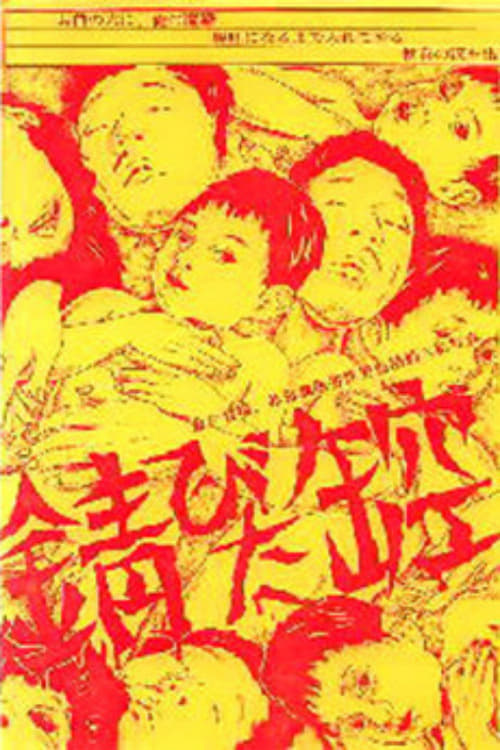
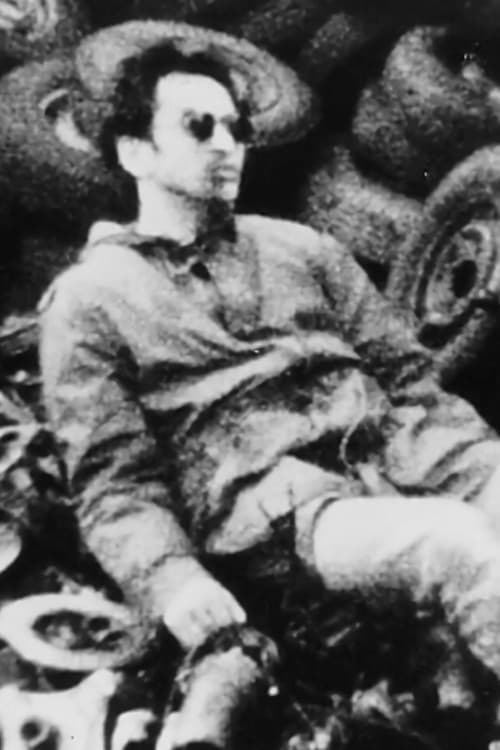
Matsui's debut film, "Rusty Empty Can" (1979), was photographed by Sogo Ishii; nonetheless the film turned out to be a serious and emotionally painful one unlike Ishii's speedy roller-coaster movies. The film which depicts a homosexual relationship was successful at the many film festival held in Japan, including selection at the 1979 Pia Film Festival. "Rusty Empty Can" is still shown at theatres today as it has become the pioneer of cult movies with devoted fans and approval from Nagisa Oshima and Shuji Terayama.
Akira Tachibana who work at Kinoshita foundry can not love other people because of the trauma he suffered by being molested by his manager Kinoshita, who have both been like a father to Akira since he was little. Akira has lived a meaningless life. One day, when Akira driving his motorcycle, he meets a woman dressed in a red dress in a tunnel. He takes back the unconscious woman to his apartment and takes care of her, but when she wakes up, she walks away from his place without a word. This is the moment Akira meets Kaori Yamamoto.
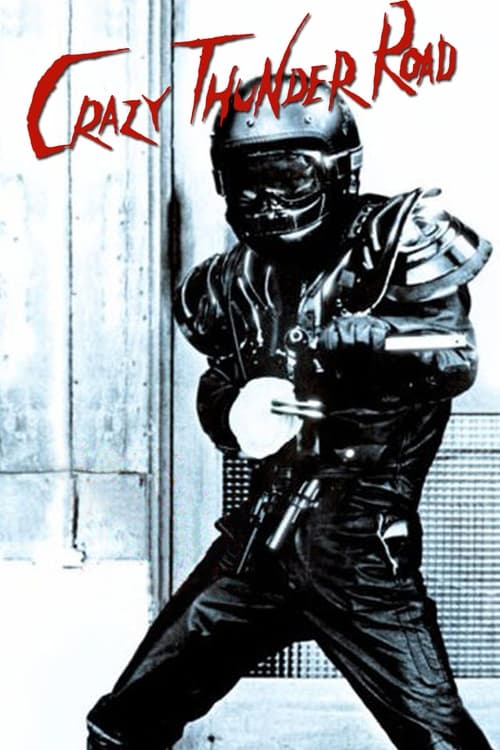
When Ken, the leader of the once-notorious biker gang of Tokyo, falls in love with a barmaid, he quickly loses his rebellious ideals. The rest of the gang feels betrayed, especially the reputedly troubled kid Jin who revolts against his former friend.
After appearing in independent films by Matsui Yoshihiko and Ishii Sogo, Sano directed this independent film himself. Although this is his first film as a director, he has already established his own style of acting by playing the role of the main character, a young man with a lonely life and a gun in his hand. The film was selected for the Pia Film Festival in 1983 and was exhibited at the Edinburgh Film Festival, Antwerp Film Festival, and other film festivals overseas. This is the origin of Sano's hard and sad films.
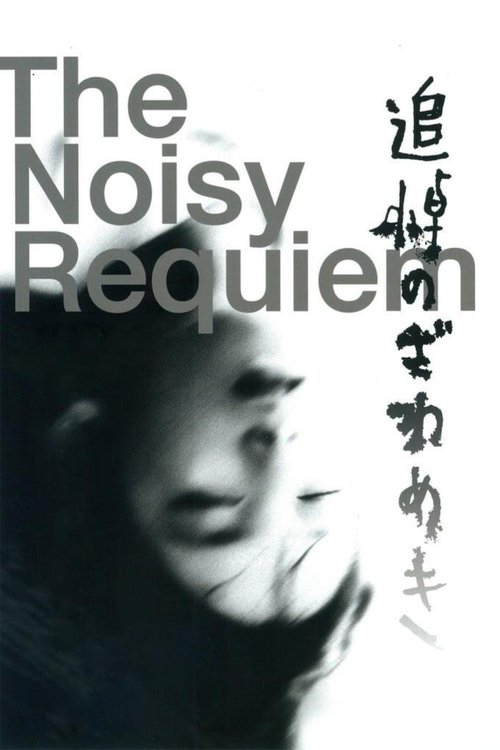
In the slums of Osaka, various marginalized misfits have their own interpretations of love. Completely alienated from the outside world, they commit sexual perversions, violence and cannibalism.
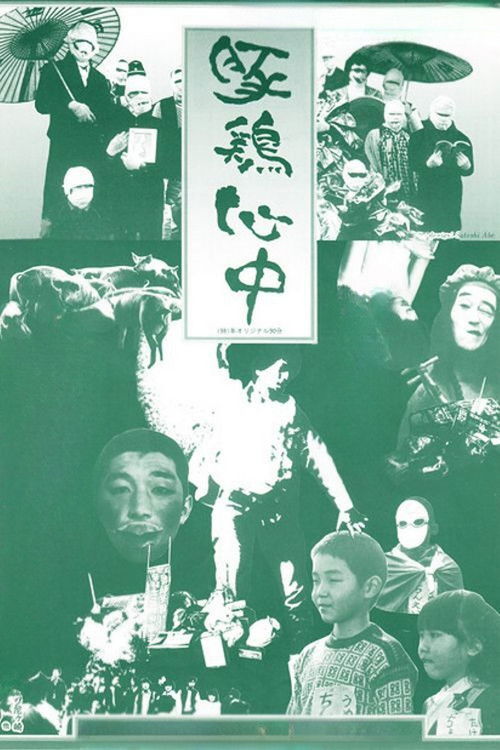
Pig Chicken Suicide is a veritable assault on the senses, mixing violent images of animal slaughter, racial strife and surrealism to tell the story of two Koreans living in Japan who's love is destroyed due to overwhelming racial discrimination.
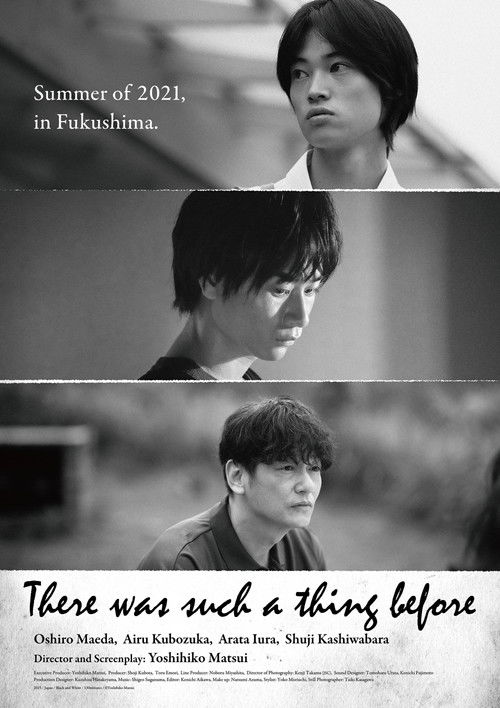
Time stands still in the silent streets of Fukushima. Radioactive residues continue to taint the lives of the citizens with a slow, invisible anxiety, trapping them between past wounds and future uncertainties. As his old home was highly exposed to radiation, leading to his mother’s death, young Akira grows up aimless and uprooted. In his search for his lost father, he is assisted by Yuji, the owner of a down-at-heels surfboard shop, as well as a concerned classmate, Shinichi, who becomes increasingly entangled in Akira’s story.
No description available.
Film directed by Ryuji Ohya.