Directing
Children hide behind a wall and throw snowballs at passersby. A policeman intervenes to stop the mischief but becomes a target himself.
The ornate pavilions of cinematographs, boxing booths and menageries at Hull Fair.
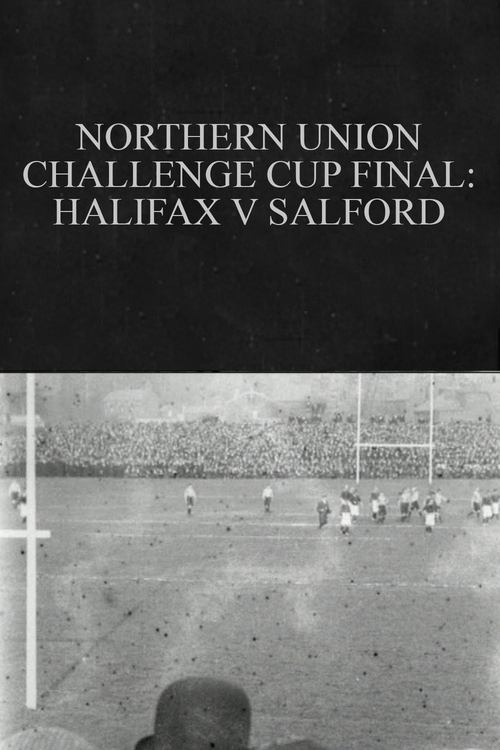
Turn of the century rugby league.
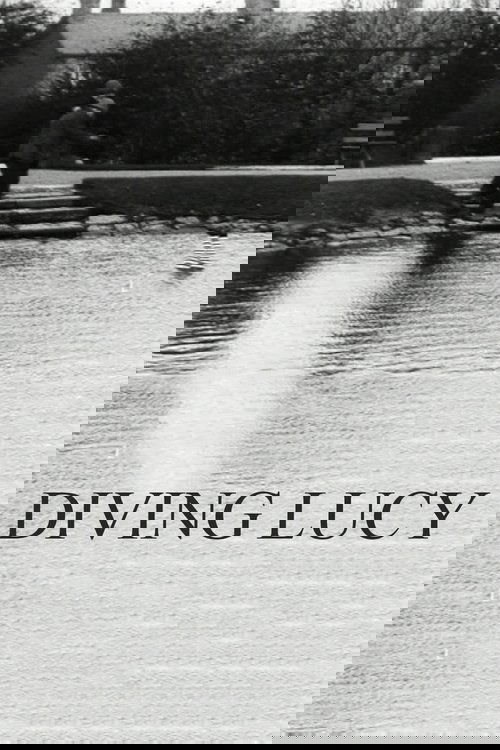
The biggest English comedy hit of the year. The scene is laid on an English estate at the edge of a pond. A couple of laborers discover, protruding from the water a pair of female legs. They hasten to the rescue, secure a bench and a long plank so as to get out over the water to the point where the legs are sticking up. Just as they complete their preparations a policeman runs up and insists on going out to the rescue of the female in distress.
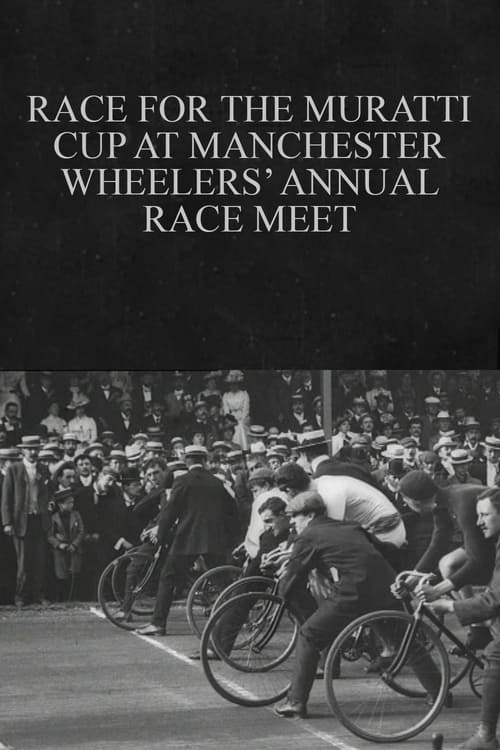
Exciting scenes of amateur cycling's 'Race of Champions' at Manchester's Fallowfield track.
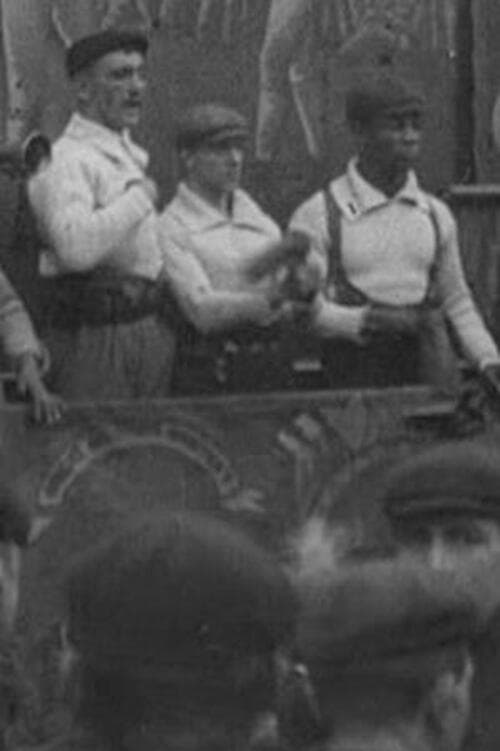
Featuring footage spanning from 1901 to 1985, this little-seen footage has been found from all across the UK. This programme allows an exploration into stories of migration, community and also the struggle against inequality, while also providing the opportunity to celebrate black British culture and life on screen. Films in the programme include: Miners Leaving Pendlebury Colliery (1901), Hull Fair (1902), For the Wounded (1915), From Trinidad to Serve the Empire (1916), Hello! West Indies (1943), Mining Review 2nd Year No. 11 (1949), To the Four Corners (1957), Black Special Constable (1964), Black Police Officers (1966), Cold Railway Workers (1964), Nigerian Wedding in Cornwall (1964), Coloured School Leavers (1965), London Line No. 373 (1971), African Student Families (1975), Liverpool 8 (1972), Blood Ah Go Run (1982), The Jah People (1981) and Grove Carnival (1981)
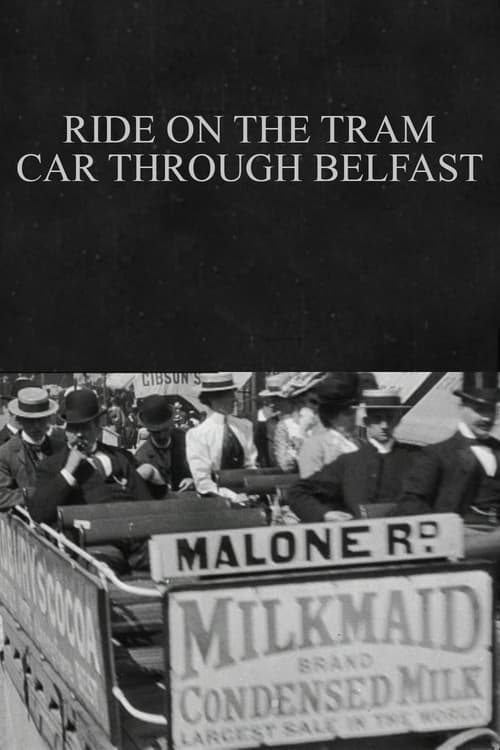
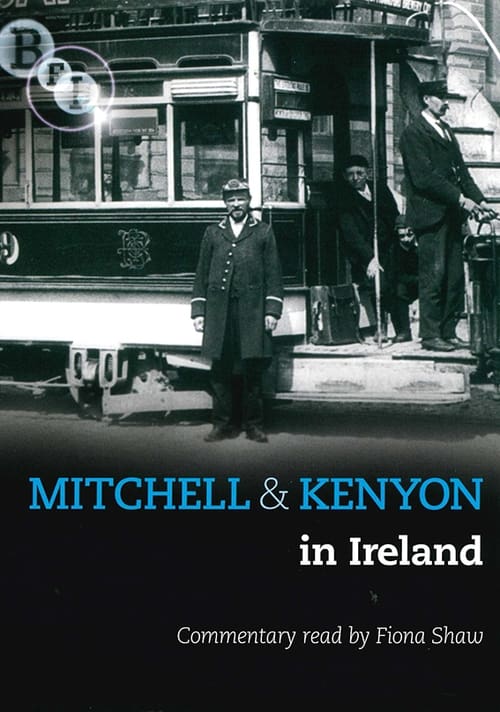
In 1901 people in Belfast paid their tram drivers in carrots.
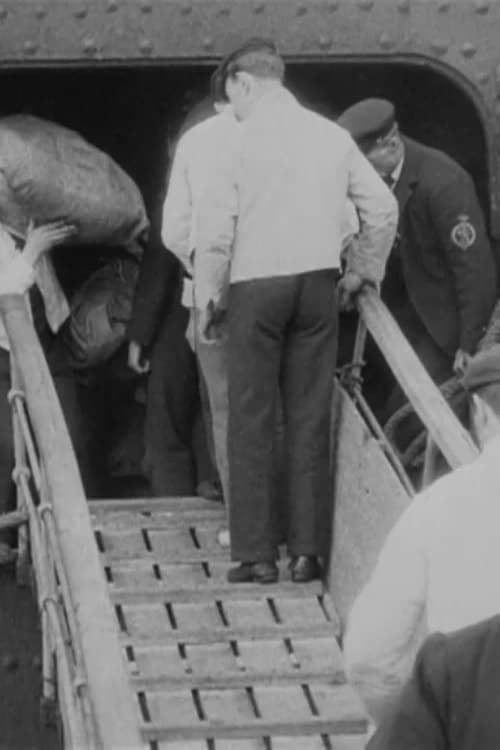
Passengers and crew boarding the SS Saxonia.
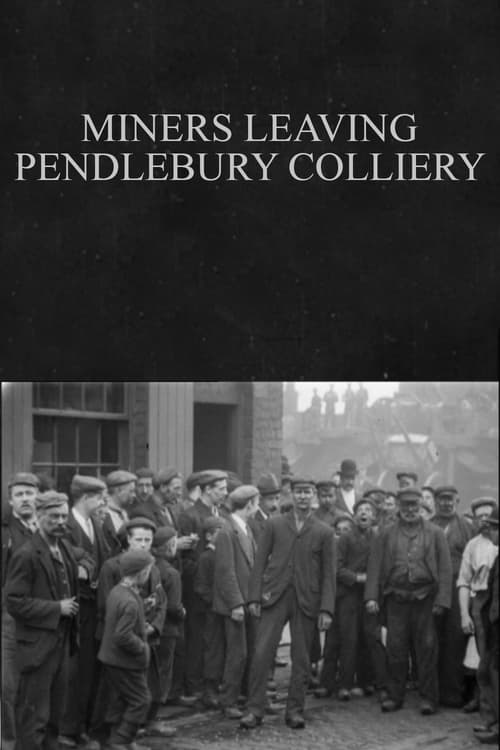
A group of miners (including a sole black worker) exits the colliery gates.
Over a century ago, Sagar Mitchell and James Kenyon roamed Britain and Ireland filming the everyday lives of people at work and play. For around 70 years, 800 rolls of nitrate film sat in sealed barrels in the basement of a shop in Blackburn. Miraculously rediscovered by Nigel Garth Gregory and later restored by the BFI, this now ranks as one of the most exciting film discoveries of recent times. Mitchell & Kenyon in Ireland is a unique and vivid record of Ireland at the start of the twentieth century. The collection contains 26 films made in Ireland between May 1901 and December 1902. Much of this material was unseen for over 100 years. The films include street scenes of Dublin, Wexford and Belfast; the Cork International Exhibition, scenic routes from Cork to Blarney Castle and more. They are accompanied by piano and fiddle music and commentary read by Fiona Shaw.
This film is part of the Mitchell and Kenyon collection - an amazing visual record of everyday life in Britain at the beginning of the twentieth century.
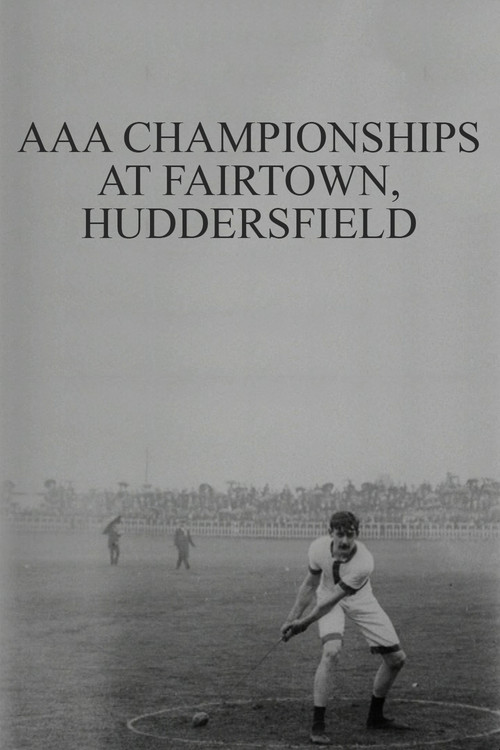
The annual championship meeting of England's premier athletics association.
Early footage of the Lucania passenger liner.
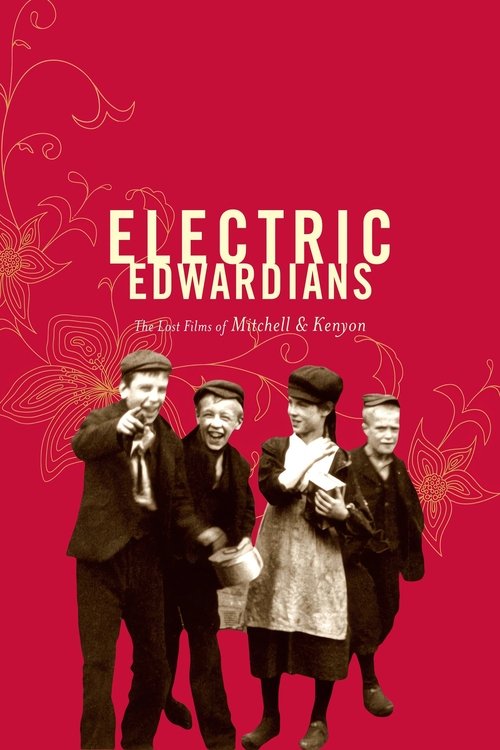
Archive footage, recently discovered, shot by the Edwardian documentary film-makers Sagar Mitchell and James Kenyon. Selected from a total of 28 hours of material, this compilation is grouped into five sections: 'Youth and Education'; 'The Anglo-Boer War'; 'Workers'; 'High Days and Holidays' and 'People and Places'. It includes footage of ordinary people going about their everyday business, from the factory gates to football matches, and is set to a specially commisioned score by the Shieffield-based duo In the Nursery.
Sparkling images of fans and players at an Edwardian fixture at Sheffield's Bramall Lane.
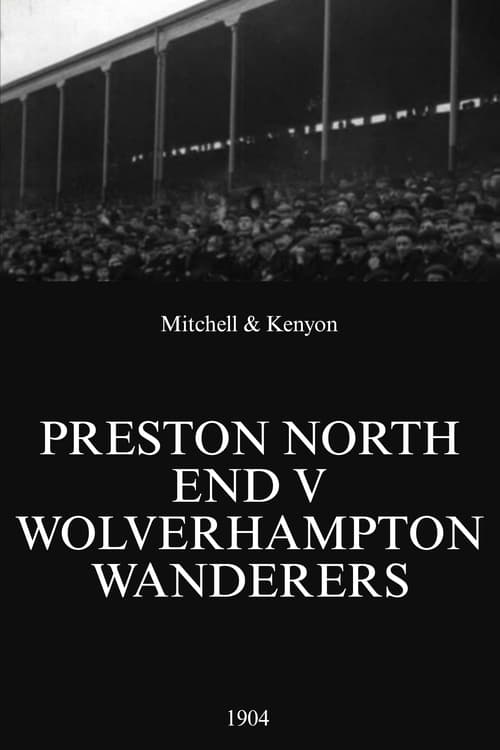
The Lillywhites take on the Wolves at Deepdale, watched by a large crowd and the club mascot.
Female graduates and gents sporting spectacular Edwardian whiskers take part in Birmingham’s first Degree Day ceremony.
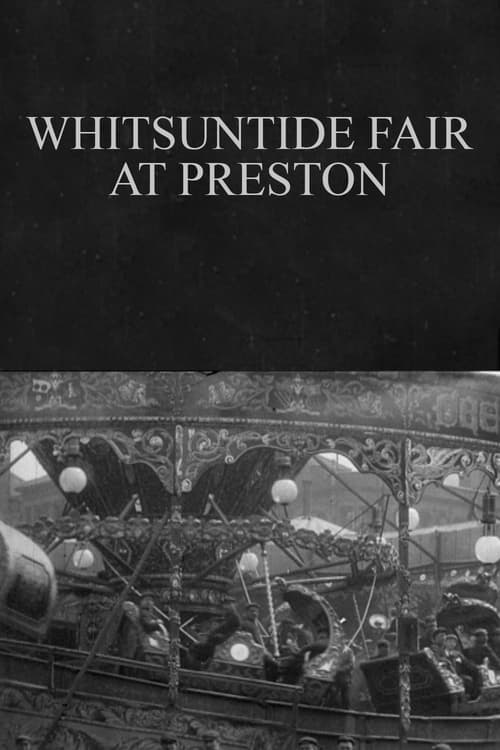
All the fun of the Whitsuntide Fair in Edwardian Preston.
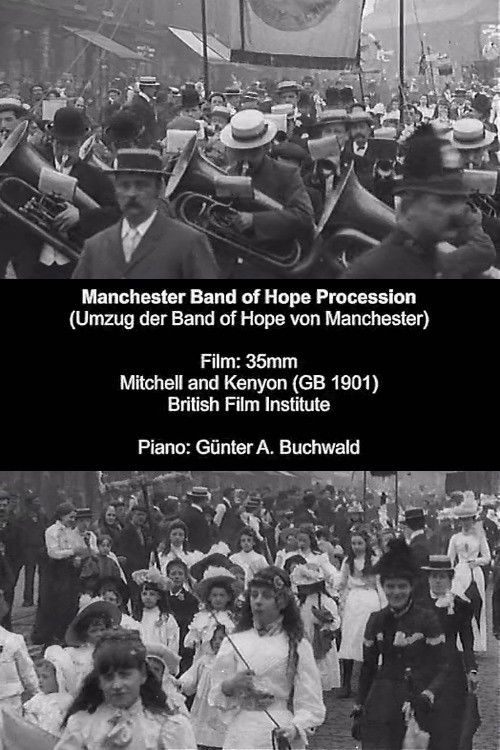
A temperance society decries the demon drink on the streets of Edwardian Manchester.
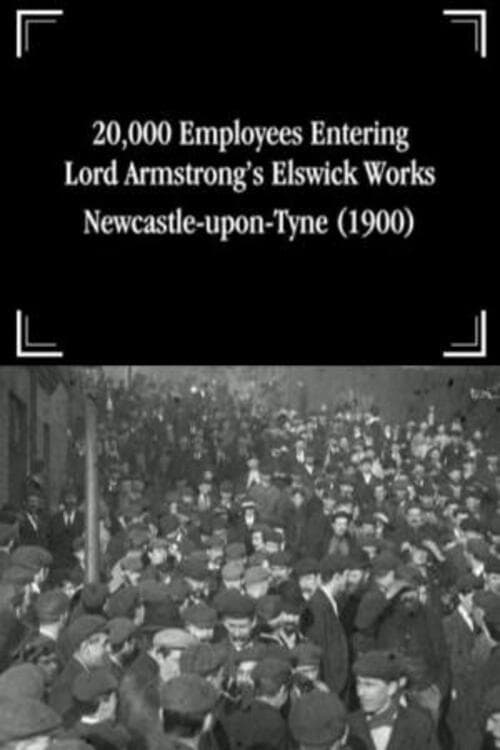
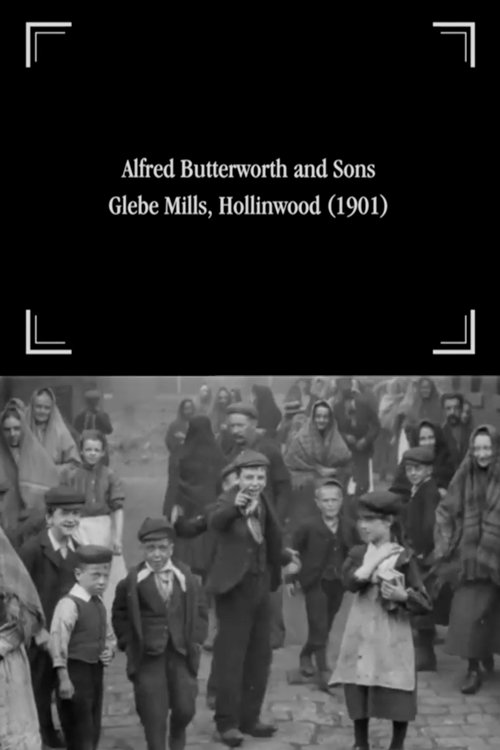
A flood of Lancashire cotton workers and their children at the end of another shift.