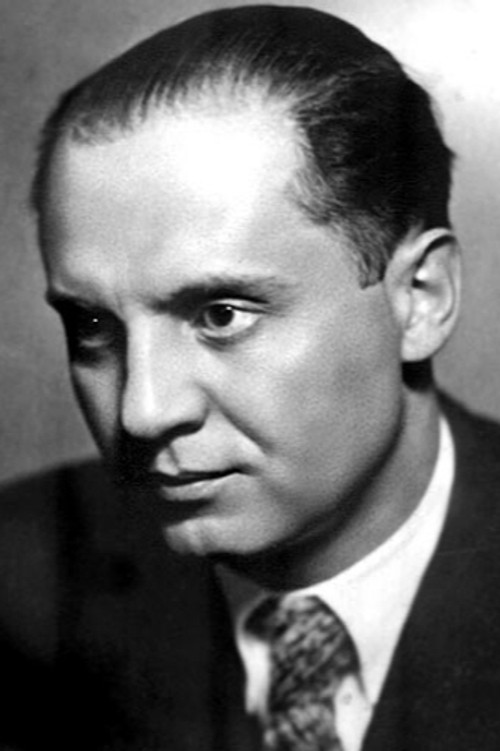
Leonid Trauberg
Directing
Biography
Leonid Zakharovich Trauberg was a Soviet film director and screenwriter. He directed 17 films between 1924 and 1961 and was awarded the Stalin Prize in 1941. Trauberg was Jewish, and was fiercely attacked by Soviet authorities during the so-called "anti-cosmopolitan" period following World War II.
Known For
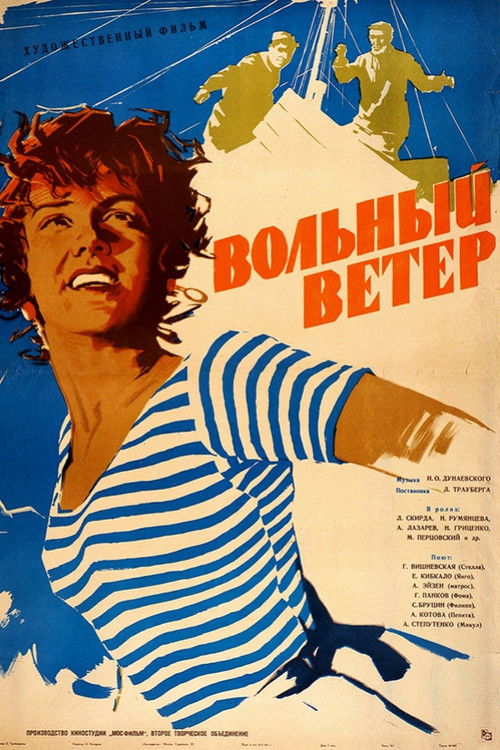
Based on the operetta of the same name by Isaak Dunayevsky. The port town of one of the small southern countries. After the Nazi occupiers left, the port's berths were empty, the steamers did not smoke, cargo cranes stood. Fearing retaliation for collaborating with enemies, port owner Georg Stan fled the city. After waiting a while and securing the support of local authorities, Stan nonetheless returns - and loading operations begin in the port. While loading oranges, the sailor Yango and the beautiful Stella are preparing for the wedding. Suddenly, Stan makes a proposal to the girl and tricks her into agreeing. Upon learning of the deception, the girl runs away to Yango. Having discovered weapons intended to support fascism in the drawer of the hold, the heroes do everything possible to make the boxes fall to the bottom of the sea.
Wind of Freedom
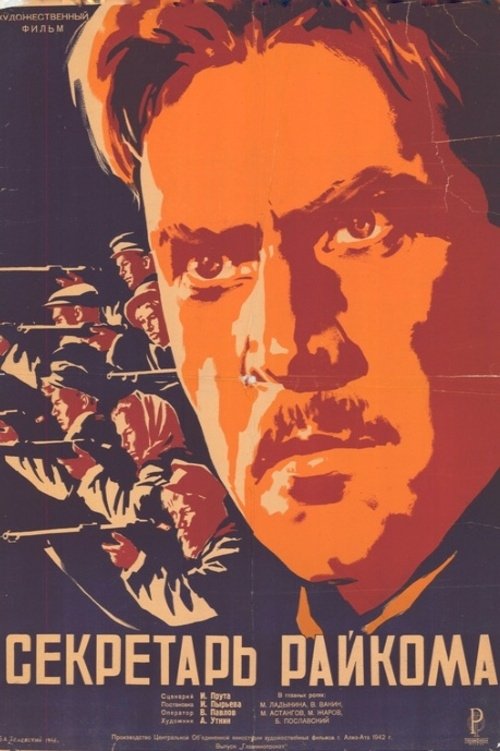
A story about a Secretary of the Communist Party District Committee who is leading partisans in their fight with the Nazis during WWII.
The District Secretary
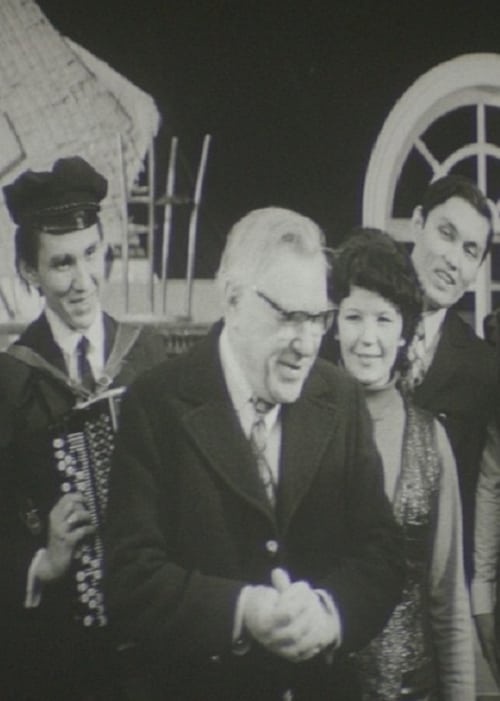
The film Our Friend Maxim is devoted to the life and work of actor and National Artist of the USSR Boris Petrovich Chirkov. This film includes excerpts from his Maxim trilogy, and significant focus is placed on Chirkov’s role as a pedagogue and mentor to young actors.
Our Friend Maxim
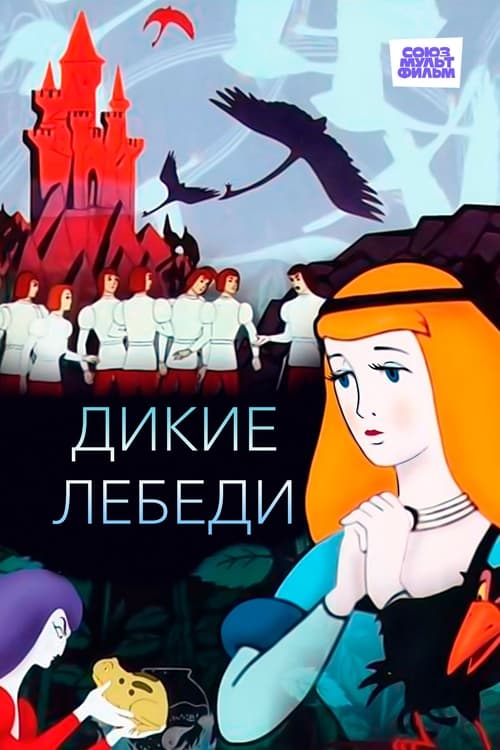
When a witch transforms her brothers into swans, a young princess must find a way to change them back.
The Wild Swans
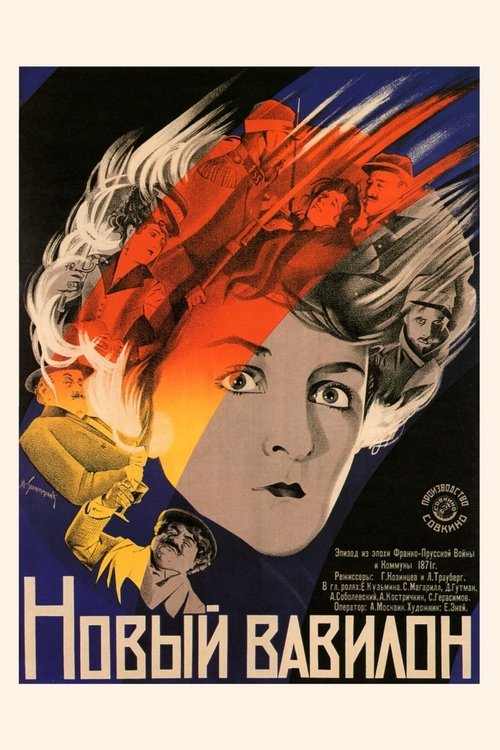
In the short-lived Commune of Paris, a conscripted soldier falls in love with a Communard saleswoman. As the army cracks down on the revolutionaries, the soldier is forced to fight against the Commune, and the pair's love is put to the test.
The New Babylon
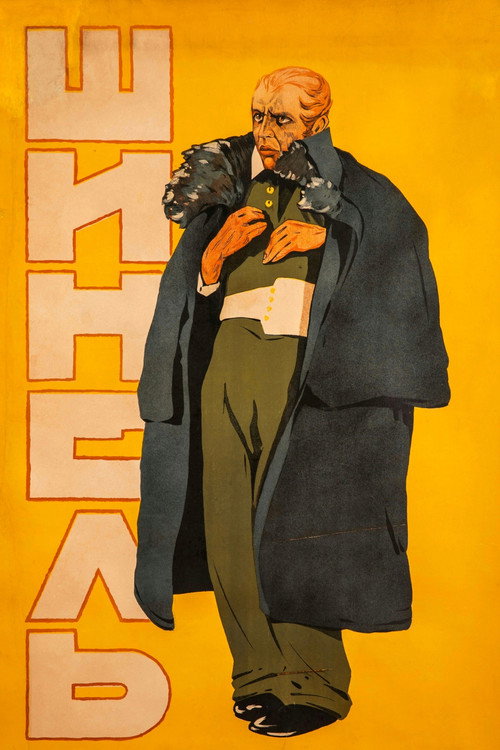
Soviet film based on Nikolai Gogol stories "Nevsky Prospekt" and "The Overcoat".
The Overcoat
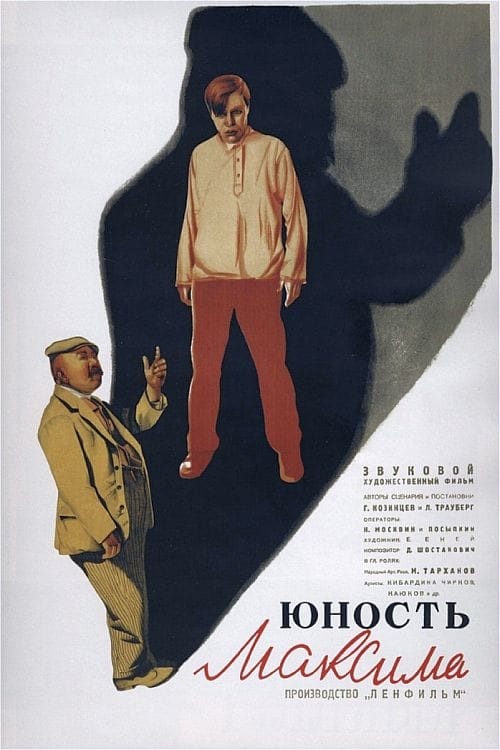
A 1935 USA trade-paper reviewer called it... "an impressive and technically outstanding historical drama dealing with czarist terrorism and revolutionary boiling in the days of 1907. Picture is one of the Soviet prize winners and has particular merits in realistic performance, photography and movement, plus some musical touches in way of folk songs." Written by Les Adams
The Youth of Maxim
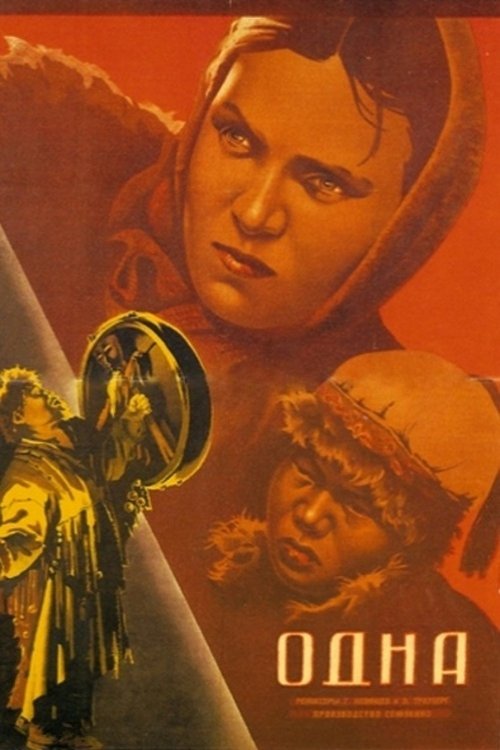
A young teacher is sent to a remote province, separating her from her lover, and sets about the difficult task of building a school there.
Alone
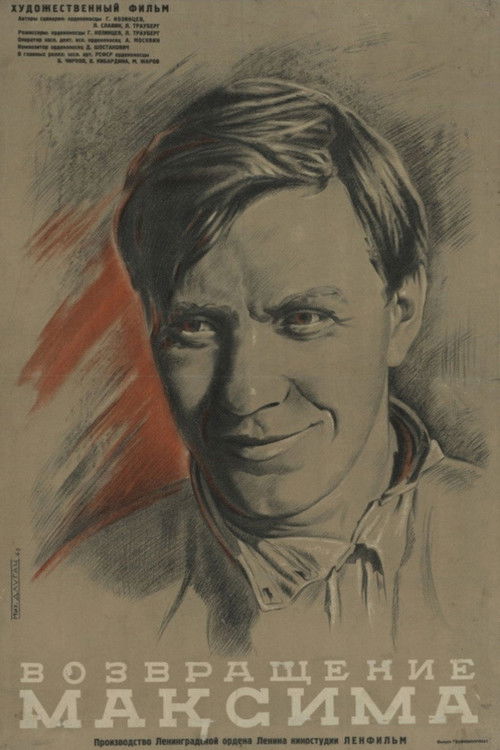
The second part of trilogy about the life of a young factory worker, Maxim. In July 1914, the Bolsheviks and Mensehviks compete for representation of the working-class in the Duma. Maksim, who just returned from exile, calls the workers to strike as a protest against the firing of six of their colleagues. The traitor Platon Dymba assaults Maksim, wounding him severely. When the strike unfolds the workers demonstrate by the thousands, the news of the outbreak of World War I suddenly arrives. Maksim gets drafted.
The Return of Maxim
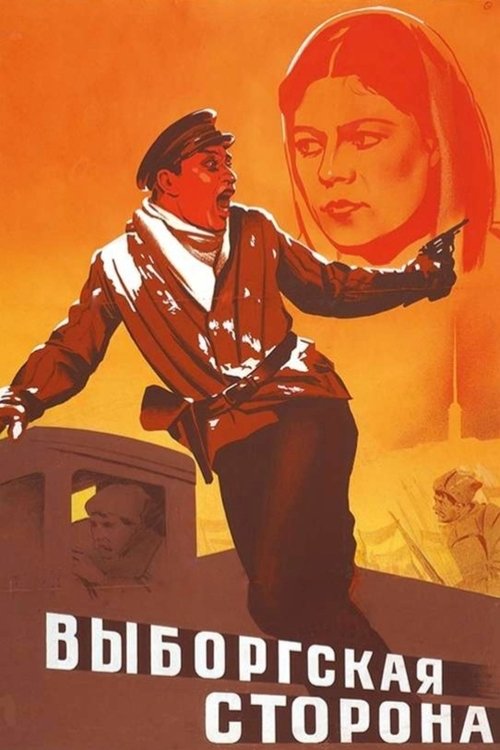
The final part of trilogy about the life of a young factory worker, Maxim. Following the Russian Revolution, Maksim is appointed state commissar in charge of the national bank. With great efforts, he learns the complexies of the banking trade and begins to fight off sabotaging underlings. Dymba, now a violent enemy of the Republic, tries to rob a wine store but is arrested with Maksim's help. Maksim also exposes a conspiracy of a group of tsarist officers who prepare an attempt against Lenin. He then joins the Red Army in its fight against the German occupation.
The Vyborg Side
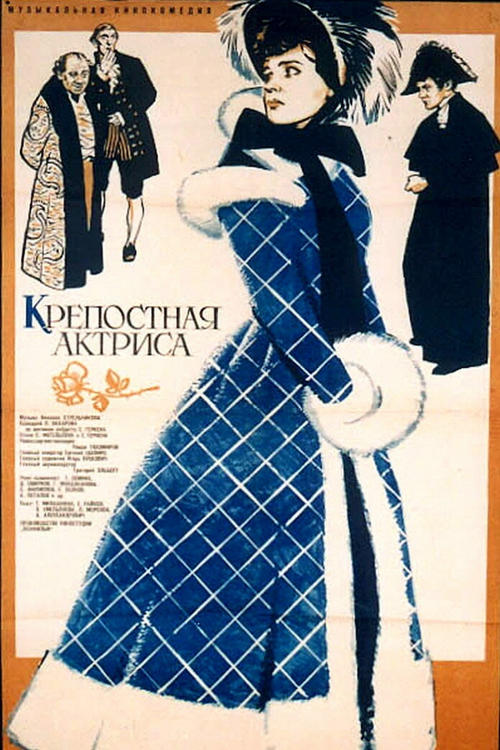
Batmanova, once a serf, sets Paris aflame with her singing and now returns to the court of the Prince in 19th-century Russia. The Prince wants Batmanova for himself, but she loves a young nobleman who is technically still a serf because his papers have been lost.
The Serf Actress
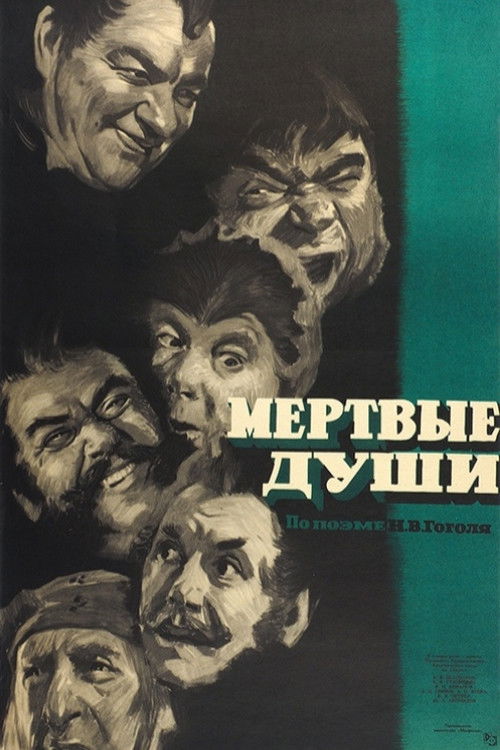
No description available.
Dead Souls
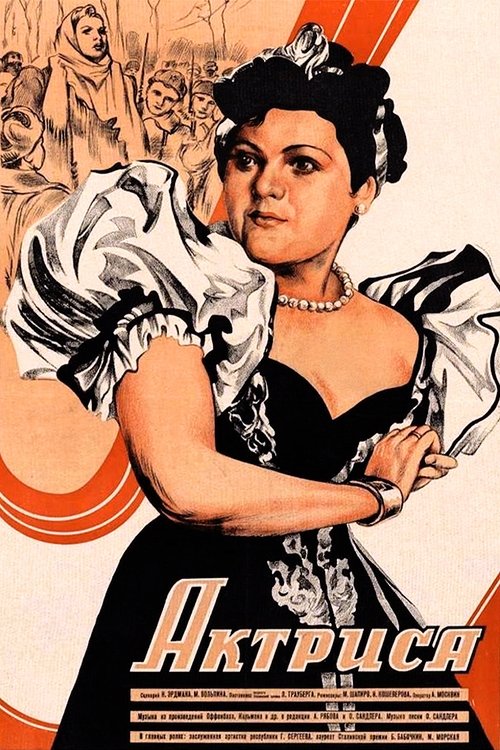
Zoya Vladimirovna Strelnikova, a famous operetta actress, quits the theater and gets a nanny in a military hospital. There she meets the wounded major Peter Nikolayevich Markov.
Actress
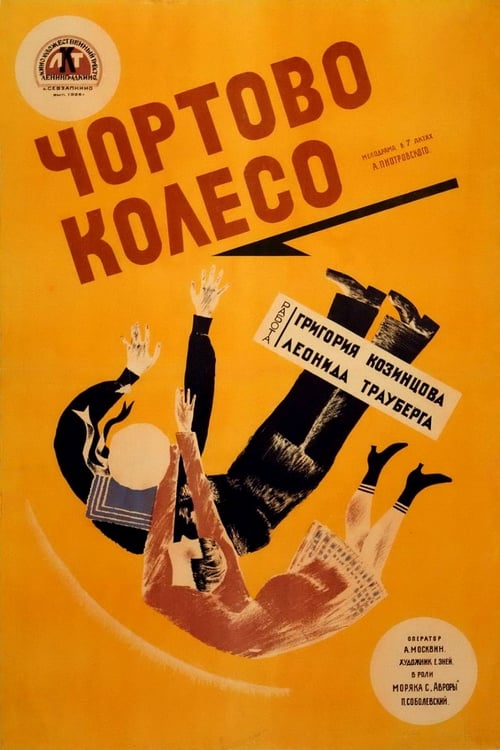
Typically of the heady days of early Soviet cinema, this is constructed according to the fast, sharp editing principles advocated by Eisenstein, complete with symbolic inserts; but in terms of subject matter, it's much less explicitly political than most movies emerging from Russia in the '20s. Chronicling a young sailor's descent into a murky, treacherous underworld of pimps and thieves, after having encountered a Louise Brooks lookalike at a fairground and missed his departing boat, it's a lively moral fable that delights in vivid visual effects and quirky characterisations. If the plot occasionally reveals gaping holes, and the tacked-on ending urging the clearance of the Leningrad slums seems to be rather gratuitous, there's enough going on to keep one attentive and amused.
The Devil's Wheel
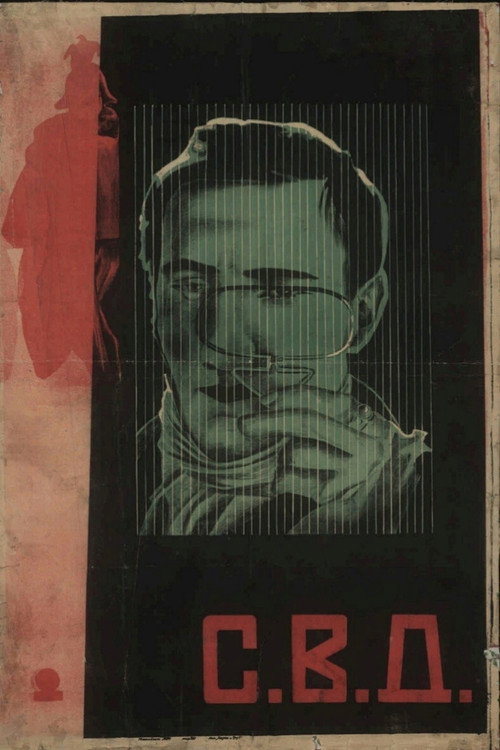
The film tells about the Decembrists’ revolt in the south of Russia. Right before the Decembrist Revolt 1825 a chevalier of fortune decides that it's time for a game. But on whom to make a bet? He asks the cards. But he's not the only one who makes the choice.
The Club of the Big Deed

A 1945 Soviet war film which, along with the second part of Eisenstein's Ivan the Terrible was harshly criticized by Andrei Zhdanov and banned. A version of the film, released in 1956 during the Khrushchev Thaw, was disowned by director Grigori Kozintsev because the reediting was done without his participation.
Simple People
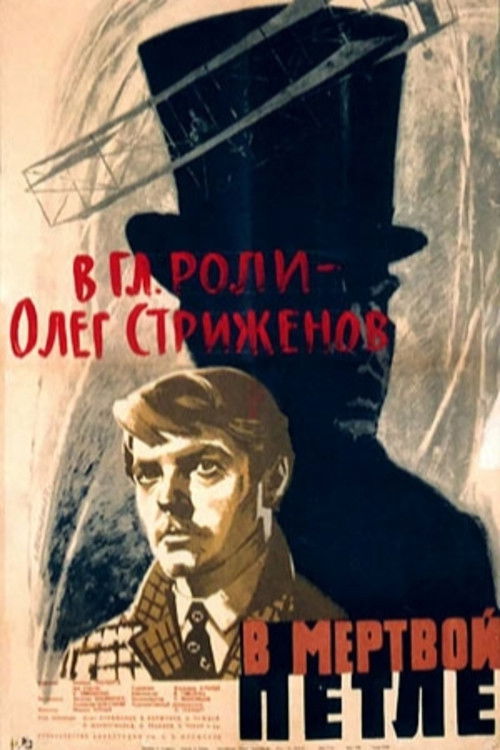
A biographical film about the famous Russian pilot Sergei Utochkin, about the first conquerors of the sky who paved the way for Russian aviation.
In Death's Noose
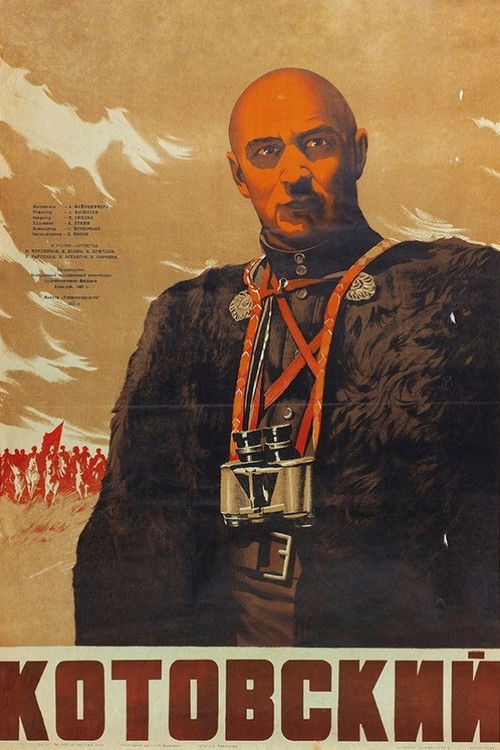
Kotovsky, who went a long revolutionary way and became the recognized military commander of the cavalry troops: commander, brigade commander, commander. Six times he escaped from prison, was sentenced to death, and again escaped to become one of the most ardent warriors of the revolution. His famous equestrian brigade fought with the enemy near Kiev and the Belaya Tserkov, at Nikolaev and Odessa, and did not know defeat anywhere.
Kotovsky
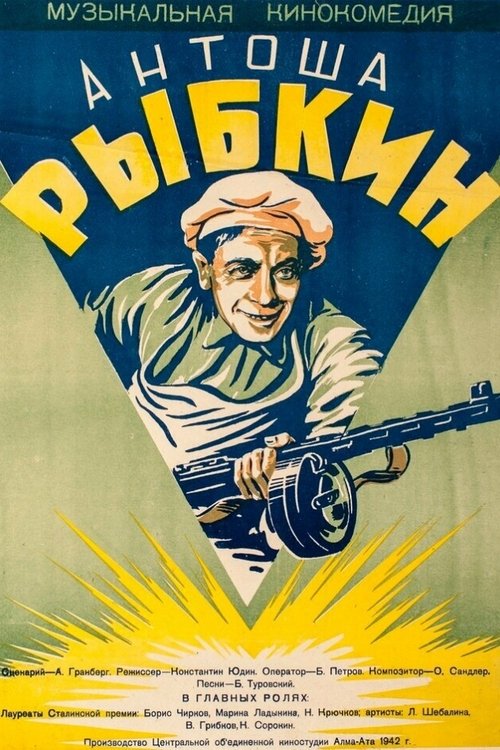
Before the attack on the village, captured by the Nazis, the commander decides to carry out a distraction — a concert of the front-line brigade of artists. Chef Antosha Rybkin is assigned to play the role of... a German corporal. Dressed in an enemy uniform, he gets to the rear of the enemy and helps his liberate the village.
Antosha Rybkin
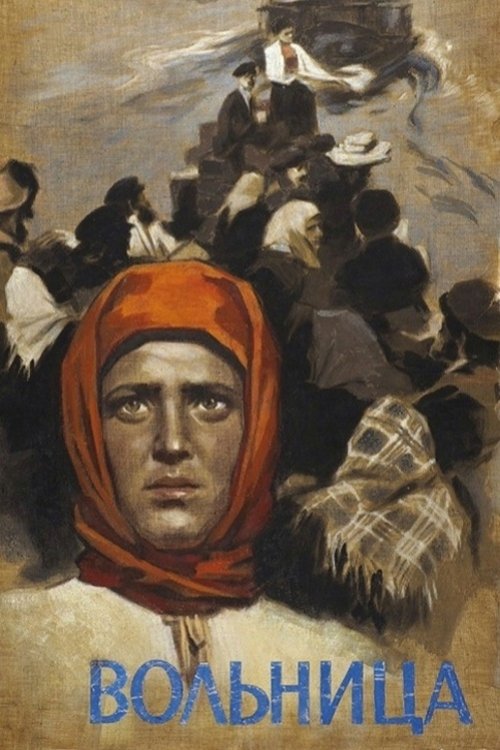
Drama of the life of a peasant family, who came to work in the fisheries of Astrakhan. The film is set in the late XIX - early XX centuries.