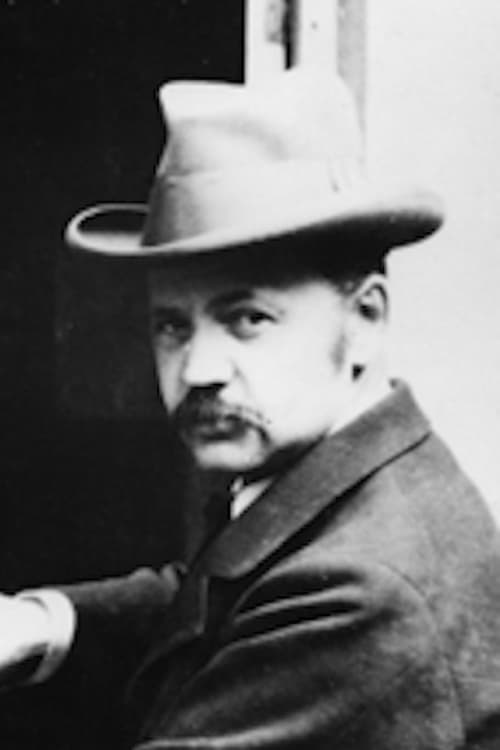
James Williamson
Directing
Biography
James A. Williamson (8 November 1855 – 18 August 1933) was a Scottish photographer and a key member of the loose association of early film pioneers dubbed the Brighton School by French film historian Georges Sadoul. He is best known for The Big Swallow (1901), a trick film with innovative use of extreme close-up, as well as Fire! and Stop Thief! (both 1901), dramas with continuity established across multiple shots.
Known For
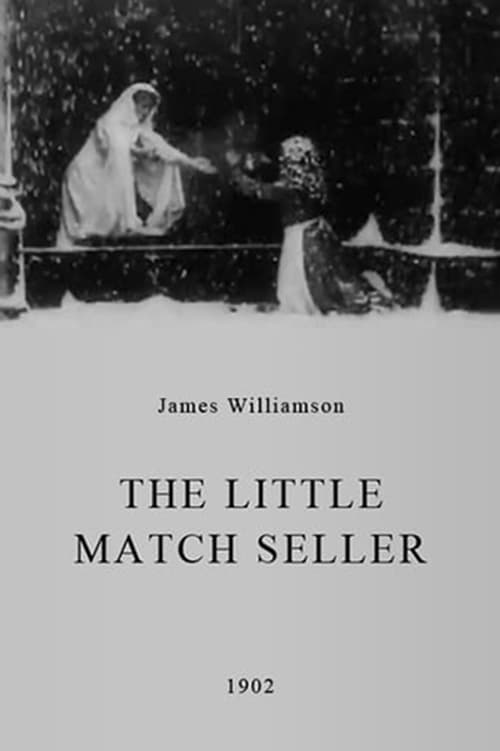
A short melodrama based on Hans Christian Andersen's harrowing tale. A poor little girl tries to sell matchsticks in the freezing December cold. She lights matches for some light and warmth. There are visions: a fireplace, dinner, a Christmas tree. She sees her dead mother, welcoming her.
The Little Match Seller
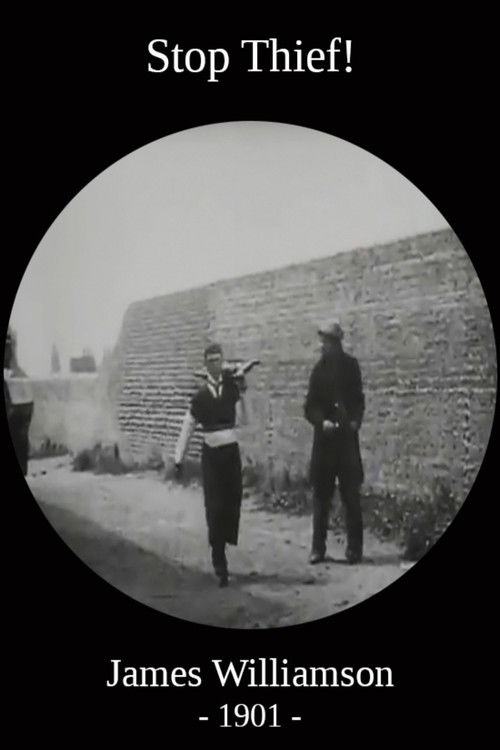
A lad from a butcher shop is carrying a tray laden with a roast or a leg of lamb. A hobo grabs it and runs. The boy gives chase, joined by dogs, as neighbors watch the spectacle. The hobo jumps into a large rain barrel, followed by the dogs.
Stop Thief!
Directed by one of the pioneers of the cinematic industry, James Williamson, The History of a Butterfly - A Romance of Insect Life is an intriguing look at the life cycles of butterflies and moths. Caterpillars are seen hatching, feeding and ready for pupation and with three caterpillars changing into chrysalis and the birth of a peacock butterfly, this black and white silent film is an early example of British natural history filmmaking.
The History of a Butterfly: A Romance of Insect Life
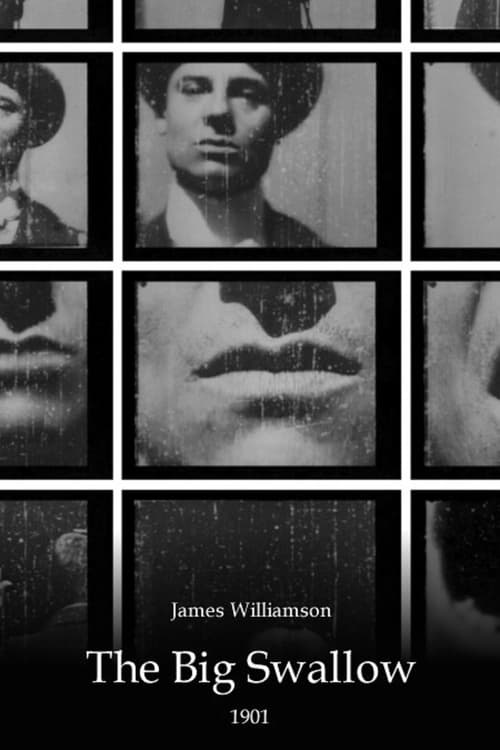
A man, objecting to being filmed, comes closer and closer to the camera lens until his mouth is all we see. Then he opens wide and swallows camera and cinematographer. He steps back, chews, and grins.
The Big Swallow
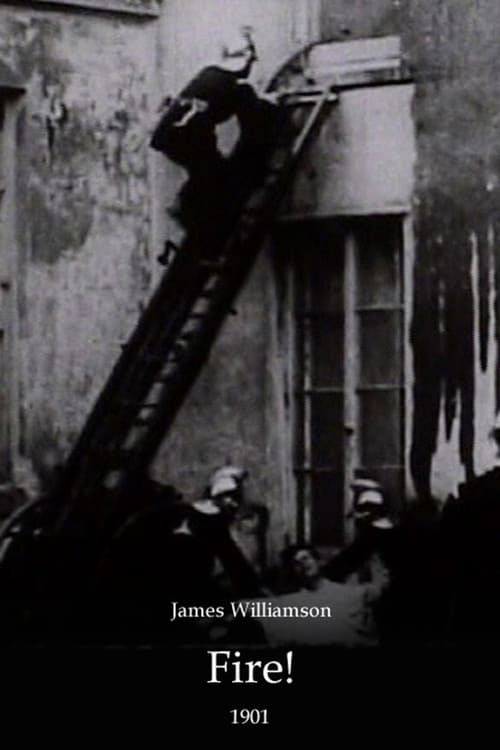
Firefighters ring for help, and here comes the ladder cart; they hitch a horse to it. A second horse-drawn truck joins the first, and they head down the street to a house fire. Inside a man sleeps, he awakes amidst flames and throws himself back on the bed. In comes a firefighter, hosing down the blaze. He carries out the victim, down a ladder to safety. Other firefighters enter the house to save belongings, and out comes one with a baby. The saved man rejoices, but it's not over yet.
Fire!
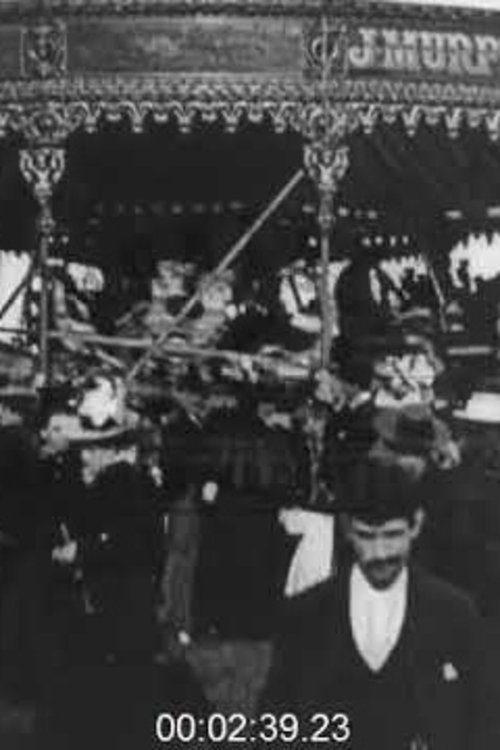
Early film footage of fun fair workers and revelers at Devil's Dyke on the South Downs, taken by pioneer James Williamson in around 1896. At a fair at Devil's Dyke, boys scrap beside wooden swing boats. Others, wearing dark suits, watch chains and caps, stretch up to push one of the swing boats. The boys are aware of the camera, which films them from a fixed position. A couple swing sticks in the air, playing up to the camera while the boys work. At the merry-go-round, two women stand in the foreground. They wear shirts with full pleated sleeves and boaters. Other visitors to the fair pass by the camera, including a man with a pipe and a woman with a wide cloak. Young visitors ride on a track, the South Downs in view behind. They cycle, turning a wheel in front of them. An open-top carriage rides away from the camera and back again along a switchback railway, driven by a worker who jumps on and off.
Devil's Dyke Fun Fair

An impressive eight-some performs some Victorian gymnastics for the camera
Gymnasts on Parallel Bars
The adventures of an inattentive man who can't look away from his book.
An Interesting Story
A boy helps a convict to escape after meeting him at his mother's graveyard. The convict gets rich in Australia and when he returns is arrested again but released in the last moment after a dying convict confesses.
The Boy and the Convict
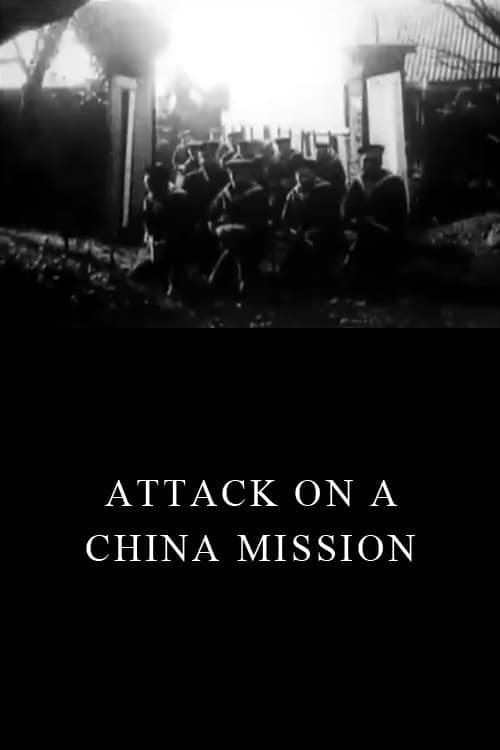
The titles tell us this film is based on an incident in the Boxer Rebellion. A man tries to defend a woman and a large house against Chinese attackers. They attack with swords, guns, and paddles. He's over-matched. What will become of the mission, its defenders, and its occupants?
Attack on a China Mission
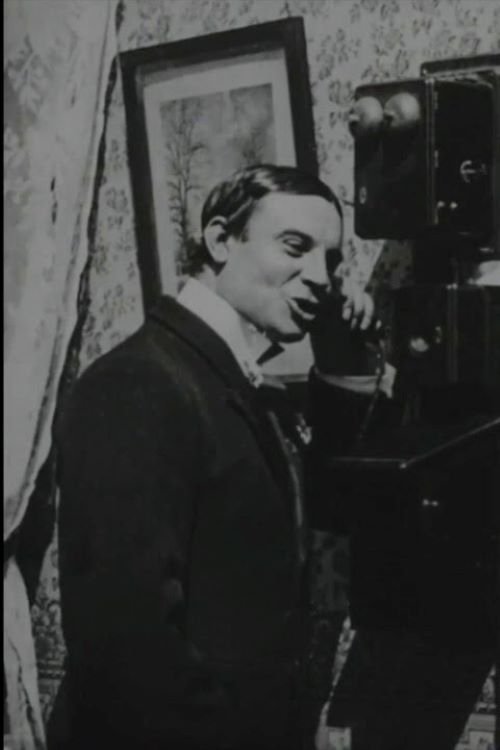
A young man's telephone call to his sweetheart is intercepted by her father, who beats him with his umbrella.
Are You There?
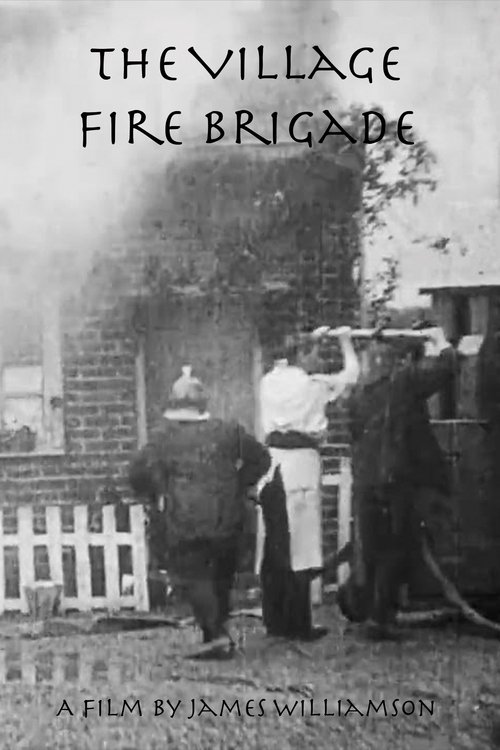
A village fire brigade puts out a fire.
The Village Fire Brigade
A workman flees from a lunatic who wishes to return a putty knife.
The Polite Lunatic
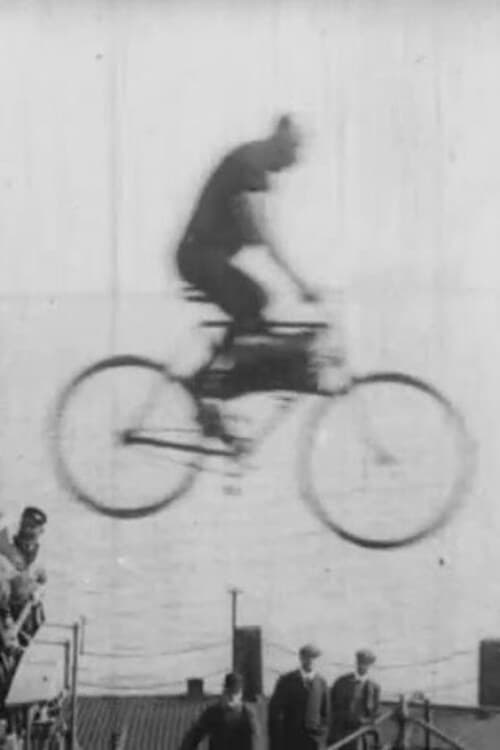
Innovative early 'trick' film showing the popular 'flying the foam' stunt performed on - or rather off - Brighton's West Pier.
Flying the Foam and Some Fancy Diving
A collection of early British Films from the Filmoteca de Catalunya. Films include: Brighton Seagoing Electric Car (1897), The Inexhaustible Cab (1899), From Dalmeny to Dunfermline, Scotland via the Firth of Forth Bridge (series) (1899), Review of Lord George Sanger's Circus by the Queen (series) (1899), Sanger Circus Passing Through Inverness (1900), The “Poly” Paper Chase (1900), The Wintry Alps (series) (1903), An Affair of Honor (1904), Perzina's Troupe of Educated Monkeys (1904), Elephants Bathing in Ceylon River (1904), [Drill of the Reedham Orphans] (c.1904–1912), Venice and the Grand Canal (1901?/1904?), Edge's Motor Boat. The Napier Minor (1904), Fixing the Swing (1904), Eccentric Burglary (1905), Her Morning Dip (1906), Automobile Fête Before King Alfonso and Princess Ena (1906), The Royal Spanish Wedding (series) (1906), Lace Making (1908), The Robber's Ruse, or Foiled by Fido (1909).
Early British Films from the Filmoteca de Catalunya 1897-1909
A two-wheeled convoy of Victorian gentlewomen in a charming early film enigma.
Lady Cyclists
An aged villager, reminded of his boyhood days in the church choir by the sound of the bells, totters to the church door and begs the vicar to allow him to join in and sing once more. He expires in the chancel, happy.
The Old Chorister

A mischievous errand boy, sent out on a delivery, causes havoc in the streets of Hove. When he arrives back at the shop, he finds all his furious victims are already there complaining to the grocer -- and the chase is on!
Our New Errand Boy
Short film about a man embarking on and returing from war. A print survives at the BFI.
A Reservist Before and After the War
George Smith's picture of the crowds out for a stroll on what I imagine is Brighton Pier.