FEEL IT.STREAM
Phil Solomon

Phil Solomon

Directing

Biography

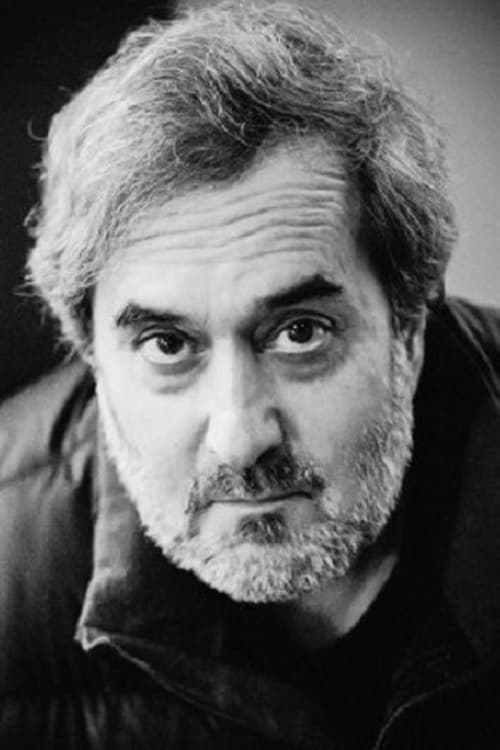
Phil Solomon was an internationally recognized filmmaker and educator who taught both film history/aesthetics and film production at University of Colorado Boulder from 1991 until his death in 2019. Solomon’s work has been screened in every major venue for experimental film throughout the U.S. and Europe, including 3 Cineprobes (one-man shows) at the Museum of Modern Art and two Whitney Biennials. His films have won 10 first prize awards at major international film festivals for experimental film (including six Juror’s Awards from the Black Maria Film and Video Festival). His films reside in the permanent collections of the Museum of Modern Art, Massachusetts College of Art, Binghamton University, Hampshire College, The Chicago Art Institute, San Francisco State University, the University of Wisconsin at Milwaukee, and the Oberhausen Film Collection. Solomon collaborated on three films with his colleague and friend, Stan Brakhage, who named Solomon’s Remains to be Seen on his Top Ten Films of All Time for Sight and Sound.

Known For

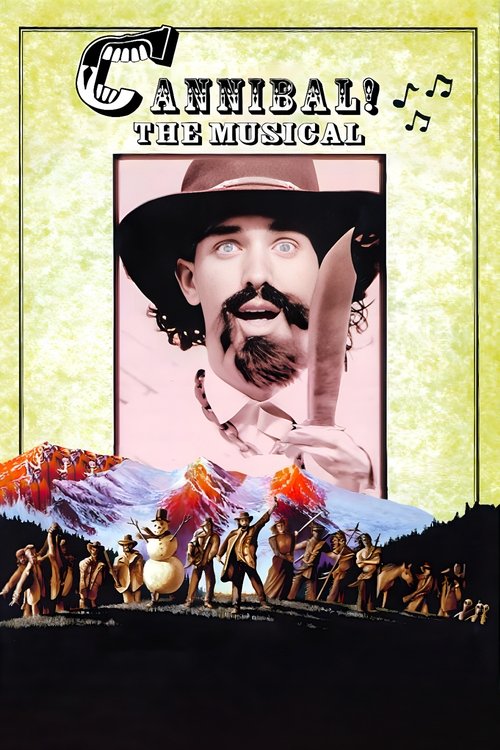
Cannibal! The Musical
6.3

Heading through Colorado Territory in search of gold and women, Alferd Packer and his group of bemused companions find themselves lost, starving and musically inspired by the obstacles they confront along the way, including a die-hard Confederate cyclops, a trio of surly trappers, a tribe of Japanese-speaking "Indians," and ultimately, each other.

Cannibal! The Musical

1996
Sleep Has Her House
6.7

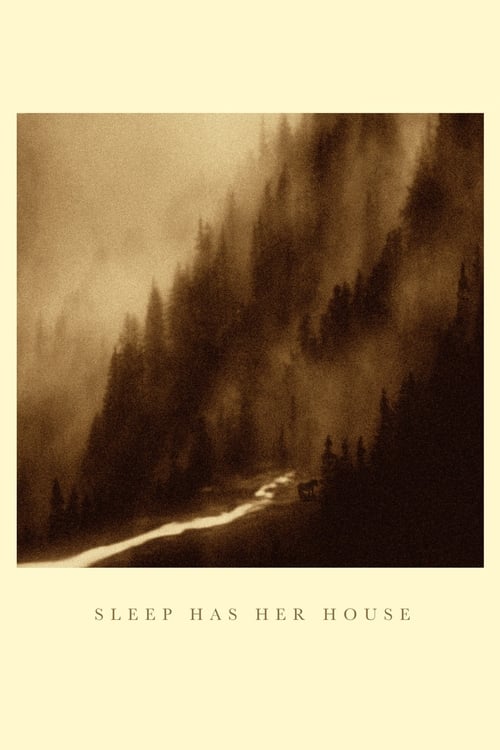
The shadows of screams climb beyond the hills. It has happened before. But this will be the last time. The last few sense it, withdrawing deep into the forest. They cry out into the black, as the shadows pass away, into the ground.

Sleep Has Her House

2017
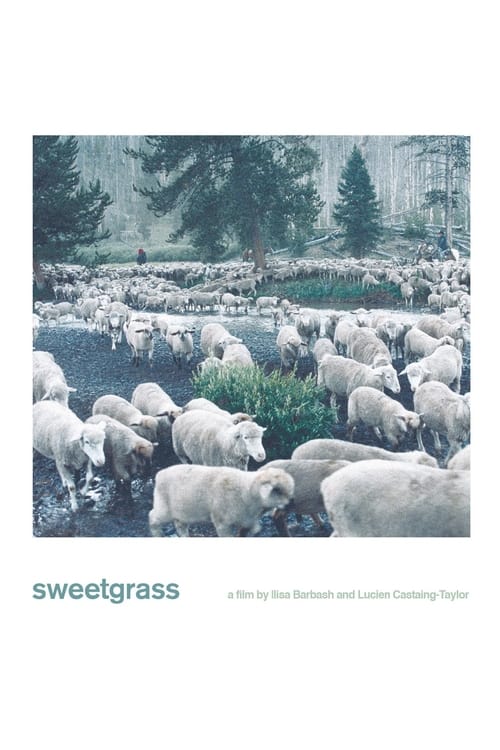
Sweetgrass
6.8

An unsentimental elegy to the American West, Sweetgrass follows the last modern-day cowboys to lead their flocks of sheep up into Montana's breathtaking and often dangerous Absaroka-Beartooth mountains for summer pasture, revealing a world in which nature and culture, animals and humans, vulnerability and violence are all intimately meshed.

Sweetgrass

2009
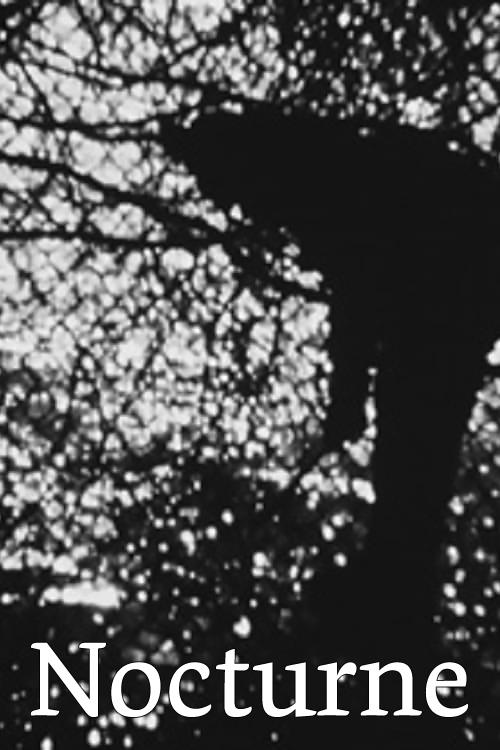
Nocturne
7.8

Nocturne evokes one of the most magnificent films of Brakhage: Fire of Waters. It takes place in a suburb populated by children playing and indistinct parental figures. The narrative plot might suggest that it was a boy's night-time plays; The flashes of a torch in a dark room evoke fights and aerial bombardments. An impression of hostility and a feeling of horror interferes in all the movements ... The fantasy is tinged with nightmare, a storm of repressed emotions hides behind the calm facade of this house. In Nocturne, found footage blends so well with the threat that its perception produces a discharge from the unconscious.

Nocturne

1980
Life with Stan #4: Stan Painting
N/A

This afternoon summer scene is very much how he worked (when painting directly on film) in the last several years – at various cafes and sports bars (usually indoors) on Pearl Street in Boulder (Boulder Blues and Pearls and…), amidst his taco salads, root beer floats, or Irish coffees…

Life with Stan #4: Stan Painting

2002
No image
7.5

This was an unfinished collaboration with Stan Brakhage. This film was actually screened publicly at least a few times, including at Pacific Film Archive (11/15/1994, described as a premiere), MoMA (5/3/1999, also described as a premiere – probably a revision), and First Person Cinema, CU Boulder (4/24/2000). TBD, but it’s likely that Solomon probably screened a workprint or even spliced original of the film in these instances (as he had done with The Lateness of the Hour), and then withdrew the film to work on further. It was never ultimately completed or re-released.

Alternating Currents

1994
Innocence and Despair
6.3

"One week after 9/11, independent filmmakers Jay Rosenblatt and Caveh Zahedi put out a call to over 150 experimental and documentary filmmakers asking for contributions to a collective film project (Underground Zero) addressing those tragic events and their aftermath. My five-minute contribution, Innocence and Despair, provided me with an opportunity to make my first digital video (with material culled from 16mm footage, both archival and my own) and to make something of a public work, something I had never done before. The title is copped from a favorite album of mine (The Langley Schools Music Project) that was originally recorded by Hans Fenger in 1976-77 with his grade school students singing popular songs of the day. I was meditating on ideas of before and after, of how the summering people in my little film could never have imagined looking up at the sky at a world such as existed on the day…" —Phil Solomon

Innocence and Despair

2002
Seasons...
6.7

Brakhage's frame-by-frame hand carvings and etchings directly into the film emulsion, sometimes photographically combined with paint, are illuminated by Solomon's optical printing; this footage was then edited by Solomon into a four part 'seasonal cycle'. This film can be considered to be part of a larger, 'umbrella' work by Brakhage entitled «...» . Seasons... is inspired by the colors and textures found in the woodcuts of Hokusai and Hiroshige, and the playful sense of forms dancing in space from the film works of Robert Breer and Len Lye.

Seasons...

2002
Last Days in a Lonely Place
6.5

The virtual landscapes of a video game are transformed into an existential tale of solemn beauty.

Last Days in a Lonely Place

2007
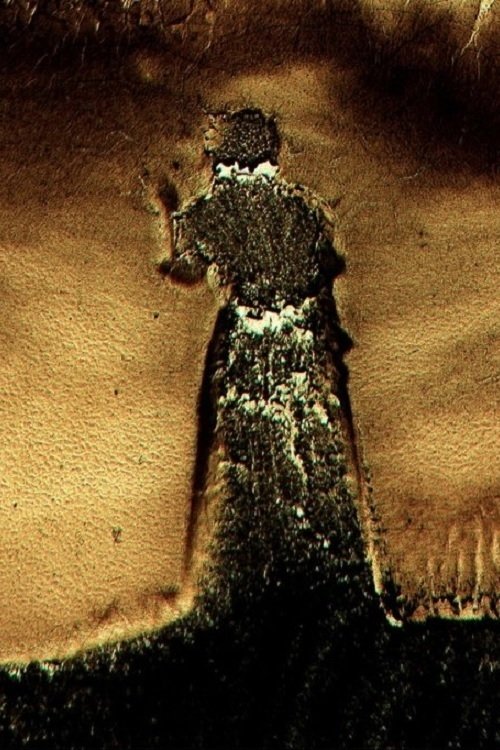
Psalm II: Walking Distance
7.4

Imagine a rusted, medieval film can having survived centuries, a long lost D. W. Griffith / Georges Méliès co-production, a film left to us from the Bronze Age, a time when images were smelted and boiled rather than merely taken, when they poured down like silver, not to be fixed and washed, but free to form and coagulate into unstable, temporary molds, mere holding patterns of faces, places, and things, shape-shifting according to whim.

Psalm II: Walking Distance

2000
What’s Out Tonight Is Lost
8.0

Adopting its title from a poem by Edna St. Vincent Millay, What’s Out Tonight Is Lost is an elegiac film sifting through the unrecoverable. The film is a reflecting pool where vision breaks up. Preserved by the Academy Film Archive in 2010.

What’s Out Tonight Is Lost

1983
Brakhage
7.1

BRAKHAGE explores the depth and breadth of the filmmaker’s genius, the exquisite splendor of his films, his magic personal charm, his aesthetic fellow travelers, and the influence his work has had on generations of other creators. While touching on significant moments in Brakhage’s biography, the film celebrates Brakhage’s visionary genius, and explores the extraordinary artistic possibilities of cinema, a medium mostly known only for its commercial applications in the form of narratives, cartoons, documentaries, and advertising. BRAKHAGE combines excerpts from Brakhage’s films and films of other avant-garde filmmakers (eg, George Kuchar, Jonas Mekas, Willie Varela, Bruce Elder, and others); interviews with Brakhage, his friends, family, colleagues, and critics; archival footage of Brakhage spanning the past thirty-five years; and location shooting in Boulder, Colorado and New York.

Brakhage

1998
Ida Western Exile
5.0

A would-be exile explores her Georgia O'Keeffe fantasies through customer support calls.

Ida Western Exile

2017
Remains to Be Seen
7.2

Solomon uses chemical and optical treatments to coat the film with a limpid membrane of swimming crystals, coagulating into silver recall, then dissolving.

Remains to Be Seen

1989
Psalm I: The Lateness of the Hour
7.3

A little nachtmusick, a deep blue overture to the series. Breathing in the cool night airs, breathing out a children's song; then whispering a prayer for a night of easeful sleep. Preserved by the Academy Film Archive in 2012.

Psalm I: The Lateness of the Hour

1999
Floating under a Honey Tree
N/A

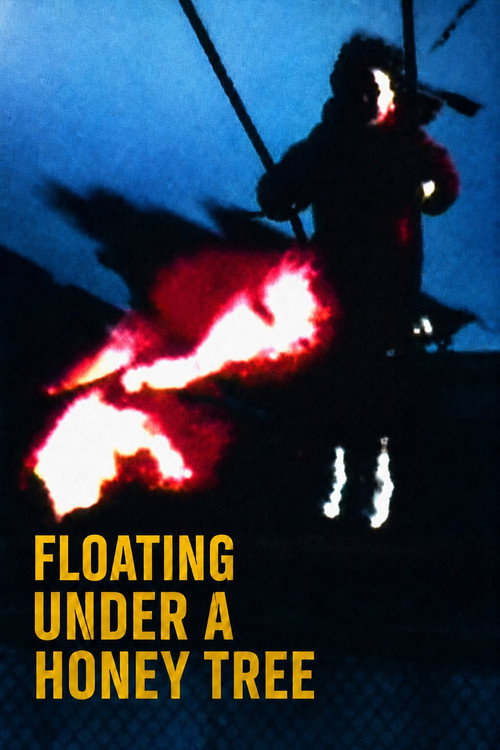
Glimpses and sparkles of childhood memories.

Floating under a Honey Tree

1998
Concrescence
7.0

"concrescence, principle of As a term from A.N. Whitehead's metaphysics refers to the drive things possess that impel them to actualization, the creative urge towards concrescence, for producing novel advances through the generation of greater interrelatedness. Many thinkers would deem this urge divine, so the principle of concrescence may be considered one of Whitehead's terms for God." - Bruce Elder

Concrescence

1996
Elementary Phrases
6.1

Colleagues at the University of Colorado at Boulder, the two began with strips of film Brakhage had painted on by hand, photographing them frame by frame with Solomon’s optical printer. They often printed two strips of film together, some of them containing images taken by Solomon, then chose from the images what Brakhage says “seemed to us natural phrases,” which Brakhage arranged into the final form. The result is a 40-minute silent film in which occasional hints of photographic images sometimes seem to peek through largely abstract shapes.

Elementary Phrases

1994
Turbulent Waters
2.0

An experiment in 3D abetted by a Pulfrich filter, originally theorized in the 1920s. Features water cinematography by Phil Solomon.

Turbulent Waters

2011
Still Raining, Still Dreaming
6.4

Part of Solomon’s acclaimed Grand Theft Auto series, titled “In Memoriam”, a body of work shot entirely within the virtual world of the Grand Theft Auto video game.

Still Raining, Still Dreaming

2009