FEEL IT.STREAM
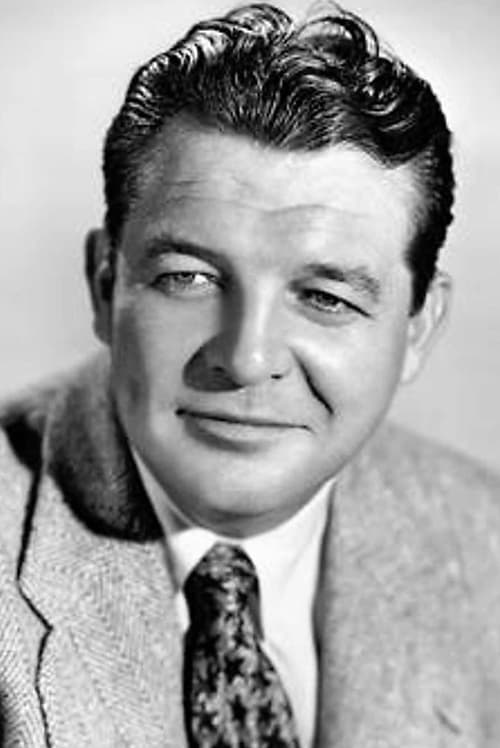
Gordon Jones

Gordon Jones

Acting

Biography

From Wikipedia, the free encyclopedia Gordon Wynnivo Jones (April 5, 1911 – June 20, 1963) was an American character actor, a member of John Wayne's informal acting company best known for playing Lou Costello's TV nemesis "Mike the Cop" and appearing as The Green Hornet in the first of two movie serials based on that old-time radio program. Iowa-born Jones had been a student athlete and star football guard ("Bull" Jones) at University of California, Los Angeles, and had also played a few seasons of professional football. He started out playing small roles in Wesley Ruggles' and Ernest B. Schoedsack's The Monkey's Paw (1933), his first credited role in Sam Wood's Let 'Em Have It (1935), and Sidney Lanfield's Red Salute (1935). By 1937, he had moved on to a contract at RKO Radio Pictures. In 1940, Jones had the title role in The Green Hornet but did not reprise the role in the sequel. Jones held a reserve commission in the army and was called into the service after filming his roles as "The Wreck" in My Sister Eileen (1942) and "Alabama Smith" in Flying Tigers (1942), a John Wayne vehicle that was one of the most popular action films of the war. This picture began Jones' 20-year onscreen association with Wayne, who was also a former football player at the University of Southern California. Jones remained associated with the service after the war, encouraging college students to consider the Reserve Officers' Training Corps. After resuming his acting career in the late 1940s, Jones appeared in prominent roles in the John Wayne features Big Jim McLain (1952) and Island in the Sky (1953). By the end of the 1940s, Jones had aged into a beefier screen presence and into very physical character roles. He was no longer a leading man but he had developed a comic villain persona which meshed with the work of Bud Abbott and Lou Costello. Jones' association with the duo began in The Wistful Widow of Wagon Gap (1947) with the role of the film's heavy, Jake Frame, and continued through their television series The Abbott and Costello Show. Jones played "Mike the Cop", Costello's hulking, loud-voiced antagonist. The program was produced for only two seasons, but ensured continued recognition for Jones via frequent reruns and a 21st Century DVD release. Jones also remained busy in films and on television throughout the 1950s, in pictures that ranged from the sci-fi chiller The Monster That Challenged the World to the Tony Curtis/Janet Leigh sex comedy The Perfect Furlough, and on TV series ranging from The Real McCoys to The Rifleman. Jones also appeared in two very successful Disney movies during the early '60s, The Absent-Minded Professor and Son of Flubber. He played harried school coaches in both pictures. He also starred with Mitzi Green and Virginia Gibson in the short-lived TV sitcom So This Is Hollywood (1955), and had a recurring role as neighbor Butch Barton during the early years of The Adventures of Ozzie and Harriet Jones returned to the John Wayne stock company portraying Douglas, the bureaucrat antagonist to Wayne's G.W. McLintock in the Western comedy McLintock! (1963). Jones unexpectedly succumbed to a heart attack on June 12, 1963, five months before the release of that movie. Jones has a star on the Hollywood Walk of Fame on the West side of the 1600 block of Vine Street.
Known For

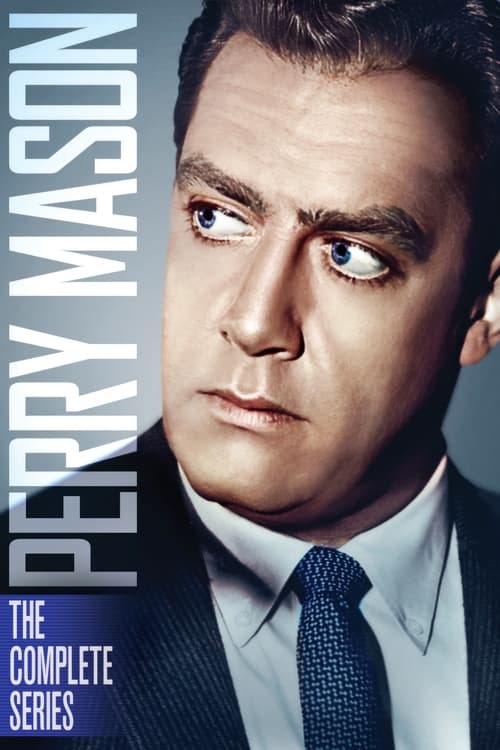
Perry Mason
7.7

The cases of master criminal defense attorney Perry Mason and his staff who handled the most difficult of cases in the aid of the innocent.

Perry Mason

1957
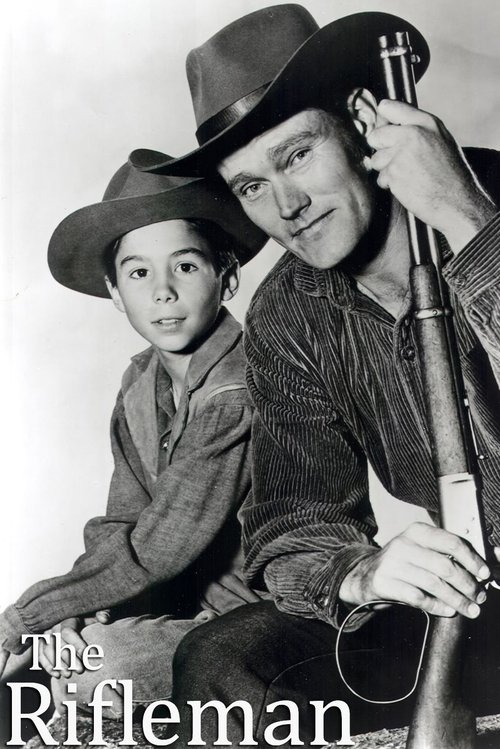
The Rifleman
7.1

The Rifleman is an American Western television program starring Chuck Connors as rancher Lucas McCain and Johnny Crawford as his son, Mark McCain. It was set in the 1880s in the town of North Fork, New Mexico Territory. The show was filmed in black-and-white, half-hour episodes. "The Rifleman" aired on ABC from September 30, 1958 to April 8, 1963 as a production of Four Star Television. It was one of the first prime time series to have a widowed parent raise a child.

The Rifleman

1958
Lassie
6.2

Lassie is the pet of Jeff Miller, an 11-year-old farm boy. The two become best friends and enjoy family adventures in the American countryside, teaching each other about love, nature and commitment.

Lassie

1954
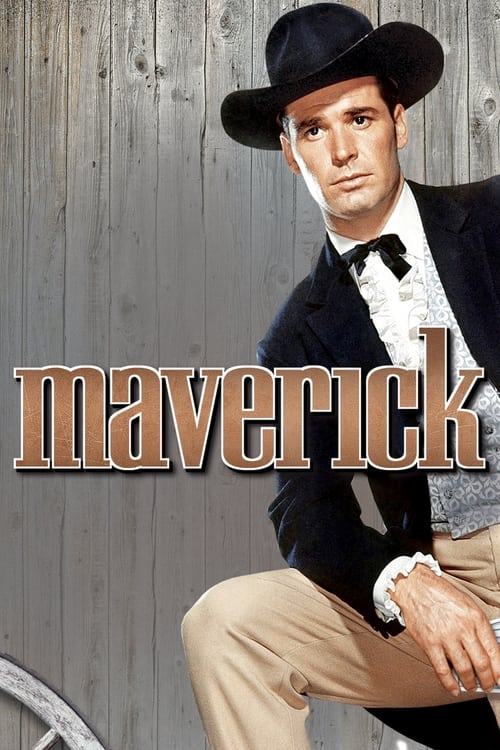
Maverick
6.9

The Maverick boys - Bret, Bart, Beau and Brent - are a clan of well-dressed dandies, gamblers who'd much rather make their money playing cards than messing up their fine clothing with actual work. Sly and clever, none of the Mavericks are much for acts of derring do, but they can be courageous when the situation calls for it. Most often, however, they live by their wits and considerable charm.

Maverick

1957
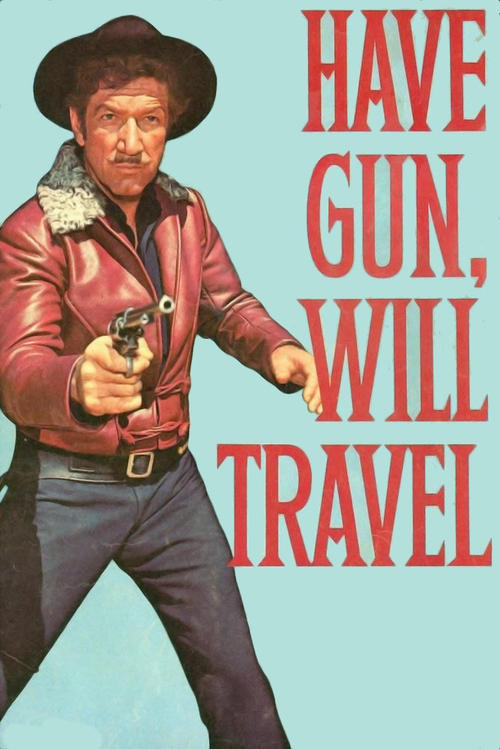
Have Gun, Will Travel
7.3

Have Gun – Will Travel is an American Western television series that aired on CBS from 1957 through 1963. It was rated number three or number four in the Nielsen ratings every year of its first four seasons. It was one of the few television shows to spawn a successful radio version. The radio series debuted November 23, 1958. The television show is presently shown on the Encore-Western channel. Have Gun – Will Travel was created by Sam Rolfe and Herb Meadow and produced by Frank Pierson, Don Ingalls, Robert Sparks, and Julian Claman. There were 225 episodes of the TV series, 24 written by Gene Roddenberry. Other contributors included Bruce Geller, Harry Julian Fink, Don Brinkley and Irving Wallace. Andrew McLaglen directed 101 episodes and 19 were directed by series star Richard Boone.

Have Gun, Will Travel

1957
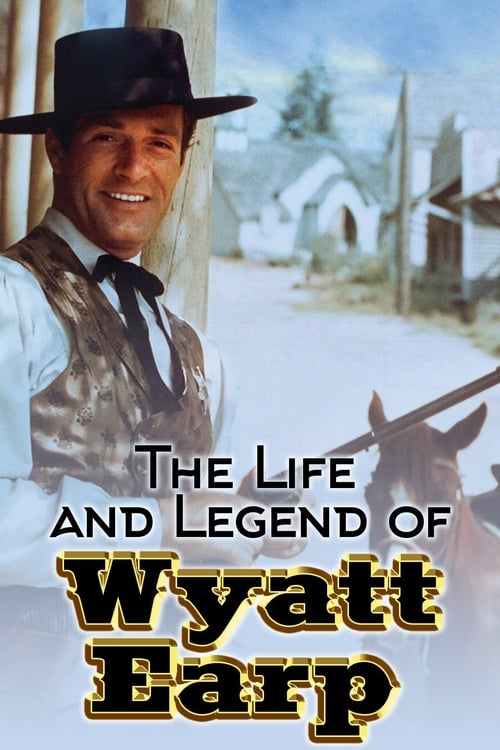
The Life and Legend of Wyatt Earp
6.8

The Life and Legend of Wyatt Earp is a television western series loosely based on the life of frontier marshal Wyatt Earp. The half-hour black-and-white program aired for 229 episodes on ABC from 1955 to 1961 and featured Hugh O'Brian in the title role.

The Life and Legend of Wyatt Earp

1955
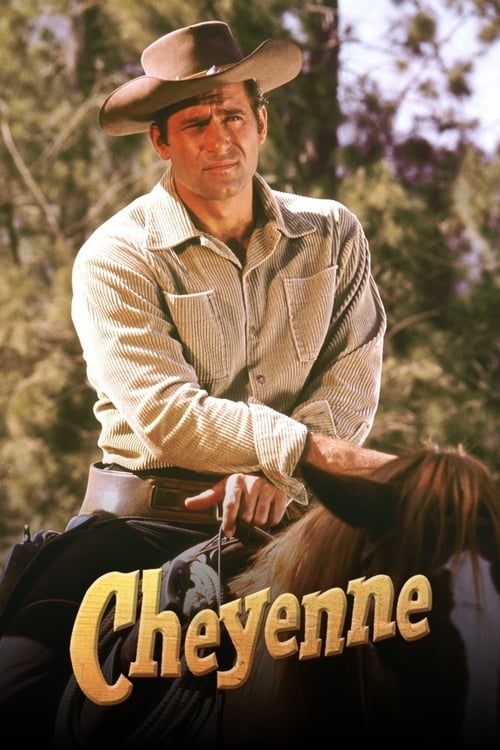
Cheyenne
6.1

Cheyenne Bodie was a big man, a former army scout who went west after the American Civil War and drifted from job to job, here a cowboy, there a lawman, and always a larger-than-life hero. CHEYENNE is an American western television series of 108 black-and-white episodes broadcast on ABC from 1955 to 1963. The show was the first hour-long western, and in fact the first hour-long dramatic series of any kind, with continuing characters, to last more than one season. It was also the first series to be made by a major Hollywood film studio which did not derive from its established film properties, and the first of a long chain of Warner Brothers original series produced by William T. Orr.

Cheyenne

1955
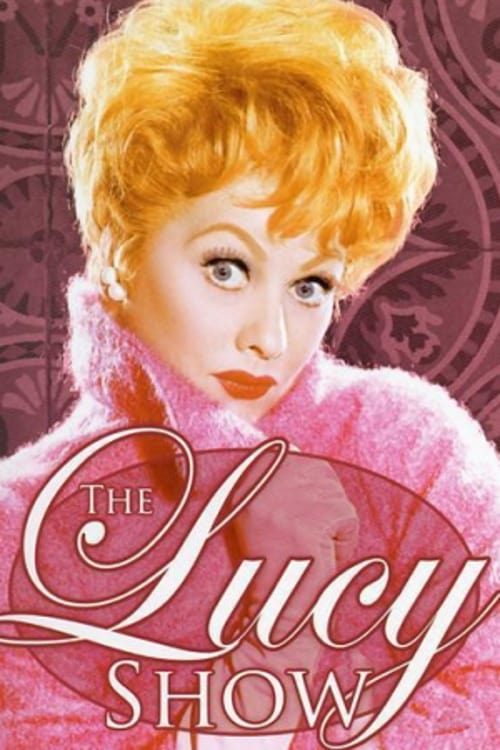
The Lucy Show
7.1

The Lucy Show is an American sitcom that aired on CBS from 1962–68. It was Lucille Ball's follow-up to I Love Lucy. A significant change in cast and premise for the 1965–66 season divides the program into two distinct eras; aside from Ball, only Gale Gordon, who joined the program for its second season, remained. For the first three seasons, Vivian Vance was the co-star. The earliest scripts were entitled The Lucille Ball Show, but when this title was declined, producers thought of calling the show This Is Lucy or The New Adventures of Lucy, before deciding on the title The Lucy Show. Ball won consecutive Emmy Awards as Outstanding Lead Actress in a Comedy Series for the series' final two seasons, 1966–67 and 1967–68.

The Lucy Show

1962
Hawaiian Eye
5.6

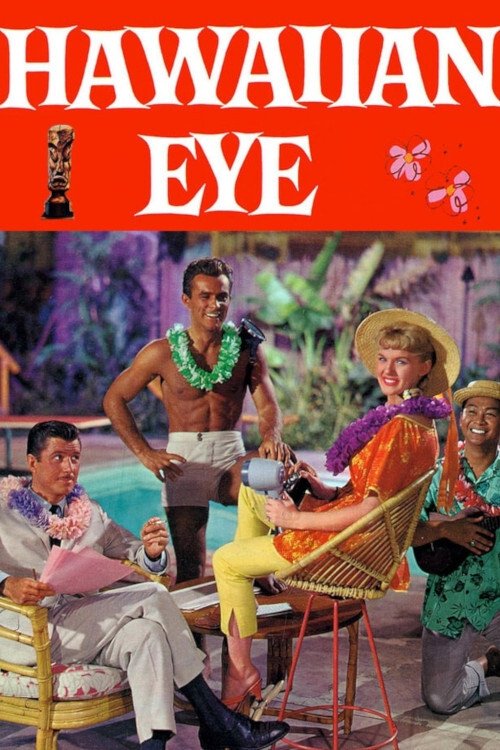
Private Eyes Tom Lopaka and Tracy Steele are based out of Hawaiian Village Resort where they work both hotel security and are hired by others to look into various matters. They're helped by their trusty right-hand man Kazuo Kim who runs a taxi company and is always eager to help them.

Hawaiian Eye

1959
77 Sunset Strip
7.1

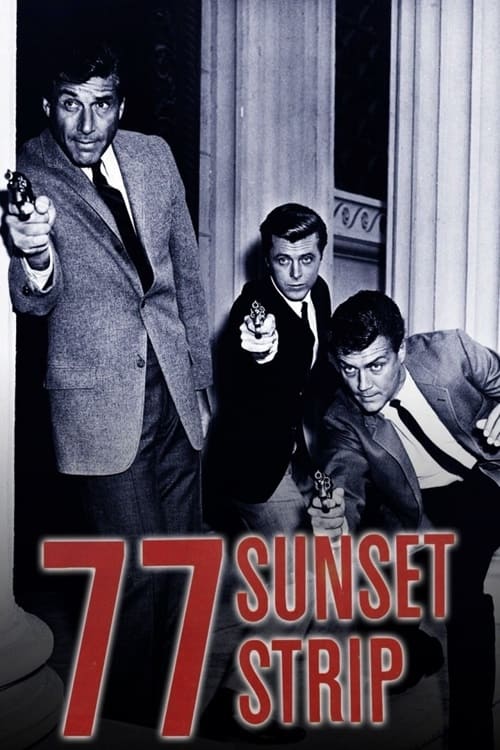
Stu Bailey and Jeff Spencer are the wisecracking, womanizing private-detective heroes of this Warner Brothers drama. They work out of an office located at 77 Sunset Strip in Los Angeles, California, right next door to a snazzy restaurant where Kookie works as a valet. The finger-snapping, slang-talking Kookie occasionally helps Stu and Jeff with their cases, and eventually becomes a full-fledged member of the detective agency. Rex Randolph and J.R. Hale also join the firm, and Suzanne is their leggy secretary.

77 Sunset Strip

1958
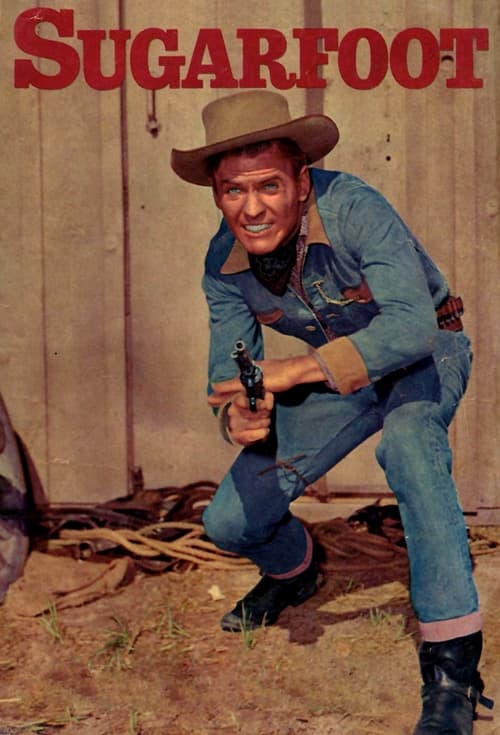
Sugarfoot
5.2

Sugarfoot is an American western television series that aired on ABC from 1957 to 1961. The series stars Will Hutchins as Tom Brewster, an Easterner who comes to the Oklahoma Territory to become a lawyer. Jack Elam is cast in occasional episodes as sidekick Toothy Thompson. Brewster was a correspondence-school student whose apparent lack of cowboy skills earned him the nickname "Sugarfoot", a designation even below that of a tenderfoot.

Sugarfoot

1957
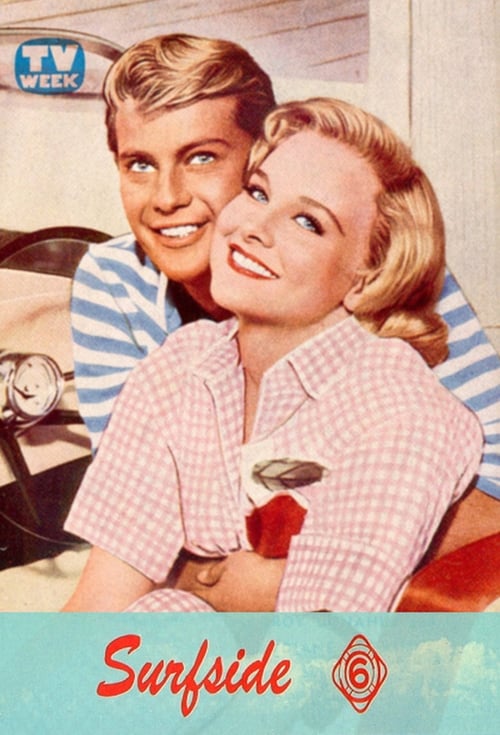
Surfside 6
6.3

Surfside 6 was an ABC television series which aired from 1960 to 1962. The show centered on a Miami Beach detective agency set on a houseboat and featured Troy Donahue as Sandy Winfield II; Van Williams as Kenny Madison; and Lee Patterson as Dave Thorne. Diane McBain co-starred as socialite Daphne Dutton, whose yacht was berthed next to their houseboat. Margarita Sierra also had a supporting role as Cha Cha O'Brien, an entertainer who worked at The Boom Boom Room, a popular Miami Beach hangout at the Fontainebleau Hotel, directly across the street from Surfside 6. Surfside 6 was in fact a real address in Miami Beach, where an unrelated houseboat was moored at the time; it can also be seen in the sweeping aerial establishing shot of the Fontainebleu in 1964's Goldfinger.

Surfside 6

1960
Richard Diamond, Private Detective
6.8

Richard Diamond, Private Detective is an American detective drama which aired on radio from 1949 to 1953, and on television from 1957 to 1960.

Richard Diamond, Private Detective

1957
The Many Loves of Dobie Gillis
6.3

The Many Loves of Dobie Gillis is an American sitcom that aired on CBS from 1959 to 1963. The series and several episode scripts were adapted from a 1951 collection of short stories of the same name, written by Max Shulman, who had also written a feature film adaptation of his short stories for MGM in 1953, The Affairs of Dobie Gillis. The series revolved around the life of teenager/young adult Dobie Gillis, who, along with his best friend, beatnik Maynard G. Krebs, struggles against the forces of his life - high school, the military, college, and his parents - as he aspires to attain both wealth and dates with girls. The Many Loves of Dobie Gillis was produced by Martin Manulis Productions in association with 20th Century Fox Television. Creator Shulman also wrote the theme song in collaboration with Lionel Newman.

The Many Loves of Dobie Gillis

1959
Dennis the Menace
6.6

This 1959-1963 television situation comedy series follows the lives of the Mitchell family, Henry, Alice, and their only child Dennis, an energetic, trouble-prone, mischievous, but well-meaning boy, who often tangles with his peace-and-quiet-loving neighbor George Wilson, a retired salesman, or, later, with George's brother John, a writer. Dennis is basically a good, well-intentioned boy who always tries to help people, but who winds up making situations worse – often at Mr. Wilson's expense.

Dennis the Menace

1959
Laramie
6.7

Laramie is an American Western television series that aired on NBC from 1959 to 1963. A Revue Studios production, the program originally starred John Smith as Slim Sherman, Robert Fuller as Jess Harper, Hoagy Carmichael as Jonesy and Robert L. Crawford, Jr., as Andy Sherman.

Laramie

1959
The Abbott and Costello Show
7.2

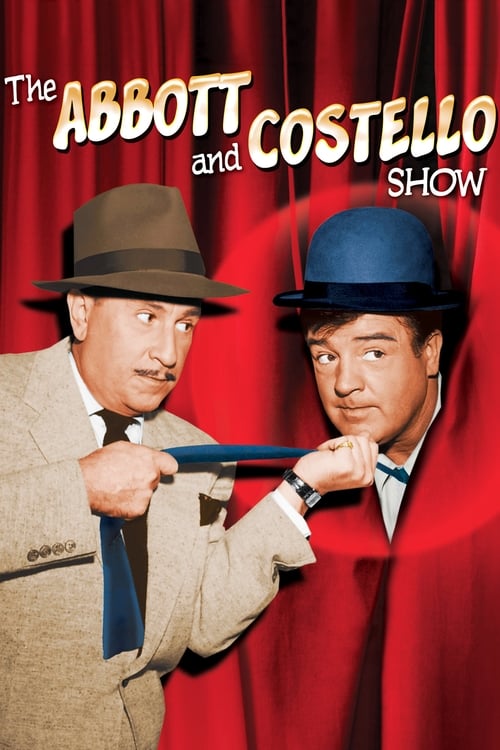
Bud and Lou are unemployed actors living in Mr. Fields’ boarding house. Lou’s girlfriend Hillary lives across the hall. Many situations arise leading to slapstick and puns.

The Abbott and Costello Show

1952
The Adventures of Jim Bowie
5.3

The Adventures of Jim Bowie is an American Western television series that aired on ABC from 1956 to 1958. Its setting was the 1830s-era Louisiana Territory. The series was an adaptation of the book Tempered Blade, by Monte Barrett. The series stars Scott Forbes as the real-life adventurer Jim Bowie. The series initially portrayed Jim Bowie as something of an outdoors-man, riding his horse through the wilderness near his home in Opelousas, where he would stumble across someone needing his assistance. He was aided by the Bowie Knife, his ever-present weapon. He designed it in the first episode, The Birth of the Blade.

The Adventures of Jim Bowie

1956
Cavalcade of America
4.6

Cavalcade of America is an anthology drama series that was sponsored by the DuPont Company, although it occasionally presented a musical, such as an adaptation of Show Boat, and condensed biographies of popular composers. It was initially broadcast on radio from 1935 to 1953, and later on television from 1952 to 1957. Originally on CBS, the series pioneered the use of anthology drama for company audio advertising. Cavalcade of America documented historical events using stories of individual courage, initiative and achievement, often with feel-good dramatizations of the human spirit's triumph against all odds. This was consistent with DuPont's overall conservative philosophy and legacy as an American company dating back to 1802. The company's motto, "Maker of better things for better living through chemistry," was read at the beginning of each program, and the dramas emphasized humanitarian progress, particularly improvements in the lives of women, often through technological innovation.

Cavalcade of America

1952
The Gene Autry Show
4.7

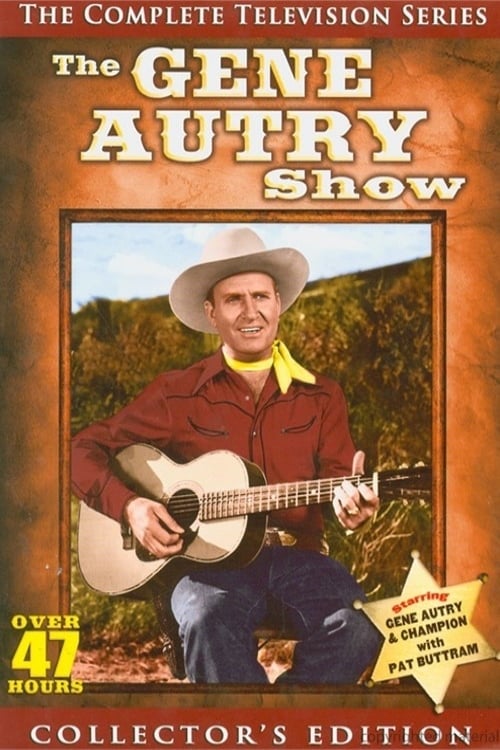
The Gene Autry Show is an American western/cowboy television series which aired for 91 episodes on CBS from July 23, 1950 until August 7, 1956, originally sponsored by Wrigley's Doublemint chewing gum.

The Gene Autry Show

1950