Acting
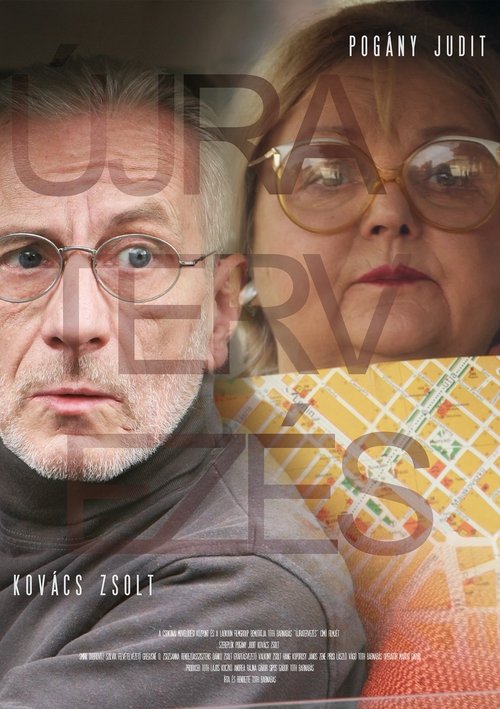
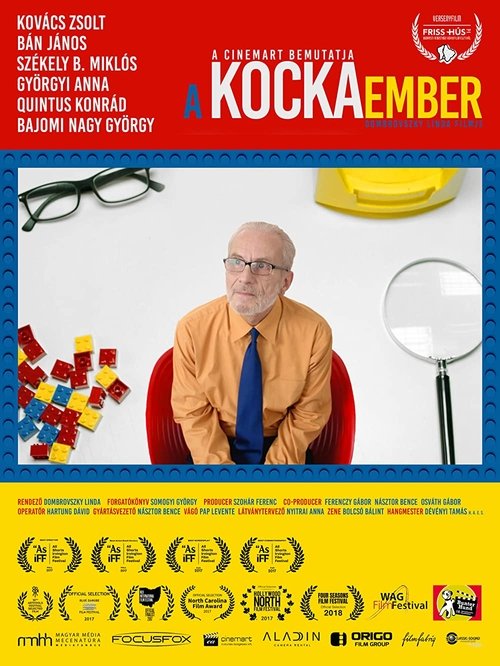
An elderly couple in the traffic. The wife chitchats, warns, controls. She is a policeman, a GPS and a commentator, all at once. The husband growls or strikes out. This is how their world works. But life is a constant replanning...
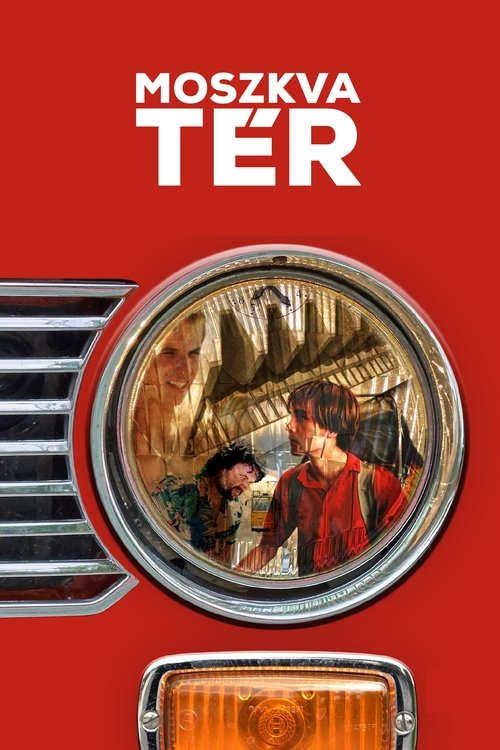
1989 is an important year in the political history of Hungary. However, Petya and his friends couldn't care less. They are about to graduate high school. The only important things to them are the parties, girls, making some easy cash. And of course, passing the upcoming exam with the leaked questions.
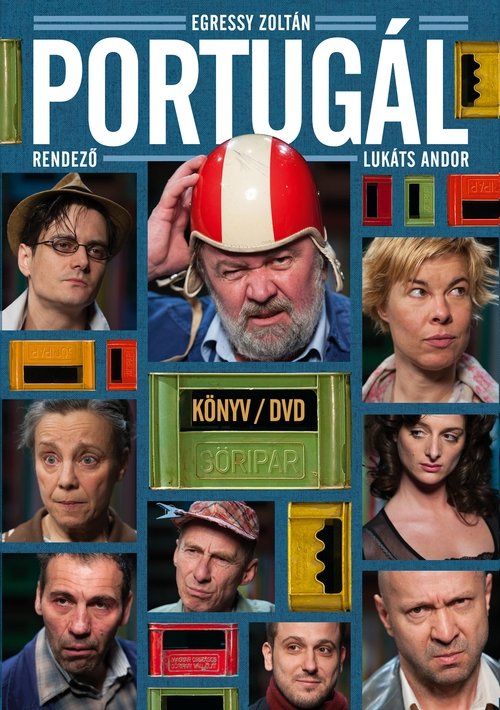
The film takes place in a present-day small Hungarian village in the middle of nowhere. Strangers hardly ever come to this place, everything outside of it seems to be in another world for the inhabitants. But one day everything changes, when a stranger from Budapest enters the pub. He is on his way to a vacation in Portugal and wants to spend some days in this village. He soon starts a love affair with the pub owner's daughter. The ex-policeman of the village doesn't like this at all...
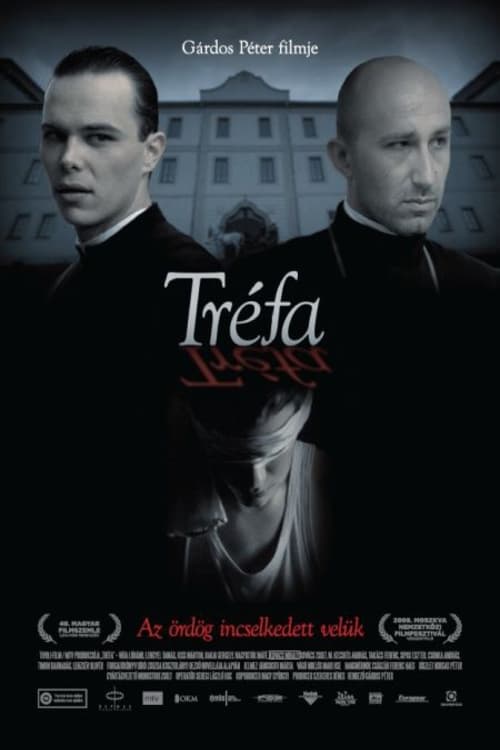
It is 1912 and war looms on the horizon. The school year begins in a boarding school run by priests. Zoltán's father, is one of the masters and struggling with questions that challenge their faith, while waiting for news of his brother, Titanic passenger, and is a particularly problematic group of new students, many of whom have been fond increasingly heavy play each other jokes. The arrival of Father Weigl, hired to teach physical education, will bring alarming consequences.
At a gas station in the middle of nowhere, a young man arrives to meet his father he hasn't seen for 30 years. On the same day, a van with four prostitutes breaks down at the very same gas station, on the way to Switzerland. The three days they spend together in the station change their lives forever.
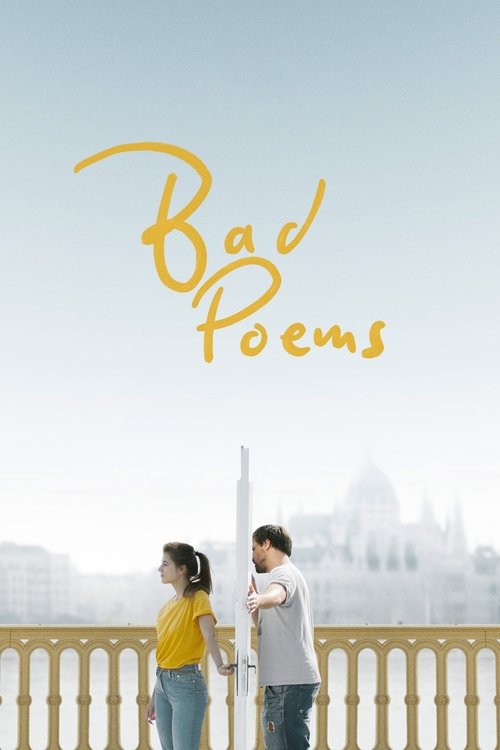
33-years old Tamás Merthner is heartbroken, after his girlfriend Anna, who is on a scholarship in Paris, breaks up with him. While wallowing in self-pity, Tamás takes a trip down memory lane to figure out if love only exists when it's practically gone. As he's trying to pick up the pieces, he begins to realize what makes this current society so confused, which gives us a highly subjective view of Hungary's present.
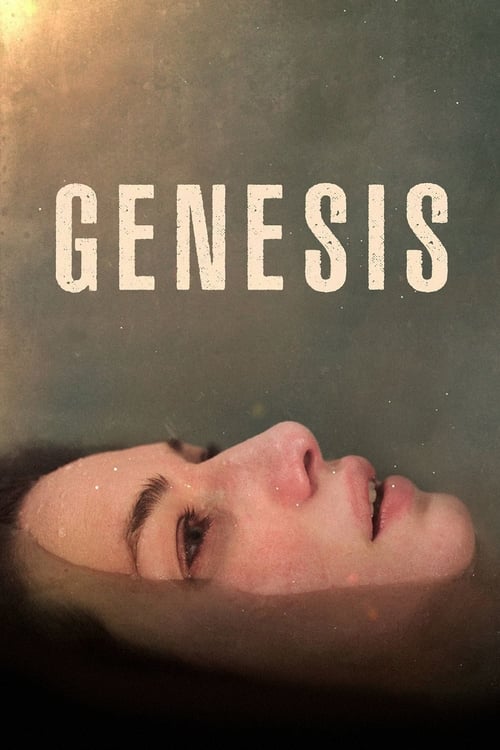
The three stories within Genesis explore the notion of family: a woman in her late thirties rediscovers the faith she lost as a child; a mother goes to extreme lengths to ensure that her daughter is saved from the fate she was forced to endure; a Roma boy’s family are killed and the perfect world of his childhood is destroyed.
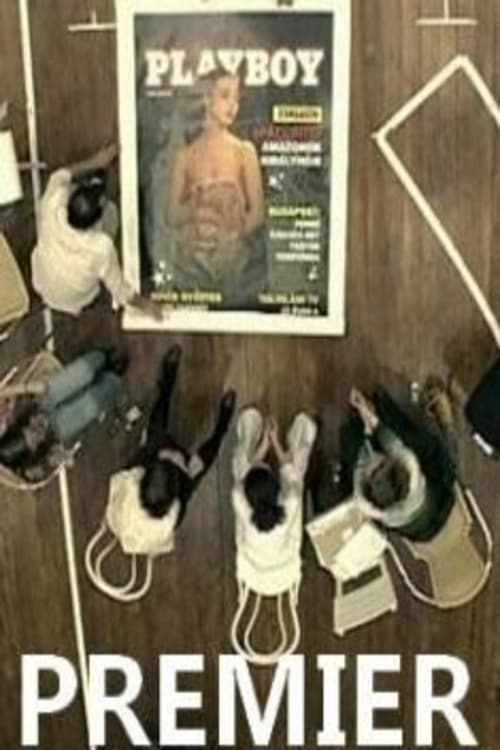
A new National Theatre is built, and the director hires a famous Danish director for the premiere performance. The actors rehearse, the tractor and the construction workers work on the almost finished building. Everything seems to be on track, including the train, unfortunately, on the siding of the bridge next to the theatre. It's a little too loud and it's echoing into the main hall, so rehearsals are squeezed into a room that isn't very big. Bridge cushions are coming, even though it's cold and a bit like Christmas, but most importantly, the art is happening and the lead actress is indeed a queen. She falls in love with her partner and destroys him at the end of the performance. The role takes shape, only sometimes it is eerily similar to the real life of the artists. Will they live to see the premiere?
No description available.
The story takes place in the Stalinist camps of the 1930s, where the main character, Gleb Nesterov, is trying to escape while they are starving and have no idea who has been captured or why. There is no trace of logic in the camp, although the engineer is obsessed with researching it, as it should be. From one day to the next, Professor Adrián is also captured and interrogated, and they want to extort a confession from him while humiliating him. Moral laws and norms have disappeared here, there is only humiliation, death and starvation.
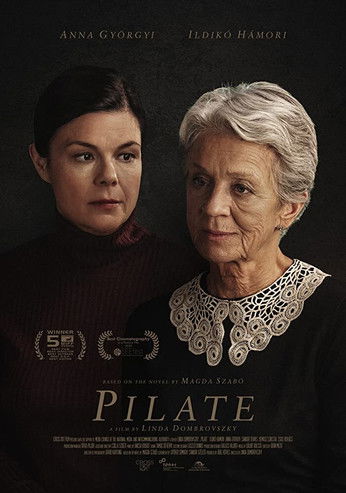
The mother loves her daughter; the daughter loves her mother. The tragedy of misunderstood love. The adaptation of Magda Szabó's novel translated into twelve languages.
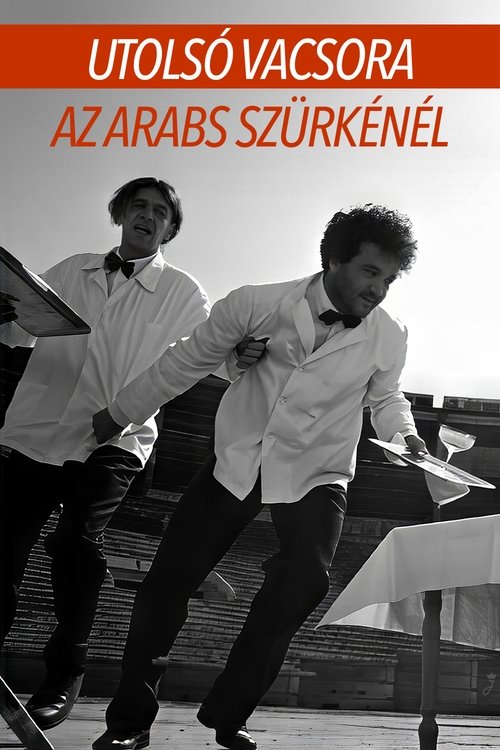
Waiters’ competition at Heroes’ Square in the late thirties. Dressed as waiters, Kapa and Pepe awake in the bronze chariot of the millennial sculpture group. They drive along the Danube promenade, and on the concrete reinforcement of the demolished Budapest rondella hotel they get involved in a showdown of political background. In the burnt-down Sports Hall the waiters train for a last supper, Pepe and Kapa run around the big laid table with trays in their hands. While doing so, Pepe keeps crying out: "I am the best one, I am the most beautiful one, I am the king, I am the god..." Sitting in a boat on the Danube, a ship goes past them, and the Niagara falls, majestic and breathtaking, resound in their ears. On each passing away something new will come to life – as rapped by Sub Bass Monster.
Áron stands in his life as an average 29-year-old weirdo. He has many contemporary complexes, a fresh university degree, and a recent break up. His parents have to support him financially as he is still a job seeker and while Áron is agonizing on his lost love, he is always interrupted by something; it seems like he’s not the main character in his life.
Árpád Bogdán's debut film seduces you with stylized visuals and an intensity that gives you an insight into the director's mind. His profound knowledge of the subject is evident throughout a film that is bereft of sex and violence. There is a poetic feel to the images that include a horse running wild on the streets of Budapest before it is caught and led into a horse trailer. The sequence is an eerie symbolic reminder of earlier visuals in the film of the young boy fleeing from parents/elders being arrested by police with the mother figure urging the child to run before he himself is caught and taken to an orphanage, psychologically scarred...(c) http://www.imdb.com/title/tt0944188/reviews
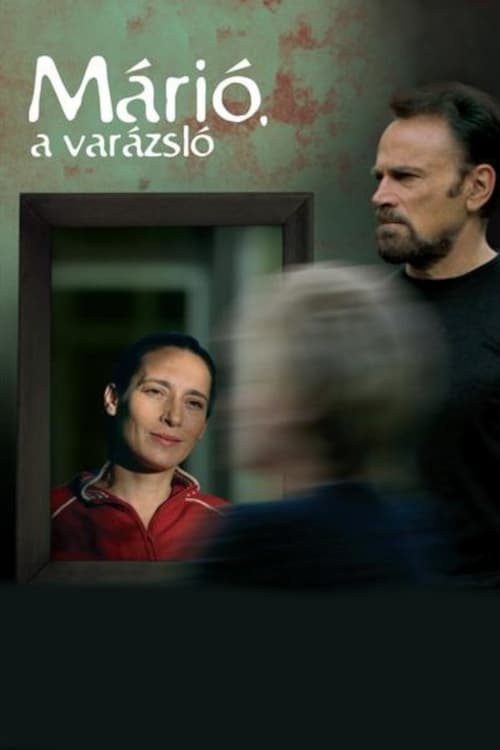
An Italian businessman, Mario comes to the country and opens his shoe company in a small village. A middle-aged female worker falls in love with Mario, but she is not the only one whose life will be changed.
Kapa, Pepe and Mesi would like to buy a scrapyard of trains, to start a nostalgia train and earn a lot of money. The capital to start with they want to get from grandpa, who has come home from America with a suitcase full of money. Everybody wants Mesi to approach the old man, because she is the only one he would speak to. But Mesi is more concerned with the idea that she wants a child, by now from anyone, while Pepe is jealous. Kapa’s alleged son emerges, with the mafia behind him: they, too, are eager to get grandpa’s money. After threats and blackmailing, poisoned apples are sent, with only one side of them poisonous. Those dead, by the way, are resurrected by the sound of a song. At last, nobody manages to get the money, but it wouldn’t make sense anyway: it’s all fake. The Statue of Liberty, however, turns out to be blind.
In the Kerepesi Street cemetery, three grave diggers contemplate the fate of the world, then they step out of this role and in a sequence of episodes they play the typical figures of contemporary Hungarian reality, the fat cat, the swashbuckler, the victim, underworld chieftains, and present little absurd dramas of love, marriage, friendship, public order and legal safety. The author and the film director walk among them all the time, contemplating, laughing at their plays. The stories starting from the graveyard and returning there warn of the inevitability of death. The author and the director (Gyula Hernádi and Miklós Jancsó) wisely make friends with death.