Acting
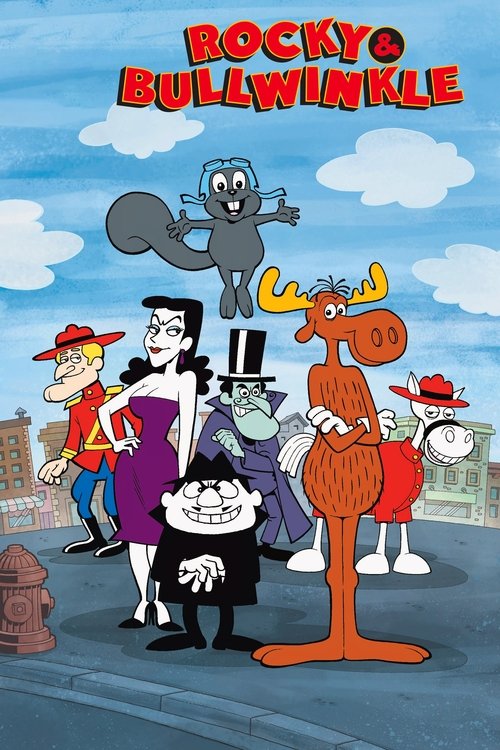
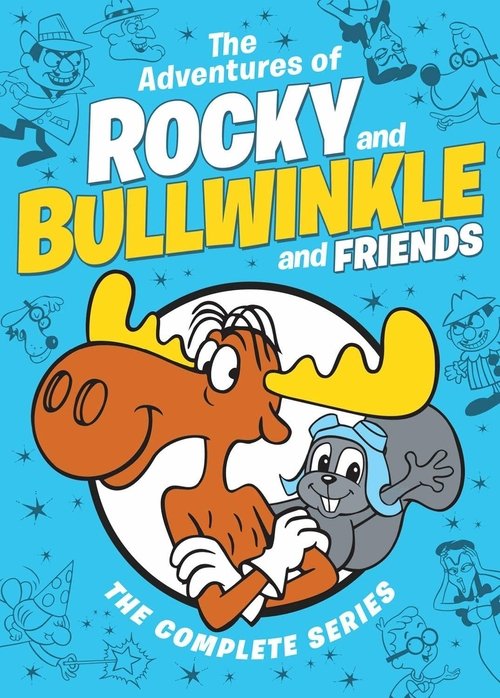
A variety show, with the main feature being the serialized adventures of the two title characters, the anthropomorphic moose Bullwinkle and flying squirrel Rocky. The main adversaries in most of their adventures are the Russian-like spies Boris Badenov and Natasha Fatale. Supporting segments include Dudley Do-Right, Peabody's Improbable History, and Fractured Fairy Tales, among others.
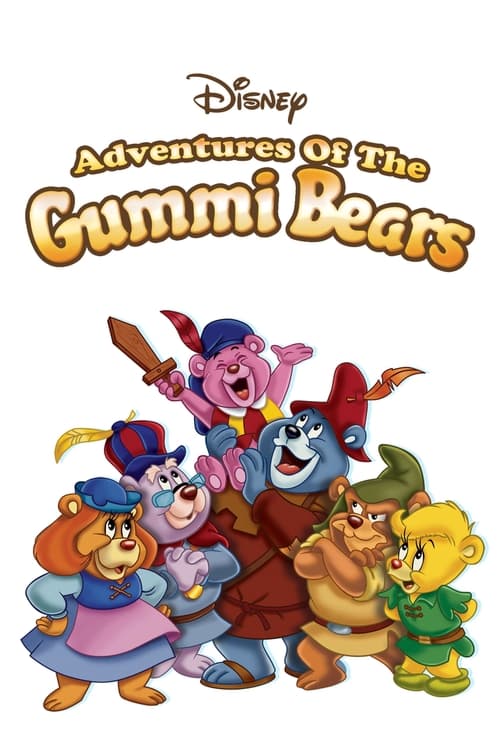
Join the world’s sweetest heroes for high adventure in a mystical land of giants and wizards, ogres and dragons, and wondrous creatures both good and evil. Meet Gruffi, Zummi, Cubbi, Grammi, Tummi, Sunni, and all the legendary Gummis as they laugh, play, foil dastardly plots, and fight for what's right.
Rocky, a plucky flying squirrel and Bullwinkle, a bumbling but lovable moose, have a series of ongoing adventures.
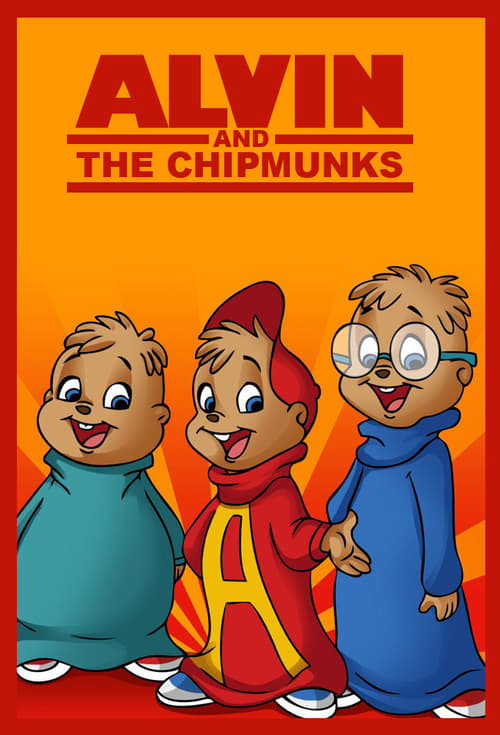
Three chipmunk brothers, Alvin, Simon, and Theodore are adopted by human, Dave.
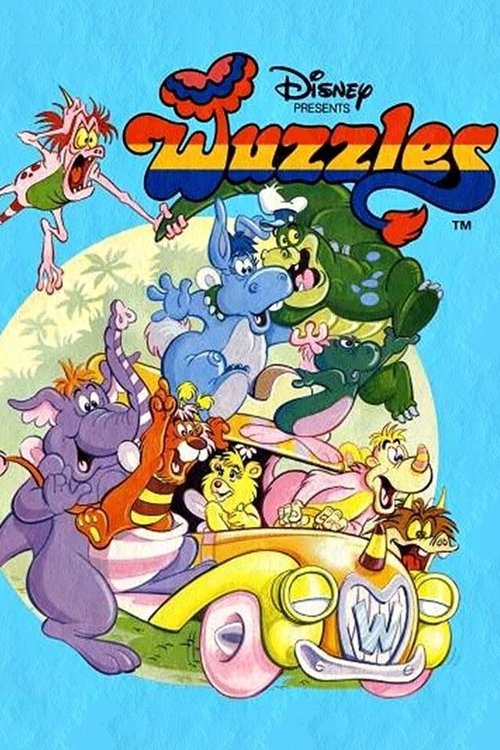
An idea of Michael Eisner for his new Disney television animation studio. The premise is that the main characters are hybrids of two different animals. The original thirteen episodes ran on CBS for their first run.
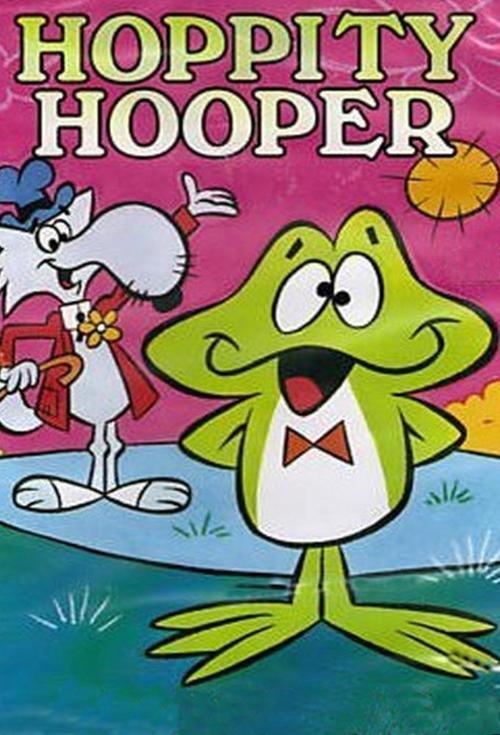
Hoppity Hooper is a American animated television series produced by Jay Ward, and sponsored by General Mills, originally broadcast on ABC on September 12, 1962 and premiered in full on January 1. The series was produced in Hollywood by Jay Ward and Bill Scott, with animation done in Mexico City by Gamma Productions.
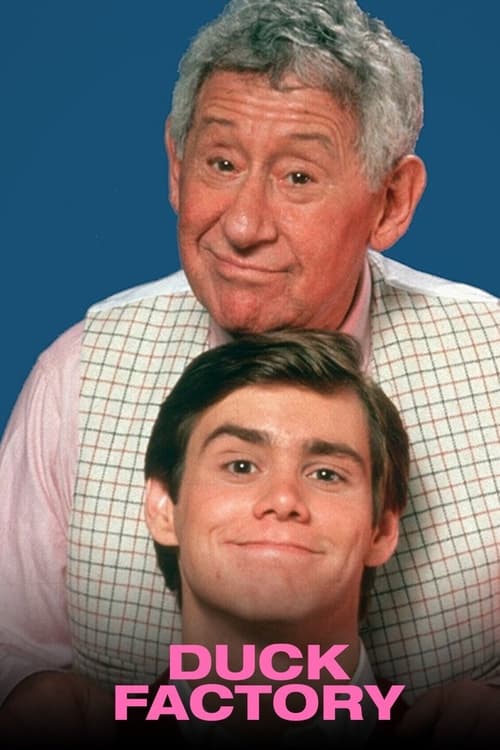
The Duck Factory is a 1984 NBC television series produced by MTM Enterprises that is perhaps most notable for being Jim Carrey's first lead role in a Hollywood production. The show was co-created by Allan Burns. The premiere episode introduces Skip Tarkenton, a somewhat naive and optimistic young man who has come to Hollywood looking for a job as a cartoonist. When he arrives at a low-budget animation company called Buddy Winkler Productions, he finds out Buddy Winkler has just died, and the company desperately needs new blood. So Skip gets an animation job at the firm, which is nicknamed "The Duck Factory" as their main cartoon is "The Dippy Duck Show". Other Duck Factory employees seen regularly on the show were man-of-a-thousand-cartoon voices Wally Wooster; comedy writer Marty Fenneman; artists Brooks Carmichael and Roland Culp, editor Andrea Lewin, and business manager Aggie Aylesworth. Buddy Winkler Productions was now owned by his young, ditzy widow, Mrs Sheree Winkler, who had been married to Buddy for all of three weeks before his death. The Duck Factory lasted thirteen episodes; it premiered April 12, 1984. The show initially aired at 9:30 on Thursday nights, directly after Cheers, and replaced Buffalo Bill on NBC's schedule. Jay Tarses, an actor on The Duck Factory, had been the co-creator and executive producer of Buffalo Bill, which had its final network telecast on Thursday, April 5, 1984.
No description available.
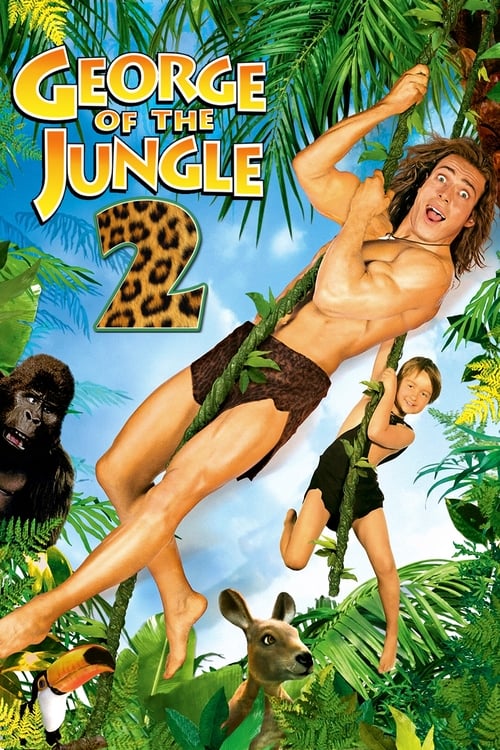
George and Ursula now have a son, George Junior, so Ursula's mother arrives to try and take them back to "civilization".
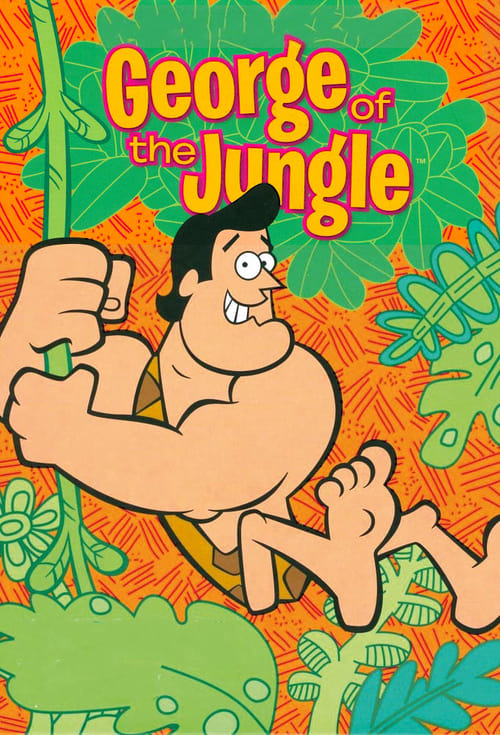
George of the Jungle is an American animated series produced by Jay Ward and Bill Scott, who created The Rocky and Bullwinkle Show. The character George was inspired by the legend of Tarzan. It ran for 17 episodes on Saturday mornings from September 9 to December 30, 1967, on the American TV network ABC. The half-hour program was distributed for many years by Worldvision Enterprises, currently part of CBS Television Distribution. Each Full Episode was a compilation of 3 mini episodes from 3 different shows: George of the Jungle; Tom Slick; Super Chicken -Each voiced by the same actors.
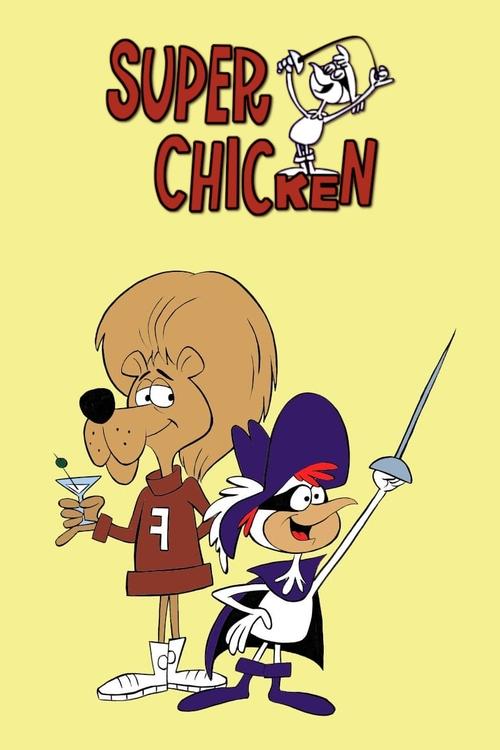
Super Chicken is a segment that ran on the animated television series George of the Jungle. It was produced by Jay Ward and Bill Scott, who earlier had created the Rocky and Bullwinkle cartoons. It debuted September 9, 1967 on ABC.
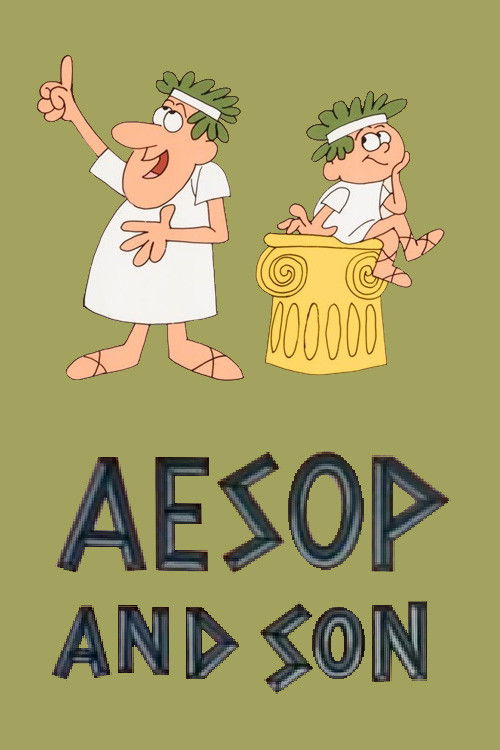
Aesop and Son was a segment on "The Adventures of Rocky and Bullwinkle". It is similar to "Fractured Fairy Tales," except it deals with fables instead of fairy tales.
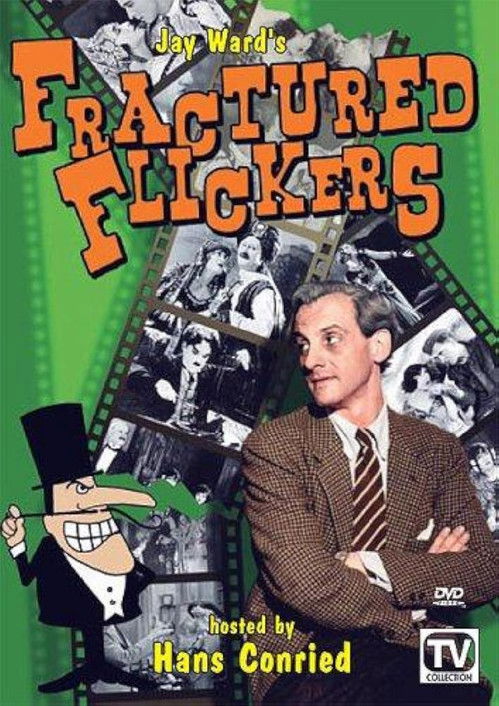
Fractured Flickers is a live-action syndicated half-hour television comedy show that was produced by Jay Ward, who is otherwise known for animated cartoons. The pilot film was produced in 1961, but the series wasn't completed until 1963. Twenty-six episodes were produced; they were syndicated by Desilu Productions and played for several years on local stations.
Mr. Magoo's house is towed-away by thieves.
An insurance salesman enters Magoo's house hoping to make a sale. Magoo refuses but the salesman is eventually able to sell Magoo some by posing as one of Magoo's old college chums. Magoo is now worth a hefty sum and is ready to collect after being bitten by a dog (actually a tiger rug) but, instead of going to the insurance building, enters a building under construction next door to it. The salesman and his boss notice Magoo walking around the steel skeleton of the building and realizing, "If he falls, the company falls", they rush over making several attempts to save Magoo's life and keep him from endangering himself.
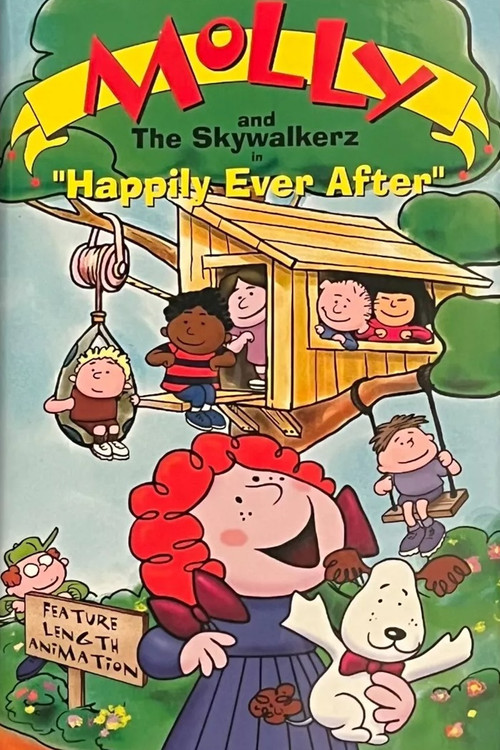
Third-grader Molly Conway finds out that her parents are getting divorced. She tries everything she can to get them back together, but most of her attempts backfire. Eventually, she accepts her new situation with the help of her friends.
UCLA Student Film, Preserved by the UCLA Film and Television Archive. A parody of 16mm educational and social engineering films, "Teen Tips," tells a morality tale about a young man coming into puberty and attempting to find a suitable girl to date.
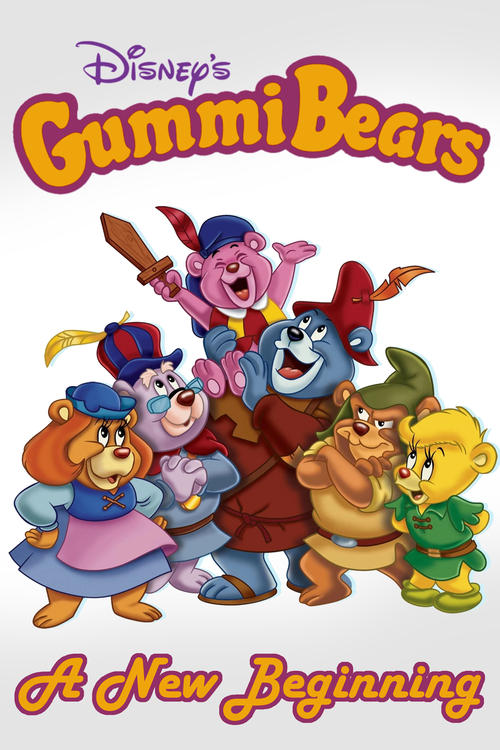
As Duke Igthorn plans an attack on King Gregor's castle, Cavin (a page in the castle) is left in the woods after some of Igthorn's ogres run off the Humans. The Gummi Bears find Cavin passed out in the woods with a Great Gummi Medallion, that was left to him by his grandfather. When he proves he is a friend, the Gummi Bears and Cavin team up to stop Igthorn's plans.