Vincent Dieutre
Directing
Biography
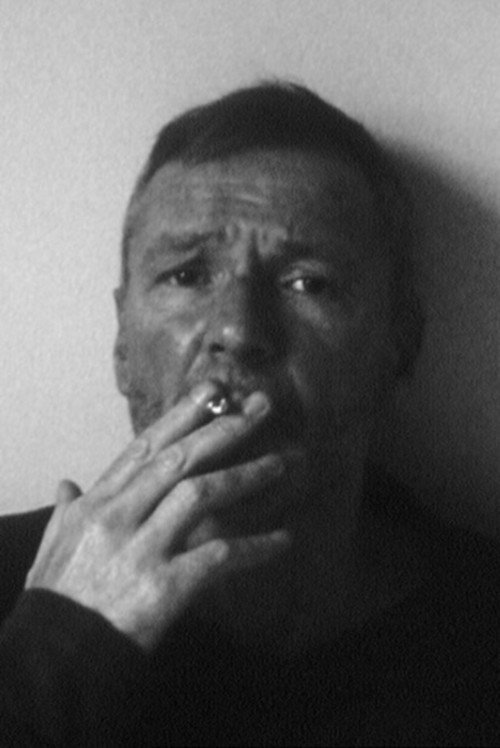
From Wikipedia, the free encyclopedia Vincent Dieutre (born November 25, 1960 in Le Petit-Quevilly) is a French film director and screenwriter. His films are primarily in the genre of docudrama, blending aspects of both documentary film and fiction. He is openly gay. Description above from the Wikipedia article Vincent Dieutre, licensed under CC-BY-SA, full list of contributors on Wikipedia.
Known For

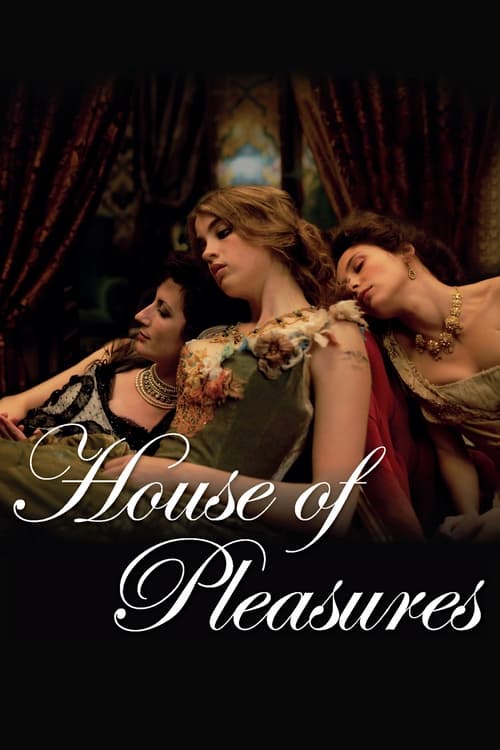
The dawn of the 20th century: L’Apollonide, a luxurious and traditional brothel in Paris, is living its last days. In this closed world, where some men fall in love and others become viciously harmful, the women share their secrets, their fears, their joys and their pains.
House of Pleasures

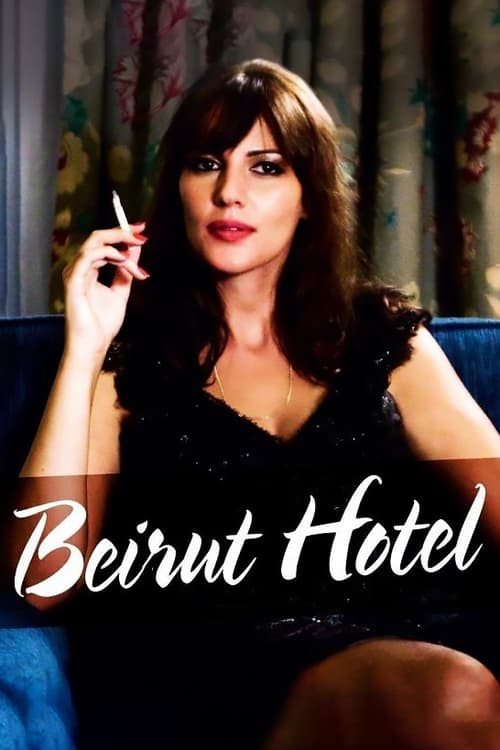
One evening, a married young singer Zoha meets the French lawyer Mathieu in a night club in Beirut. Mathieu will become suspected of spying, while Zoha is trying to flee from her husband. Despite these problems, the two will witness a love story for few days mixed with violence and fear.
Beirut Hotel

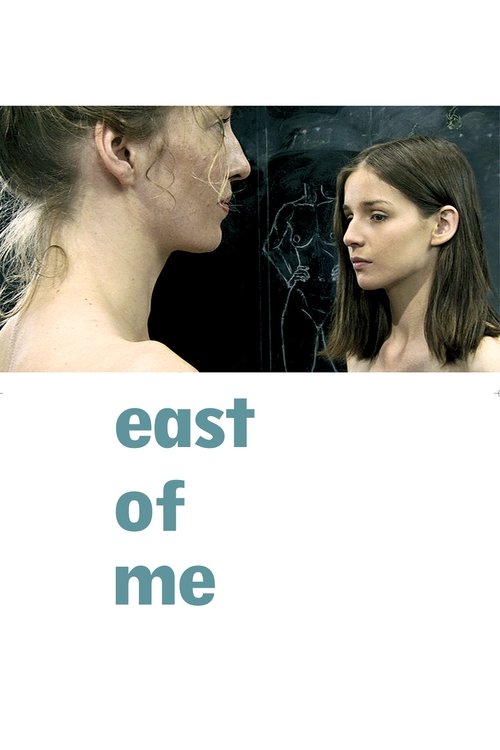
A young woman travels to Moscow, speaking with the people she meets of the region's recent past.
East of Me

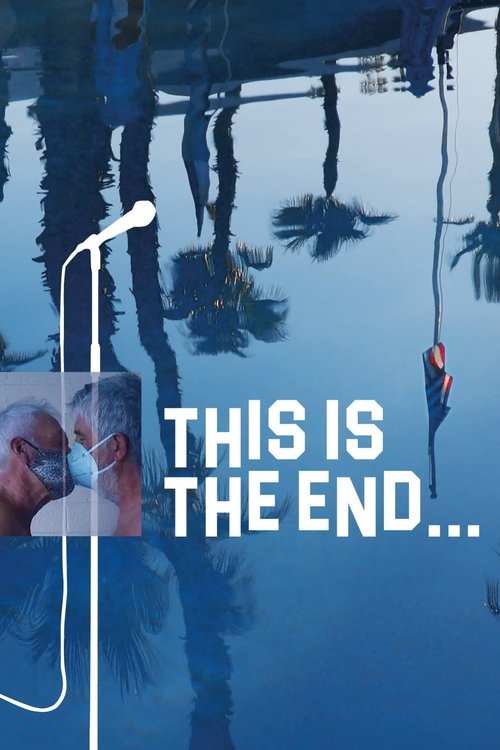
Road trips through Los Angeles, famous verses in the Poetry Lounge and love in times of the pandemic: Rendezvous with an old flame, fourty years later. After Jaurès (2012), Vincent Dieutre presents another tender autofictional piece in the Forum.
This Is the End

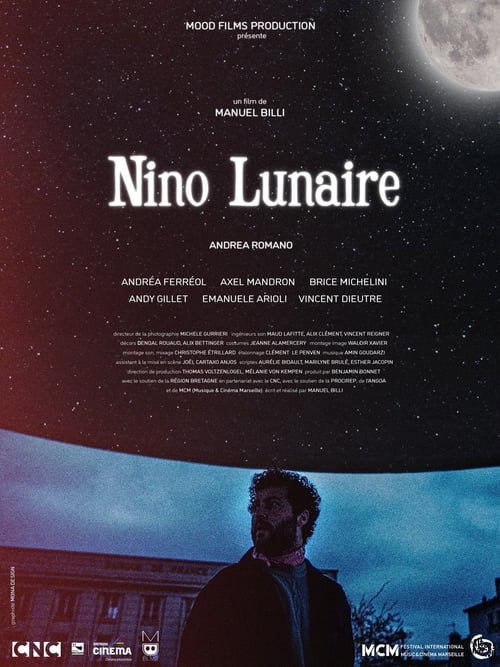
One spring evening, Nino, a young writer of flamboyant, kitschy melos, finds himself catapulted into the nightclub of a city on the edge of the world. How did he end up there? Between two drinks, under the benevolent gaze of Rosa, a philosophical barmaid, and Al, a young customer, memories of his incredible evening gradually surface, like fragments of a love film that has yet to find its ending.
What's Up Next, Nino?

At the end of June in Paris: Mireille accompanies his friend Thomas, a solitary and restless being, during a walk to Père Lachaise. Thomas is very agitated, worried. He confides to Mireille that he wishes to be cremated in the event of death. In September: after a period of holidays, Mireille returns at her home. She and his friends do not any more manage to contact Thomas. After investigation, Mireille learns that Thomas died in August, only. As he has no family his body was interred in the square of the needy of the new cemetery of Thiais. Mireille wants to honor the last wills of his friend, but the law is strict: to dig up the body and cremate it, the services of the city hall have to have the signature of a member of Thomas's family. Mireille learns that Thomas had a younger brother, Melchior. But But the young man, marginalized, abandoned for years by his older brother, refuses to sign the licence to dig up.
Only the Fire

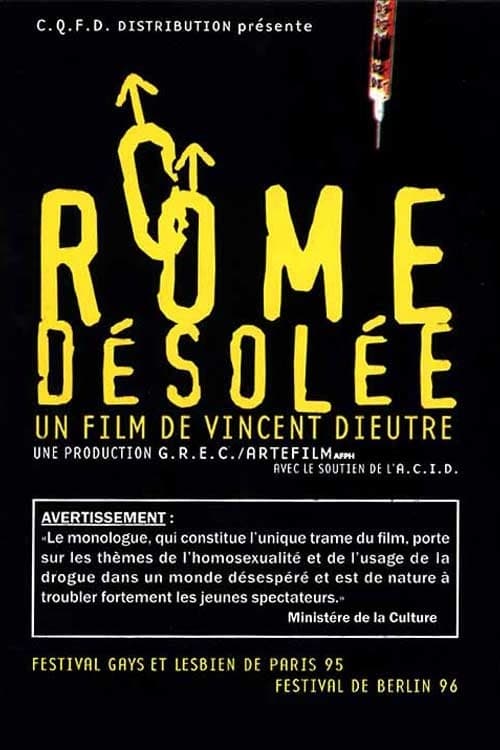
Chronicles of a male homosexual drug addict in 1980's in voice-over with long take scenes from Rome, television snippets of news of Gulf War and commercials.
Desolate Rome

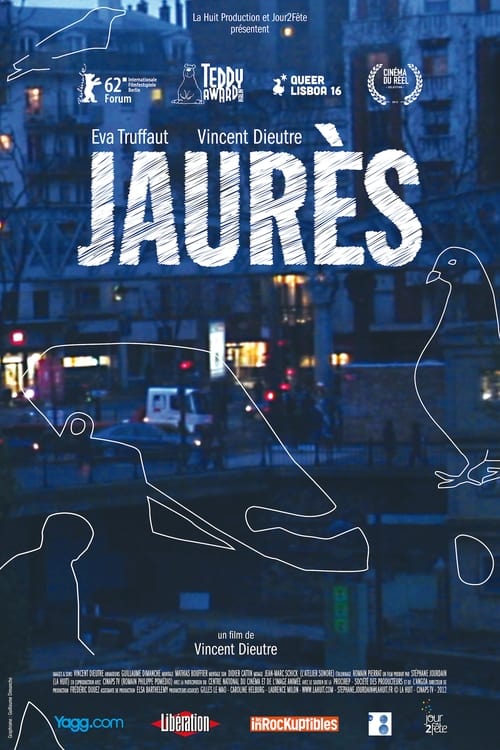
A studio. A man and a woman. Moving images on the screen, which he comments on, spurred on by her questions. All the footage was shot from the window of a flat: views of the street, the metro line running above it, the canal, into the windows of the buildings opposite. The flat belongs to the man’s lover, the man is a guest, spending his nights there but never his days. By the canal, young men from Afghanistan set up makeshift shelters as the man looks on, developing increasing sympathy for them. The seasons change, winter, spring, summer.
Jaurès

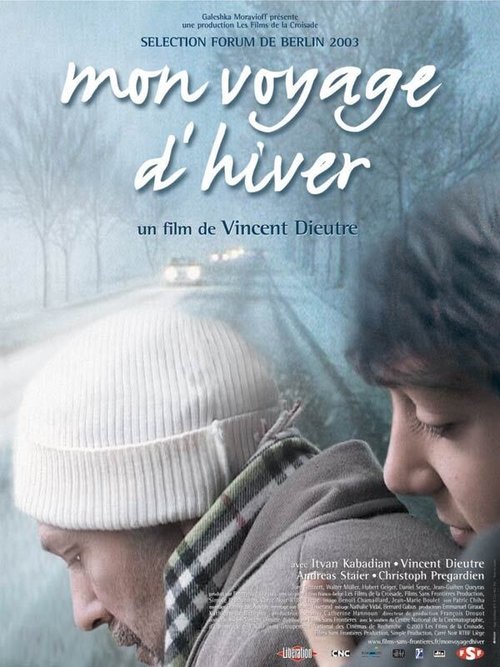
“My best friend, Anna, asked me if I would mind taking her fifteen-year-old son Itvan to Berlin with me. I accepted immediately.” An elegant, refined man in his forties sets off with Itvan on a long, enjoyable journey, his Winter Journey. They cross snowbound Germany by car. As the man drives the boy through cities and countryside, Itvan discovers the past and the vast job of reunification now underway. Poetry and culture are also part of the journey, which is accompanied by classical German music. When their paths cross with the man's former lovers or the journey provides unexpected encounters, Itvan also gets to know more about the man's own life. When they finally arrive in Berlin, their ways must part. Itvan watches the man leave, taking the melancholy of his existence with him. However their journey together has created an unbreakable tie between the two men. Itvan will never be the same again.
My Winter Journey

“The Nineties had a pretty bad start”, this is how Vincent Dieutre introduces us to the shadows of his personal universe in those years going through Utrecht, Naples and Rome. In these three cities and two love affairs guide a homosexual man on his nightly search for lost beauty. In a cross between a diary and a baroque play the film reconstructs the fragments of a fateful journey against a Caravaggio backdrop. Painting, sensuality, losing oneself in a cityscape: the Leçons de ténèbres form an obscure fresco, a white-hot collage of trashy vanity.
Tenebrae Lessons

No description available.
Stalingrad Lovers

A journey into contemporary French cinema through a series of exclusive interviews with the leading figures of GLBT French cinematography: André Téchiné, Catherine Corsini, Gaël Morel, Olivier Ducastel, Jacques Martineau and other old acquaintances of our film festival. This documentary offers an interesting insight into the official and non-official cinema from the point of view of gender identity. A look behind the scenes: discussing issues like censorship and self-censorship, women' cinema and misogyny, transvestism and homo-eroticism, cinema d'auteur and popular cinema (was the Nouvelle Vague homophobic?). From past to present, from Jacques Demy to François Ozon.
De la cage aux roseaux

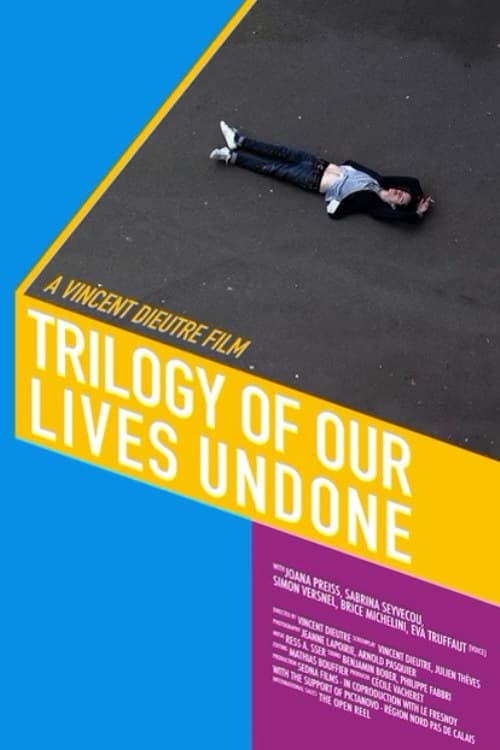
Our feelings, our choices, even our death wander on the web like options, like ghosts. For the time of a last train journey, for the time of a love chat, a deadly chat, or an unlikely casting, three generations will try to definitively wrest from virtual nomadism, to put an end to self-exile that undo our lives... Between Rotterdam and Tourcoing, diving in the Flatlands, tenuous and fragile...
Trilogy of Our Lives Undone

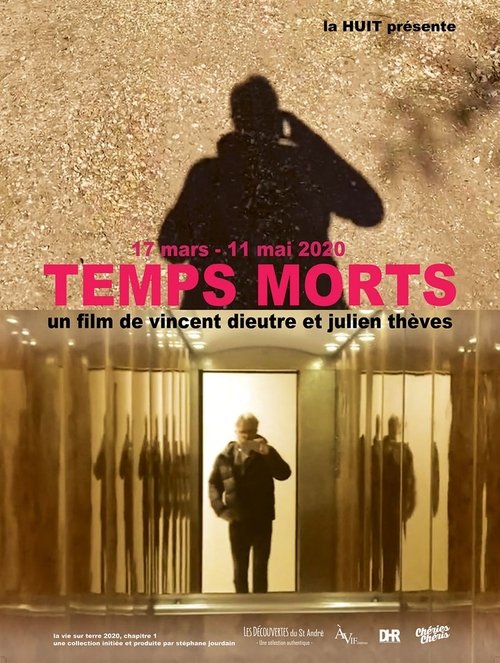
One is confined to Paris, the other to the countryside. One is a writer, the other a director. In the spring of 2020, both correspond with their phones. They film the real and film themselves in the test, during the epidemic. This crossing of time is a historical document, intimate and collective, funny and profound, shot in the urgency of the event. What to do with this “dead time”, this regained time?
Temps mort

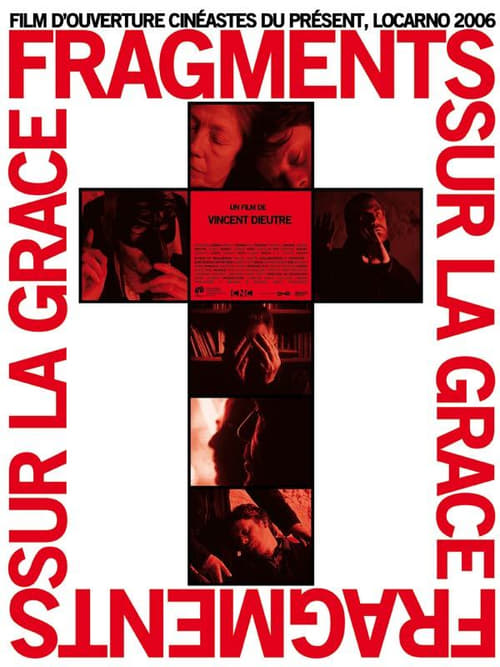
A filmmaker and his crew try to enter the passionate world of Port-Royal and of Jansenism. Another Age of Louis XIV comes to life, the age of Pascal, Racine and of the “Friends of Truth”. The film itself comes up against the unanswerable question of grace.
Fragments sur la grâce

No description available.
EA2 (2e exercice d'admiration : Jean Eustache)

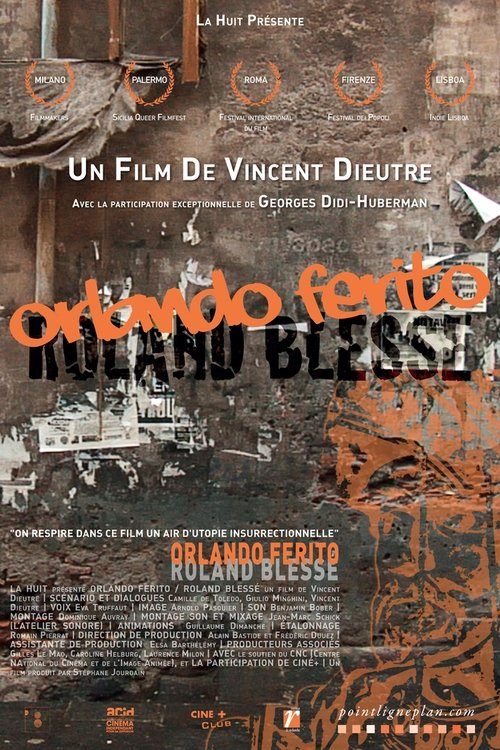
The third, Sicilian, part of the “films of Europe” cycle, Orlando ferito Roland blessé is a multifaceted ‘chanson de geste’, marked by anxiety and irrigated by hope. Or two viatica: the testamentary document written by Pasolini not long before his death (Le vide du pouvoir en Italie), which metaphorically communicated his political despair about the “disappearance of the fireflies”, and that of Georges Didi-Huberman (2009), which, on the contrary, refers to their “survival”. Vincent Dieutre travels across the far south of Europe in search of today’s “fireflies” who invent a political life on a daily basis.
Orlando Ferito - Wounded Roland

No description available.
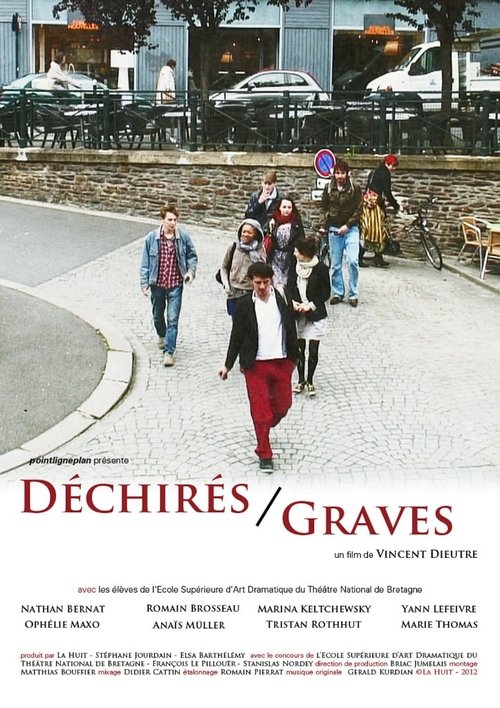
Déchirés / Graves
Like Pelléas and Mélisande, two young men meet up in the building's parking lot at night to confess their love and flee from the master of the house. How to reappropriate Maeterlinck's burning symbolism, with male bodies and in the half-light of today's Paris? By blurring the lines...
Toutes les étoiles tombent

The film-maker goes back to Bologna where he did a stay twenty years earlier. The ties of a patchy, lacunal and tragic memory begin to interweave the Italy of the “years of lead” and that of Berlusconi.