Léonce-Henri Burel
Camera
Biography
Léonce-Henri Burel (23 November 1892 – 21 March 1977) was a French cinematographer whose career extended from the silent era until the early 1970s. He was the director of photography on more than 120 films, working almost exclusively in black-and-white. After studying at the University of Nantes, he initially worked as a photoengraver before becoming a camera operator. At the Film d'Art company in 1915 he was noticed by Abel Gance and began a collaboration with him which extended over 16 films, including J'accuse, La Roue, and Napoléon. In the period of silent films he also worked on several productions with Jacques Feyder. During the 1930s he worked regularly with Jean Dréville and Henri Decoin. With Le Journal d'un curé de campagne, for which he won the best cinematography award at the Venice Film Festival in 1951, Burel began another important collaboration with the director Robert Bresson which continued through three further films. Burel also directed three films himself between 1922 and 1932. Source: Article "Léonce-Henri Burel" from Wikipedia in English, licensed under CC-BY-SA 3.0.
Known For

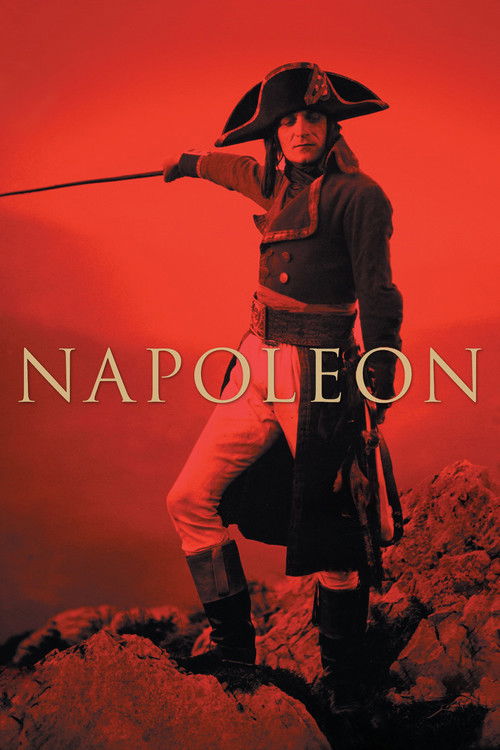
A biopic of Napoleon Bonaparte, tracing the Corsican's career from his schooldays (where a snowball fight is staged like a military campaign) to his flight from Corsica, through the French Revolution (where a real storm is intercut with a political storm) and the Terror, culminating in his triumphant invasion of Italy in 1797.
Napoleon

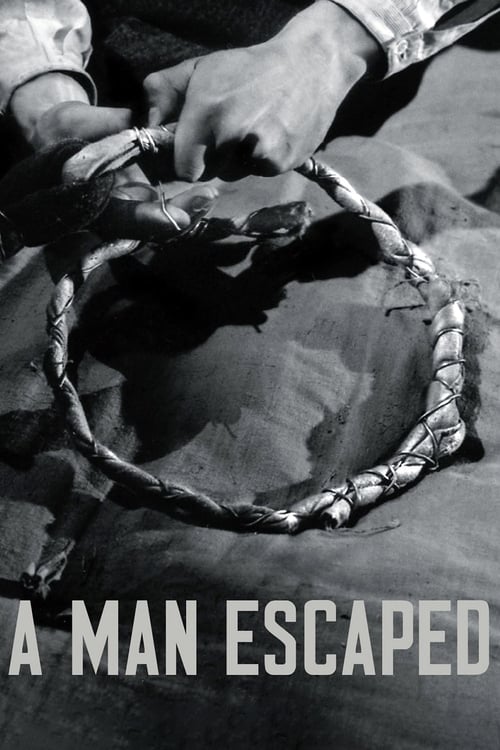
A captured French Resistance fighter during World War II engineers a daunting escape from prison.
A Man Escaped

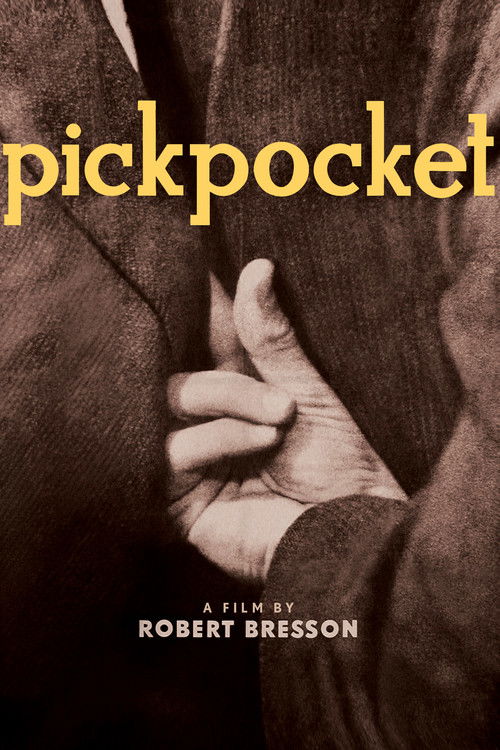
Michel takes up pickpocketing on a lark and is arrested soon after. His mother dies shortly after his release, and despite the objections of his only friend, Jacques, and his mother's neighbor Jeanne, Michel teams up with a couple of petty thieves in order to improve his craft. With a police inspector keeping an eye on him, Michel also tries to get a straight job, but the temptation to steal is hard to resist.
Pickpocket

A group of bandits conspire to kidnap a scientist who can help them manufacture diamonds.Unbeknownst to them , the FBI is already on their case.
Diamond Machine

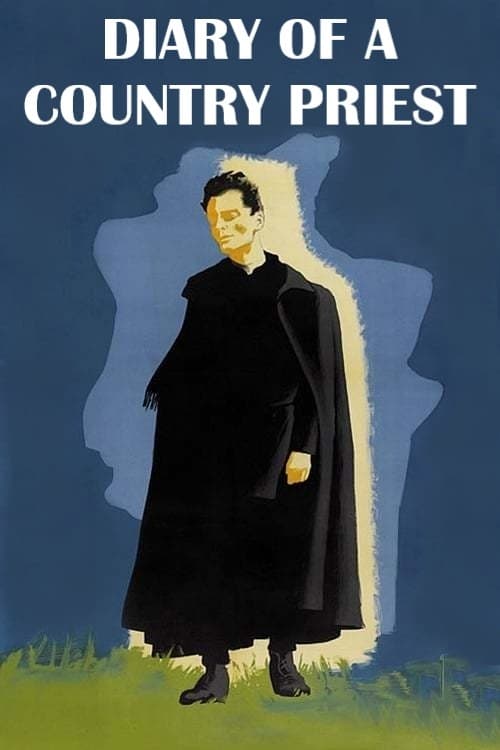
An inexperienced, sickly priest shows up in the rural French community of Ambricourt, where he joins the community's clergy. But the locals don't take kindly to the priest, and his ascetic ways and unsociable demeanor make him an outcast. During Bible studies at the nearby girls school, he is continually mocked by his students. Then his attempt to intervene in a family feud backfires into a scandal. His failures, compounded with his declining health, begin to erode his faith.
Diary of a Country Priest

Matou is an innocuous, gentle-looking man. He is married to a formidable, even a frightening woman, who is as dissatisfied with him as he is with her. He knows everything there is to know about restoring and authenticating manuscripts, particularly ancient ones, through his job at the museum. One day, it occurs to him that his skills could be put to use in a more personal way, and he embarks on a private career of re-arranging the documents of people who have had the misfortune to be married to the wrong people.
Order of the Daisy

Sisif, a railwayman, saves a young girl named Norma orphaned by a train crash and raises her as his own daughter alongside his son, Elie. As she becomes an adult, Sisif grapples with whether to tell Norma the truth about her parentage.
La Roue

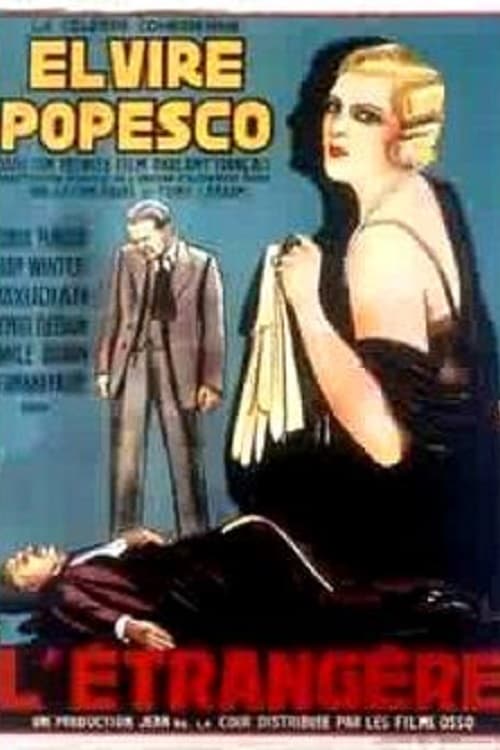
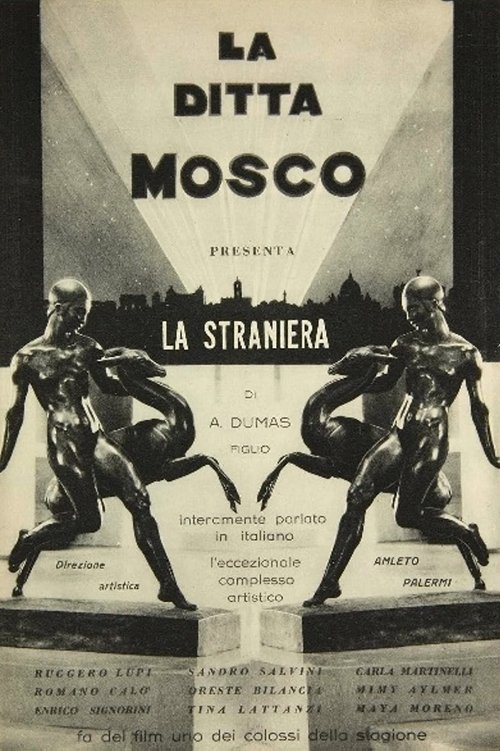
"The Stranger" is Mrs. Clarkson, the wife of a wealthy American. Mrs. Clarkson has entered into matrimony for the express purpose of accumulating a great deal of money. No, she isn't a spendthrift: She hopes to use the cash to finance a campaign of revenge, levelled against the man who ruined her mother.
The Stranger

An escaped convict makes a remote gas station his safe haven. But soon the cunning, devious wife of the owner seeks a chance to use him to get what she wants.
Highway Pick-Up

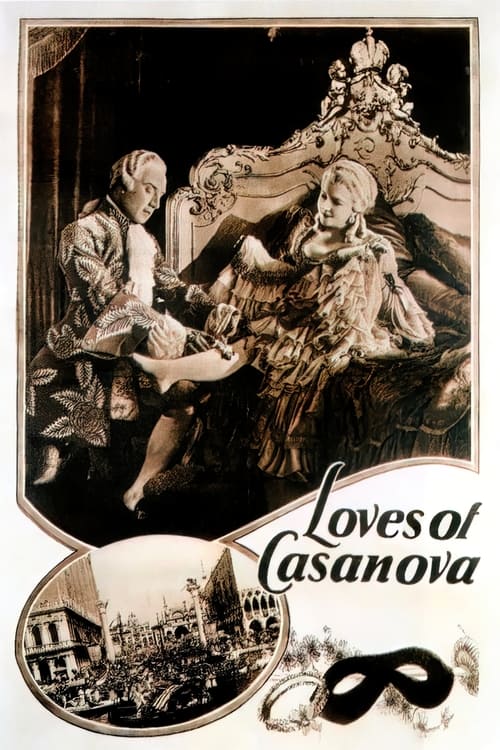
Republic of Venice, 1760. Pursued by a vengeful husband, the intrepid womanizer Casanova, who symbolizes the decline of the city and its fall into debauchery, manages to escape and, by a circuitous route, arrives in Saint Petersburg, where he will be involved in the many plots that threaten the throne of Czar Peter III…
Loves of Casanova

Un soir sur la plage is relatively interesting; the cast includes highly talented Jean Dessailly, Martine Carol, a cast against type Michel Galabru as the cop.The biggest surprise is sixties starlet Daliah Lavi as a simple-minded nymphomaniac girl who is murdered on the beach. The story is essentially a whodunit: in Martine Carol's house, there are many people (too many people actually) and they all have a reason to get rid of her.
One Night at the Beach

Lydia (Danielle Darrieux) is a student, poor and orphaned, who pretends to be the daughter of a famous writer.
Abused Confidence

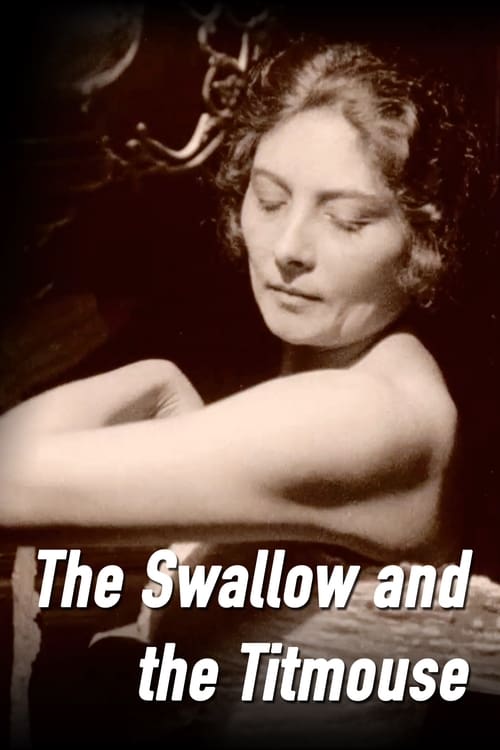
Herr Pierre Van Groot owns two barges. Van Groot, his wife, and his sister-in-law navigate along the north channels between Belgium and France. Herr Pierre transports construction material in his barges but he earns extra francs trafficking in diamonds, which he hides in the boat’s rudder. Pierre engages a new first mate, Michel, who gets wise to the diamond smuggling. The film was shot in 1920, but only shown once in its 80 minute entirety at a private screening in 1924.
The Swallow and the Titmouse

François Donge, a rich industrialist and womaniser, meets a girl nicknamed Bébé who he marries. Ten years later, poisoned by his wife and dying in hospital, he recalls his married life and understands how his wife who adored him suffered from his many affairs and indifference.
The Truth About Bebe Donge

Helene is based on Helene Wilfur, a novel by Vicki (Grand Hotel) Baum. Madeleine Renaud essays the title role, a young medical student in love with aspiring musician Pierre Regnier (Jean-Lous Barrault). Pierre's father, a noted surgeon, puts pressure on his son to give up music in favor of medicine. Unable to withstand his father's remonstrations, Pierre kills himself, prompting the grieving Madeleine to forget all about romance and dedicate her life to the cause of healing others. Wilfur avoids the usual soap-opera goo by offering realistic performances and credible dialogue (the English-language subtitles were composed by erudite film critic Herman G. Weinberg).
Hélène
English-language version of Baroud, sometimes referred to as Love in Morocco. 'A sergeant in the Foreign Legion falls in love with Zinah, the daughter of a Berber chief.' (British Film Institute)
Baroud

Composer Enrid Damor knows nothing of the past life of his new wife Eve Dinant : she lived as a debauchee with an adventurer, Fred Ryce. Fred Ryce meets Damor's daughter, Claire, and tries to marries her. He blackmails Eve. Enric learns something about her and Fred and composes a symphony to express his pain... The Tenth Symphony is considered the first major film of the Impressionist movement.
The Tenth Symphony

Rouen, Normandy, 1431, during the Hundred Years' War. After being captured by French soldiers from an opposing faction, Joan of Arc, the Maid of Orléans, is unjustly tried by an ecclesiastical court overseen by her English enemies.
The Trial of Joan of Arc

Vénus aveugle (Blind Venus) is a 1941 French film melodrama, directed by Abel Gance, and one of the first films to be undertaken in France during the German occupation. Although the film is not set in any specified period, Gance wanted it to be seen as relevant to the contemporary situation in France. He wrote, "...La Vénus aveugle is at the crossroads of reality and legend... The heroine ... gradually sinks deeper and deeper into despair. Only when she has reached the bottom of the abyss does she encounter the smile of Providence that life reserves for those who have faith in it, and she can then go serenely back up the slope towards happiness. If I have been able to show in this film that elevated feelings are the only force that can triumph over Fate, then my efforts will not have been in vain."
Blind Venus

Adapted from Jules Verne's 1876 novel Michael Strogoff, the film tells the tale of a Russian courier named Michael Strogoff who has to dash across Russia with a vital message for the tsar's brother, wrestling with bears and fighting off ferocious Tatar rebels along the way. Captured by the Tatars, he is brought before their leader and blinded with a red hot sword by the executioner.