John Spotton
Camera
Biography
John Spotton was a Canadian filmmaker, cinematographer, and editor associated with the National Film Board of Canada (NFB). He played a pivotal role in developing the Direct Cinema movement, contributing to documentaries that emphasized naturalistic and unobtrusive filming techniques. Spotton's notable works include Buster Keaton Rides Again (1965), a documentary capturing the making of Keaton's short film The Railrodder, and Memorandum (1965), which explores the Holocaust's impact on survivors. His contributions significantly influenced documentary filmmaking in Canada and beyond.
Known For
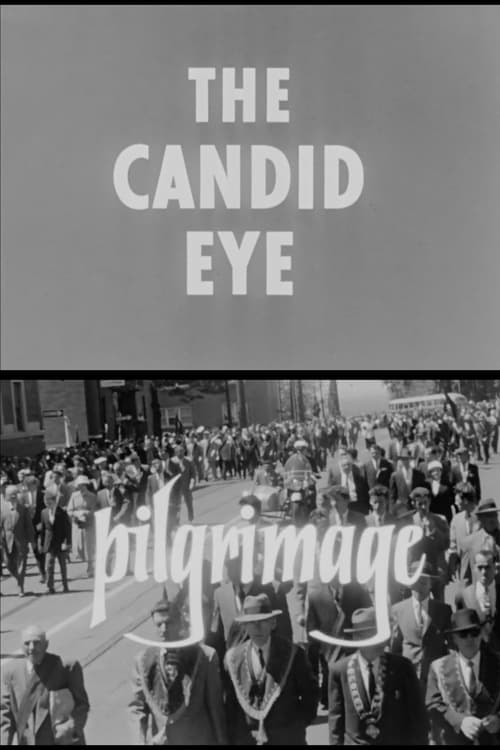
St. Joseph's Oratory, a picturesque shrine silhouetted against Mount Royal, draws pilgrims by the thousands every year. They come from California by Greyhound bus, from Vancouver by plane, and on foot from many parishes surrounding Montréal. What is the fame of this shrine, that it attracts the devout and the curious alike? The story is told by Brother Placide Vermandère of the Order of the Holy Cross, who was personally acquainted with Brother André, after whom the shrine's famous temple is named. Cameras follow a procession of the League of the Sacred Heart through the streets of the city to the famous sanctuary and show many of the religious observances conducted in the church, including Mass attended by invalids who come in the hope of being healed of various afflictions.
Pilgrimage
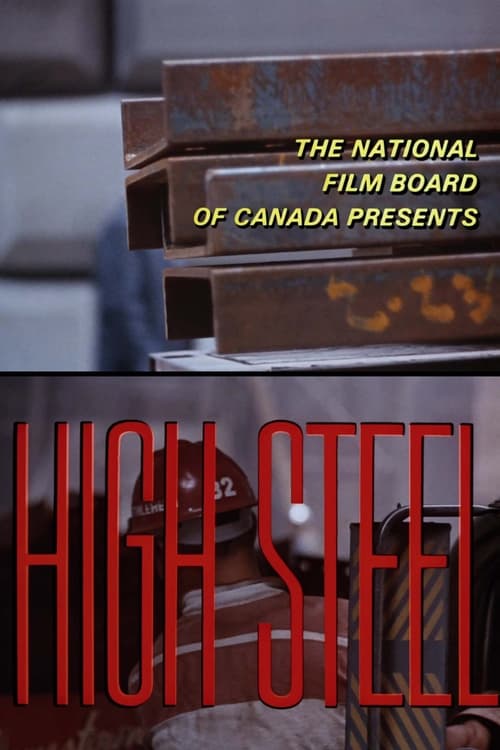
A dizzying view of Manhattan in the 1960s, the tallest town in the world, and the men who work cloud-high to keep it growing. They are the Mohawk Indians from Kahnawake, near Montréal, famed for their skill in erecting the steel frames of skyscrapers. The film shows their nimble work, high above the pavement, but there are also glimpses of the quieter community life of the old Kahnawake Reserve.
High Steel
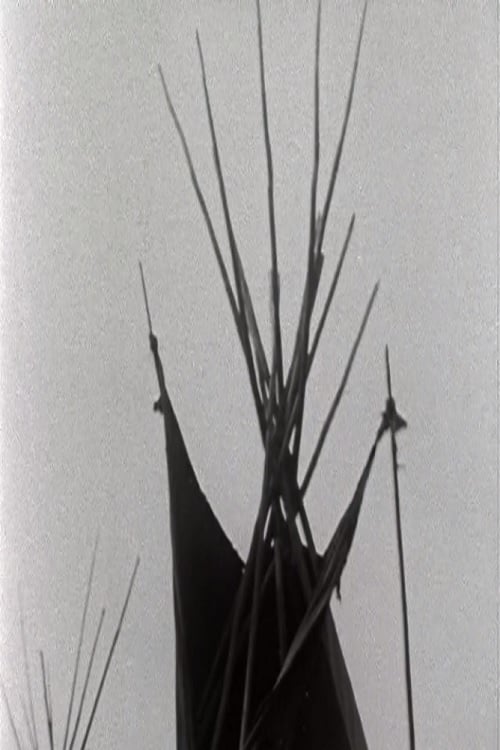
In 1977, Prince Charles was inducted as honorary chief of the Blood Indians on their reserve in southwestern Alberta. The ceremony, conducted in the great Circle of the Sun Dance, commemorated the centennial anniversary of the original signing of Treaty 7 by Queen Victoria.
A Pinto for the Prince
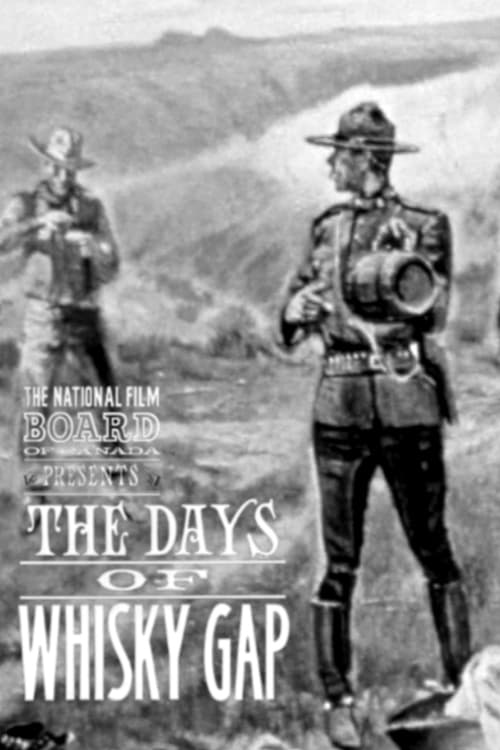
Rousing tales of the North-West Mounted Police are brought to life through photos and artists' sketches. In 1873, the North-West Mounted Police were established to maintain law and order in the North-West Territories. They undertook a trek from Fort Dufferin, south of Winnipeg, to Fort Whoop-up, near present-day Lethbridge, Alberta. The force raised the flag and proclaimed the Queen's Law, ensuring that the Canadian West would not become a lawless, American-style frontier.
The Days of Whisky Gap
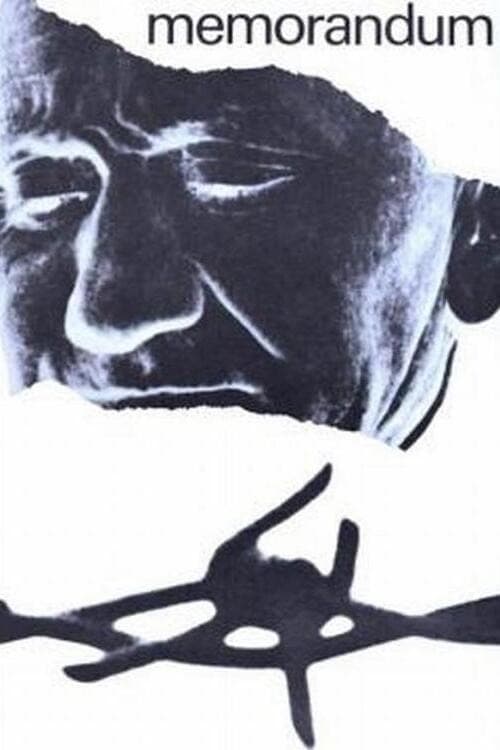
A Jewish Holocaust survivor travels through Germany recalling scenes from his memory. This documentary follows a Holocaust survivor in 1965 on an emotional pilgrimage to Bergen Belsen, the last of 11 concentration camps where he was held by the Nazis. He and 30 other former Jewish inmates travel through the new Germany. Scenes still vivid in his mind are recalled in flashback. The memorandum of the title refers to Hitler's memo offering a "final solution" to the "Jewish problem."
Memorandum

This Colin Low documentary from 1959 depicts Venice in all its splendor. In the tradition of Venetian painter Canaletto, the film captures the great Italian city’s elusive beauty and fabled landscapes, where spired churches and turreted palaces soar into a blue Mediterranean sky. Narration by William Shatner.
City Out of Time
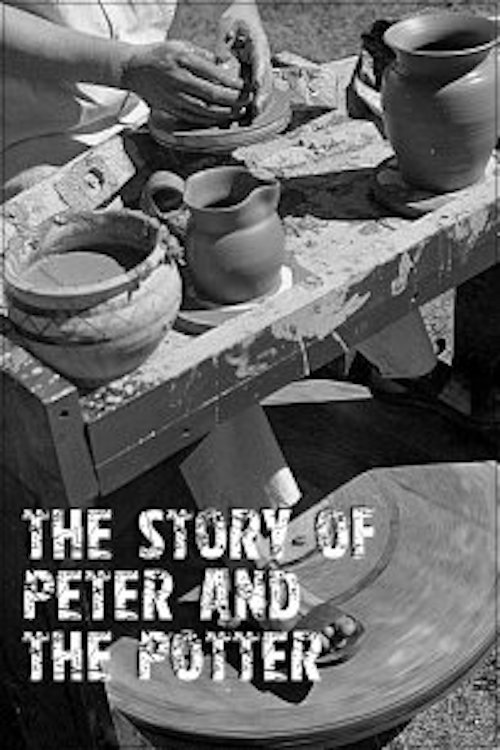
In this short drama, Peter accidentally breaks a glass bowl intended as a birthday gift for his mother. Mr. and Mrs. Deichmann and their daughter Anneke, all artisans in clay, come to the rescue and make him one of their designs while Peter watches. Every stage, from the first turn of the potter's wheel to the final glazing and baking, is shown.
The Story of Peter and the Potter
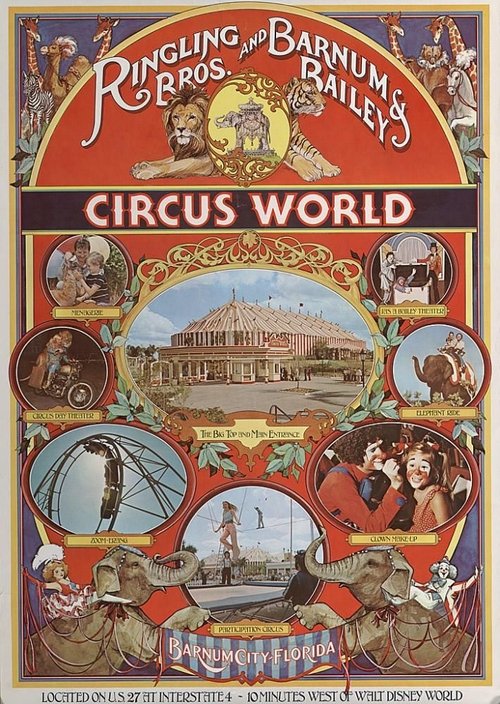
A vivid, behind-the-scenes look at the Big Top, the Greatest Show on Earth as presented by Ringling Bros. and Barnum & Bailey. Seen from the performers’ point of view, Circus World is a wonderfully human look at the tensions and harmony of families living in a circus environment, complete with The Flying Gaonas, exhilarating highwire acts, clowns, and the amazing feats of Gunther Gebel-Williams, the famous wild-animal trainer. "Circus World" was shown exclusively at the 600-seat IMAX theater at the Circus World theme park in Central Florida.
Circus World
A young man of the Kainai Nation (Blood tribe) shows us contemporary life of people as he attends a Sun Dance ceremony with the tribe.
Circle of the Sun
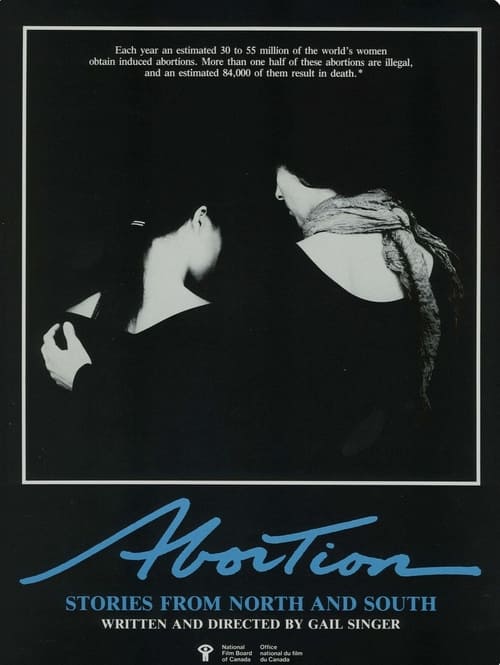
Women have always sought ways to terminate unwanted pregnancies, despite powerful patriarchal structures and systems working against them. This film provides a historical overview of how church, state and the medical establishment have determined policies concerning abortion. From this cross-cultural survey--filmed in Ireland, Japan, Thailand, Peru, Colombia, and Canada--emerges one reality: only a small percentage of the world's women has access to safe, legal operations.
Abortion: Stories from North and South
This feature documentary is a profile of Canadian press tycoon Roy Thomson, whose single-minded attention to business brought him riches, power, and even a baronetcy in England. A native of Timmins, Ontario, Thomson had a tremendous career as publisher, television magnate, financier, and owner of many newspapers, including leading London dailies. The film is a frank study of an equally frank man.
Never a Backward Step
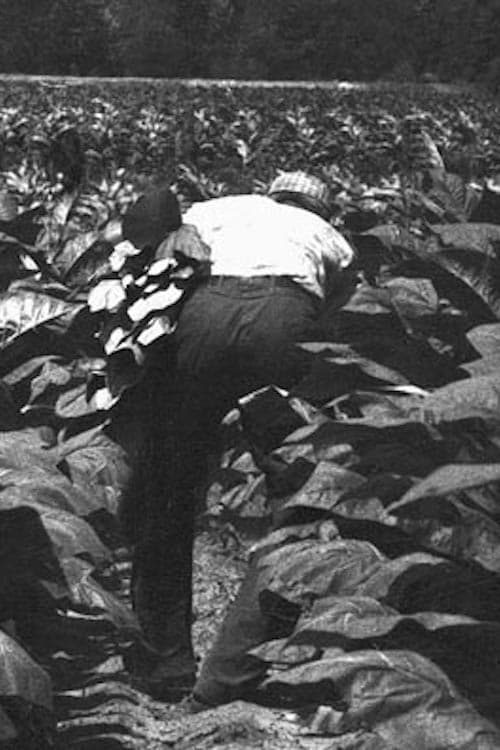
Here is a graphic picture of the tobacco harvest in southwestern Ontario. At the end of July, transient field workers move in for a brief bonanza when the plant is ripe. The tobacco harvesters call it "the back-breaking leaf."
The Back-breaking Leaf
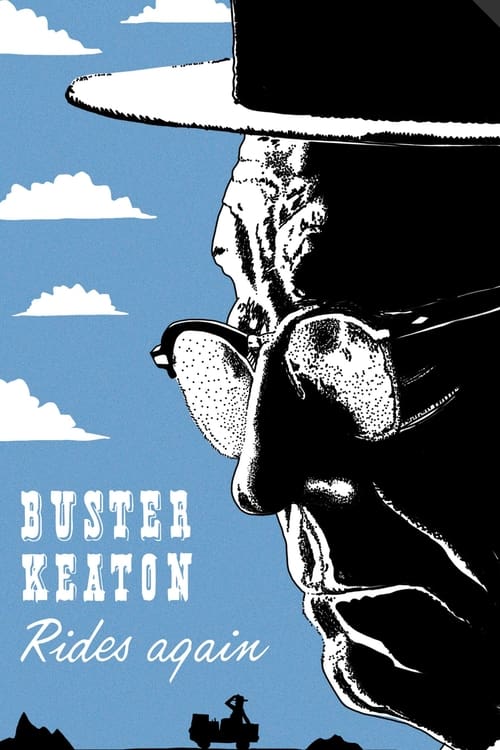
In the fall of 1964, just over a year before his death, Buster Keaton traveled to Canada to make The Railrodder, a short subject that now enjoys a small cult following. Documenting this mobile production in fascinating and unexpected detail, Buster Keaton Rides Again offers a rare glimpse of the comedy legend’s temperament, philosophies, hobbies, marriage (his third), and the occasionally combative creative process behind the scenes. An intimate look at one of cinema’s most enduring legends.
Buster Keaton Rides Again
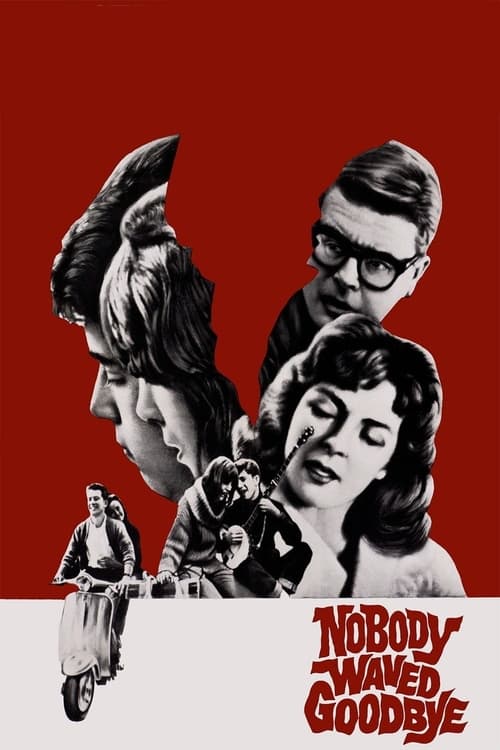
A teenage boy rebels against parental authority and must face a harsh reality when he tries to live on his own.
Nobody Waved Goodbye
Toronto is regarded as the third largest jazz centre in North America. This film features a cross-section of jazz bands of that city: the Lenny Breau Trio, the Don Thompson Quintet and the Alf Jones Quartet. Their styles show creative self-expression, hard work, and improvisation.
Toronto Jazz
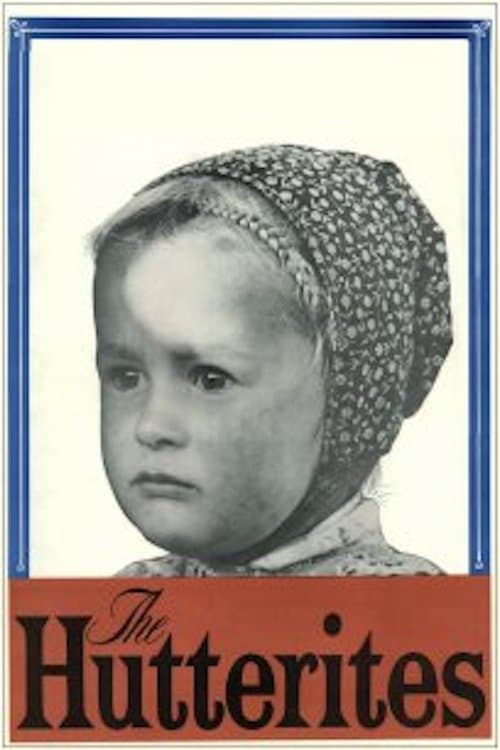
A look at the Hutterites, an Anabaptist religious community similar to the Amish or the Mennonites in rural Alberta.
The Hutterites
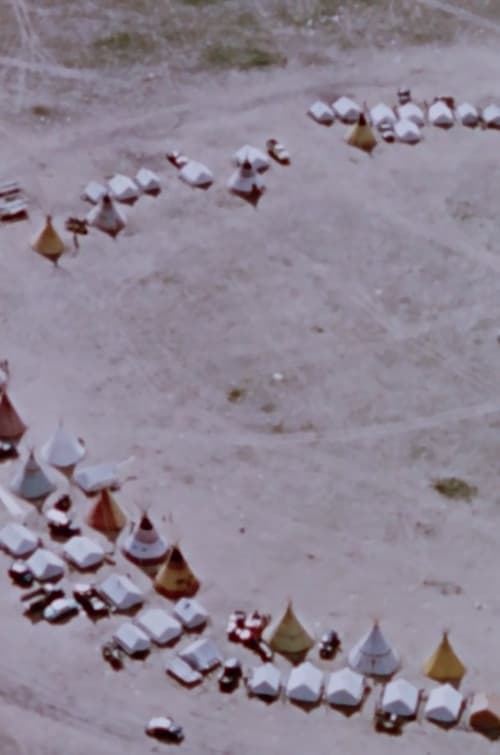
On the Kainai (Blood) First Nations Reserve, near Cardston, Alberta, a hopeful new development in Indigenous enterprise. Once rulers of the western plains, the Bloods live on a 1 300-square-kilometer reserve. Many have lacked gainful employment and now pin their hopes on a pre-fab factory they have built. Will the production line and work and wages fit into their cultural pattern of life? The film shows how it is working and what the owners themselves say about their venture.
Kainai
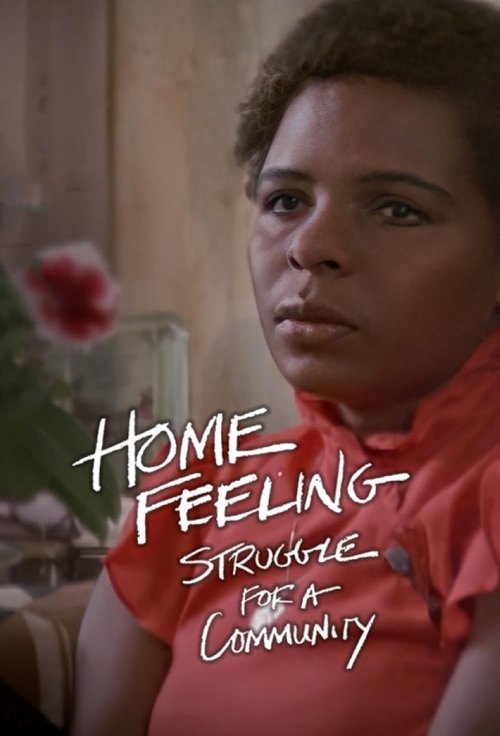
This feature documentary takes us to the heart of the Jane-Finch "Corridor" in the early 1980s. Covering six square blocks in Toronto's North York, the area readily evokes images of vandalism, high-density subsidized housing, racial tension, despair and crime. By focusing on the lives of several of the residents, many of them black or members of other visible minorities, the film provides a powerful view of a community that, contrary to its popular image, is working towards a more positive future.
Home Feeling: Struggle for a Community
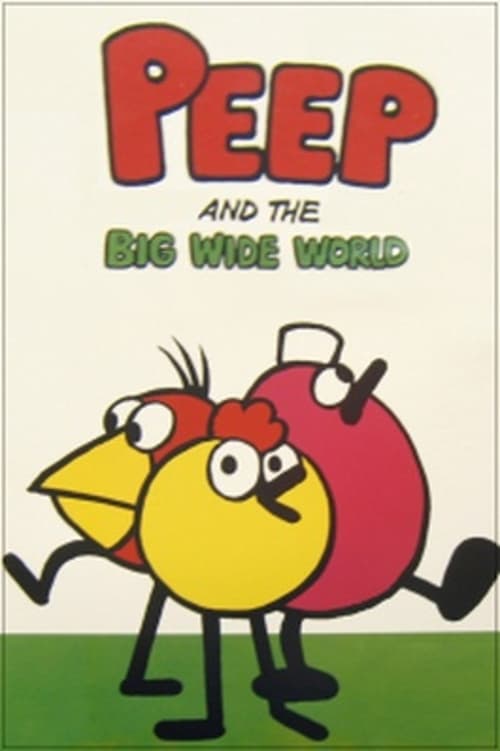
Peep the chicken ventures out on an adventure into the Big Wide World and makes some friends along the way. Narrated by Peter Ustinov, this 1988 short film commissioned by the National Film Board of Canada comprises three short stories starring Peep the chicken, Quack the duck, and Chirp the Robin, and eventually served as the inspiration for an ongoing 2004 animated series.
Peep and the Big Wide World
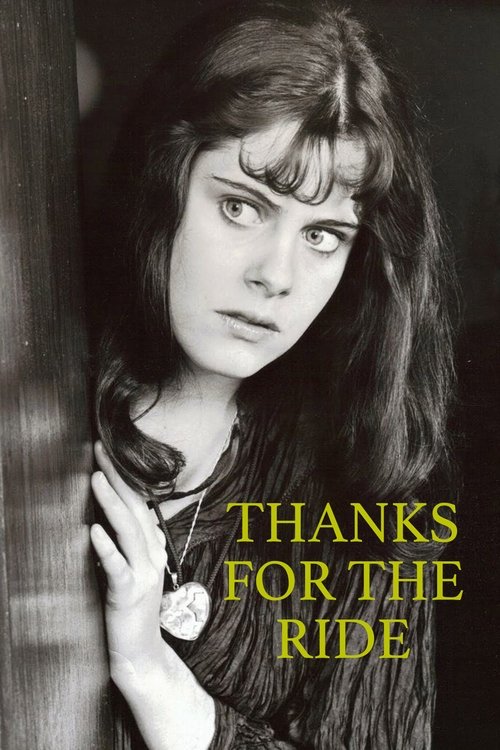
This finely crafted drama, set in Ontario's cottage country, revolves around two teenaged boys from the city who pick up two local girls on a Saturday night and take them for a ride. Based on an Alice Munro short story, Thanks for the Ride is about values and morals, expectations and broken dreams, class differences and peer pressure. It is also about the overwhelming intensity of adolescent emotions and that momentous event--the first sexual encounter. An excellent film for use in family life, values education, Canadian literature, and creative writing courses.