Jean-Henri Roger
Directing
Biography
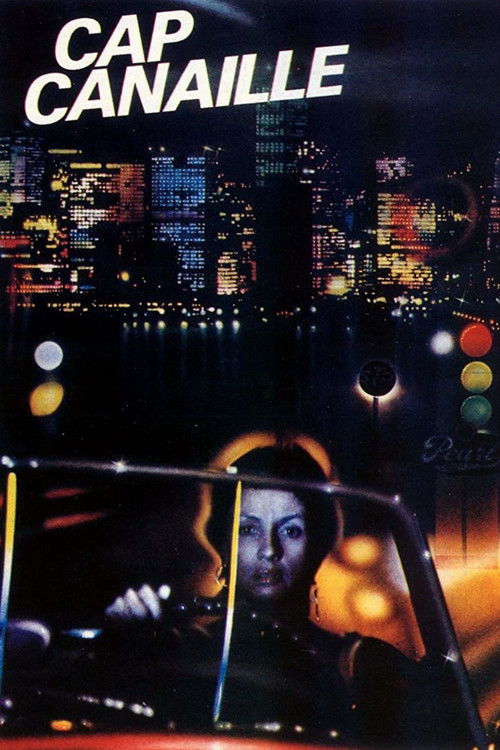
Jean-Henri Roger (24 January 1949 – 31 December 2012) was a French film director, screenwriter and actor. He co-directed with Juliet Berto the 1983 film Cap Canaille, which was entered into the 33rd Berlin International Film Festival. Source: Article "Jean-Henri Roger" from Wikipedia in English, licensed under CC-BY-SA.

Known For

Marcello Mastroianni, Isabelle Adjani, Alain Delon, Martin Scorsese, Woody Allen... the biggest stars in cinema were welcomed by Christian Defaye on his show Spécial cinéma. Between intimate confessions from actors and immersion in the world of the greatest filmmakers, Christian Defaye took viewers on a journey into the fascinating world of cinema for nearly thirty years.
Spécial cinéma

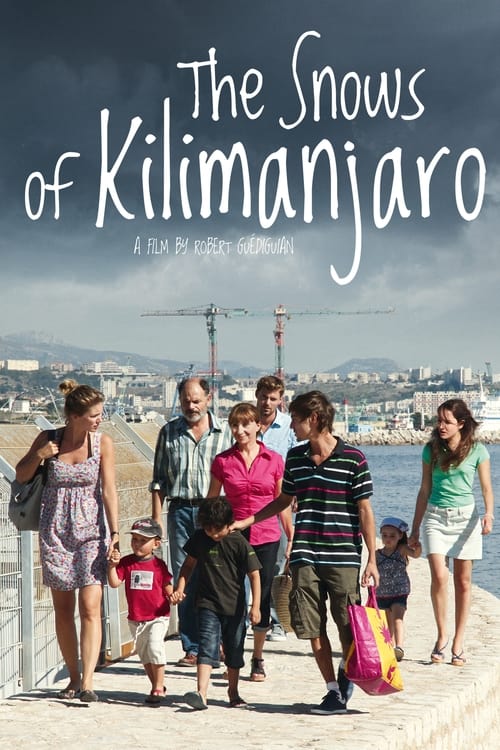
A union pensioner and his wife are robbed, but find that merely getting the assailants brought to justice is not enough for their consciences.
The Snows of Kilimanjaro

Caught in the stranglehold of debt and structural adjustment, Africa is fighting for its survival. In the face of disaster, representatives of African society bring an action against international financial institutions. The trial takes place in Bamako, in the yard of a house, among its inhabitants.
Bamako

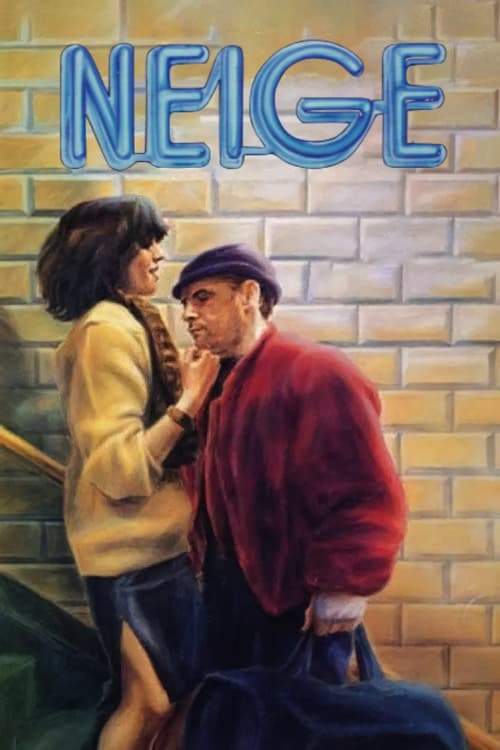
Anita is a barmaid at the center of a community of street preachers, prostitutes, dealers and users. When a beloved friend (and young drug dealer) is caught by narcotics agents, Anita takes it upon herself to score for his struggling clients.
Snow

Jean-Luc Godard brings his firebrand political cinema to the UK, exploring the revolutionary signals in late '60s British society. Constructed as a montage of various disconnected political acts (in line with Godard's then appropriation of Soviet director Dziga Vertov's agitprop techniques), it combines a diverse range of footage, from students discussing The Beatles to the production line at the MG factory in Oxfordshire, burnished with onscreen political sloganeering.
British Sounds

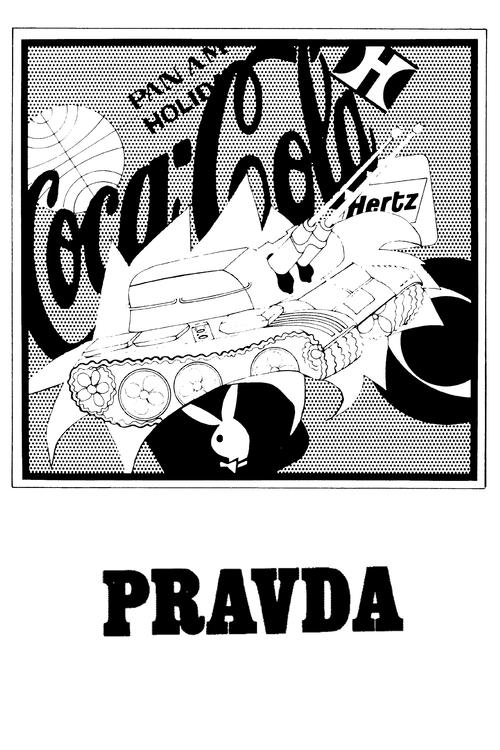
Filmed clandestinely in Czechoslovakia on 16mm. It's one of the films Godard made with the Groupe Dziga Vertov - a Marxist film about the political situation after the '68 revolution.
Pravda

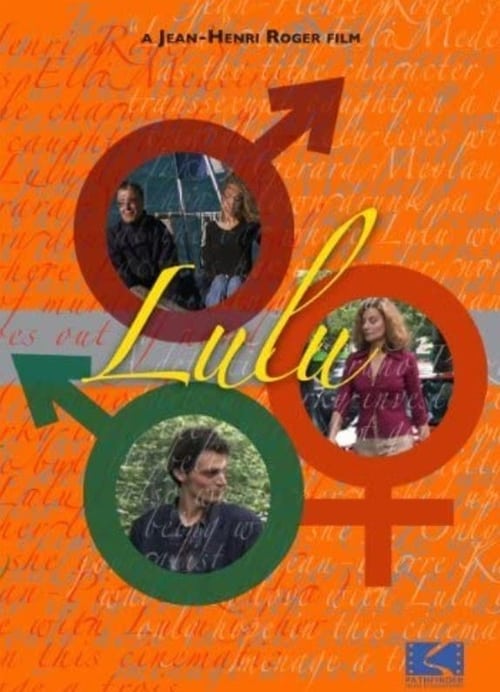
It's the beginning of the bullfighting season and all paths seem to lead from the arena straight to Lulu's bar. Lulu is radiant. When she was seventeen, and went by the name of Lucien, she headed off for more convivial surroundings.
Lulu

"Clara, screenplay and dialogues of a Franco-Czechoslovak film, the co-director should have been the Czech filmmaker Kadar. Screenplay adaptated in 1989 by Philippe Garrel and students of the University of Paris X (Nanterre). The subject of the film - which is also a love story - is part of the political atmosphere, release the XXth Congress of the Soviet Communist Party has changed both individual for a certain way of seeing and understanding History: political trials, purges in Czechoslovakia, Hungary events of 1956, Algeria war, cold war." - KG
Clara

Paula Barretto (Juliet Berto) is caught in the underworld because her father was involved in the drug business, her brother is in the real estate scam, and her lover is an armed thief. Although she tries to get out of her corrupt and dangerous environment, it is not an easy task when even the police officers cannot be trusted, and the underworld has informants everywhere.
Cap Canaille

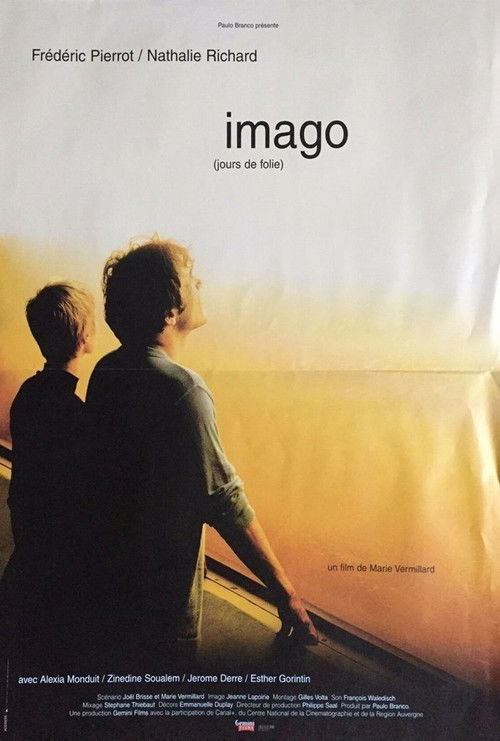
Recently the victim of a car accident, Paul, a teacher, is no longer the same man. He no longer shows any interest in his environment and, even more worryingly, he seems to have become impervious to all feelings, all emotions. His wife, Marianne, and his mistress, Luisa, are of little more interest to him than his students, which is to say very little. Desperate, Luisa meets Marianne to try to understand.
Imago

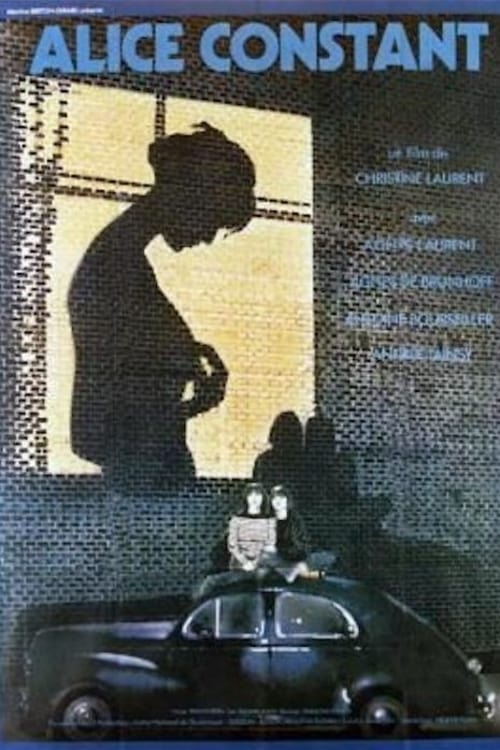
Two sisters, Camille and Madeleine, make up the story of a woman: Alice Constant, the servant of their grandfather who committed suicide at the age of 25.
A. Constant

Documentary on the french actress Juliet Berto.
Juliet Berto, where are you?

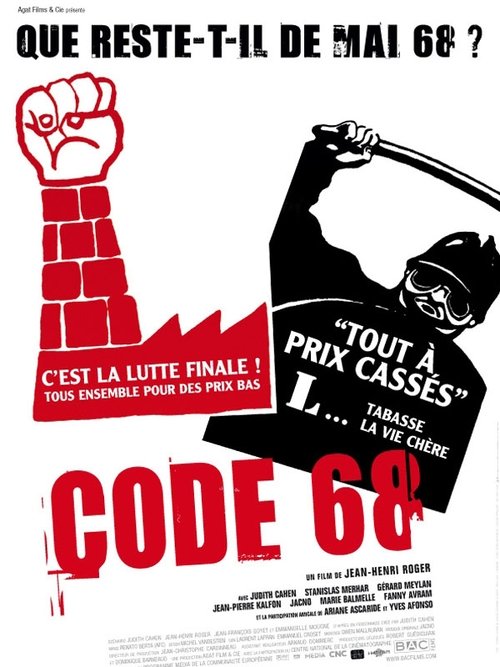
Anne Buridan is about thirty years old and likes challenges. Her last challenge is to make a movie on May 68. It's a challenge, not only because she will be forced to face a story that is not hers, but specially because her new boyfriend, Blaise, doesn't understand this idea, even more, he hates people that have participated at this event. Anne Buridan is a methodical person and even a bit obsessive. Nothing and nobody will make her turn away from her project. She starts to meet people that were figures of that period. She will start, evidently, with a woman, Marianne, who speaks amongst others, of Jean-Pierre Lucciani. The name is not unknown to her because it's the same as Blaise's. She will go see him right away. Jean-Pierre is Blaise's father alright. She goes back home and keeps the secret from Blaise. Anne Buridan just lost, without knowing it, control over this situation.