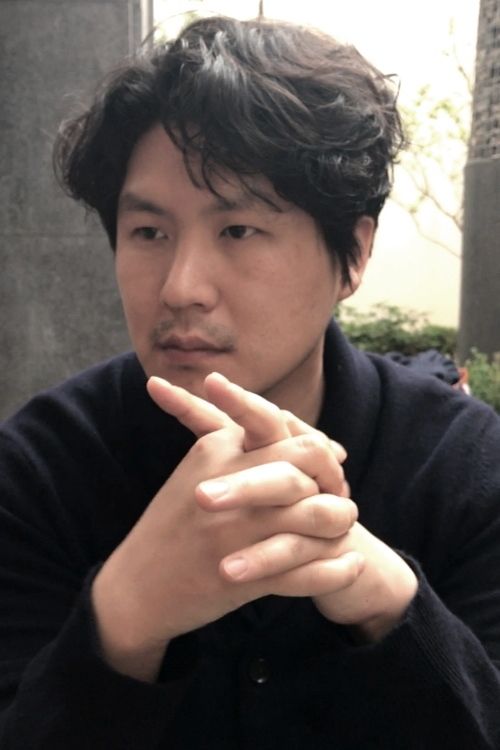
Kelvin Kyung Kun Park
Directing
Biography
Kelvin Kyung Kun Park is an artist based in Seoul, born in 1978. He works primarily in the mediums of film and video, photography, and installation, with a focus on exploring the unconscious and its relationship with technology and subjectivity. His award-winning works have been exhibited at various international venues, including the Busan International Film Festival, Berlinale, HotDocs, New York Museum of Modern Art (MoMA), Taipei Biennale, and Sharjah Biennale. Park has received numerous awards and nominations, including the Art Spectrum Award from Leeum Samsung Museum of Art, Busan Film Festival's Best Documentary Award, and a nomination for the MMCA Korea Artist Prize and BMW Art Journey. Recently, his major solo exhibitions include "When Tigers Used to Smoke" (2022) at OCAT Museum, Shanghai, and "Double Mirror" (2020) at the Shanghai Museum of Glass in China.
Known For
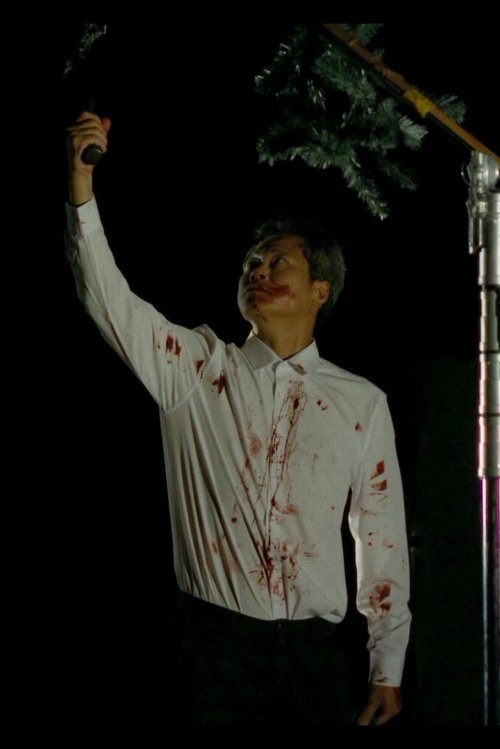
The versatile artist, BEK Hyunjin ventures into theater direction, leaving the actors in a state of confusion. His unconventional direction unfolds into strange scenes on stage. Scenes of people howling, a woman's monologue, another woman lip-syncing a song appear in random order, and BEK Hyunjin himself appears on stage as a primitive man, a singer and a narrator.
The Bek Show: End of Civilization
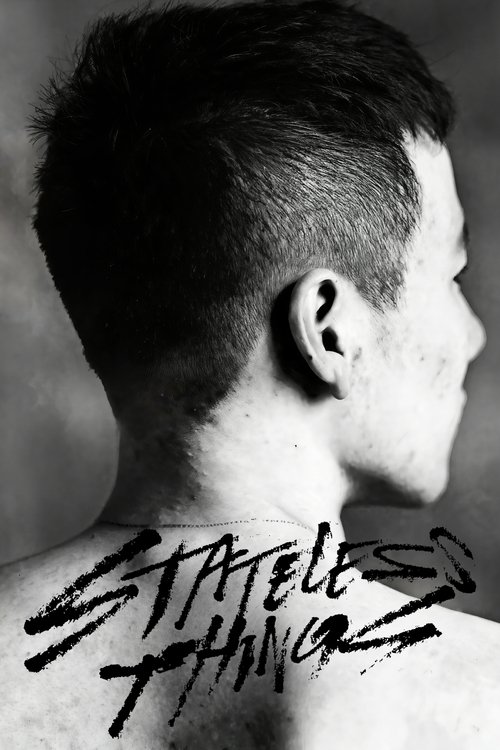
Stateless Things crosscuts between the lives of two young men, one an illegal immigrant from North Korea stuck in dead-end jobs, the other the kept boy of a married businessman stifling in a swanky apartment.
Stateless Things
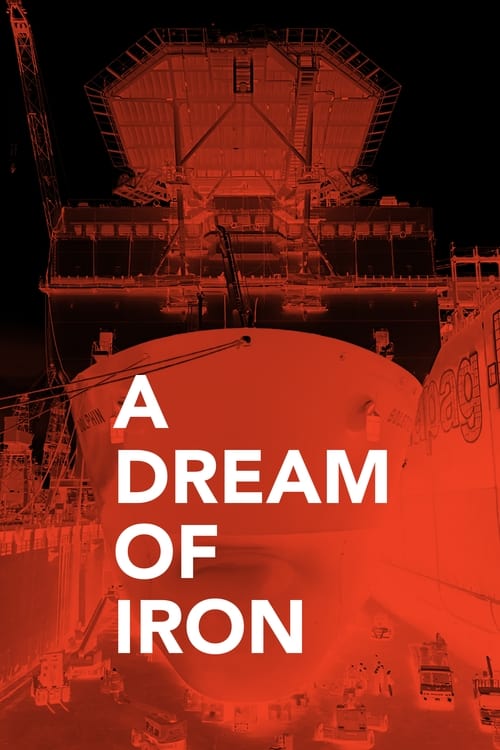
Korea's past was whale worship; its present is industry. Is the future whales AND industry?
A Dream of Iron
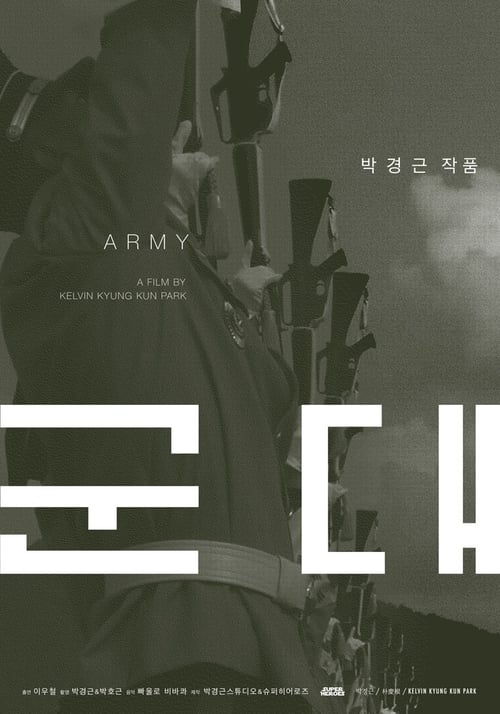
"You belong to the country for the next two years." The film describes Woo-cheol's struggles with becoming part of a group while trying to maintain his individuality throughout his military service period. A humorous yet cynical portrait of military groupism.
Army
"The Cheonggye stream runs through the center of Seoul. Today a popular urban recreation area with clear water, promenades and leafy plants, the Cheonggyecheon was, until only eight years ago, a filthy rivulet under a busy freeway. In the years following the Japanese occupation and during the Korean War, part of the area around the stream was taken over by merchants who made use of the military war scrap, thus helping to lay the foundations for the country’s economic recovery. With the renaturalization of the stream, the neighborhood is now threatened by gentrification.
Cheonggyecheon Medly: A Dream of Iron
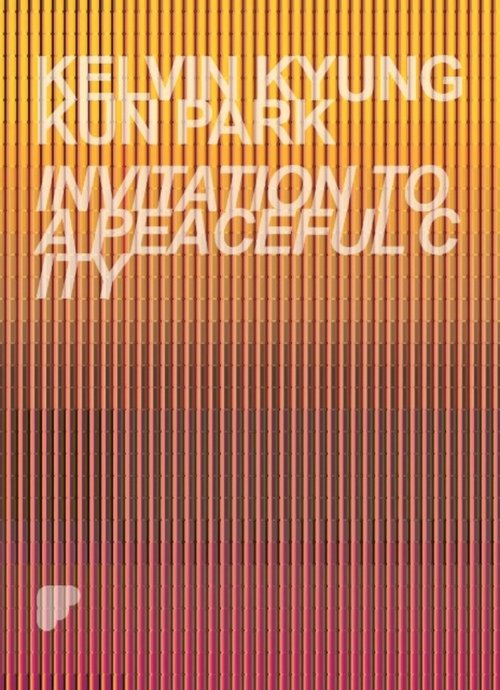
Kelvin Kyung Kun Park’s Invitation to a Peaceful City, poetically mediates on the various forms of cultural resistance and simple quotidian ways of making do, that a variety of displaced Korean villagers have made after being first displaced by the Japanese and then the US Air Force. Park’s work sensitively speaks about the conflict that has arisen between the locals who are now tied into the economy of the base and others who still live under its shadow.
Invitation to a Peaceful City
Cheonggyecheon is a small industrial area in the city of Seoul where small metal workshops are located. Cheonggyecheon had played a key role in the industrialization of South Korea from the remnants of colonialism and war. Following the liberation of the country from Japanese rule in 1945, many industrial complexes became abandoned, resulting in a flood of scavenged machine parts on the market.. In the 1960s, Vietnam War veterans brought many machines into Cheonggyecheon, initiating small-scale production and what’s now considered “copy” production unique to the economies of developing nations. In the past five years, the business on Cheonggyecheon has declined as the surrounding neighborhood is in the process of renovation and gentrification, as part of a beautification initiative by the Seoul Metropolitan Government.