
Martin Witz
Writing
Known For
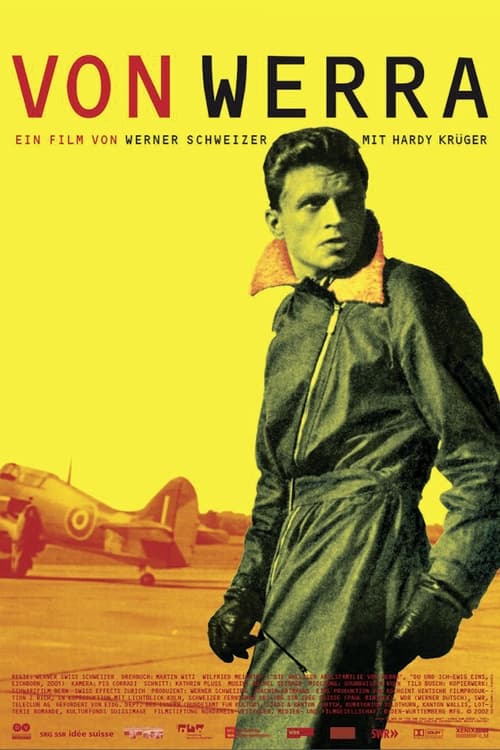
Documentary about a German Luftwaffe fighter pilot, Franz von Werra, the only German soldier of the Second World War who managed to escape from captivity as a prisoner of war and return to Germany.
Von Werra

The story of a great friendship between Bruno Balz and Michael Jary. The most successful duo in schlager and film music has shaped German-language popular culture for five decades. The wild twenties, then cinema glamour and Gestapo imprisonment, new beginnings, and swinging sixties - their songs are still alive today.
In the Shadows of Dreams
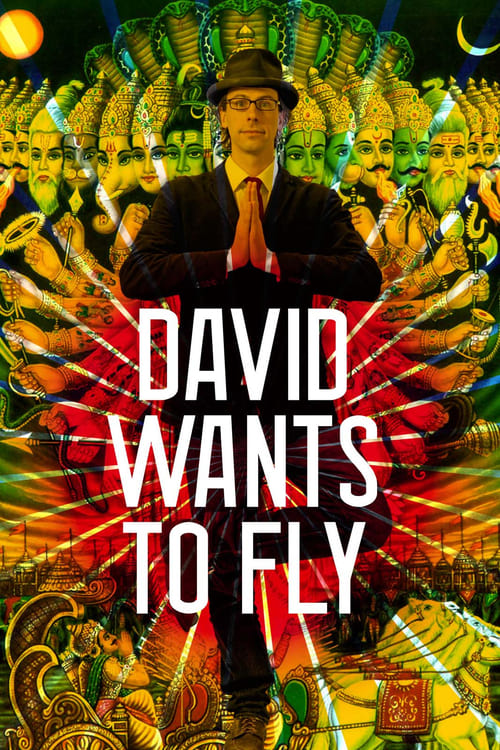
A documentary. David Sieveking takes the advice of his idol, David Lynch and tries out Maharishi Mahesh Yogi's transcendental meditation technique.
David Wants to Fly
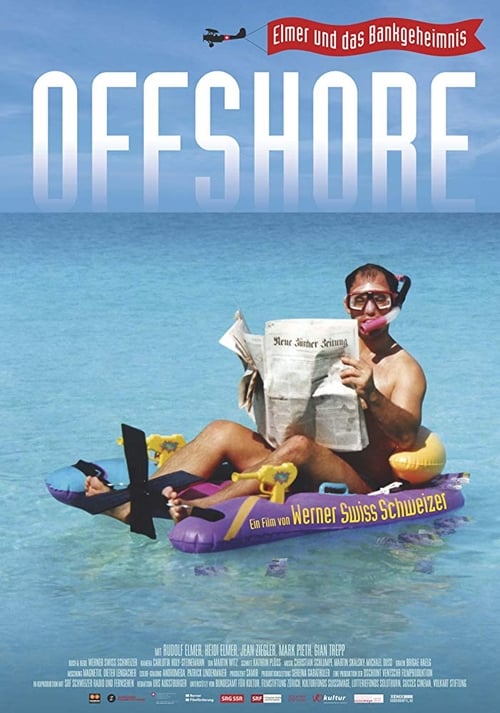
While managers of Swiss banks in the USA ruefully apologize for their tax evasions practices and customer data is disclosed to the American authorities, Rudolf Elmer, former auditor at bank Julius Bär, is indicted for violating the Swiss banking secrecy law on the Cayman Islands. Rudolf Elmer: from insider to critic.
Offshore: Elmer and the Swiss Bank Secrecy
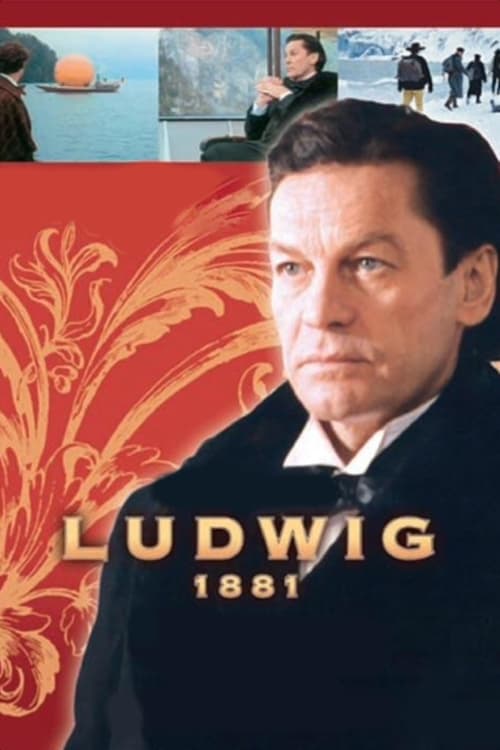
In 1881 Ludwig of Bavaria goes on a cruise on a Swiss lake. He takes with him a famous actor, Josef Kainz, to act out the scenes from a story which took place on the lake, at the actual locations.
Ludwig 1881

Schaedler's film tells the fascinating story of Tibetan monk Gendun Choephel whose robes ultimately proved to be too constricting for his imagination and intellect. Born in 1903, Choephel left an indelible mark on Tibetan culture and became an icon for young Tibetans today. Because of his political views he was persecuted by the Tibetan government and died a broken man in 1951. The film follows in the footsteps of the rebel monk whose intellect challenged the ancient traditions of old Tibet. Journeying through Tibet and India, “Angry Monk” provides a vivid picture of Tibet that is in refreshing contrast to its often idealized and esoteric image.
Angry Monk - Reflections on Tibet
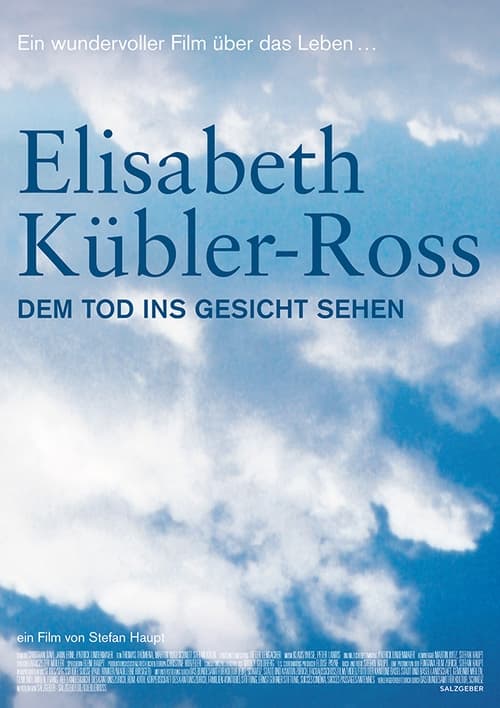
Groundbreaking psychiatrist and author Elisabeth Kübler-Ross dedicated her career to working with the incurably ill. In this intimate documentary filmed near the end of her life, Kübler-Ross relates her life story, from childhood to her final years. Friends, family members and colleagues weigh in with insightful observations and share their memories of this remarkable woman whose innovative concepts helped spawn the field of thanatology.
Elisabeth Kübler-Ross: Facing Death

By coincidence rather than by design, the Swiss chemist Albert Hofmann makes a sensational discovery in the spring of 1943. He realizes that he is dealing with a powerful molecule that will have an impact that reaches far beyond the scientific world. THE SUBSTANCE is an investigation into our troubled relationship with LSD, told from its beginnings to today.
The Substance: Albert Hofmann's LSD
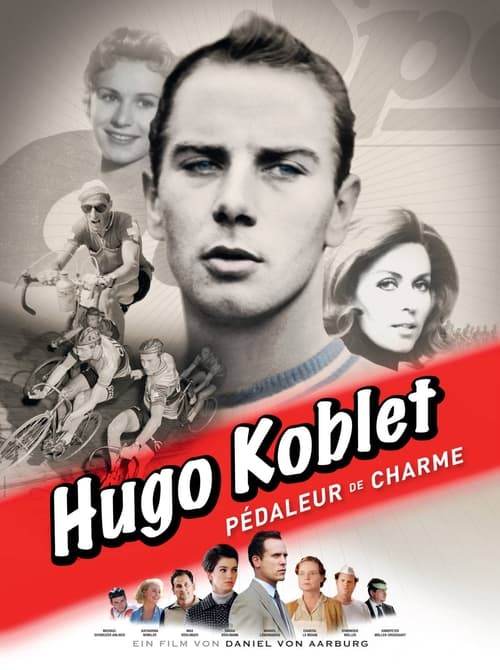
Zurich-born Hugo Koblet was the first international cycling star of the post-war period. He was a stylist on the bicycle and in life, and a huge heartthrob. Koblet had a meteoric rise and won the Giro d'Italia in 1950. Once he had reached the zenith of his career, Koblet was put under pressure by overly ambitious officials and ended up ruining his health with drugs. In 1954, he married a well-known model and they became a celebrity dream couple. After his athletic career ended, Koblet began to lose his footing. Threatened by bankruptcy, he crashed his Alfa into a tree.
Hugo Koblet - The Charming Cyclist
No description available.
Journeys Into the Interior
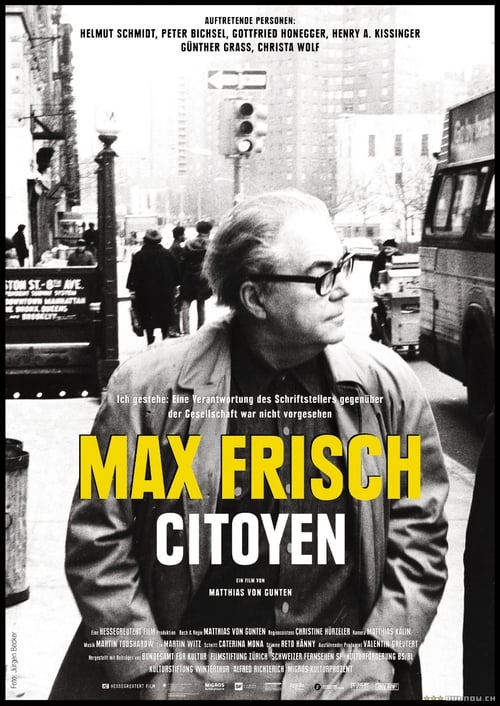
Max Frisch was the last big Swiss intellectual widely respected as a “voice” in its own right – a character hardly found today. The film retells Frisch’s story as a witness of the unfolding 20th century, wondering if such “voices” are needed at all, or if we could do without them.
Max Frisch, Citoyen
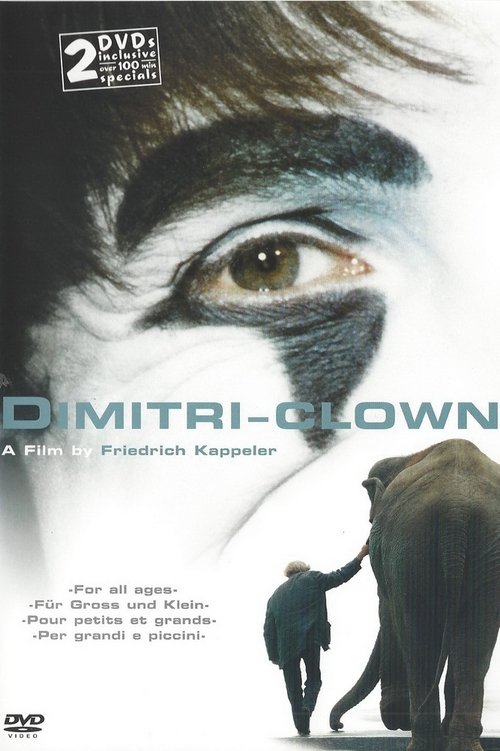
No description available.
Dimitri - Clown
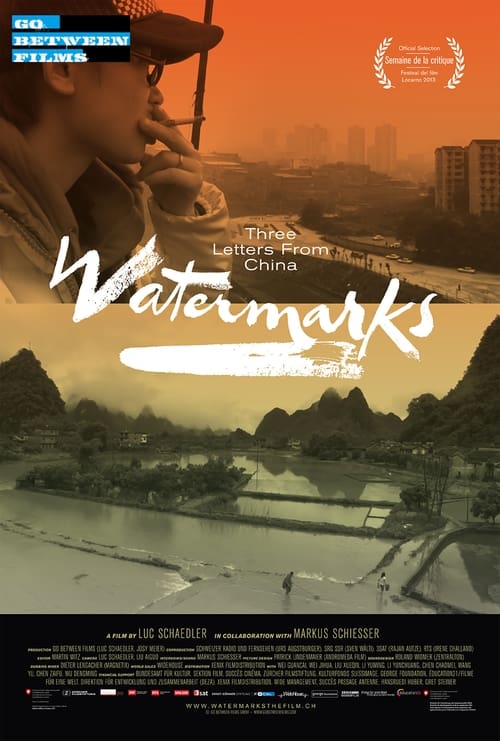
Based on three different places, the film portrays the infractions to which people living in modern day China are subjected due to rapid developments: in the deceptively idyllic Yangshuo in the rainy south; in the apocalyptic coal mining site of Wuhai in the parched north; and in Chongqing, the urban behemoth on the Yangtze River. The protagonists give their accounts of the unsurmounted past, the precarious present and their tentative steps into the future. The film thus paints a complex image of the mental state of the people in this complicated country.
Watermarks - Three Letters from China
The Futurist dream of architecture in motion here becomes reality: the Casa Girasole-its name describing its project-follows the light of the sun, for it is so constructed that it is capable of completely turning on its own axis. Fictional characters, joined by the old mechanical operator of the house and the daughter of the engineer, create a connection with this work of architecture and its history (Swiss Films).
Il girasole: una casa vicino a Verona
Claude, a militant anarchist, is caught stealing and is shot by a policeman while fleeing the scene. Dodo, a hairdresser, is hit by one of the stray bullets. They meet in the realm of the dead and together they visit familiar places and their loved ones. By debating their past with each other, they become close and fall in love. Because of their feelings they get the chance to return to life for twelve hours in order to prove the depth love they share.
Always & Forever
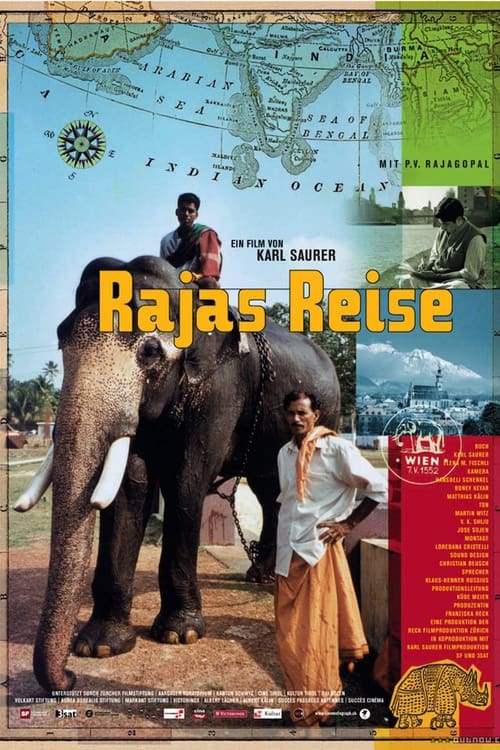
The film traces the mysterious story of the Indian elephant RAJA, who was sent on an adventurous journey from the forests of Kerala to Vienna around 1550, via Lisbon. Gandhi activist P. V. Rajagopal's explorations along the route uncover surprising facts and awaken fascinating associations. We witness the capture of the little elephant, its training, its work in the forest and its performances at temple festivals - until it is chosen as a status symbol by European rulers. A story of appropriation that continues to this day.
Raja's Reise
No description available.
Lebenslänglich
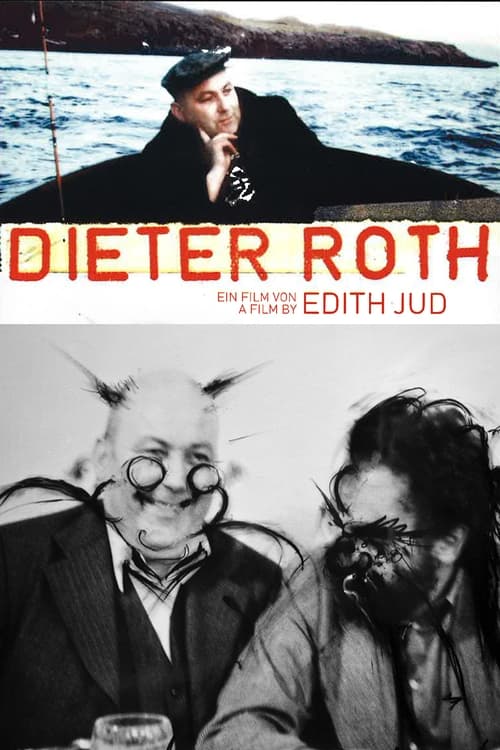
Dieter Roth was an artist who combined art and life in a unique way. He painted, drew, printed, wrote, filmed and made music. He created his own universe in which he turned all materials, no matter how banal or ephemeral, into art. The film "Dieter Roth" is conceived as an inner and outer journey, just as Dieter Roth lived, worked, taught, learned, loved and suffered while traveling. The starting point is his works, including videos and films in which he himself acts - friends and companions will also accompany this cinematic journey, above all his son Björn, who has worked with him for the last 20 years.
Dieter Roth
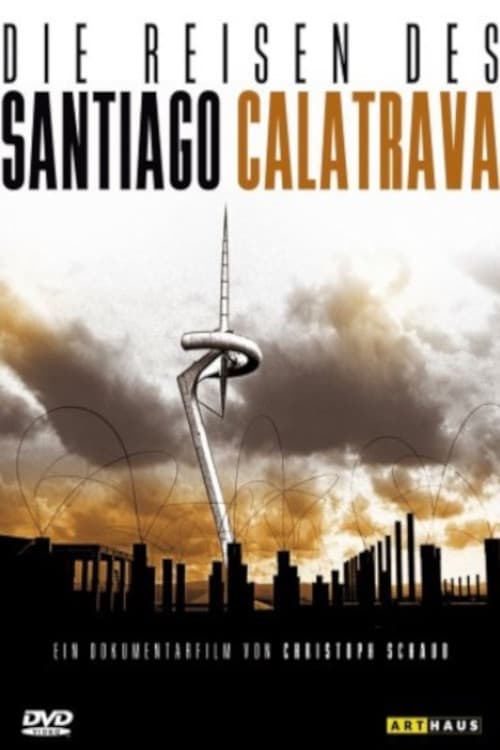
A documentary feature about architect Santiago Calatrava.
Die Reisen des Santiago Calatrava
Robert Tanner is a popular, courteous grocer in the provinces. No one believes the unassuming man to be malicious. And yet Tanner is seething. One night, out of the blue and with a strange calm, he kills first his wife Edith and then his young son Beni. The next morning, he leaves the place of horror with a strange feeling of liberation. On his "journey" he reveals himself to a strange woman and wants to face the press.