Larry O'Reilly
Directing
Known For
In this Screenliner short, New York City police detectives investigate the case of a missing girl, whose clothes are found on a bridge. Was it a suicide, was she murdered, or is this a hoax?
Where Is Jane Doe?
This short shows how the city of Reading, Pennsylvania would implement civil defense procedures to help residents survive a nuclear attack. Through a network of volunteers, makeshift hospitals would be set up, auxiliary police officers would maintain order, and other elements of the civil defense program would be put in place.
Alert Today - Alive Tomorrow
This short film focuses on how conservationists endeavor to protect wildlife.
Sportsmen at Work
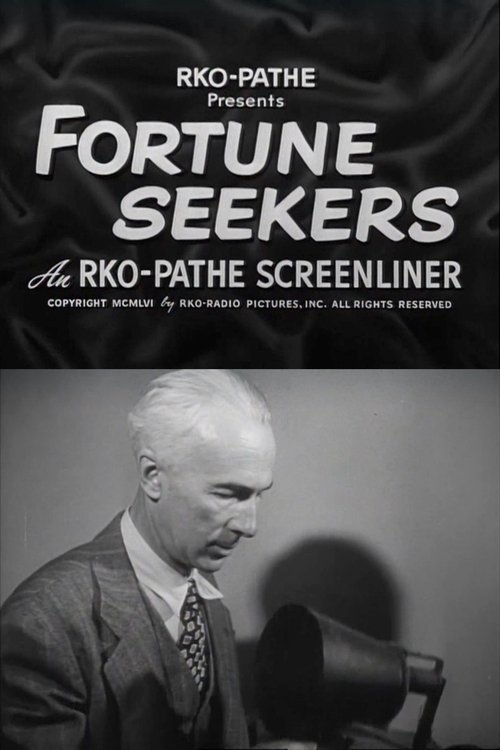
This short film celebrates the hard work, tenacity, and ingenuity of inventors. Highlighted are some seemingly small inventions that have become part of daily life.
Fortune Seekers
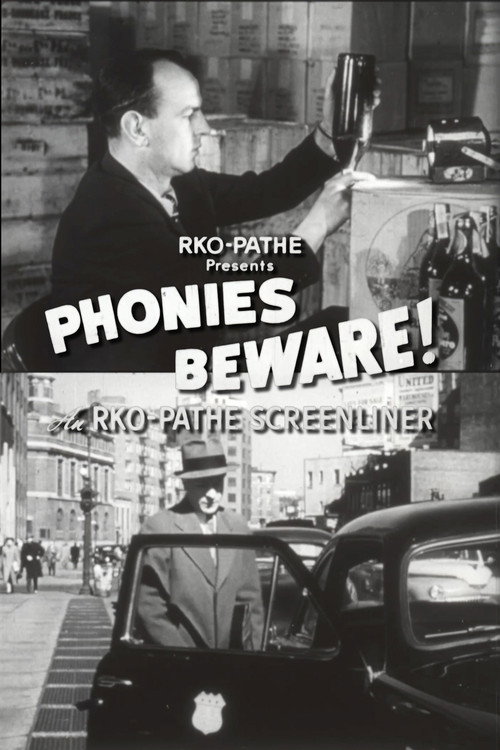
This Screenliner short shows how the U.S. Food and Drug Administration (FDA) looks at drug claims that may be fraudulent. In this case, a product called Elixirex is advertised as a cure-all for almost any ailment, including arthritis, rheumatism, and diabetes. After a diabetes patient dies following the use of Elixirex, FDA inspectors start their investigation.
Phonies Beware!
A short documentary about the Pinkerton Detective Agency, the oldest private detective company in the United States.
We Never Sleep
Superstitions are examined in the context of mid-20th century America. Walking under ladders, spilt salt, stepping on cracks, haunted houses, voodoo dolls, and such are used to illustrate the widespread belief in the supernatural.
Black Cats and Broomsticks
This short goes inside government research laboratories to showcase some of the products that will be used in the near future. Some are for general use, such as computerized assembly lines, nuclear energy and solar powered batteries, and industrial uses for television. Others are consumer products, including video telephones, videotape to make instant home movies, irradiated food, and fully automated kitchens.
The Future Is Now
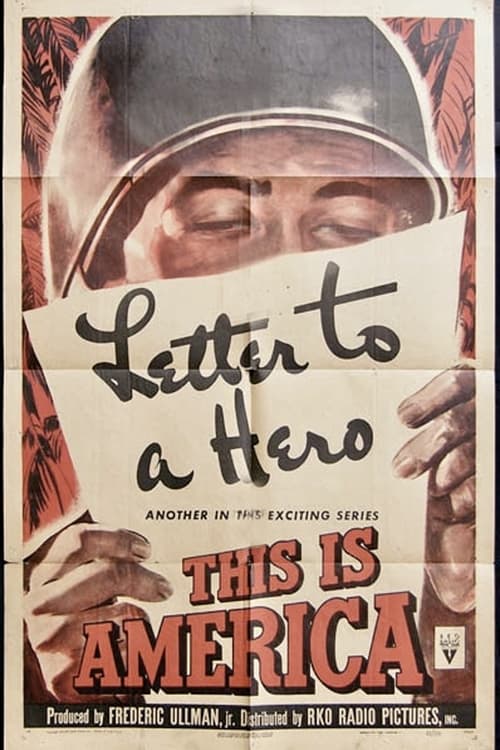
Letter to a Hero is a 1943 American short documentary film produced by Frederic Ullman Jr. A school teacher in Monroe, NY writes a letter to her former student who is fighting in WWII. It was nominated for an Academy Award at the 16th Academy Awards for Best Short Subject, Two-Reel.
Letter to a Hero
A look at post-war American railroads during their conversion to peace, operating under the handicap of little to no new equipment. It then looks at the plans for the future designed to provide swifter, safer and more comfortable traveling for the American public. Swifter is about all that is now left of the plans detailed in this 1947 short. The vast majority of the American public has no access to rail travel, all of the depots are gone, along with thousands and thousands of miles of track, and railroading is now a shipping service, mostly of truck trailers and containers. No complaints, other than most wish they could have at least kept the mournful, lonely and lovely sound of the old steam whistle. Diesel horns in the night have inspired very few songs or dreams. The essence of railroading, for older America, is captured in the title of this short.
Whistle in the Night
Documentary short about the Chicago landmark building where thousands of products are displayed for buyers, wholesalers, and tourists.
The Merchandise Mart
The Ohio State Highway Patrol explain the need for safe driving, and the tragic consequences of accidents.
Wheels of Tragedy
Arctic Passage (RKO "This Is America" series) is a documentary showing the construction of the highway from British Columbia to Alaska: the seemingly insurmountable barriers to be overcome, the boom towns that ro se up on the way, the mud, the mosquitoes, the cold-and, finally, a trip with the first truck convoy to cover the route. It is an effective, well-edited story of a real happening.