Acting
No description available.
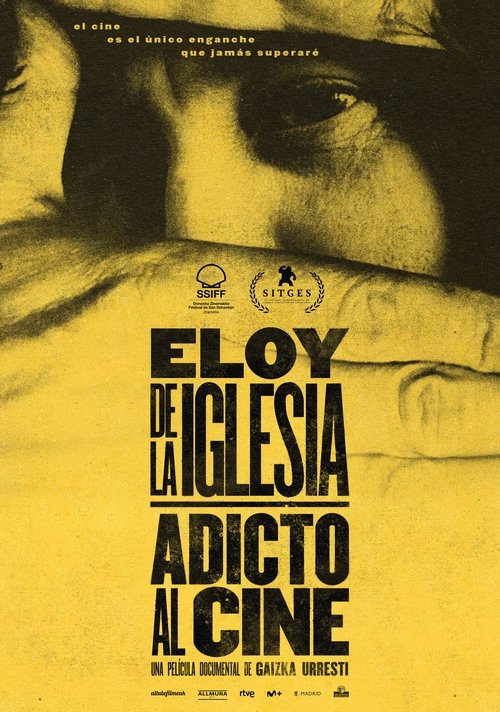
A dauntless film director, an enfant terrible in his early days, confrontational with censorship, always pushing the boundaries of freedom of expression, chronicler of the darkest corners of the transition, De la Iglesia will fall into the clutches of drug addiction, being forgotten and sometimes repudiated for more than a decade before eventually shaking off the ostracism to make films once again, that habit he could never kick.
This movie doesn't have any coherent plot. It's the portrait of the lives of different people in the hard years of post-war in Spain (the 40's), and how they manage to survive in a country desolated by the war. Like other films: La colmena or Roma (Fellini) it shows us lots of characters and some moments of their lives.
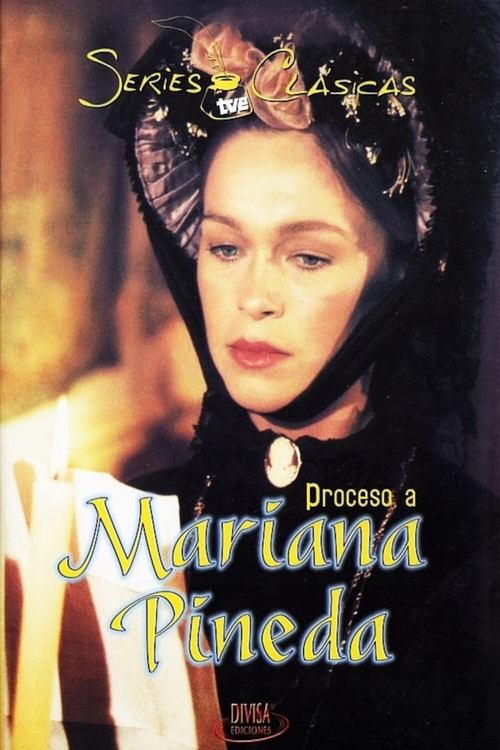
Mariana Pineda is a liberal activist in 19th Century Spain who gets arrested and tried for conspiracy in 1831.
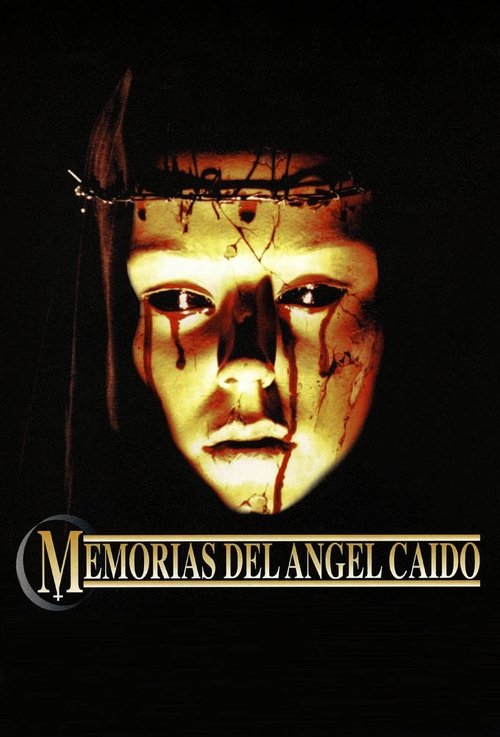
A group of parishioners die poisoned upon receiving communion, during the investigation of the event the priests of the parish begin to have visions. Everything rushes when the dead are resurrected in the autopsy room, these strange events seem to be related to an old book enacting a new religion.
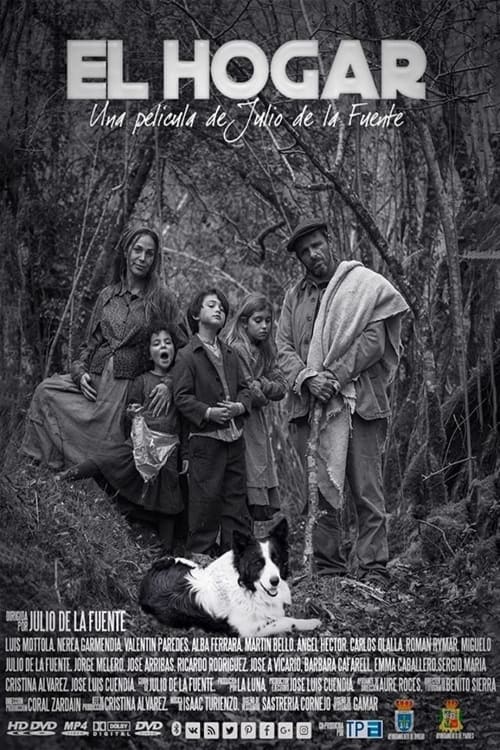
A family struggles to have a worthy home, but circumstances go against them.
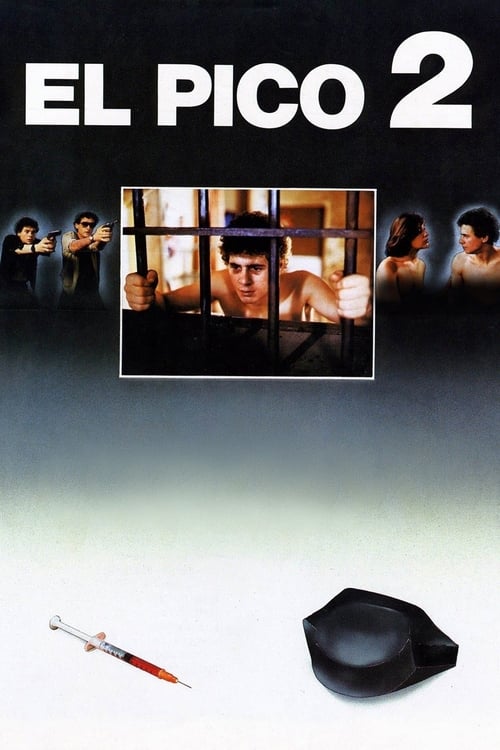
Following the events of El pico, the heroin-addicted Paco faces jail time due to his involvement in a double murder.
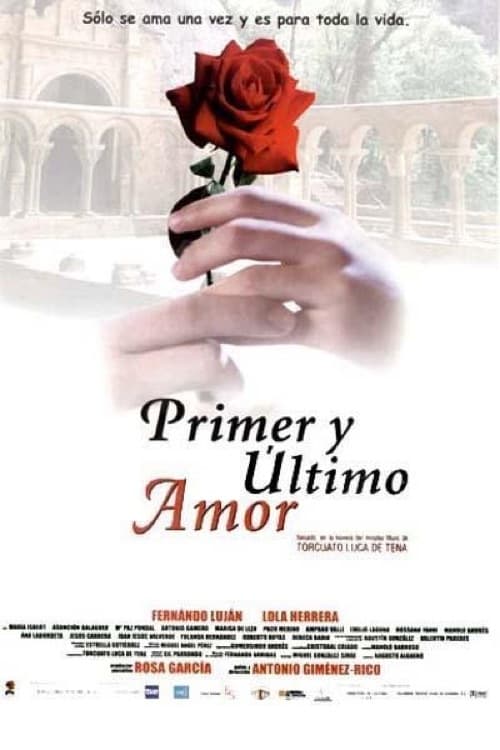
An elderly man returns to his native town with the hope of finding his childhood love.
"El Florido Pensil" is a humorous reflection of the education of several generations of Spaniards from the 1940s to the 1960s. Based on the book of the same name by Andrés Sopeña, it evokes, from the present, his memories of that time: everyday school, local radio, Roberto Alcázar's comics, Thursday cinema with Franco opening swamps and "Yon Güein" chasing and killing Indians. Through the childish eyes of a child Sopeña (Daniel Rubio) and his schoolmates, we discover a way of understanding the world, society and a Spain "of glories and flowery pensil", as the national anthem of those years used to sing.
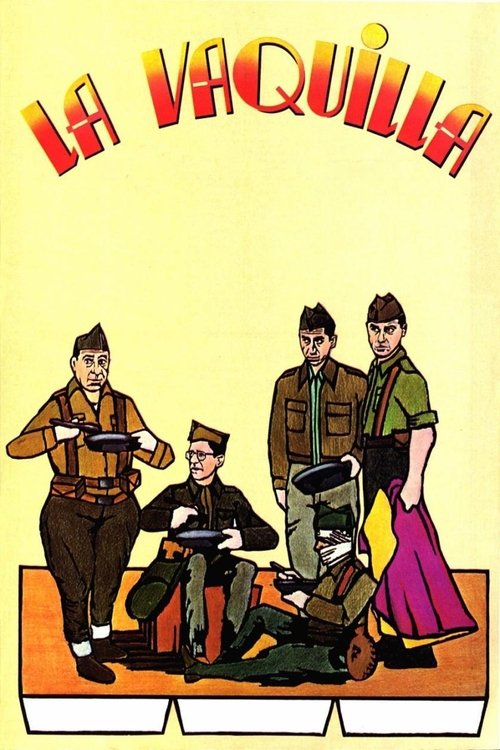
During the Spanish Civil War a platoon of mismatched Republican soldiers cross the front-line to steal the bull that the enemy is going to fight on the local holiday of the nearby village. In addition to ruining the Nationalist faction's celebration they want the animal in order to butcher it and feed their famished troops. They get caught in the process and have to go through a series of funny and pathetic incidents before they can get back to their side.
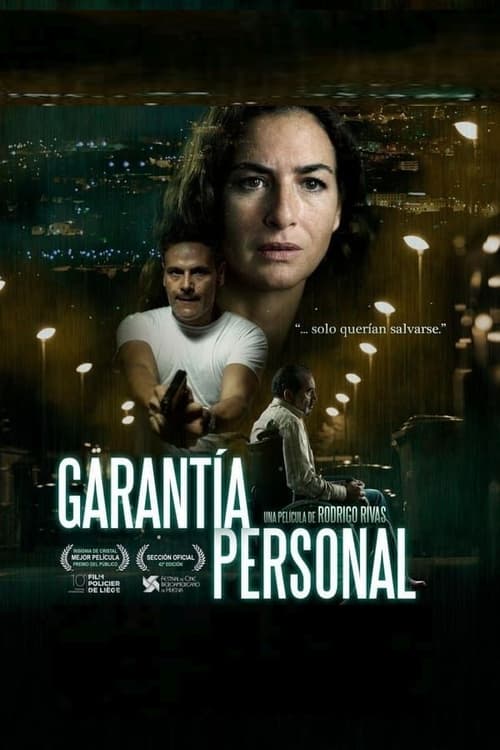
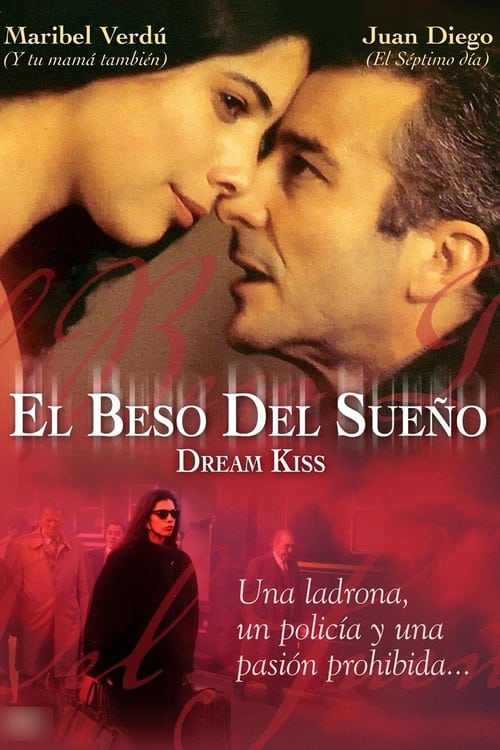
The gorgeous Margot supports her aged father by seducing men on trains, slipping them a Mickey Finn (a beso de sueño) and robbing them. One night her victim is a currency smuggler taking 100 million pesetas out of Spain. He's being watched by a cop and by a burned-out alcoholic.
Carmen leaves her husband Julio to go live with an intellectual who has made a career in the United States. While, Julio goes away to live of rent to house of an aristocrat come to less. After meeting several colorful characters, Julio decides to recover Carmen.
After a terrible streak, the Briones family decides to return to their hometown, Villanueva de los Molinos, that rural arcadia where streams of honey flow and harmony is the currency among its people. Or not. Once there, Santiago, the head of the family, accompanied by his children Damián, Antoñito, Pólar, and Rosendo, will try to adapt to their new life by doing all kinds of jobs, from agricultural tasks to taking care of the mayor’s elderly mother.
A New York executive is handcuffed to a precious briefcase to which only his Spanish contact holds the key and of which many others are in hot pursuit.
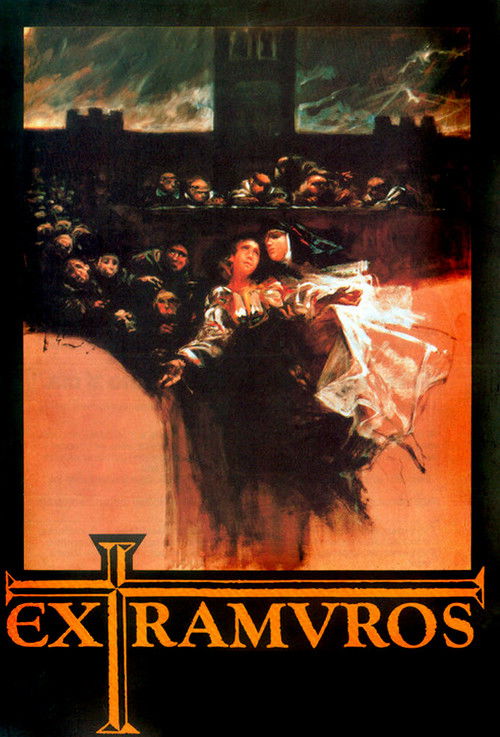
This 1985 Spanish film reveals one of the many terrible aspects of 16th century Spain, still plagued by the radical Christian Inquisition, one of a plethora of difficulties Spaniards faced at the time. Spanish super star Carmen Maura plays a nun who agrees to a selfless scam, a fake stigmata, only to avoid separation from her lover, another nun. It's a serious and passionate work, highlighting the theme of outspoken women-against-repression, seen in other good gay and lesbian films. This is not a lesbian "Nun sense" or another "Dark Habits" (by Almodovar, which also starred Carmen Maura, and also set in a Spanish convent, with some lesbian nuns). Perhaps, best of all, 'Extramuros' is realistic and frank. It isn't shy about its characters' sexuality. Their sexuality, and the film as a whole are genuine.
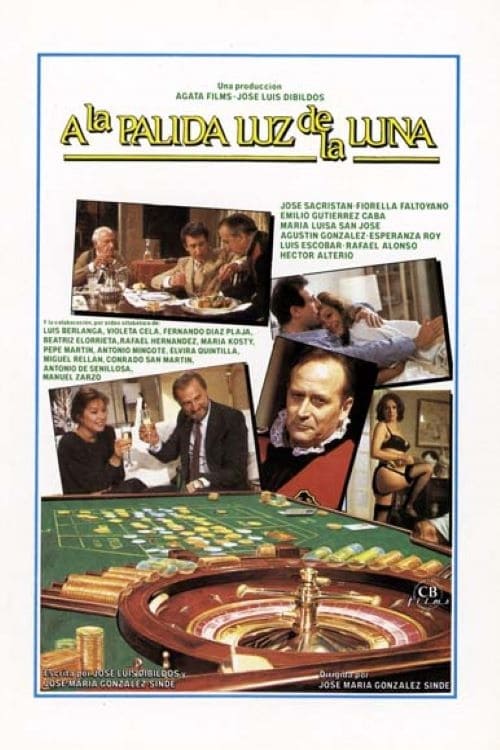
The night of San Juan, Miguel murders his associate. Two elderly people are witness to the crime and predict that all of his dreams will come true thereafter. He will know the price he has to pay when he sees a black cat with a moon shaped mark on its forehead. Twenty-two years later a messenger begins to see all his dreams come true...
The small Asturian village of Cenciella, Spain, at the beginning of the twentieth century. The quiet life of Urbano and Estrella, a kind and naive couple in love, is seriously altered when they get involved in the fierce struggle between the local political factions.