Acting
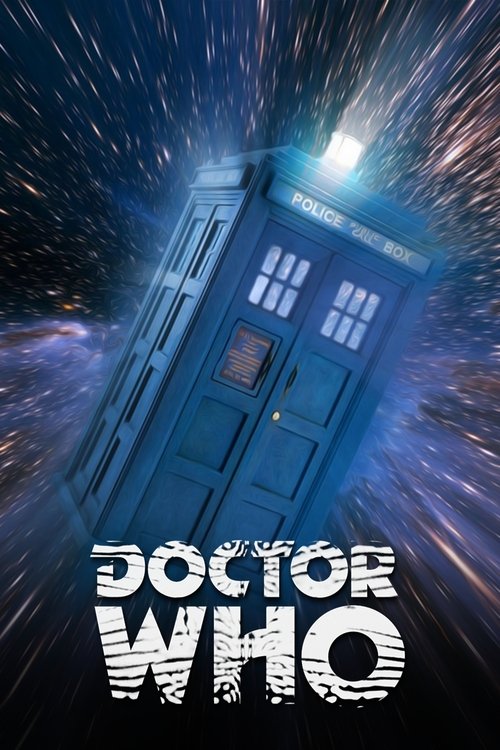
The adventures of The Doctor, a time-traveling humanoid alien known as a Time Lord. He explores the universe in his TARDIS, a sentient time-traveling spaceship. Its exterior appears as a blue British police box, which was a common sight in Britain in 1963 when the series first aired. Along with a succession of companions, The Doctor faces a variety of foes while working to save civilizations, help ordinary people, and right many wrongs.
Play for Today is a British television anthology drama series, produced by the BBC and transmitted on BBC1 from 1970 to 1984. During the run, more than three hundred programmes, featuring original television plays, and adaptations of stage plays and novels, were transmitted. The individual episodes were between fifty and a hundred minutes in duration.
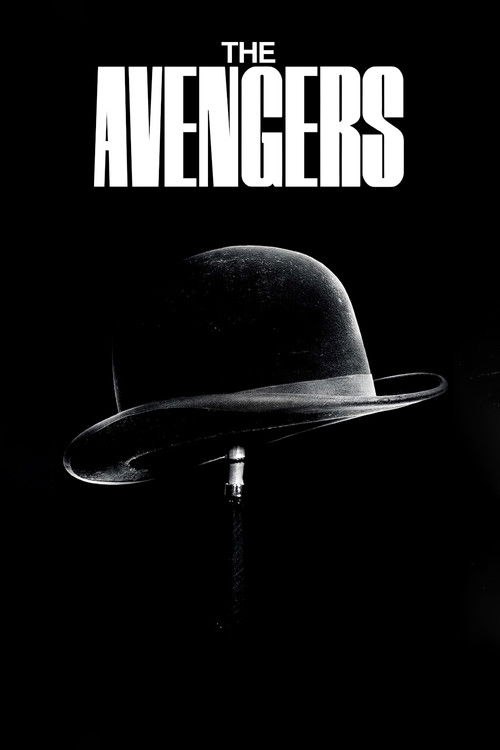
A quirky spy show of the adventures of eccentrically suave British Agent John Steed and his predominantly female partners. Jonathan Steed - an urbane, proper gentleman spy - teams with various assistants throughout the series' run, including Dr. David Keel, Cathy Gale, Emma Peel and Tara King, to repeatedly save the world from diabolical schemes plotted by equally diabolical evil-doers (among them robots and man-eating monsters).
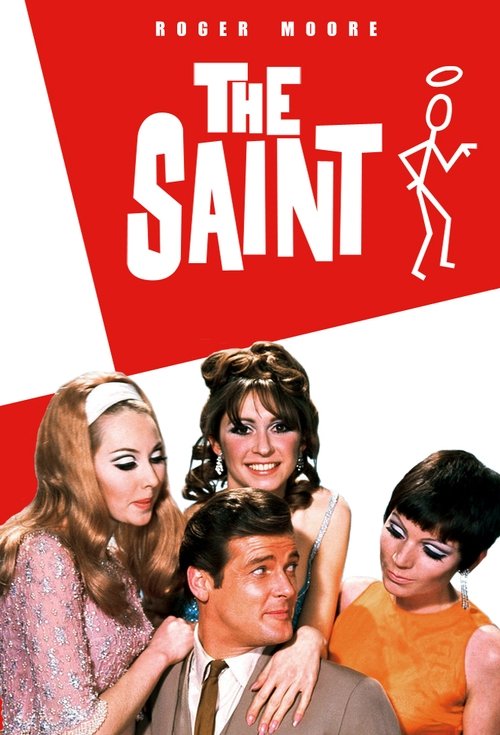
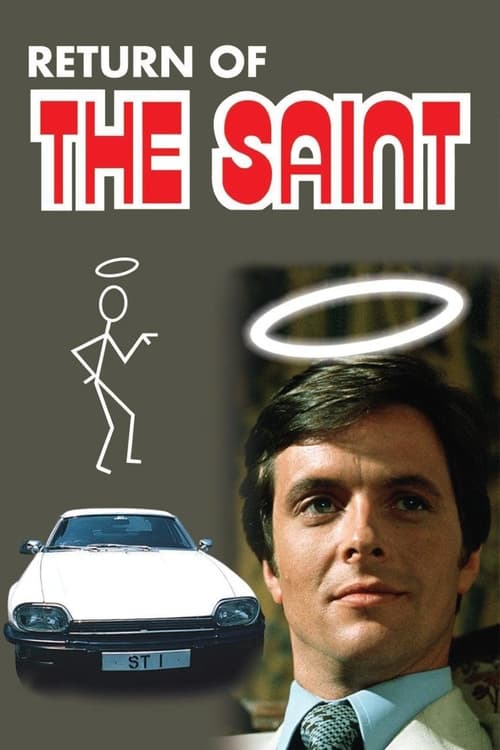
Simon Templar is The Saint, a handsome, sophisticated, debonair, modern-day Robin Hood who recovers ill-gotten wealth and redistributes it to those in need.
An anthology series of television plays which aired on BBC1 from October 1964 to May 1970. The plays were usually written for television, although adaptations from other sources also featured.
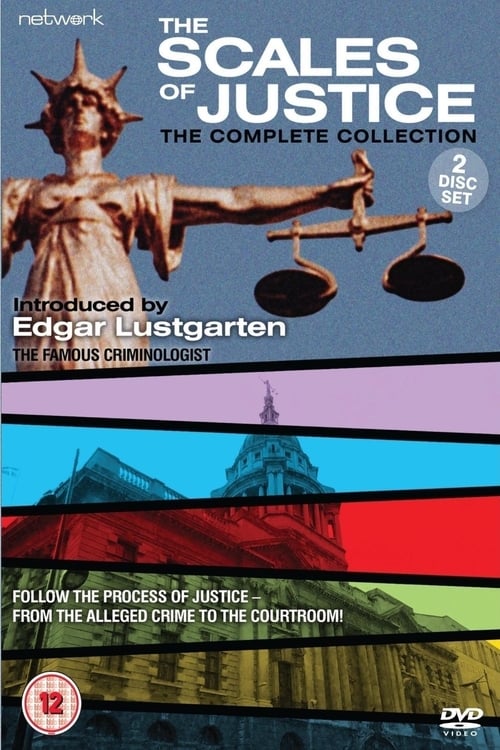
The Scales of Justice is a series of thirteen British cinema featurettes produced from 1962 to 1967 for Anglo-Amalgamated at Merton Park Studios in London. The first nine were made in black and white, and the last four in colour. The finale, Payment in Kind, was Merton Park's final production. Episodes were based on criminal cases, and each film was introduced by criminologist Edgar Lustgarten. The series derives its title from the symbolic scales held by the statue of Justice, situated above the dome of London's Central Criminal Court, The Old Bailey. The opening narration describes her as having "in her right hand, the Sword of Power and Retribution, and in her left – The Scales of Justice".
Forward thinking anthology of dramas about the emerging problems of a city.
A BBC anthology series featuring adaptations of detective stories over 45 episodes in three seasons that ran from 1964 to 1969. As with many BBC programmes made before the early 1970s, many of its episodes no longer exist. Of the eighteen episodes from the first season only twelve are currently known to exist; likewise six of the sixteen editions from the second run are considered lost, and just one of the final ten survives in the archives.
Shine on Harvey Moon! is a British comedy-drama series made by Central Television for ITV from 8 January 1982 to 23 August 1985 and briefly revived in 1995 by Meridian. This generally light-hearted series was created by comedy writers Laurence Marks and Maurice Gran. The series is set in the East End of London shortly after the Second World War. Upon being demobbed RAF serviceman Harvey Moon, played by Kenneth Cranham, returns home and finds his family involved in various troubles. His wife Rita, played by Maggie Steed, is not interested in resuming their relationship, and works in a seedy nightclub frequented by American servicemen. He becomes involved with the Labour Party and the union movement. The name of the series is a wordplay on the title of the popular 1908 song 'Shine On, Harvest Moon'. The first series was commissioned and recorded by ATV at their Elstree studios with the remaining series filmed at newly constructed facilities in Nottingham.
Studio 4 is an anthology drama series utilising BBC Television Centre's Studio Four, and running for two series in 1962 on BBC One. It was envisaged as a sequel to Storyboard, a similar anthology series which had been transmitted the previous year.
With global superpowers engaged in an increasingly hostile arms race, Superman leads a crusade to rid the world of nuclear weapons. But Lex Luthor, recently sprung from jail, is declaring war on the Man of Steel and his quest to save the planet. Using a strand of Superman's hair, Luthor synthesizes a powerful ally known as Nuclear Man and ignites an epic battle spanning Earth and space.
Follow the swashbuckling exploits of Simon Templar, a modern-day Robin Hood of sorts.
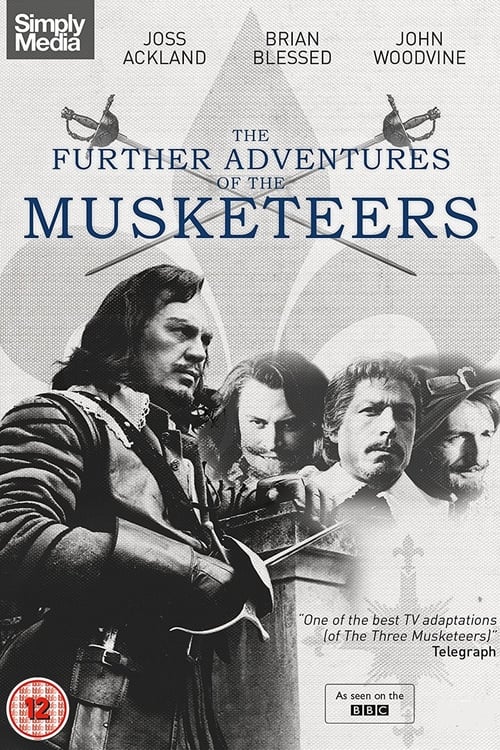
The Further Adventures of the Musketeers was a BBC drama series and a follow-up to the 1966–67 10-episode serial The Three Musketeers. Based on Alexander Dumas' novel Twenty Years After, this 16-episode series follows Athos, Porthos and Aramis, along with new recruit d'Artagnan, as they continue to protect the name and throne of the King.
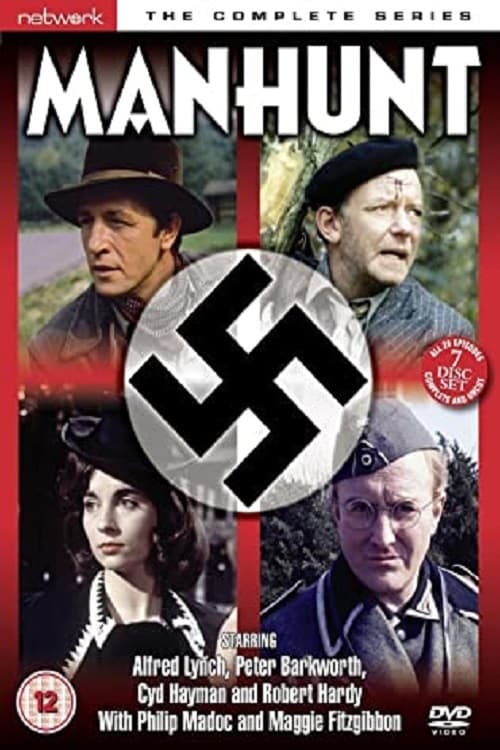
Manhunt is a World War II drama series consisting of 26 episodes, produced by London Weekend Television in 1969 and broadcast nationwide.
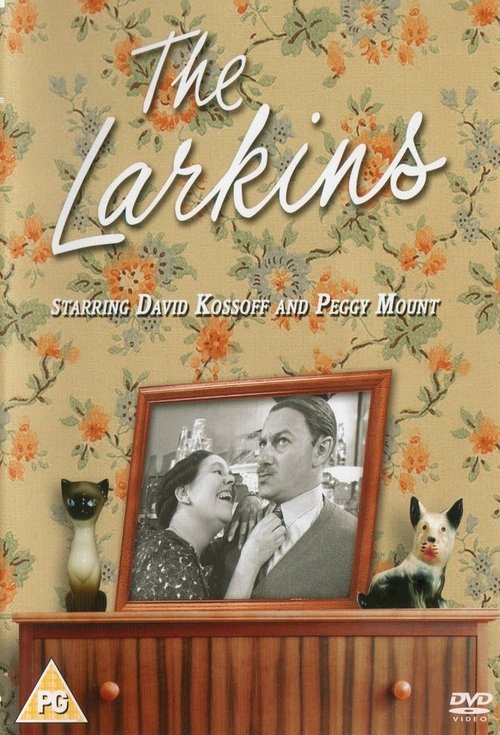
'The Larkins' is a British television sitcom which was produced by Associated Television and aired on ITV. It aired for four series between 1958 to 1960. An additional two series aired from 1963 to 1964.
In Colne, Lancashire, in the North West of England, Nellie and Eli Pledge may be siblings, but their personalities are polar opposites. If not for inheritance, they would never even think of becoming business partners for five years.
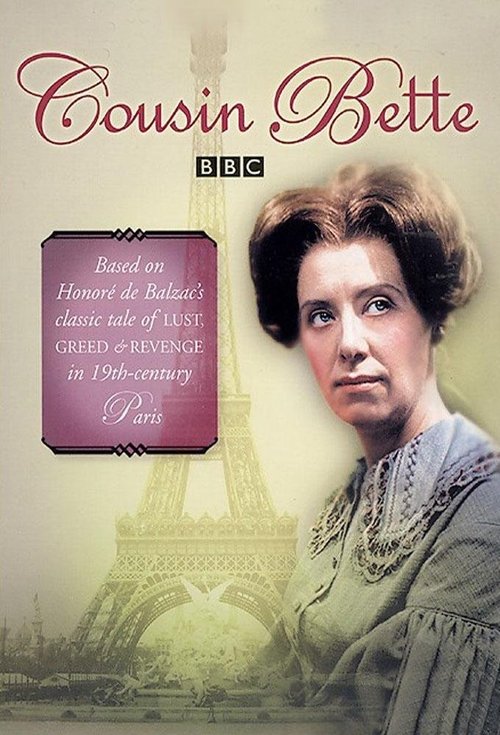
In 19th century Paris, Bette Fischer, a poor and homely spinster, forms an alliance with the seductive courtesan Valerie Marneffe to orchestrate revenge on her handsome and wealthy relatives.
Simon King, an alien agent from the Inter Galactic Council, is sent to Earth on a mission to stop unscrupulous refugees from a dying planet from wiping out Mankind and taking over the planet Earth.
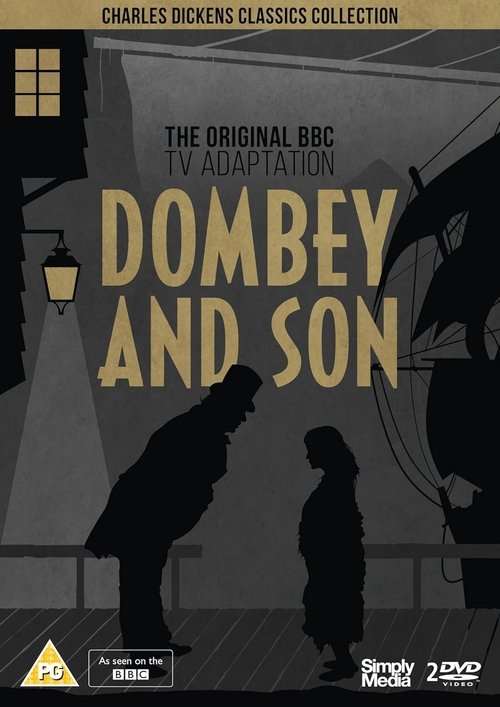
Charles Dickens' classic novel is given its first television adaptation in this classic 1969 BBC production. Paul Dombey is a well-to-do shipping firm owner, who lacks a son to take over the family business. After rejecting his daughter's affection, he reconciles with her before his death.
Studio 4 is a BBC drama anthology series, filmed at the BBC TV Centre's Studio Four, and screening over two seasons in 1962. The series was envisaged as a sequel to Storyboard, an anthology series which had been transmitted the previous year.