Michèle Torr
Acting
Biography
Michèle Torr (born Michelle Cléberte Tort 7 April 1947) is a French singer and author, best known in non-Francophone countries for her participation in the Eurovision Song Contest for Luxembourg in 1966 and for Monaco in 1977. Born in Pertuis, Vaucluse, Torr won her first singing contest at age fifteen, in 1962, winning the first year's On Chante dans mon Quartier contest in Avignon. Michèle was a tall beautiful woman with actress-like expression, and easily wins the audience over by singing the Édith Piaf song Exodus. Mireille Mathieu was runner-up that year with Les cloches de Lisbonne by Maria Candido. Then in 1963, at age sixteen, Michèle won a recording contract with the Mercury label, and opened for Jacques Brel at the Paris Olympia. She released three EPs (four songs each) throughout 1964, which were aimed at radio and juke-box play. Torr's release of Dans mes bras, oublie ta peine in 1964 was a big hit. Further releases of both original French material, and French covers of British and American hits, proved to be hit and miss. This setting the tone for Torr's career throughout the 60's, as she tried to find her niche. The Mercury contract ended in 1972. In 1966, Torr was invited to perform the Luxembourgish entry, Ce soir je t'attendais, at the eleventh Eurovision Song Contest. This was permitted as there has never been a requirement at Eurovision for the singer to be native to the country they represent; indeed Luxembourg only very rarely chose a Luxembourger as their performer. As Luxembourg had won the 1965 contest, the 1966 contest was held in Luxembourg City on 5 March. Torr wound up finishing joint-tenth out of eighteen participants, alongside the entries from Finland and Germany. Eleven years later, in 1977, Torr again took part in Eurovision, this time representing Monaco with the song Une petite française. The 1977 contest took place in London on 7 May, and Torr improved on her previous result, finishing fourth of eighteen participants. In between her two Eurovision appearances, Torr had also taken part in the French Eurovision pre-selection in 1970 with two songs, but had not progressed beyond the semi-final stage. Torr had continued to record and release singles during the early and mid 1970s like Une vague bleue, a big hit, but she achieved the biggest successes of her career at the end of the decade with Emmène-moi danser ce soir, La séparation and Discomotion. Through the 1980s she continued to release successful singles and albums and was a regular on television. Her career stalled in the 1990s, with much less new material being released, although compilations of earlier work kept her in the public eye. On 3 March 2008, she released her album Ces années-là on the Sony BMG Import label. On 12 November 2012, she released an album of religious songs Chanter c'est Prier on the Sony Music France S.M.A.R.T. label. As of 2015, She continues to tour worldwide on the French music nostalgia circuit, with almost a concert a month. Source: Article "Michèle Torr" from Wikipedia in English, licensed under CC-BY-SA.
Known For

No description available.
Champs-Elysées

The Eurovision Song Contest is an international song competition, organised annually by the European Broadcasting Union (EBU) and featuring participants representing primarily European countries. Each participating country submits an original song to be performed on live television and radio, transmitted to national broadcasters via the EBU's Eurovision and Euroradio networks, with competing countries then casting votes for the other countries' songs to determine the winner.
Eurovision Song Contest

Midi Première is a French variety show presented by Danièle Gilbert, directed by Jacques Pierre and broadcast from January 6, 1975 until January 1, 1982 on TF1. The program was generally broadcast between 12:15 p.m. and 12:55 p.m., then giving way to the 1:00 p.m. TV news. However, the broadcast schedule could change, depending on the guests, and the setting where the recording of the program was shot. Certain performances by artists who have become cult like the one where Ringo jostles with a demonstrator in interpretation (1977), that of Dalida with the title There is always a song with the soundtrack that does not start, twice, at the right speed (1978), Claude François and his Clodettes, who, in the provinces, are unable to join "the set" in order to interpret his song, the latter being taken by the crowd of delirious fans (summer 1977) . The group Supertramp performed there with the title "Dreamer" on March 8, 1975.
Midi Première

No description available.
Sacrée soirée

A talk show presented by Michel Drucker
Les Rendez-vous du dimanche

No description available.
Le monde est à vous
No description available.
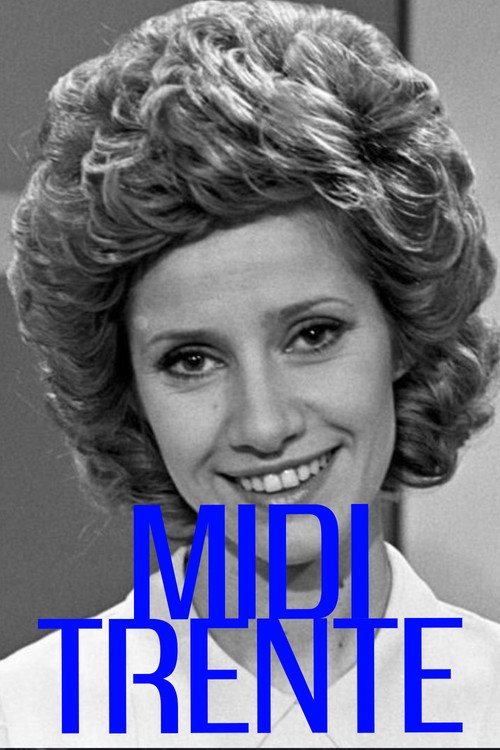
Midi trente

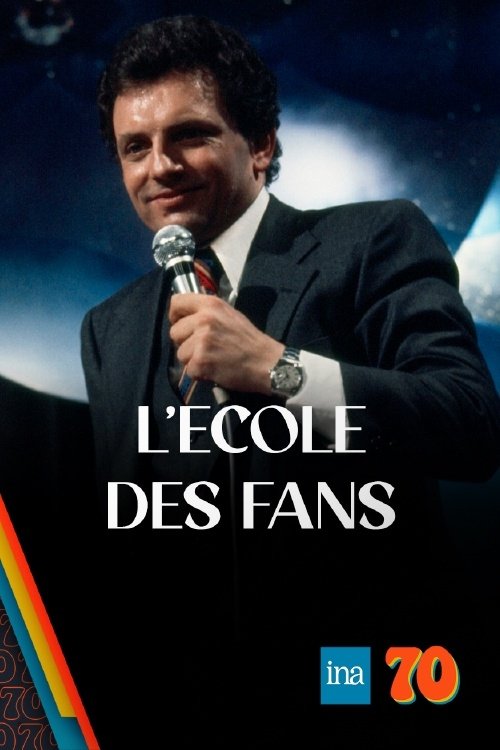
Host Jacques Martin invites different talented children from various backgrounds to showcase their beautiful voices. The participants entertain and wow the audience with their lovely performances.
Fan School

No description available.
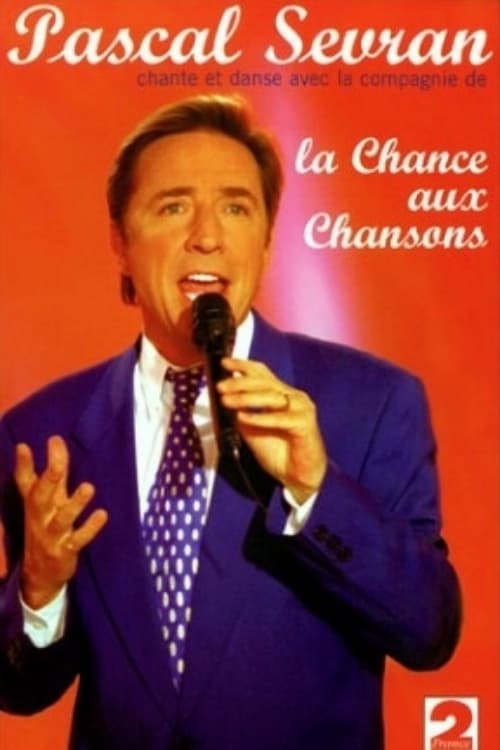
La Chance aux chansons

Star Academy is a French reality television show produced by the Dutch company Endemol. It consists of a contest of young singers. It spawned an equally successful show in Quebec called Star Académie. It is broadcast on TF1. At the end of each season, selected contestants would go on tour around France, Morocco, Switzerland, Belgium, Tunisia, and other French-speaking countries.
Star Academy
No description available.
Samedi soir

No description available.
30 millions d'amis

No description available.
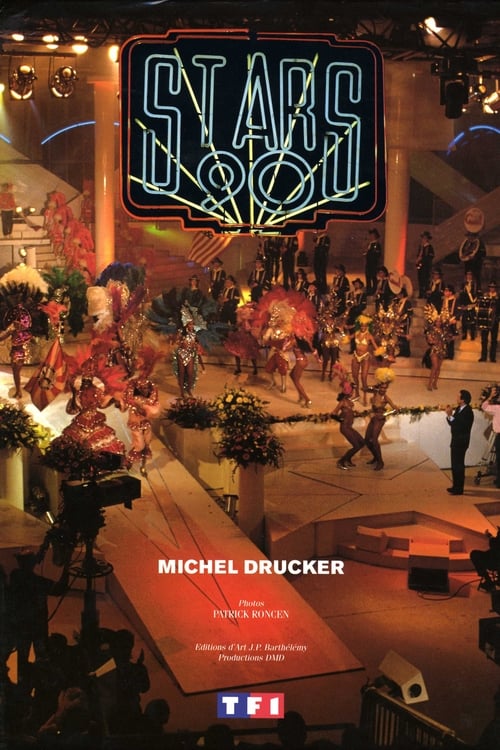
Stars 90
No description available.
Système 2

No description available.
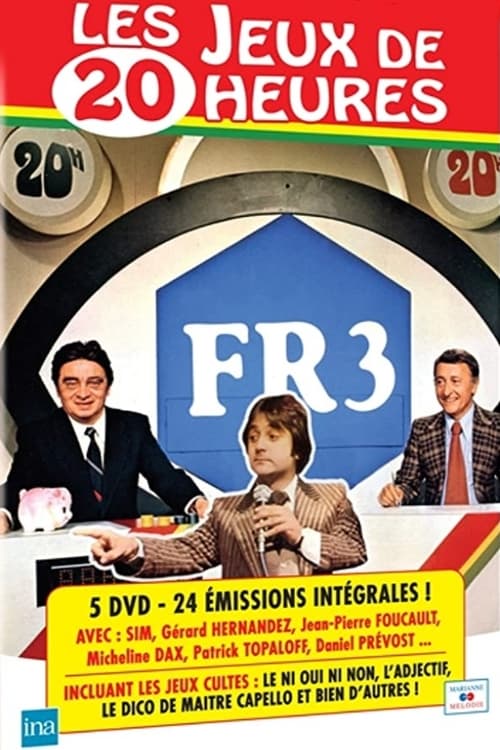
Les Jeux de 20 heures

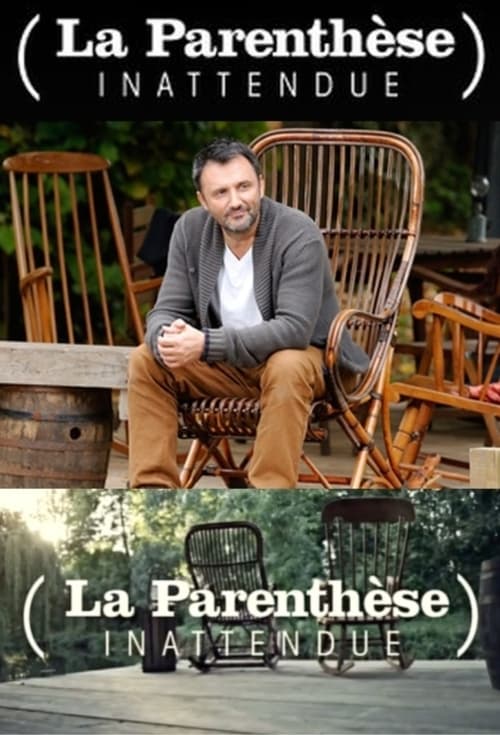
In each episode, 3 celebrities who have never met go on a 24-hour break in the countryside. A moment out of time to meet and talk about love, friendship, life with its obstacles and surprises.
The Unexpected Getaway

In each episode, 3 celebrities who have never met go on a 24-hour break in the countryside. A moment out of time to meet and talk about love, friendship, life with its obstacles and surprises.
The Unexpected Getaway
No description available.
Europarty

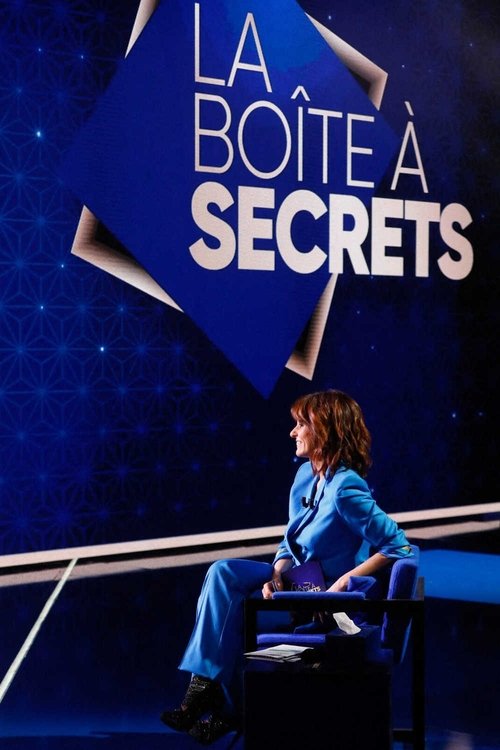
La Boîte à secrets: confidences, emotion and entertainment. Faustine Bollaert takes over the helm of this new show on France 3. She will receive 3 guests who will relive their greatest personal and professional secrets.
La Boîte à secrets

In May 1974, Valéry Giscard d'Estaing became President of the Republic and wanted to bring about a new era of modernity. One of his first decisions was to break up the ORTF with the creation of three new television channels: TF1, Antenne 2 and FR3. Three new public channels but autonomous and competing. It is a race for the audience which is engaged then, and from now on the channels will make the war! This competition will give birth to a real golden age for television programs, with variety shows in the forefront. The stars of the song are going to invade the living rooms of the French for their biggest pleasure. This unedited documentary tells the story of the metamorphosis of this television of the early 1970s, between freedom of tone, scandals, political intrigues and programs that have become mythical.