Acting
Aucune description disponible.
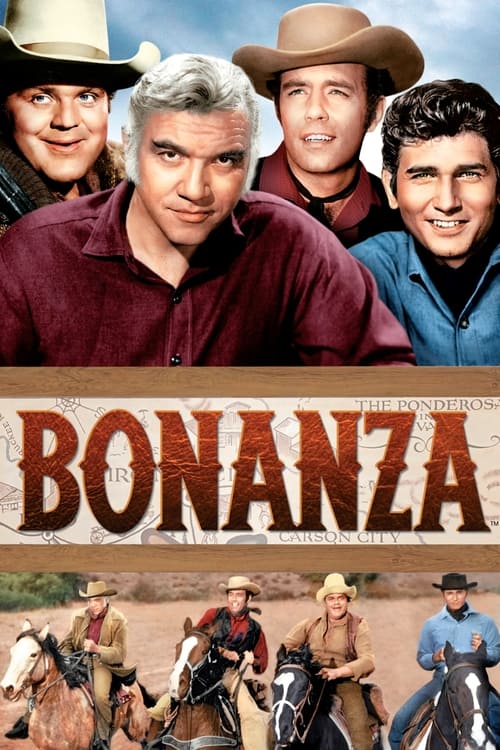
La série se déroule à la fin du XIXe siècle (après la guerre de Sécession) dans une petite ville (née lors du Gold Rush, La ruée vers l'Or) du Nevada, Virginia City, et dans le ranch de la famille Cartwright, le Ponderosa situé en périphérie. La famille est formée d'un veuf, Ben Cartwright, et des trois fils qu'il a eus de trois mariages différents. L'action, comme celle de la plupart des séries télévisées western4, est déclenchée par l'arrivée de visiteurs venus de l'extérieur, « qui viennent troubler l'harmonie organique du ranch et de la ville »5, et résolue par l'intervention d'au moins l'un de ses membres (épisode à référencer) ou, le plus souvent, par l'action de la famille Cartwright au grand complet. La seule source de tensions internes est la façon dont les habitants de Virginia City, définis comme de braves gens, sont susceptibles de céder au mal, contrairement aux Cartwright, moralement intègres.
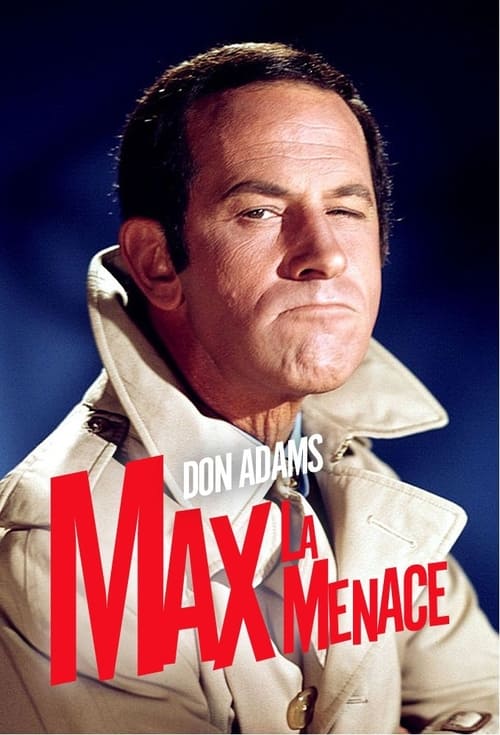
Max la Menace, l'agent 86, travaille pour CONTROL une organisation de contre-espionnage qui contrecarre tous les maléfiques projets de KAOS (on apprend lors de l'épisode 8 de la saison 2 que KAOS aurait été créée en 1904 à Bucarest), organisation visant à répandre le chaos. Max est aidé dans toutes ses missions par l'agent 99 ainsi que par l'agent K-13, un chien. Autre personnage intervenant dans tous les épisodes est le « chef » qui assigne ses missions à Max au début de chaque épisode. Max déjoue alors brillamment les plans de KAOS.
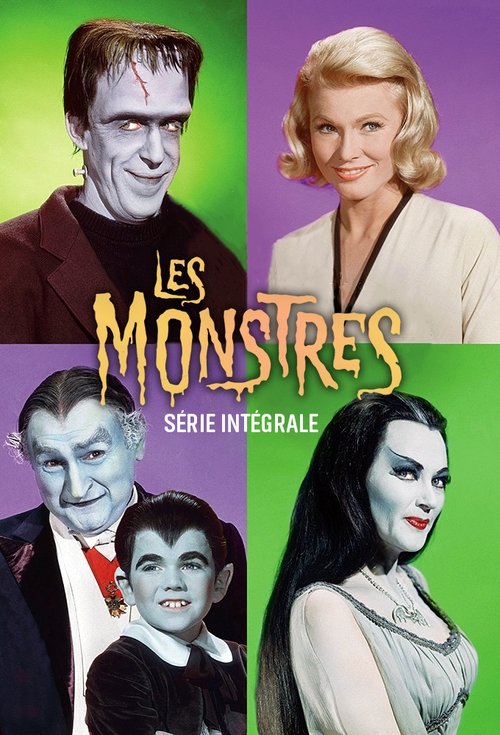
Les aventures loufoques d'une famille de monstres tirés de grands classiques de la littérature et du cinéma d'épouvante. Vivant dans une maison hantée et se déplaçant en corbillard, la famille Monstre se compose d'Herman, le père, sosie du monstre de Frankenstein, employé d'une entreprise de pompes funèbres ; de Lily, la mère, goule aux dents acérées, spécialiste de la soupe aux corbeaux ; d'Eddie, le fils, jeune loup-garou ; du Grand-Père, vampire ayant la faculté de se transformer en chauve-souris et en loup, et enfin de Marilyn, la nièce, seule personne normale de la famille.
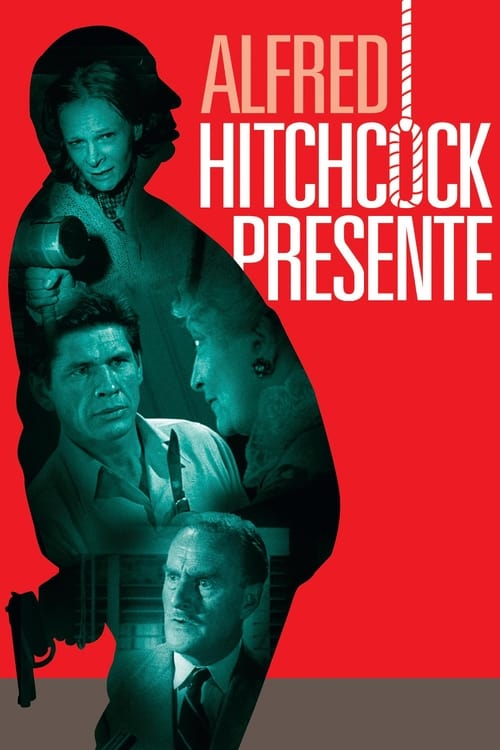
Immortalisée par la silhouette d'Alfred Hitchcock apparaissant sur l'écran au son de la Marche funèbre d'une marionnette de Charles Gounod, cette série est en fait une anthologie de petites histoires noires, à la chute souvent inattendue. Au début de chaque épisode et avant d'en faire la présentation, toujours teintée d'humour noir, Alfred Hitchcock saluait les téléspectateurs d'un sévère « Bonsoir ». Il revenait en épilogue pour exposer sa morale de l'histoire.