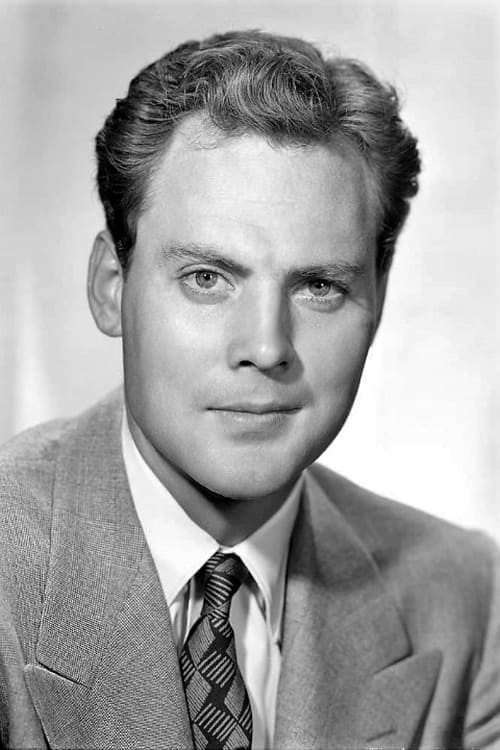
John Agar
Acting
Biography
John G. Agar (January 31, 1921 – April 7, 2002) was an American actor. He starred alongside John Wayne in the films Sands of Iwo Jima and She Wore a Yellow Ribbon, but was later relegated to B movies, such as Tarantula, The Mole People, The Brain from Planet Arous, Flesh and the Spur, and Hand of Death. He also starred with Lucille Ball in the 1951 movie The Magic Carpet. Agar was born in Chicago, Illinois, the son of Lillian (née Rogers) and John Agar, Sr., a meat packer (see Agar Hams). He was educated at the Harvard School for Boys in Chicago and Lake Forest Academy in Lake Forest, Illinois and graduated from Trinity-Pawling Preparatory School in Pawling, New York, but did not attend college. He and his family moved from Chicago to Los Angeles in 1942, following his father’s death. During World War II he served in the Army Air Corps, and he was a sergeant at the time he left the army in 1946. He was Shirley Temple's first husband (1945–1950), and they worked together in Fort Apache. His marriage to Temple lasted five years and they had one daughter together, Linda Susan Agar, who was later known as Susan Black, taking the surname of her stepfather Charles Alden Black. Following his divorce from Temple, Agar was married in 1951 to model Loretta Barnett Combs (1922–2000). They remained married until her death in 2000. They had two sons, Martin Agar and John G. Agar III. Agar died on April 7, 2002 at Burbank, California of complications from emphysema. He was buried beside his wife at Riverside National Cemetery in Riverside, California. Agar made six movies with John Wayne: Fort Apache, Sands of Iwo Jima, Big Jake, Chisum, The Undefeated and She Wore a Yellow Ribbon. He also made two movies with Shirley Temple, Fort Apache and Adventure in Baltimore, also starring Robert Young. He is mentioned in the Frank Zappa song "The Radio is Broken" from the album The Man From Utopia (1983). Description above from the Wikipedia article John Agar, licensed under CC-BY-SA, full list of contributors on Wikipedia.
Known For
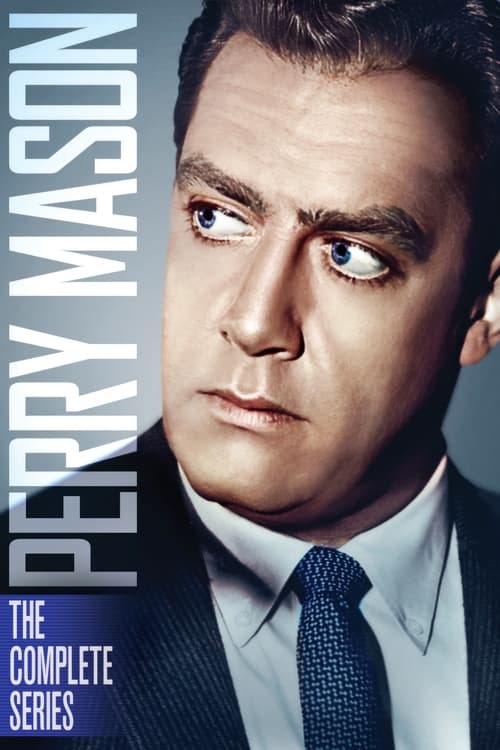
The cases of master criminal defense attorney Perry Mason and his staff who handled the most difficult of cases in the aid of the innocent.
Perry Mason
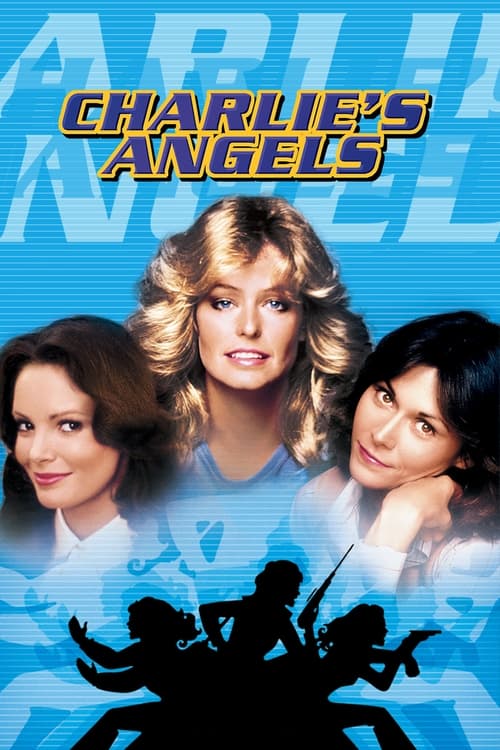
Beautiful, intelligent, and ultra-sophisticated, Charlie's Angels are everything a man could dream of... and way more than they could ever handle! Receiving their orders via speaker phone from their never seen boss, Charlie, the Angels employ their incomparable sleuthing and combat skills, as well as their lethal feminine charm, to crack even the most seemingly insurmountable of cases.
Charlie's Angels
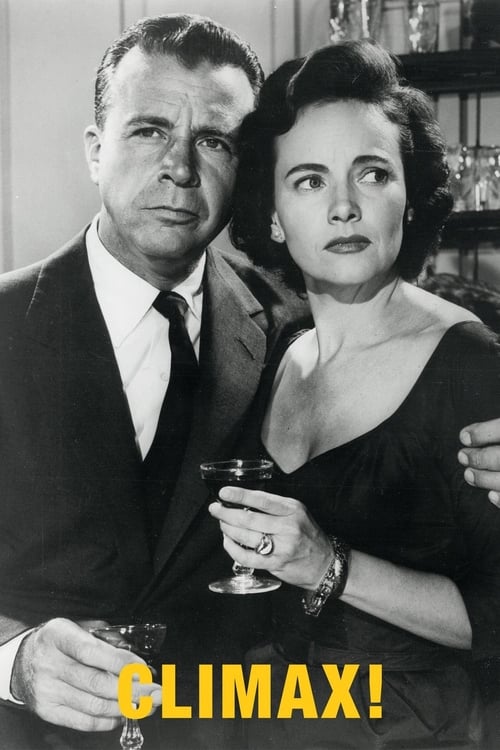
Climax! is an American anthology series that aired on CBS from 1954 to 1958. The series was hosted by William Lundigan and later co-hosted by Mary Costa. It was one of the few CBS programs of that era to be broadcast in color. Many of the episodes were performed and broadcast live.
Climax!

The Shiloh Ranch in Wyoming Territory of the 1890s is owned in sequence by Judge Henry Garth, the Grainger brothers, and Colonel Alan MacKenzie. It is the setting for a variety of stories, many more based on character and relationships than the usual western.
The Virginian
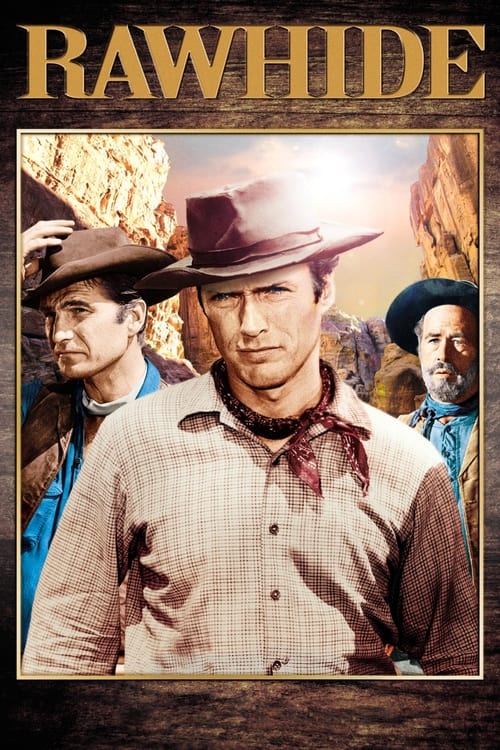
The tale of trail boss Gil Favor and his trusty foreman Rowdy Yates as they drives cattle across the old west. Along the way they meet up with adventure and drama.
Rawhide
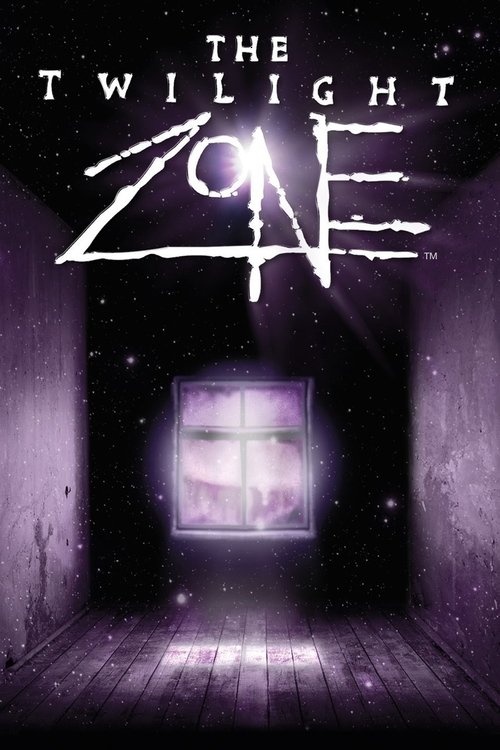
This 1980s revival of the classic sci-fi series features a similar style to the original anthology series. Each episode tells a tale (sometimes two or three) rooted in horror or suspense, often with a surprising twist at the end. Episodes usually feature elements of drama and comedy.
The Twilight Zone

A probationary angel is sent back to Earth to team up with an ex-cop and help people.
Highway to Heaven
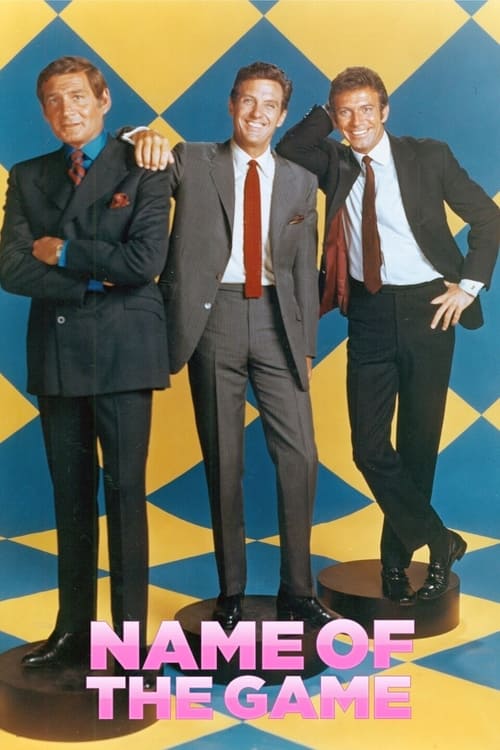
The Name of the Game is an American television series starring Tony Franciosa, Gene Barry, and Robert Stack that ran from 1968 to 1971 on NBC, totaling 76 episodes of 90 minutes. It was a pioneering wheel series, setting the stage for The Bold Ones and the NBC Mystery Movie in the 1970s. The show had an extremely large budget for a television series.
The Name of the Game
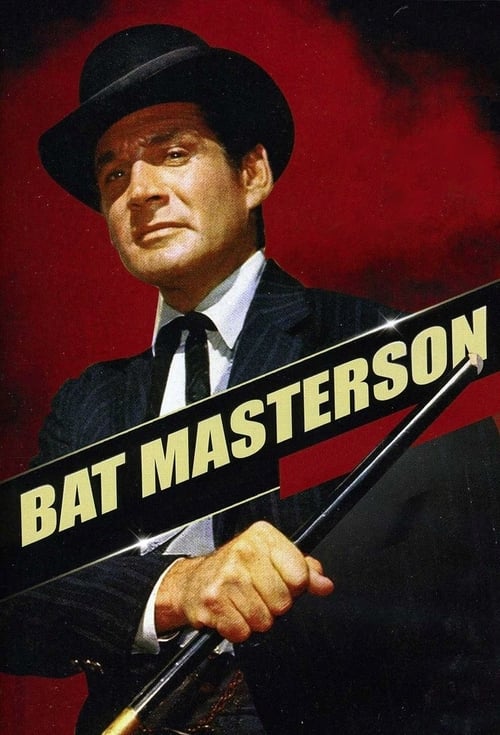
Bat Masterson is an American Western television series which showed a fictionalized account of the life of real-life marshal/gambler/dandy Bat Masterson. The title character was played by Gene Barry and the half-hour black-and-white shows ran on NBC from 1958 to 1961. The series was produced by Ziv Television Productions, the company responsible for such hit series as Sea Hunt and Highway Patrol.
Bat Masterson
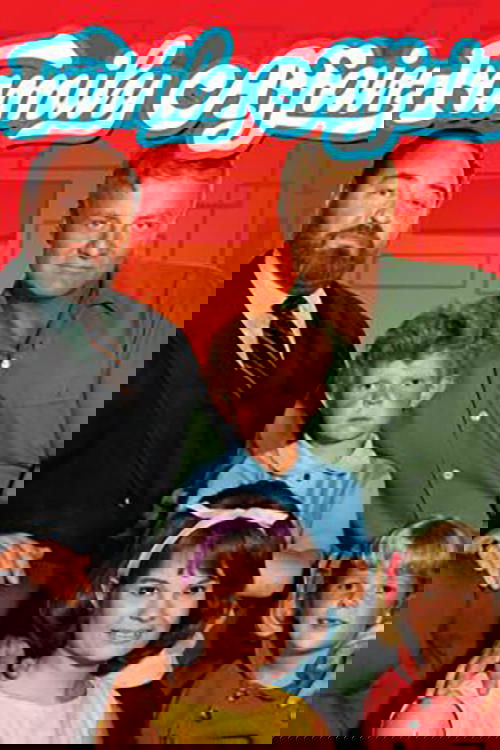
Family Affair is an American sitcom that aired on CBS from September 12, 1966 to September 9, 1971. The series explored the trials of well-to-do civil engineer and bachelor Bill Davis as he attempted to raise his brother's orphaned children in his luxury New York City apartment. Davis' traditional English gentleman's gentleman, Mr. Giles French, also had adjustments to make as he became saddled with the responsibility of caring for 15-year-old Cissy and the 6-year-old twins, Jody and Buffy. The show ran for 138 episodes. Family Affair was created and produced by Don Fedderson, also known for My Three Sons and The Millionaire.
Family Affair
Detective Cheng is commissioned by Interpol to destroy the Empire of Chaiba, a worldwide criminal organization based in Southeast Asia. He initiates an undercover operation to infiltrate the organization.
Police Story
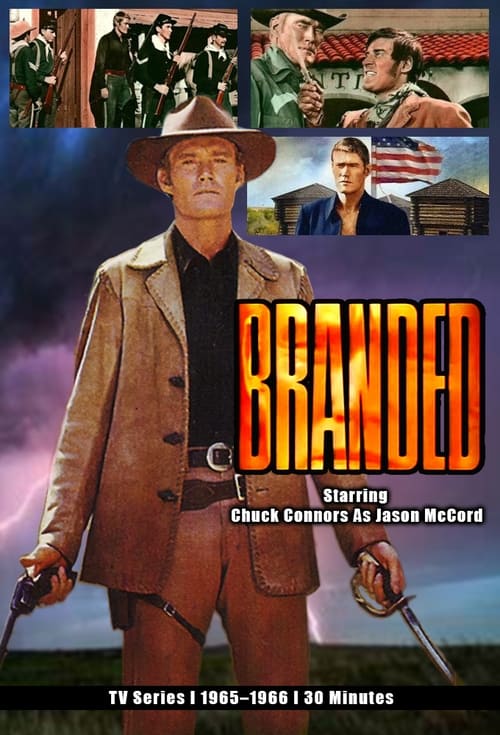
Branded is an American Western series which aired on NBC from 1965 through 1966, sponsored by Procter & Gamble in its Sunday night 8:30 p.m. Eastern Time period, and starred Chuck Connors as Jason McCord, a United States Army Cavalry captain who had been drummed out of the service following an unjust accusation of cowardice.
Branded
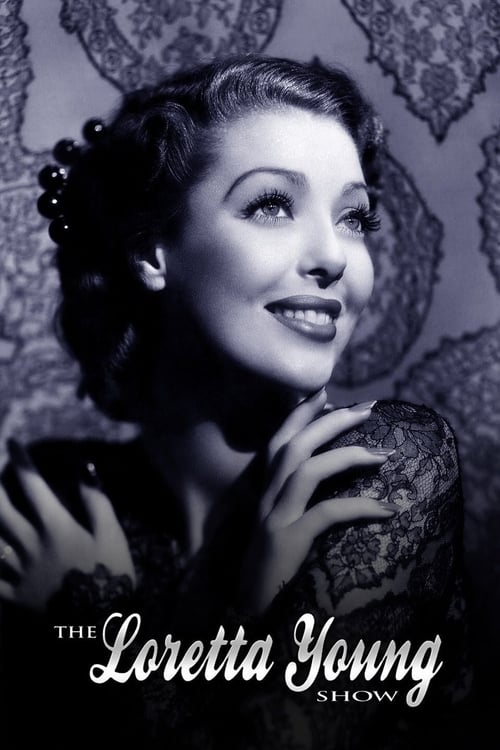
Letter to Loretta is an American anthology drama series telecast on NBC from September 1953 to June 1961 for a total of 165 episodes. The filmed show was hosted by Loretta Young who also played the lead in various episodes. Letter to Loretta was sponsored by Procter & Gamble from 1953 through 1960. The final season's sponsor was Warner-Lambert's Listerine.
Letter to Loretta
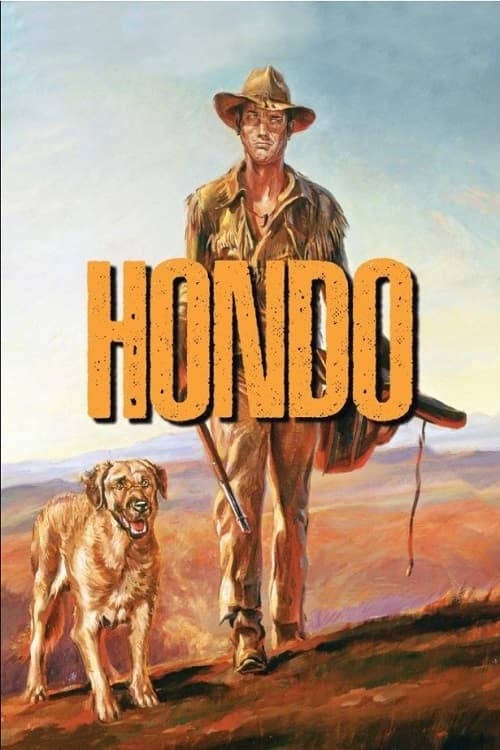
Hondo is a 17-episode Western television series starring Ralph Taeger that aired in the United States on ABC during the 1967 fall season. The series was produced by Batjac Productions, Inc., Fenady Associates, Inc., and Metro-Goldwyn-Mayer Television.
Hondo
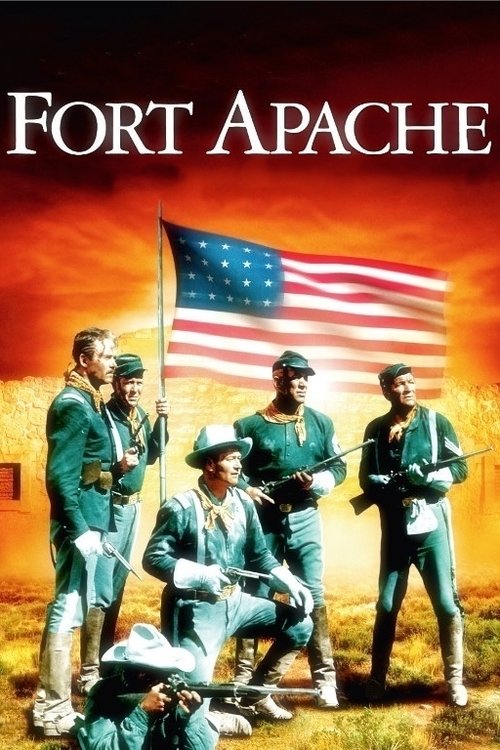
Owen Thursday sees his new posting to the desolate Fort Apache as a chance to claim the military honour which he believes is rightfully his. Arrogant, obsessed with military form and ultimately self-destructive, he attempts to destroy the Apache chief Cochise after luring him across the border from Mexico, against the advice of his subordinates.
Fort Apache
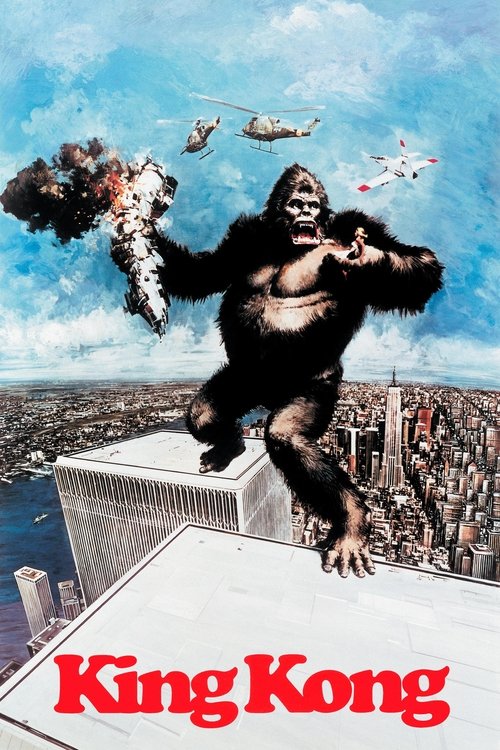
An oil company expedition disturbs the peace of a giant ape and brings him back to New York to exploit him.
King Kong
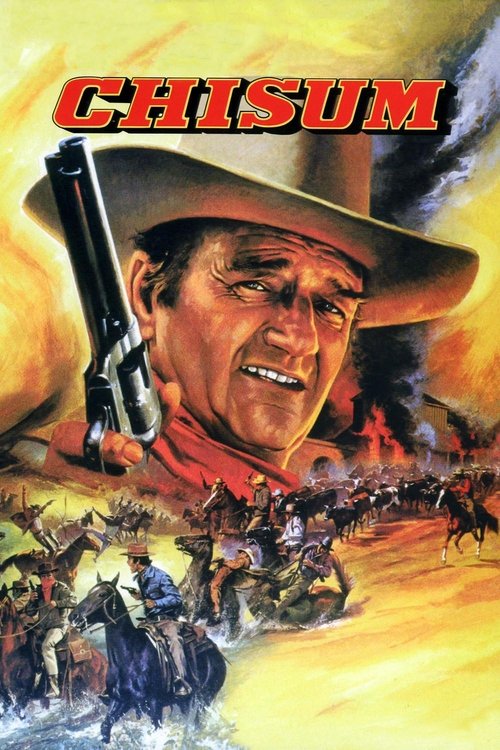
Cattle baron John Chisum joins forces with Billy the Kid and Pat Garrett to fight the Lincoln County Land War in the New Mexico Territory of 1878.
Chisum
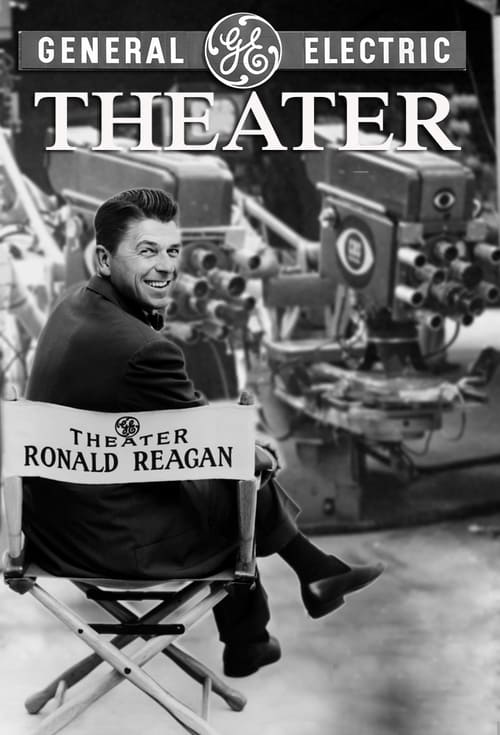
General Electric Theater is an American anthology series hosted by Ronald Reagan that was broadcast on CBS radio and television. The series was sponsored by General Electric's Department of Public Relations.
General Electric Theater
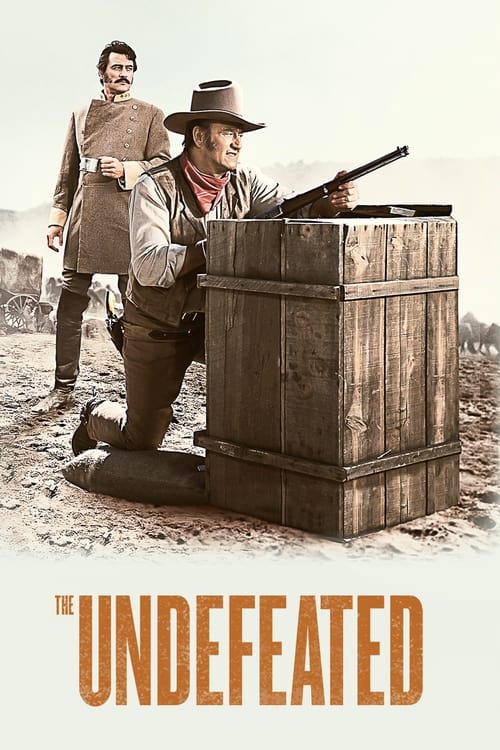
After the Civil War, ex-Union Colonel John Henry Thomas and ex-Confederate Colonel James Langdon are leading two disparate groups of people through strife-torn Mexico. John Henry and company are bringing horses to the unpopular Mexican government for $35 a head while Langdon is leading a contingent of displaced southerners, who are looking for a new life in Mexico after losing their property to carpetbaggers. The two men are eventually forced to mend their differences in order to fight off both bandits and revolutionaries, as they try to lead their friends and kin to safety.
The Undefeated
After 30 years of searching, Harry has finally met the girl of his dreams. Unfortunately, before they even have a chance to go on their first date, Harry intercepts some chilling news: WWIII has begun and nuclear missiles will destroy Los Angeles in less than an hour!