Directing
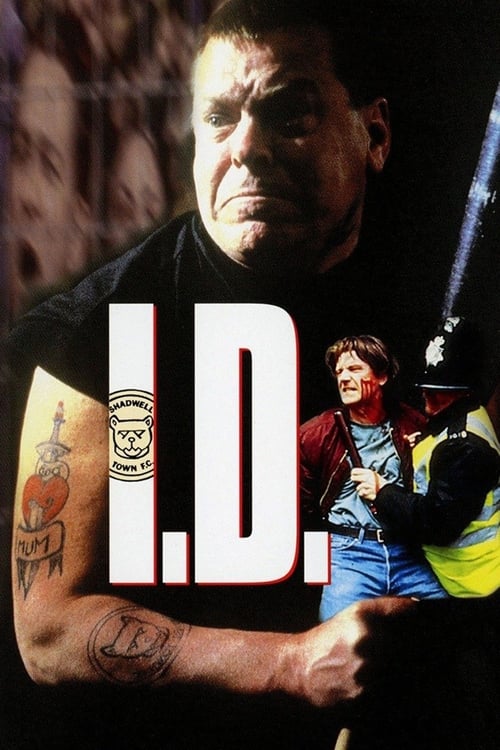
Four policemen go undercover and infiltrate a gang of football hooligans hoping to route out their leaders. For one of the four, the line between 'job' and 'yob' becomes more unclear as time passes . . .
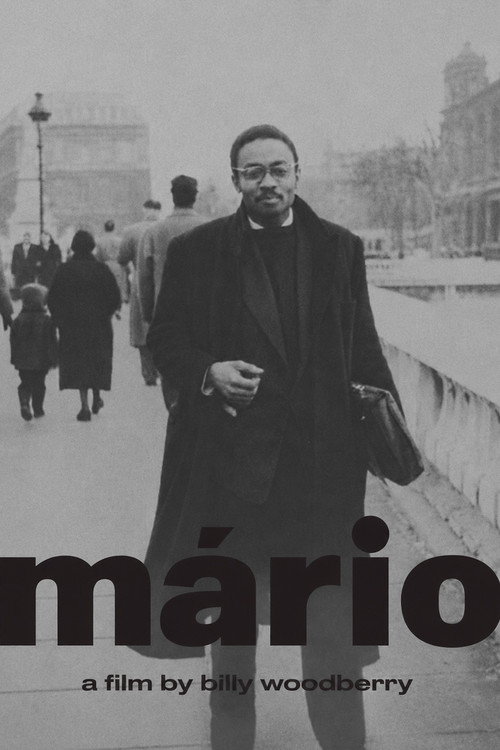
Are even the best and brightest revolutionary movements doomed to inevitable compromise, betrayal and failure? That question haunts this documentary, a biography of Angolan-born Mário Pinto de Andrade (1928–1990), a key figure in African revolutionary and anti-colonial struggles.
No description available.
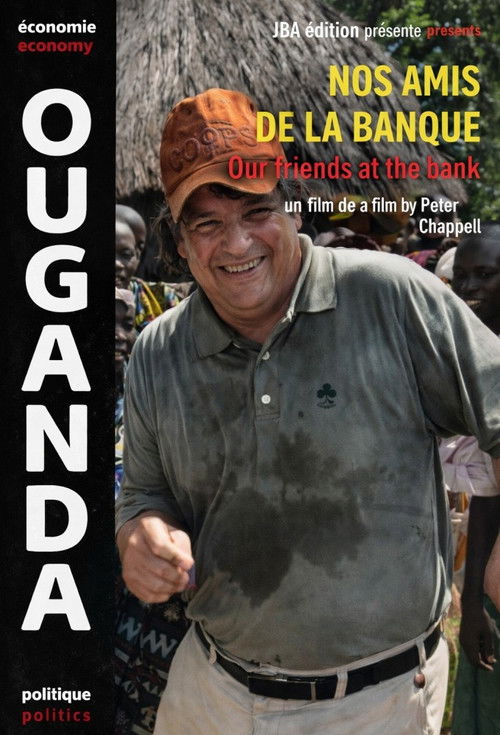
The future of many developing countries is largely dependent on an institution which is already fifty years old, the World Bank. Criticized and questioned as to its utility, and confronted with numerous setbacks, the Bank is going through a perplexing time in regard to deciding what new strategies to adopt, especially in Africa. For fourteen months, Peter Chappel followed negotiations between the World Bank and Uganda in order to understand and describe the obscure and abstract mechanisms that shape the reality of North-South relations, as well as the future of millions of people.
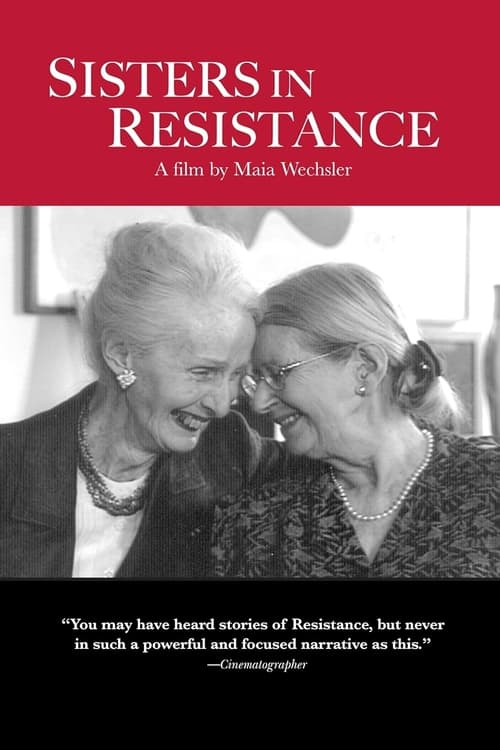
Four young women joined the Resistance to fight Nazi oppression and brutality in occupied France. They were arrested and deported to Ravensbruck concentration camp, where they helped each other to survive. SISTERS IN RESISTANCE captures their recollections and the intense friendship that has survived with them.
Based on the prize-winning novel by Dambudzo Marechera, on growing up black in white Rhodesia, and the exiled writer's return to the newly liberated Zimbabwe.
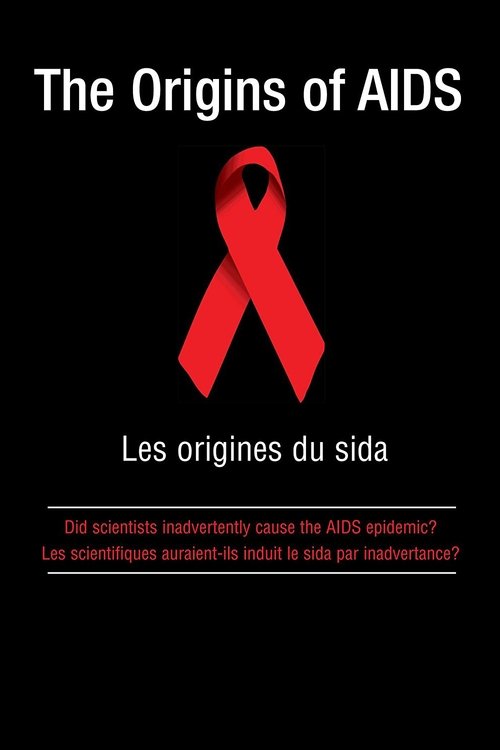
While AIDS may be one of the most feared diseases of modern times, there is still a degree of scientific debate over the subject of just how the disease originated, and how the first cases spread. Two filmmakers explore a controversial theory about the beginnings of the disease. Using interviews, newsreel footage, and documented research experiments, The Origin of AIDS examines how a combination of benevolence, careless lab procedures, and the need of a desperate few to cover their tracks could have led to one of the most serious pandemics of the 20th century.
On the culture and politics of radical black theatre work in South Africa under apartheid, featuring Ingoapele Madingoane, Matsemela Manaka, Gibson Kente and the women of Crossroads
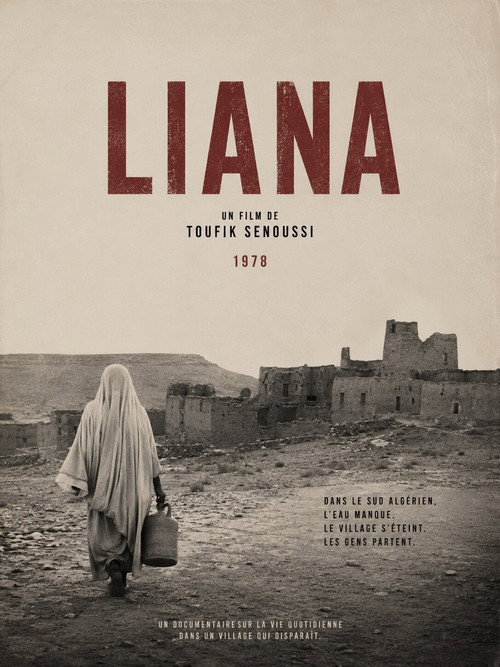
A short documentary directed by Toufik Senoussi.
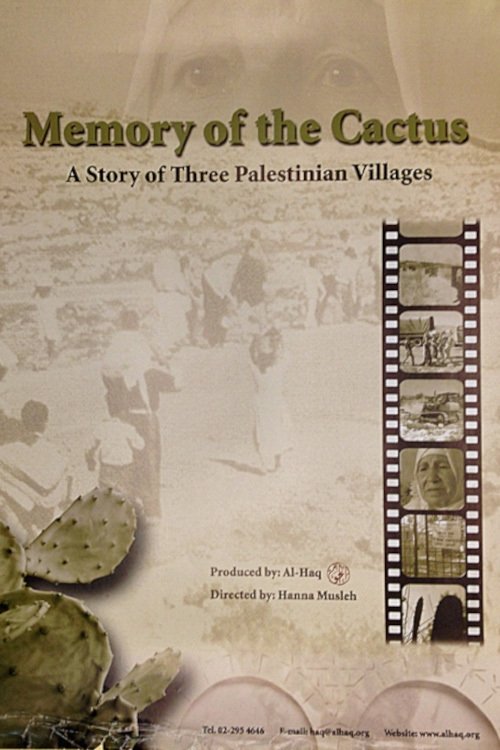
A 42 minute documentary film that combines the cactus and the memories it stands for. The film addresses the story of the destruction of the Palestinian villages of Latroun in the Occupied West Bank and the forcible transfer of their civilian population in 1967. Over 40 years later, the Israeli occupation continues, and villagers remain displaced. The film follows two separate but parallel journeys. Aisha Um Najeh takes us down the painful road that Palestinians have been forcefully pushed down, separating them in time and place from the land they nurtured; while Israelis walk freely through that land, enjoying its fruits. The stems of the cactus, however, take a few of them to discover the reality of the crime committed.
April, 1994. Genocide in Rwanda. 800,000 dead. A catastrophe that upset the balance in the entire region. The Great Lakes region of Africa ended the year with a bloodbath. This documentary shows the intrigues, the dramatic effects, the treasons, the vengeances that prevailed over those years and whose only goal was to maintain or increase each faction’s area of influence. In just ten years, the population saw all their hopes vanish: The dream of an Africa in control of its own destiny, alimentary self-sufficiency, the end of interethnic conflicts
About the black community in Ladbroke Grove and Notting Hill which grew up in the 1950s. “No Irish, no coloured, no dogs" read the rooms-to-let signs in what was already a decaying inner area of London. In the Grove black people had to face the brunt of a crude and brutal racism and a grassroots defence was organised against white racist attacks in 1958, to become part of the more general community resistance. And that strength was reflected in the emergence of several major 'Black Power' organisations. Since the 1960s the vital sense of black community which developed in the Grove has resisted attempts to disperse and weaken the community and in particular the attempt to suppress the annual Carnival - the major Afro-Caribbean event in Britain.
Made in Butetown, Cardiff, shows that black communities have been developing since the 1850s. Whereas in the 20th century the 'new' communities are made up of black industrial labour, in the 19th century they began with black colonial seamen. The Tiger Bay community faced official, as well as everyday physical harassment which culminated in the 1919 race riots and a scheme for repatriation. The people of Butetown lived through the Depression in the 1930s and many of them served and died in World War Two. Since the 1950's they have come to share the broader experience of the newer black communities.
The 1947 British subdivision of colonial India into Pakistan and the independent Indian nation caused the loss of 500,000 lives and the relocation of millions—one of the most extensive movement of peoples ever. After centuries of coexistence, Hindus, Sikhs, and Muslims became victims of mutual suspicion as violence swept through the countryside. The resulting mass relocations of these groups transformed village populations overnight.
Looks at Southall, one of the major Asians centres in Britain, and shows how this community organised to resist fascist attacks from 1976 to 1981. Southall's militancy goes back to the community organisations of the 1950's which were created to help black workers combat racism at the workplace and deal with discrimination in the community. As racism increased, the community has fashioned and forged new weapons of struggle.
A record of the unity and continuity of black struggle in Britain. Underlines the fact that the 'new' black communities consist of workers from different countries in Asia and the Caribbean joined in the same struggles against racism in Britain since World War Two. The film focuses on discrimination in employment against black workers, looking particularly at the 1974 dispute at Imperial Typewriters in Leicester. Here black workers faced opposition not only from the bosses, but from some Trade Unions as well as fellow white workers. And the film demonstrates that the outrage of young black people (many born in Britain) as seen in the dramatic events of Summer 1981, is related to the disappointed hopes of their migrant-worker parents.
Profiles the Cuban Revolution and Fidel Castro at political middle age. The Cuban leader reflects on his life and Cuba — past, present and future – and declares his continuing faith in communism. In numerous other interviews, including encounters with people on the streets, Cuban citizens voice their pro and con feelings about the revolution and Cuban society.
A drama adapted from Nobel laureate Nadine Gordimer's short story 'Oral History'
The story of the lives of five ordinary black South African women living under the apartheid system, secretly shot with the help of journalist Nomavenda Mathiane, also featuring interviews with Fatima Meer and for the first time, Winnie Mandela