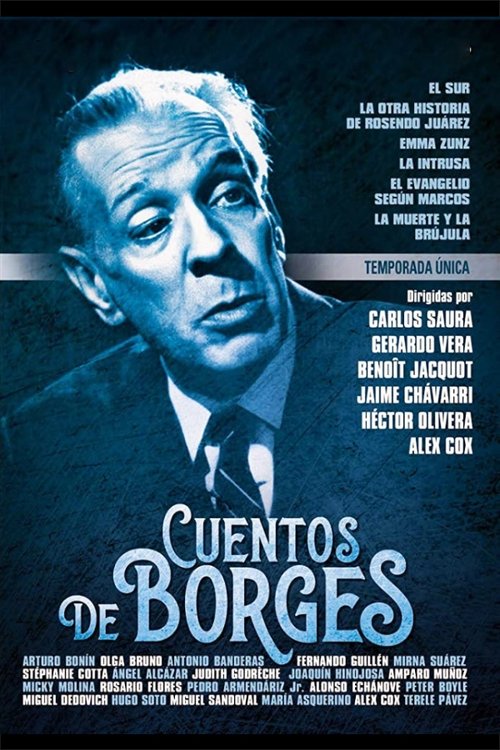
Directing
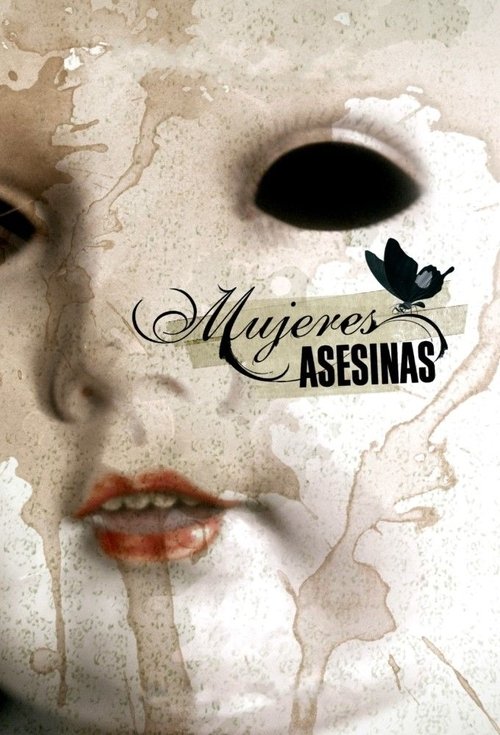
Anthology series, in which every episode introduces fictionalized versions of real cases about women who, for different reasons, ended up committing murder.
No description available.
Argentinian film which tells the story of Diego, a 20-year-old guy who is given a mysterious recording camera, but he doesn't even imagine what he is able to do with it.
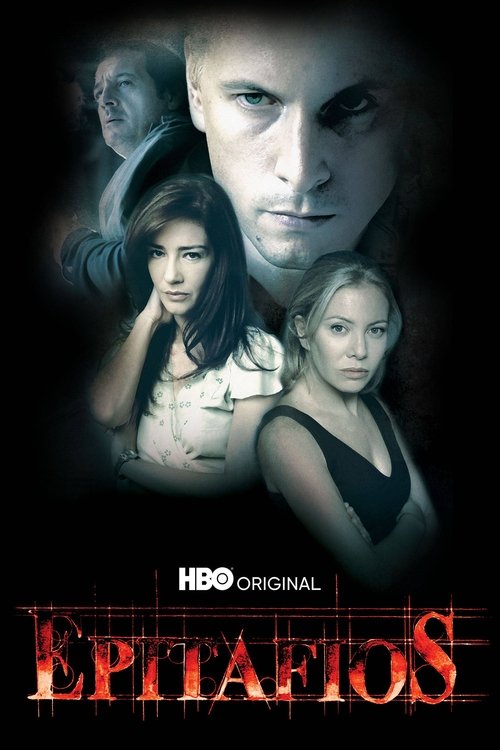
Epitafios is a 2004 13-episode, Argentinian crime fiction TV mini-series with the tagline: El Final Está Escrito ... The End Is Written. The series, which takes place in an unnamed South American city, was shot in Buenos Aires. The series was produced by HBO Latin America and Argentinian TV/film company Pol-Ka Producciones. It was written by Marcelo Slavich and Walter Slavich and directed by Alberto Lecchi and Jorge Nisco. Although all of the actors were Argentinian, a neutral Spanish was used instead of the local Rioplatense Spanish, avoiding colloquialisms such as the local vos in favor of the more common tú. The series debuted in Australia on SBS in May 2007 under the title If The Dead Could Speak. It premiered in Poland on Cinemax on November 6, 2008. In Germany, it premiered on November 6, 2009 on pay TV channel FOX under the title Epitafios - Tod Ist Die Antwort.
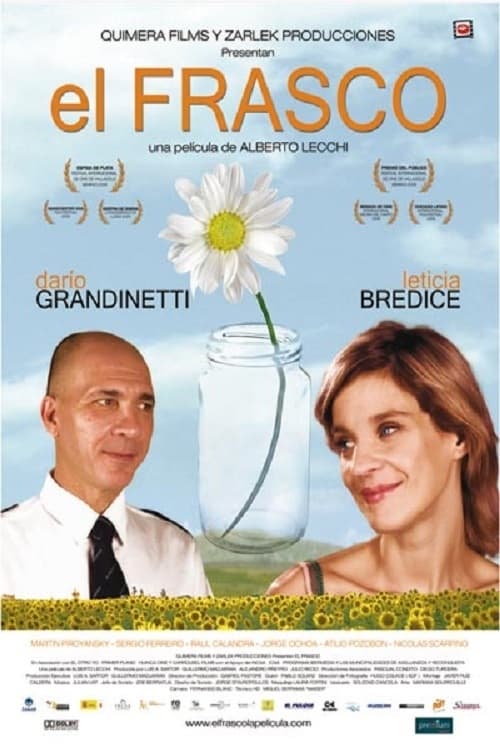
A female teacher asks a bus driver to take her urine sample to Buenos Aires for its analysis.
Vicente Duarte commits his first crime. The victim is a young, attractive woman whom the criminal had never met. From his initial foray into the world of crime, Duarte feels a kind of inner serenity, which will drive him to continue committing more crimes.
Carmelo, who is 30-years old and extremely shy, finds it difficult to reveal his innermost feelings to VerĂłnica, his co-worker. Carmelo's world collapses when he finds out that she intends to get married soon. Accidentally, she spots him demonstrating in a gay rally where he becomes a leader of that cause. Of course, VerĂłnica assumes that Carmelo is gay, and he takes adv antage of this misunderstanding.
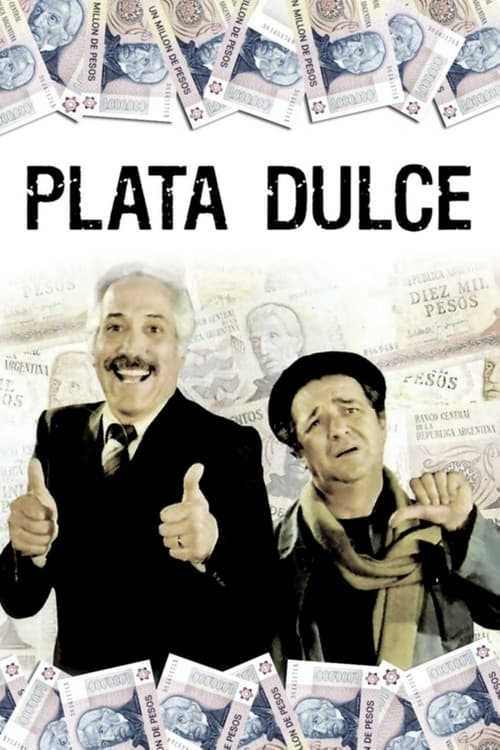
A man meets a former military service buddy who offers him a good deal. Money starts pouring in, but things change from one day to the next.
In 1847 Buenos Aires, a young noblewoman and a young Jesuit fall in love, much to the disapproval of her family and the Church.
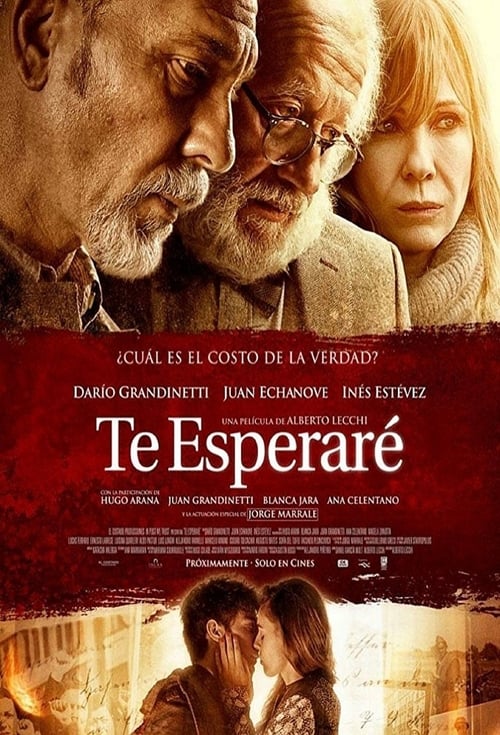
A famous Spanish writer is creating a new fictional character: a man of the world who has traveled the globe and, due to a series of circumstances, has ended up in Argentina. There, he meets an architect hiding a terrible secret.
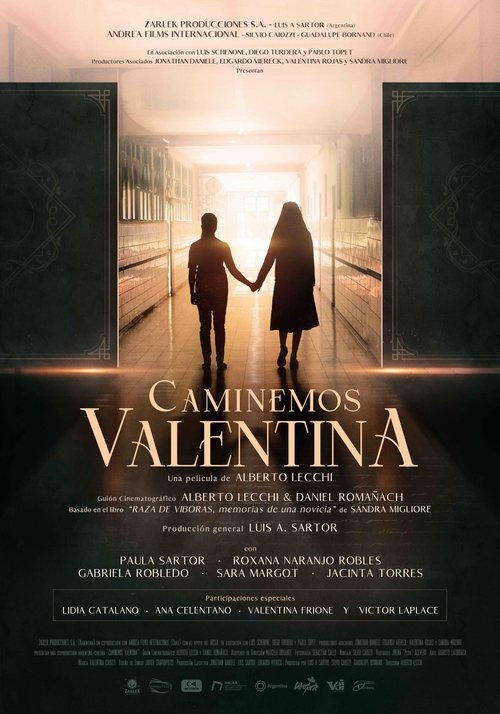
Based on a true story, this compelling film follows Sandra and Valentina, two former nuns whose paths intertwine years after shared trauma. As they confront their past and unexpected feelings, they manage to transform their pain and find the strength to overcome the after-effects of the abuse they were subjected to into shared love and their marriage.
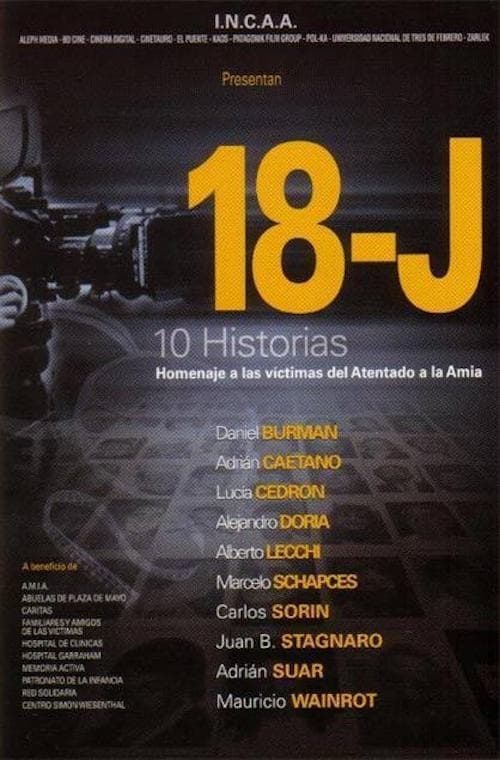
A collection of 10 short films made by known Argentine directors on the AMIA bombing of July 18, 1994.
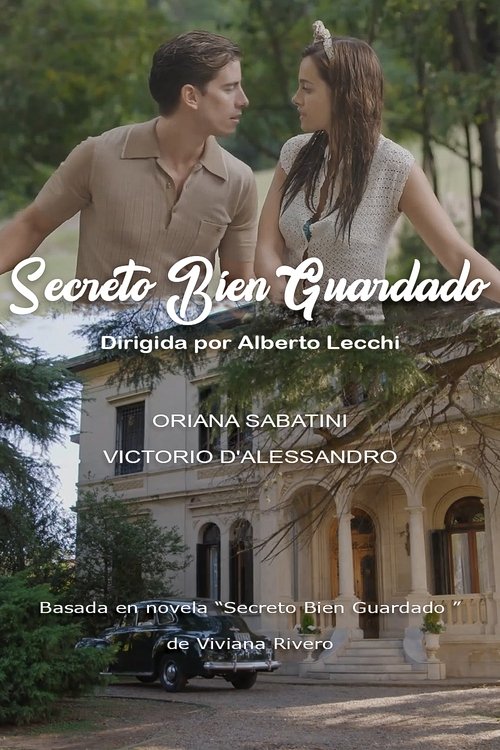
In 1940 Argentina, a Jewish 17-year-old on vacation with her family falls in love with a young Nazi lawyer staying at the same hotel.
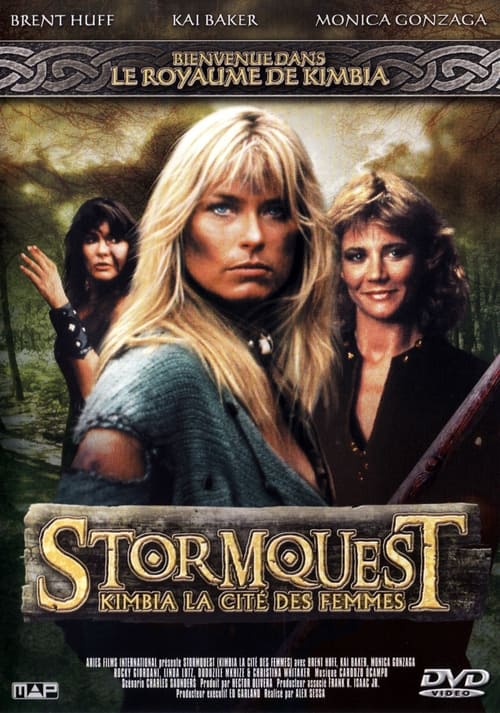
In a world where women rule and men are meant only for breeding purposes, two women start a revolt against the system when they begin to believe that the men are treated poorly.
Maria, a 45-year-old alcoholic woman who lives in Spain, has lost custody of her daughters. That's the reason why she has traveled to Argentina, the country in which her daughters are living with her ​​ex-husband, whom she divorced after a tempestuous marriage.
To continue pretending to be a position they no longer have, a run-down upper-class family moves into the home of a wealthy aunt.
Hernán, married to Mariela, father of a son and owner of a furniture store, meets Gabriel, a young man with HIV, as a result of a car accident, whom he shelters in his home as if he were a member of the family. Various characters who, at first glance, seem to be free from prejudice, when faced directly with the disease, will have to overcome fear, lack of information, and the tendency to discriminate against this type of patient.