
José Luis Torres Leiva
Directing
Biography
José Luis Torres Leiva (born 1975, Chile) is a film director, editor, and screenwriter. He has made a considerable number of short films and independent videos. The Sky, the Earth and the Rain (2008) was his first feature film. Supported by the Hubert Bals Fund (HBF), it was nominated for a Tiger Award and won the FIPRESCI Award at IFFR in 2008. Summertime has also been supported by the HBF and had its premiere at the Venice film festival in 2011.
Known For

When their parents die, Bianca starts to smoke and Tomas is still a virgin. The orphans explore the dangerous streets of adulthood until Bianca finds Maciste, a retired Mr. Universe, and enters his dark mansion in search of a future.
The Future
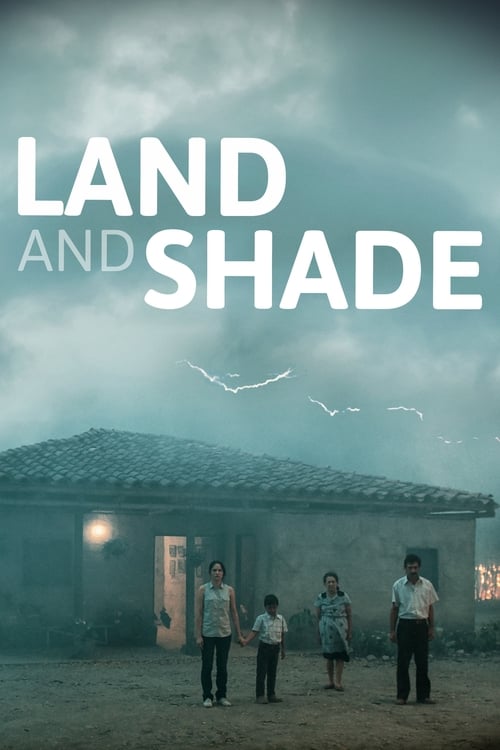
Alfonso is an old farmer who has returned home to tend to his son, who is gravely ill. He rediscovers his old house, where the woman who was once his wife still lives, with his daughter-in-law and grandson. The landscape that awaits him resembles a wasteland. Vast sugar cane plantations surround the house, producing perpetual clouds of ash. 17 years after abandoning them, Alfonso tries to fit back in and save his family.
Land and Shade

In the nineteenth century, a French adventurer sets off to establish a kingdom in the inhospitable South of Chile, uniting the feared Mapuche under him. The response of the Chilean army is devastating.
Rey
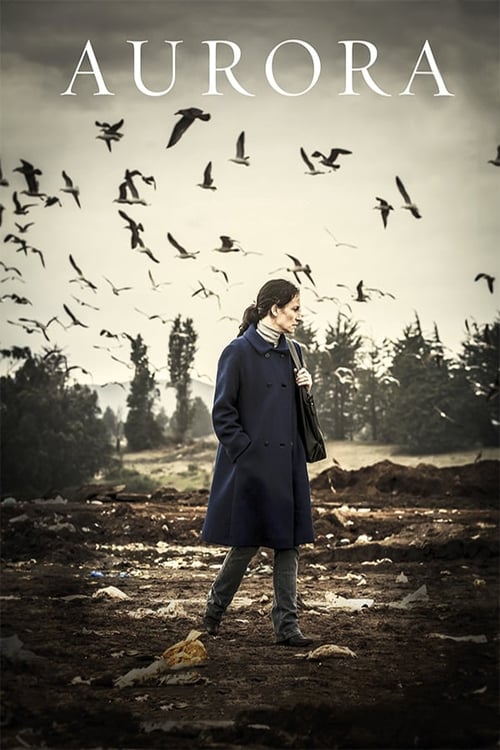
After reading in the newspaper that a newborn baby was found in a dumpster, a teacher becomes obsessed with giving it a proper burial.
Aurora
No Place in Anywhere can deal with many issues. It is a personal journey through image and time. It is the portrait of the "La Matriz" neighborhood in Valparaíso. It is the encounter between reality and fiction. It is the constant search to find a truth within the documentary. It is a musical rehearsal. It is the constant preparation of a documentary. It is a documentary of questions more than answers. A silent face, an empty road, a winter landscape, the wind moving the leaves of a tree, a wall, the sea, the street of a neighborhood, all of them intend to "create through the record" a unique truth for each viewer.
No Place in Anywhere
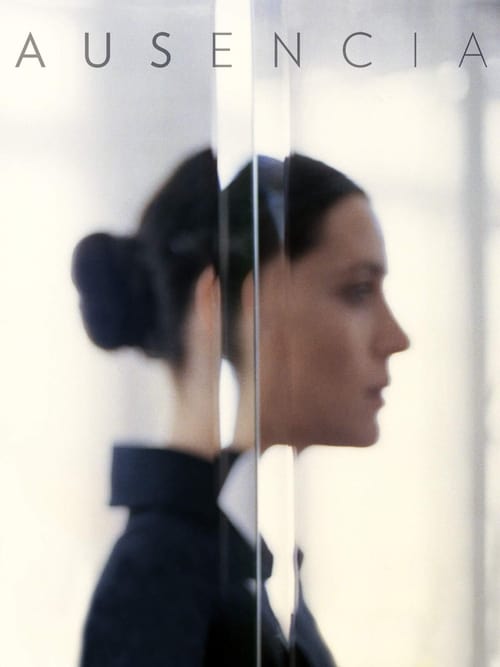
A love triangle between a pioneer female writer; her husband -a retired military official-and the love of her life, the painter Moritz Rugendas, with whom she maintains an epistolary relationship for 10 years, with few personal encounters.
Absence
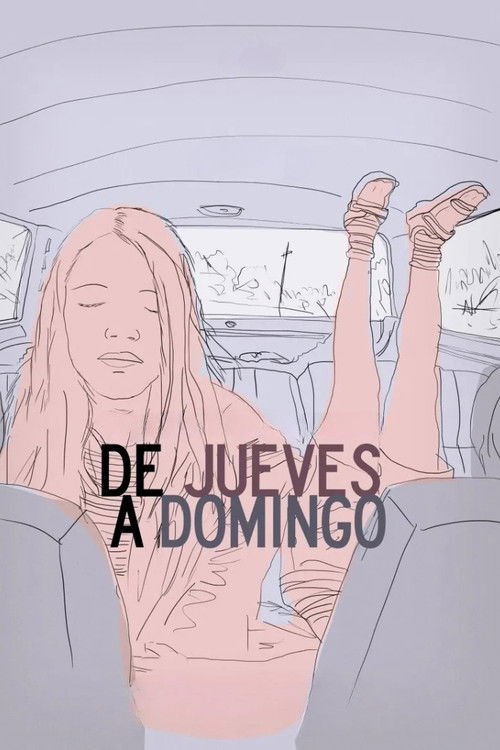
As she and her family embark on a short vacation, a young Chilean girl slowly comes to the realization that her parents might be splitting up.
Thursday Till Sunday
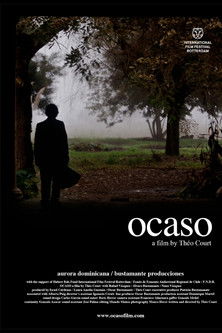
Rafael, an old butler of a decadent farmhouse, lives with his landlord in that space. He develops a series of actions and daily routines that resume a life and a glorious family past. These actions and gestures will become the only way of sustaining that home and those lives humbled in memory. With the decline of that environment, Rafael will be underdog of his place and his own story, and will be forced to leave in an uncertain trip, towards the last of his possessions.
Ocaso
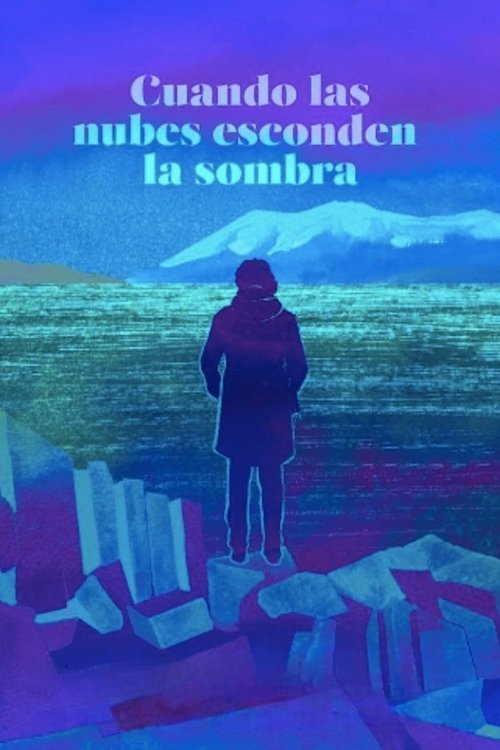
Maria travels to Puerto Williams to star in a movie. But the film crew won't be able to arrive due to a strong storm. Alone, she'll seek help for severe back pain, which will lead her to discover life in the southernmost city in the world and a pending story in her life.
When Clouds Hide the Shadow
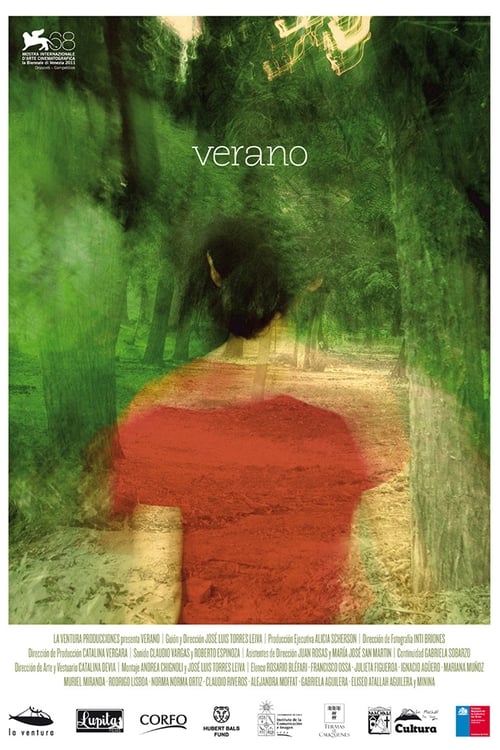
During one hot summer day, little things happen to the visitors and workers of an old thermal resort in southern Chile. Julieta, Francisco, Isa, Rodrigo, Ignacio, Mariana, Muriel, Gabriela, Eliseo, Norma, Alejandra and Claudio experience the long vacation hours in nature, sleeping in the sun, learning how to drive, cleaning the house, kissing for the first time, swimming at night or just walking and talking, while the day slowly unravels into small fragments of happiness and discovery.
Verano
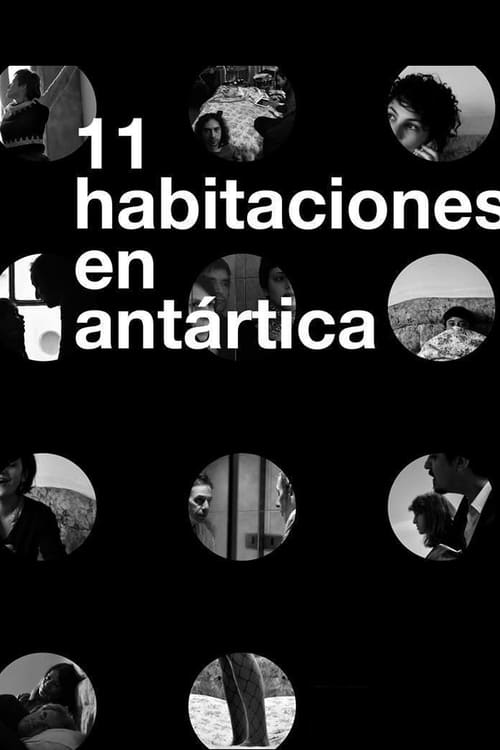
Leo Quinteros music is the base to this film in which filmmakers, actors and actresses and other creators reunite in different hotel rooms.
11 Habitaciones en Antártica
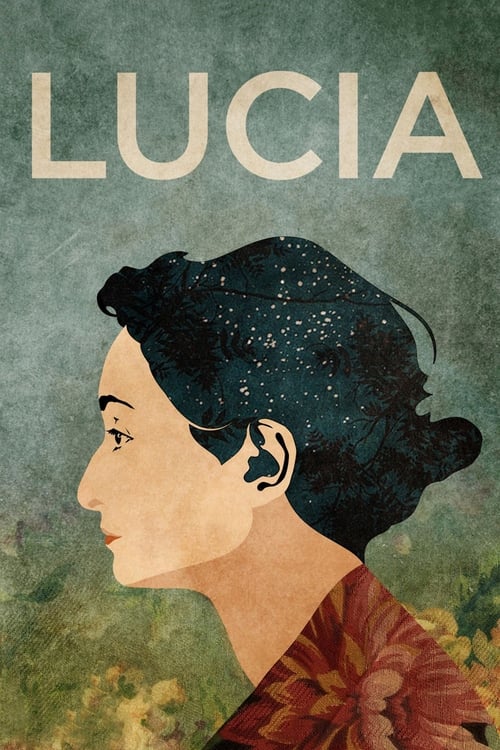
Lucía is a young woman who works as a seamstress in a factory and lives with her father in an old house in Santiago, Chile. The film occurs in December 2006 during the weeks that take place from the ex-dictator Pinochet’s funeral to Christmas Eve. Through the simple observation of Lucía’s daily life, the spectator is allowed access into a hidden and neglected world of a generation of Chileans striving to recover from the military dictatorship.
Lucia
In the south of Chile on the Chiloé Island, Carlos Ruiz works as an operator in an industrial cannery. He is one of the cogs that makes the machine turn, except when he is a machine himself, like when he delivers blows on the punching-ball. A machine that dreams of glory. Because in his other life, Carlos is little-by-little becoming “the Guru”, who ceaselessly trains in what little leisure time he has so that he can win his match.
The Guru
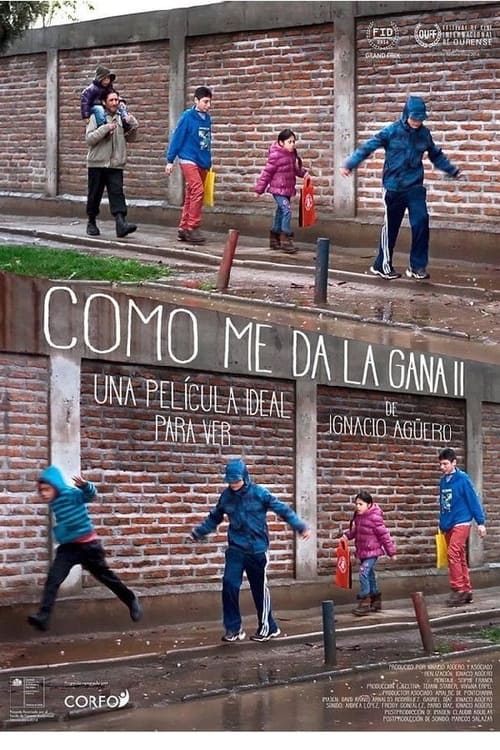
Just like in 1985, today Ignacio Agüero is back interrupting filmmakers during shooting, but not to ask what he did thirty years ago, but to find out what is purely cinematographic in what they film. These conversations are related to images in the director's personal archive, as if what is truly cinematographic was found among bits that were never made for the screen.
Como me da la gana II
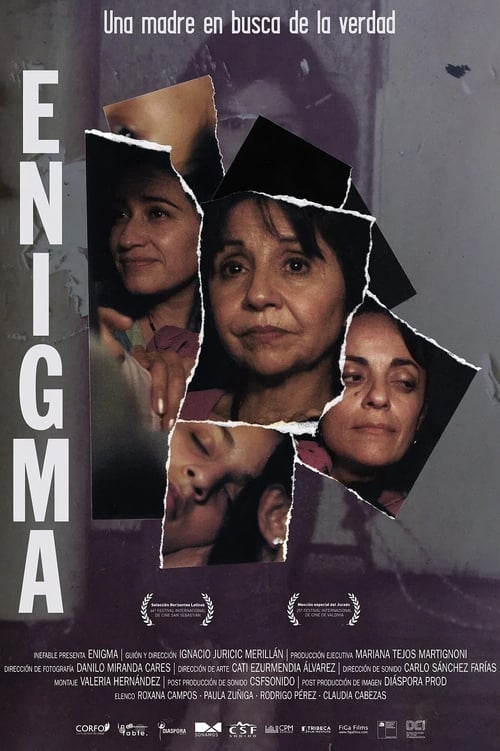
Ten years after her daughter was the victim of a hate crime, brutally beaten in the streets of Santiago for being a lesbian, Nancy is asked to participate in an unsolved mysteries TV show that will recreate the incident. Nancy, a hairdresser who has worked very hard to move on with her life, will have to decide if finding justice for her deceased daughter is worth exposing herself and her family on television.
Enigma
An atmospheric portrait of four women who leave the factory where they work to go to the beach.
Women Workers Leaving the Factory
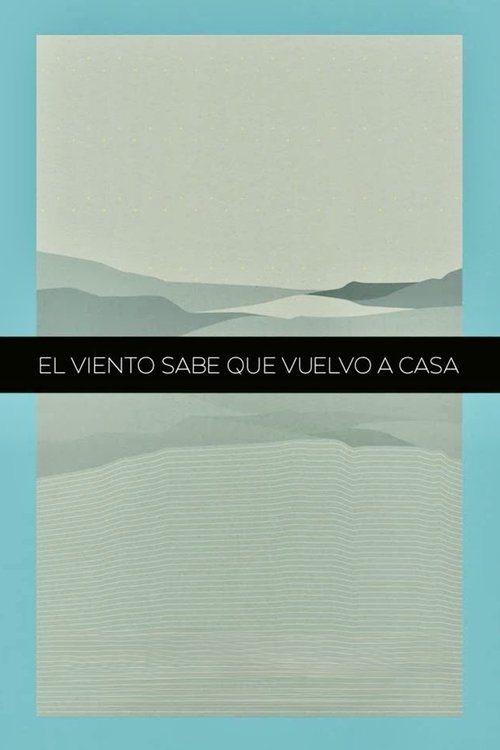
Looking for extras and locations, a filmmaker settles on Chiloé, the second largest island off the coast of Chile. He does auditions, but mainly listens patiently to the stories of young and old people. As an outsider, he cautiously searches for the soul of the community and its underlying tensions.
The Winds Know That I'm Coming Back Home

More than sixty years after leaving high school, former classmates Alicia, Gema, Angelica, Ximena and Maria Teresa are still devoted to their regular catch-ups in which they exchange gossip and reminiscences over elaborately presented afternoon teas. Impeccably turned out, the ladies’ free-wheeling tea-time chats run the gamut from mortality and marital infidelity to soccer and twerking.
Tea Time
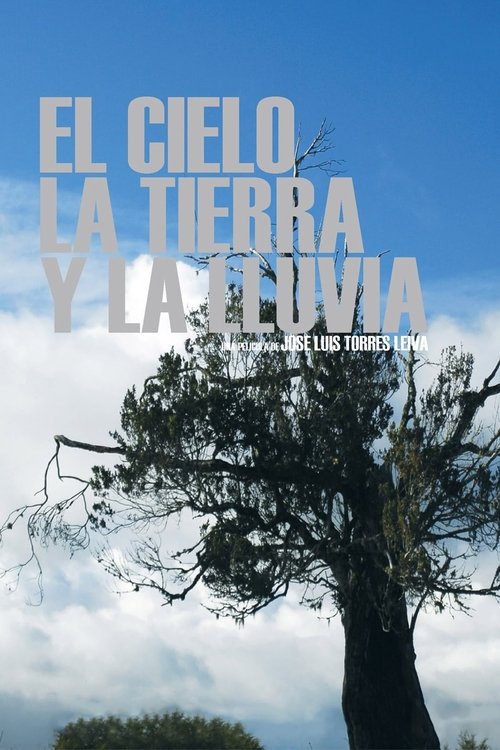
Ana, Verónica, Marta, and Toro are four lonely people who live an unadventurous and quiet existence in southern Chile. They are with each other without the need of using words, trying to save themselves in a stealthy and extreme way. In order not only of getting away of the loneliness that constitutes their innermost core, but also of finding themselves, they reach for each other to get brotherly and sexual love, affection, and a space and time of their own.
The Sky, the Earth and the Rain
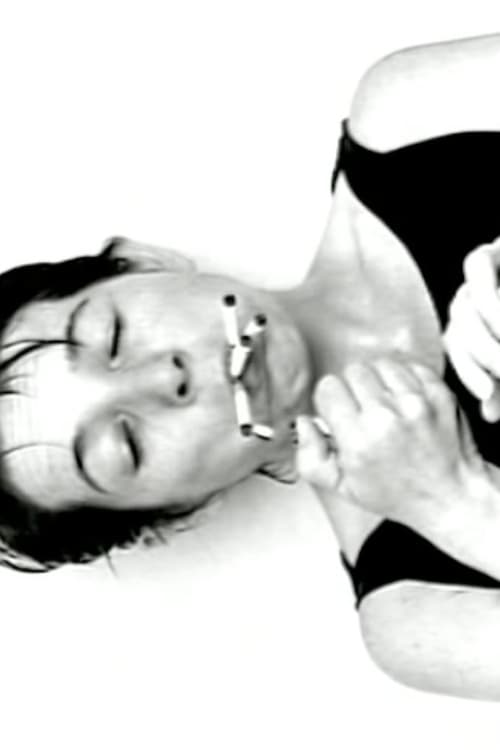
Collage based on the texts and lives of Diane Arbus, Jean Eustache, Robert Walser, Alejandra Pizarnik, Franz Kafka and Carmen Jung.