Directing
No description available.
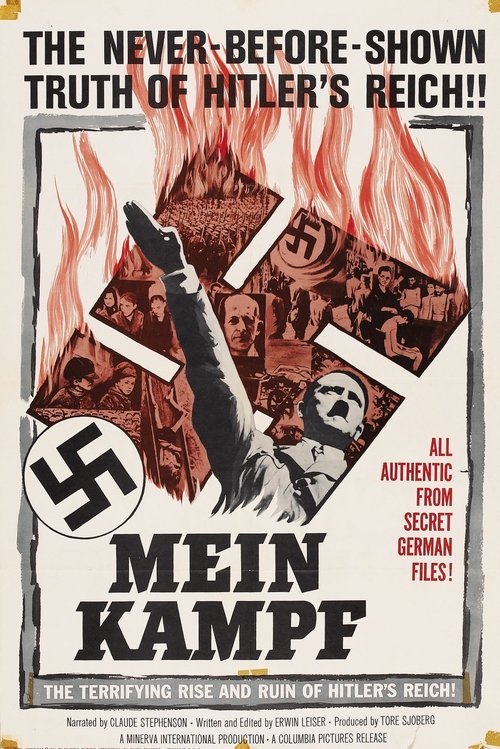
Using exclusively archival footage, Erwin Leiser traces the rise and collapse of the Third Reich, from Adolf Hitler’s early years to the devastation of Europe and his suicide in 1945. The film draws heavily on material produced and preserved by the Nazi propaganda apparatus to confront the mechanisms, imagery, and consequences of totalitarian power.
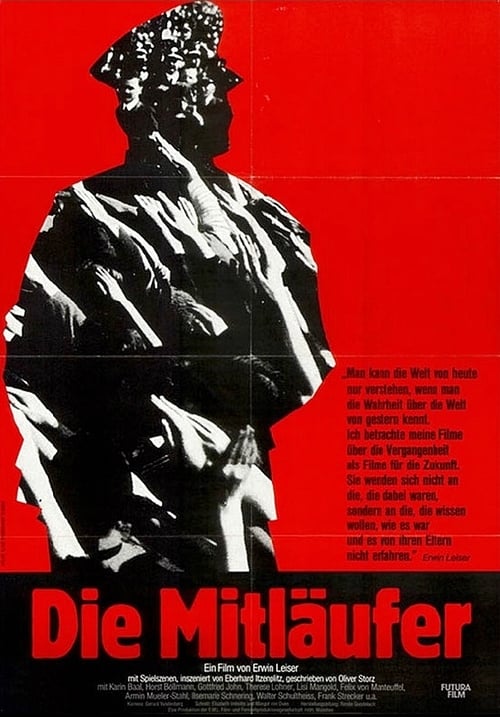
Combining archival footage with dramatized episodes based on real accounts, this film examines everyday life in Nazi Germany through the experiences of ordinary citizens. Directed by Eberhard Itzenplitz and Erwin Leiser, it traces how conformity, opportunism, fear, and routine compromise drew “ordinary” men and women into complicity with the regime, revealing the banality of evil at work in daily life.
A portrait of the American poet, biographer, journalist, and editor, Carl Sandburg (1878-1967). He won three Pulitzer Prizes: two for his poetry and one for his biography of Abraham Lincoln.
A interview with Fritz Lang where he talks about his career in Germany and troubles with the Nazis.
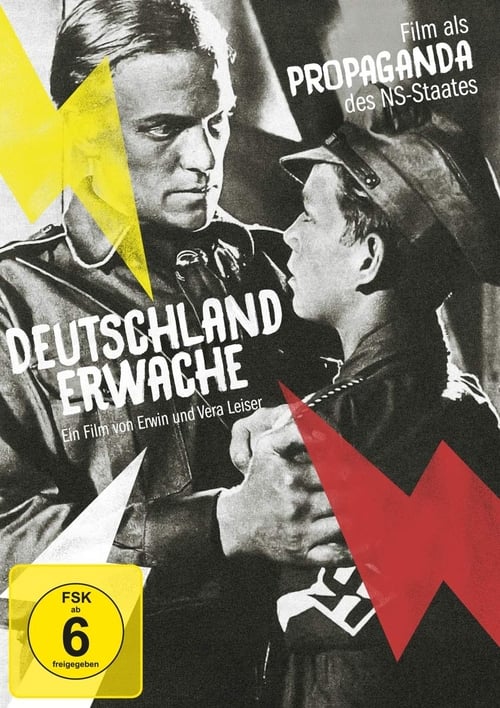
Documentary about film as propaganda in the Third Reich.
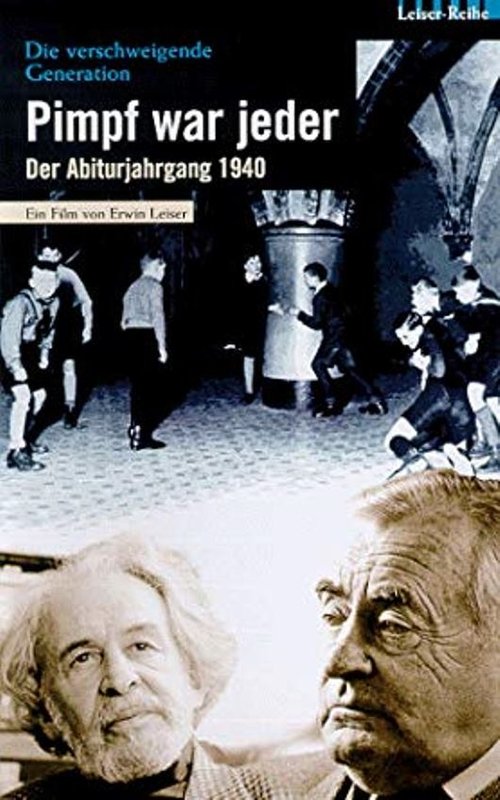
A dozen of men meet after 50 years. Once they all studied in the same high school class in Berlin, but the war broke out the year before they were to graduate. And they all joined Hitler Jugend. It was an order. Half of the men of their generation would die, the others helped shape the new Germany.
Documentary about art theft during the nazi era.
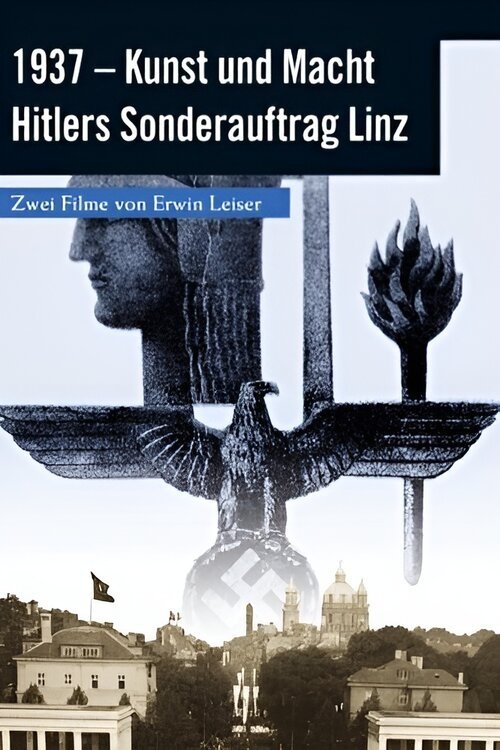
In 1937, art and power collide in a rare clash that will change the face of Europe for decades to come. At the beginning of the year, the Spanish town of Guernica was bombed by the German air force. On June 30, Goebbels issued his decree "to segregate German folk art", the campaign against modern art. On July 18, Hitler inaugurated the "House of German Art" in Munich, one day later the exhibition "Degenerate Art" was opened. Erwin Leiser interviews art historians, dealers and contemporary witnesses such as Willy Brandt, tracks down lost paintings and shows the "Degenerate Art" exhibition reconstructed in Los Angeles - without propagandistic slogans.
Film about Auschwitz and the extermination of the European Jews.
Documentary about antisemitic pogroms in Nazi Germany.
In January 1989 the first Message to Man International Film Festival took place in Leningrad. This film, made during the festival, is a record of its events, guests and participants, such as the American director Leo Hurwitz, the Latvian director Ivars Seleckis, and the ballerina Natalya Makarova, among others. It also shows the “engine room” of the festival: the work of the main office and the PROKKa professional cinematographers’ club, guests being greeted and seen off. A charity evening with Natalya Makarova, a memorial service to commemorate the victims of the war and excerpts of documentary films presented at the festival are also featured.
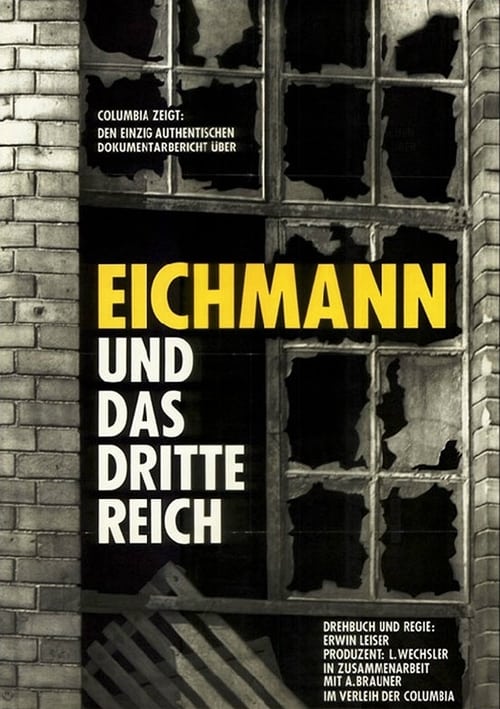
Released during the trial of Adolf Eichmann, this documentary uses archival footage and contemporary interviews to examine the crimes of the Third Reich and the bureaucratic machinery behind the Holocaust. Directed by Erwin Leiser, the film situates Eichmann’s prosecution within a broader historical context, confronting German audiences with visual evidence of antisemitism, deportation, and mass murder, including commentary from figures such as Fritz Bauer.
A documentary film created using authentic footage that shows the terrifying effects of nuclear weapons, using Hiroshima as an example.