Acting
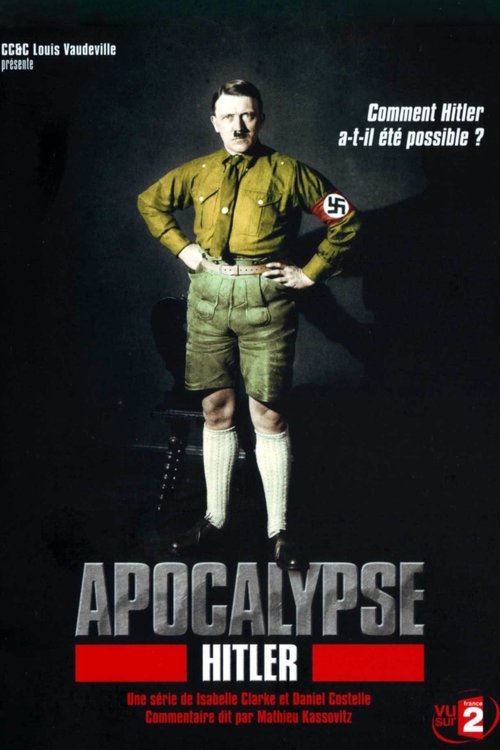
L’ascension inouïe d’un petit peintre autrichien raté et marginal devenu le maître de l’Allemagne, et l’un des plus grands criminels de l’Histoire. Ce documentaire est l’histoire de la mort d’une démocratie et du chemin vers l’Apocalypse. Peu de films ont fait ce récit.
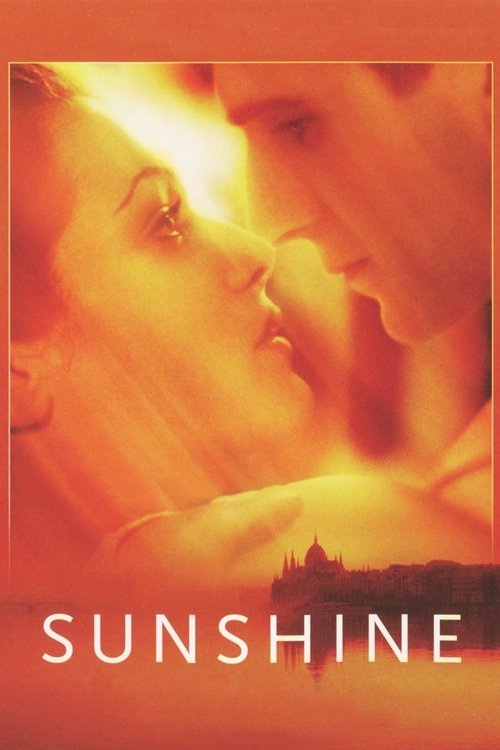
L'histoire de la famille Sonnenschein à travers le destin de trois générations, de l'empire des Habsbourg jusqu'au lendemain de la révolution hongroise de 1956. Avec sa formule de liqueur médicinale, Emmanuel Sonnenschein a bati la fortune de la famille et déjoué, pour un temps seulement, l'antisémitisme prononcé de la sociéte hongroise. Mais son fils Adam, malgré une médaille d'or aux Jeux olympiques de 1936, ne pourra échapper a l'holocauste. C'est en partie pour le venger que son fils Ivan a choisi de faire carrière dans la politique.
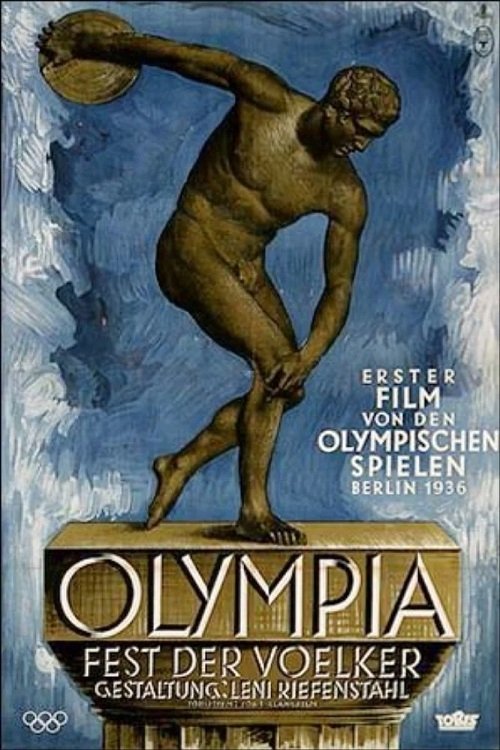
La première partie d'Olympia, un documentaire sur les Jeux olympiques de 1936 à Berlin, réalisé par la réalisatrice allemande Leni Riefenstahl. Le film a été projeté dans les salles en 1938 et à nouveau en 1952 après la chute du régime nazi.
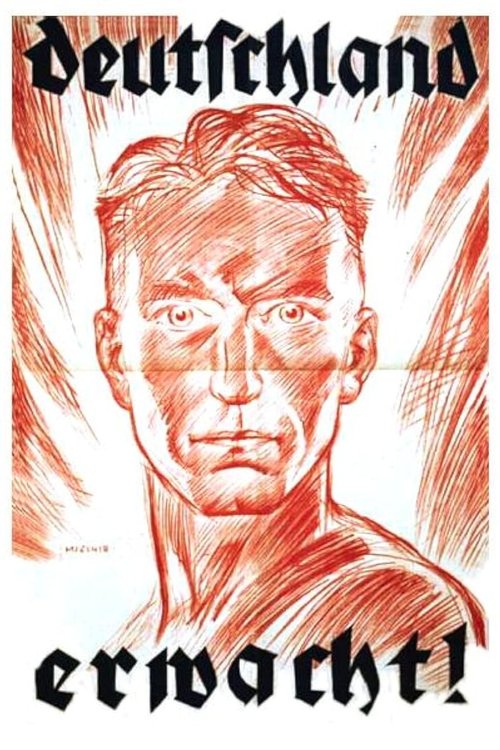
Aucune description disponible.