Stuart Schulberg
Directing
Known For

Today is a daily American morning television show that airs on NBC. The program debuted on January 14, 1952. It was the first of its genre on American television and in the world, and is the fifth-longest running American television series. Originally a two-hour program on weekdays, it expanded to Sundays in 1987 and Saturdays in 1992. The weekday broadcast expanded to three hours in 2000, and to four hours in 2007. Today's dominance was virtually unchallenged by the other networks until the late 1980s, when it was overtaken by ABC's Good Morning America. Today retook the Nielsen ratings lead the week of December 11, 1995, and held onto that position for 852 consecutive weeks until the week of April 9, 2012, when it was beaten by Good Morning America yet again. In 2002, Today was ranked #17 on TV Guide's 50 Greatest Television Shows of All Time.
Today
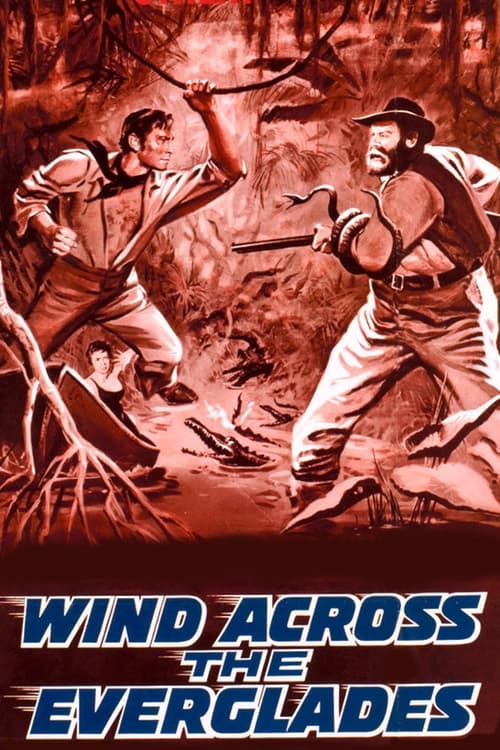
Set in the early 20th century, the film follows a game warden who arrives in Florida to enforce conservation laws. He soon finds himself pitted against Cottonmouth, the leader of a fierce group of bird poachers.
Wind Across the Everglades
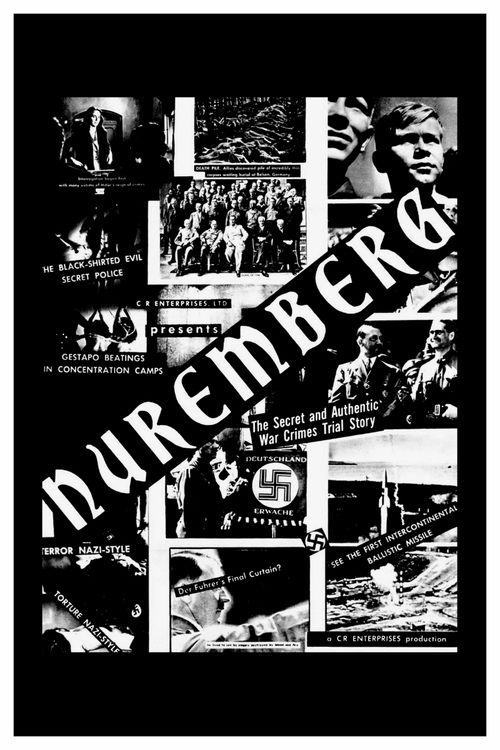
How, in November 1945, after the end of the World War II and the fall of the Third Reich, the international prosecutors participating in the first Nuremberg trial —formally, the International Military Tribunal— built their case against the top Nazi war criminals using the films and records produced by the own regime, obsessed with documenting everything in its long path of infamy and crime.
Nuremberg: Its Lesson for Today
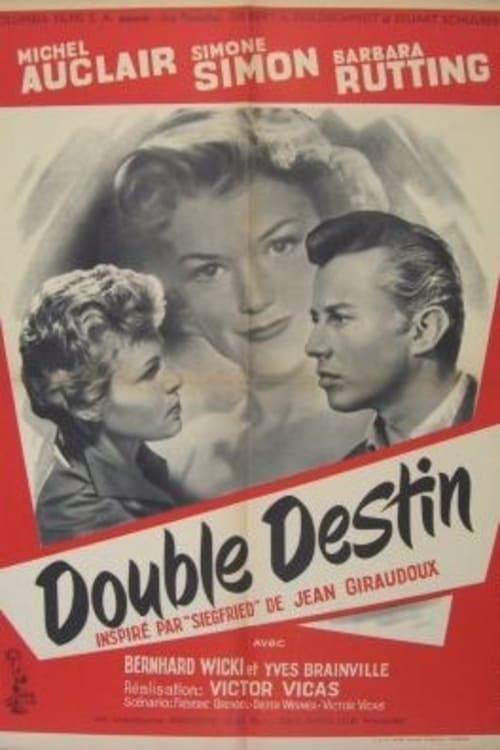
A soldier fighting for France loses his memory and has a second career as a national leader, but in Germany.
Double Destiny
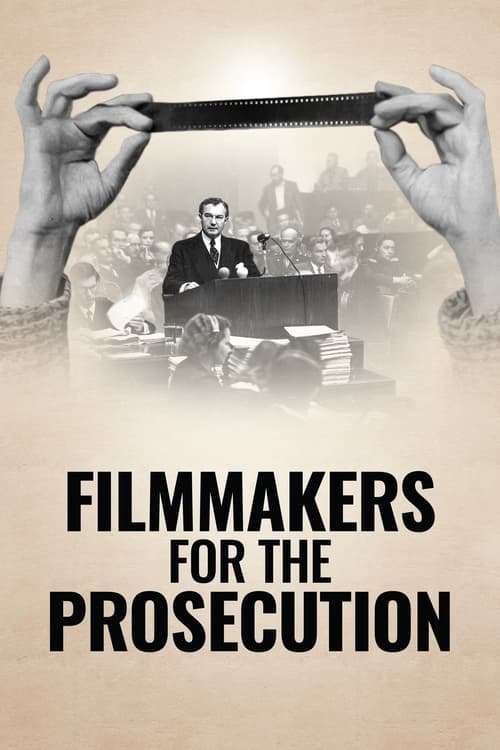
In 1945, two young American soldiers, brothers Budd and Stuart Schulberg, are commissioned to collect filmed and recorded evidence of the horrors committed by the infamous Third Reich in order to prove Nazi war crimes during the Nuremberg trials (1945-46). The story of the making of Nuremberg: Its Lesson for Today, a paramount historic documentary, released in 1948.
Filmmakers for the Prosecution
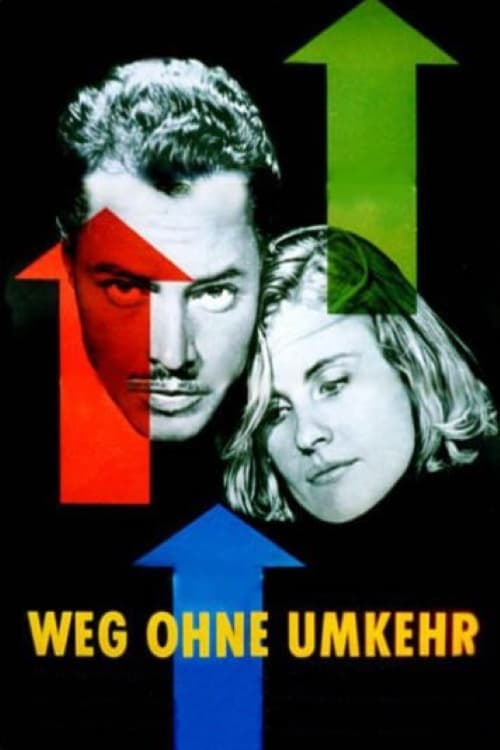
A Russian army officer is haunted by the memory of a girl he met during the war.
No Way Back
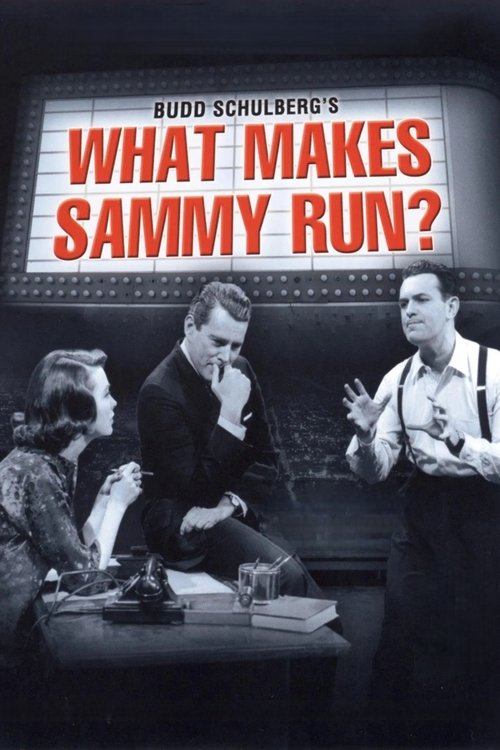
An adaptation of Budd Schulberg's incendiary 1941 novel about the rise of an unscrupulous Hollywood producer. The production was divided into two parts and aired on NBC's Sunday Showcase.
What Makes Sammy Run?
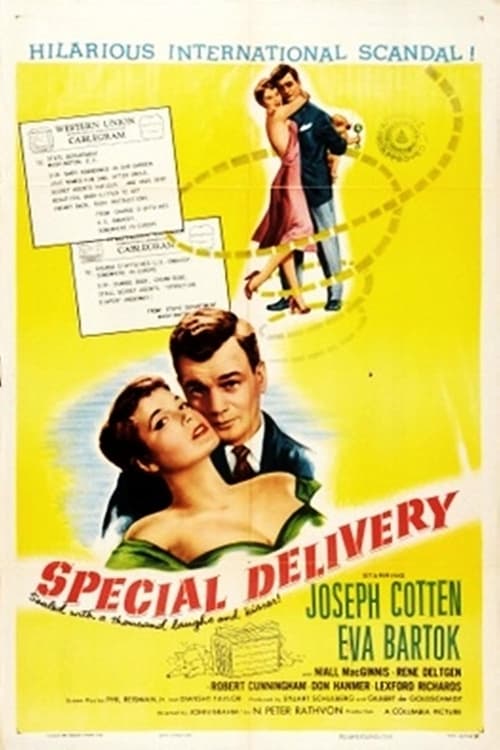
Complications ensue when a U.S. diplomat discovers that he has a baby on his hands and an undercover gal in his arms.
Special Delivery
Using over an hour of new, never-before-seen material, combined with footage from 1946, producers David Abravanel Stein and Patrick S. Cunningham have brought to life the sixty-year-old vision of legendary filmmaker Pare Lorentz.
Nuremberg: The 60th Anniversary Director's Cut

Report on the nature of "Black Power," and how it can be effectively used. Interviews with Martin Luther King, SNCC head Stokely Carmichael, Floyd McKissick of CORE, and Charles Evers. Reporter is Sander Vanocur.
After Civil Rights... Black Power
The film opens with a montage - scenes of hungry people in one city after another.We imagine we are seeing Germany, but then realize we are looking at Paris, London, Naples. The reveal is shocking. The film was made to help Germans realize that they were not the only ones to suffer from the food shortages caused by the war. Its other message was to encourage German farmers to sell their agricultural products instead of hording them.
Hunger
No description available.
Two Cities
This documentary film traces the Marshall Plan's role in revitalizing Germany's coal industry after World War II. The Marshall Plan enabled German volunteers to migrate to the Ruhr, find jobs, and receive training in mining. The new jobs improved the German economy and European industry as a whole, which also benefited from the new energy sources. The film describes advances in Great Britain and France that resulted from the Marshall Plan, and contrasts the Soviets' refusal to participate in similar programs.
Me and Mr. Marshall
Short by Stuart Schulberg. Preserved by the Academy Film Archive.