Acting
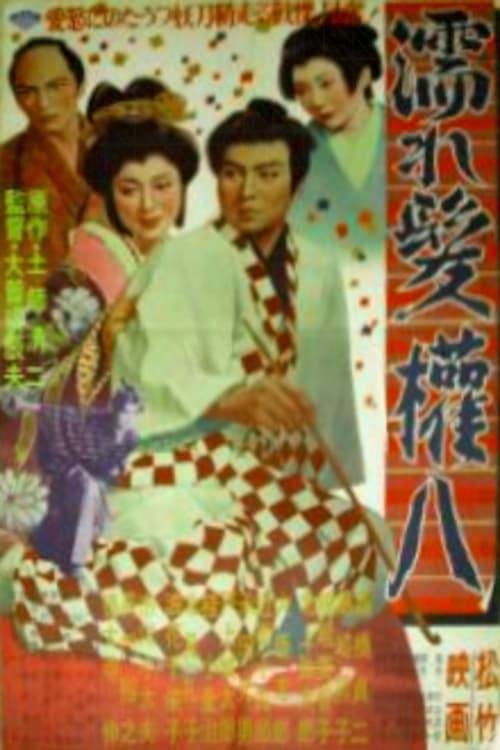
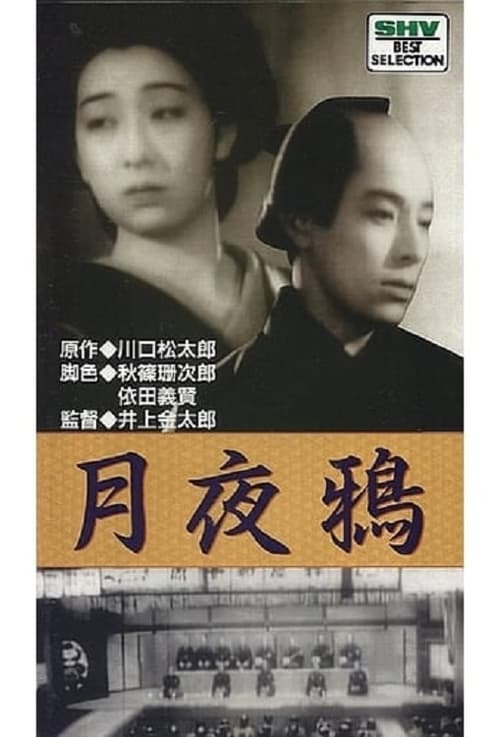
A foot soldier from Tottori domain named Shirai Gonpachi showcased exceptional swordsmanship that even surpassed the domain's champion Honjo Sukehichi during a ceremonial match. Though Gonpachi was promised a promotion to samurai status due to his skills, Sukehichi's father Sukezaemon's intervention out of jealousy prevented this. In anger, Gonpachi killed Sukezaemon and, without realizing it, also mistakenly killed Tomoe, his lover's brother Tsushimo Uemon. Following this, he fled to Kyoto, seeking shelter at the "Murasa" inn operated by Uemon's aunt.
No description available.
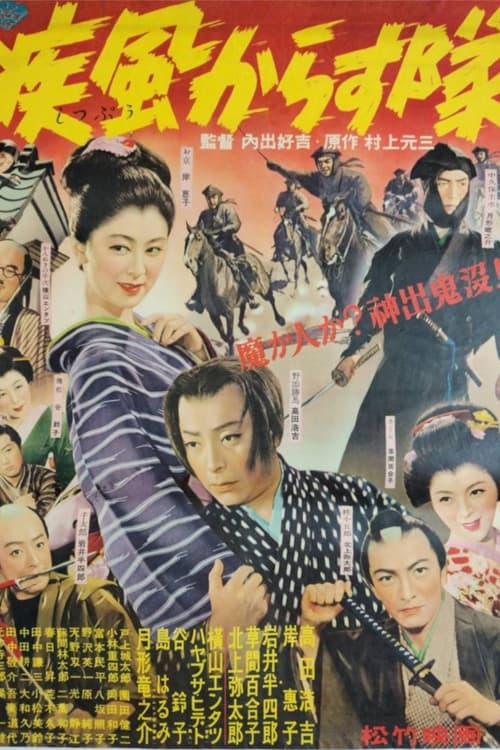
During the end of the shogunate, there was a group of black-clothed masked samurai known as the "Crow Squad" who resisted the shogunate's oppression, taking down key figures one by one. During a Go game with a visitor named Seki Hikonoshin, the government inspector, Nozoe Minbu, was attacked and killed by what appeared to be the Crow Squad. The witness, Yoshi Goro, was also injured by their blade. Minbu's son, Katsuma, returning from a trip, learned of this and, along with his sister Sakura, vowed revenge.
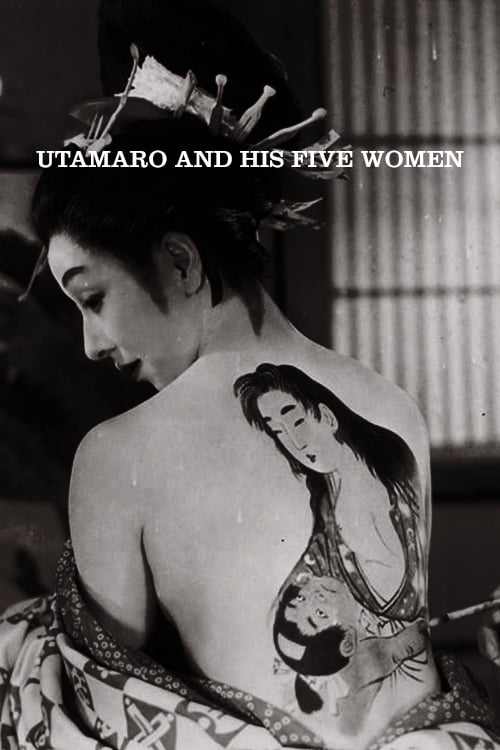
Utamaro, a great artist, lives to create portraits of beautiful women, and the Tokyo brothels provide his models. A world of passion swirls around him, as the women vie for lovers, and, occasionally, his art gets him into trouble.
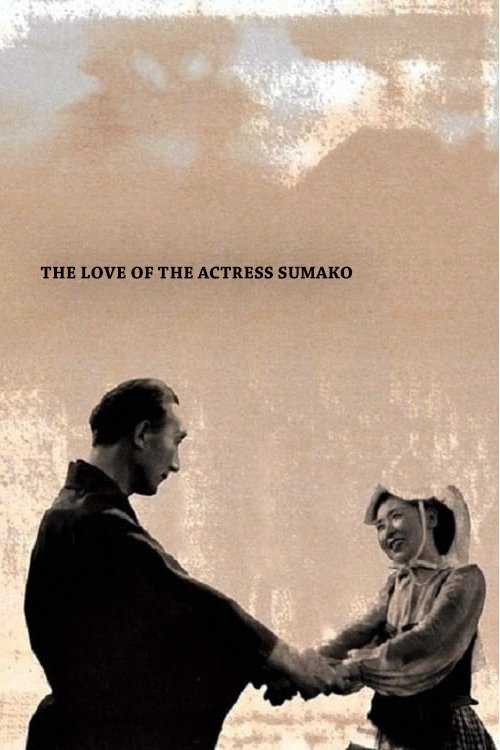
Stage director Shimamura, who is bringing western theatre to Japan, falls in love with outspoken actress Sumako Matsui, and leaves his family to be with her, while trying to keep his Art Theatre solvent.
1957 Japanese movie
In late 19th-century Tokyo, Kikunosuke Onoue, the adopted son of a legendary actor, himself an actor specializing in female roles, discovers that the praise he receives is only due to his status as his father's heir. Devastated, he turns to Otoku, a servant of his family, for comfort, and they fall in love. Kikunosuke becomes determined to leave home and develop as an actor on his own merits, and Otoku faithfully joins him.
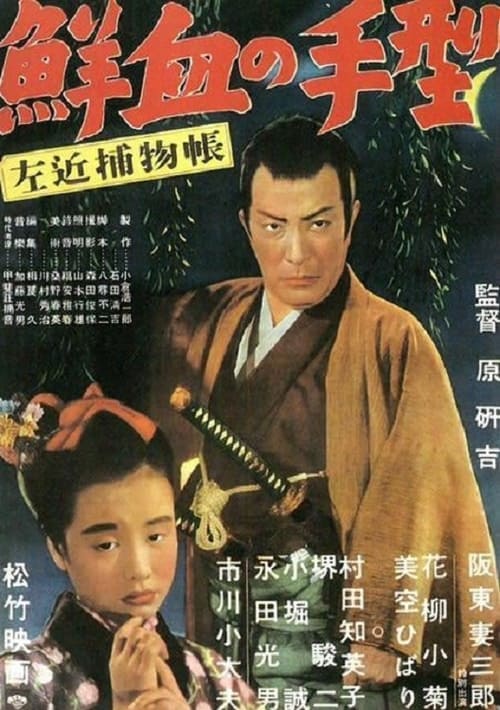
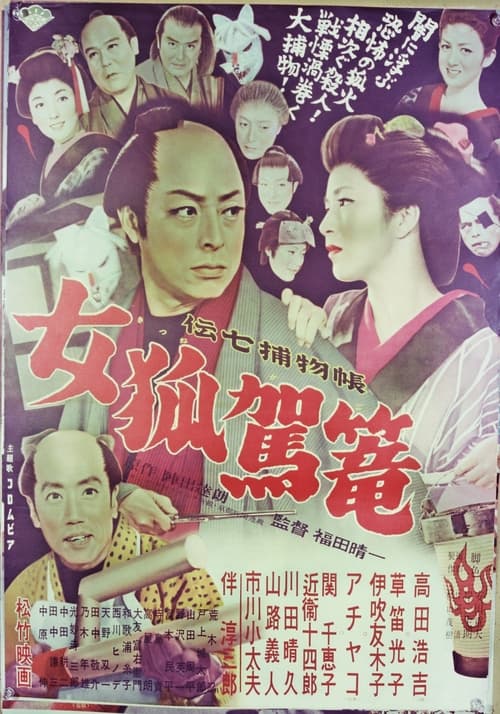
One night in Edo, a mysterious woman in a palanquin appeared at the moneylender Yamashiroya, revealing herself to a beautiful woman. She told the owner, Shigebē, that she had come to collect a life he owed from twenty years ago and then left. The same night, Maruiya Genbē also received a visit from the woman's palanquin, and nearby, a man named Manbē was murdered. The detective Hayanawa Gohē concluded the murder was the work of a fox spirit, but another detective, Den Shichi, skeptical of this theory, noticed footprints on the tatami and decided to investigate further.
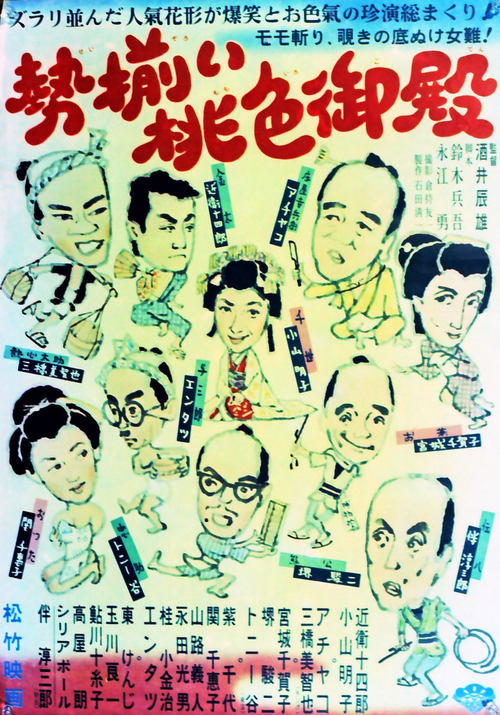
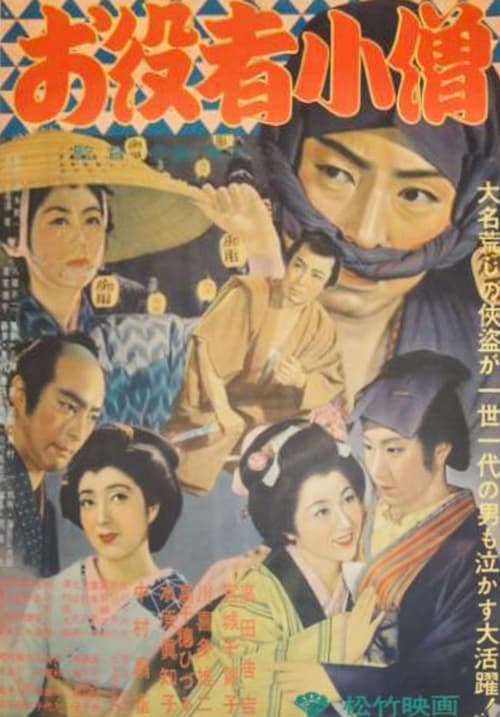
The phantom thief, known as the "Actor Kid", who was creating a stir in the Daimyo's mansion, especially in the inner chambers, was called Inaba Goutaro. He was the adopted son of a samurai, Inaba Buemon. An incident occurred where his foster father collided with the palanquin of the lord's concubine. In the subsequent altercation, Goutaro killed one of the attendants. Taking responsibility for the act, his foster father committed seppuku, and Goutaro was hunted down. Facing death, his foster father revealed to Goutaro that after the death of his biological father, Goutaro's real mother and his younger brother were forcibly made to serve a lord. This revelation ignited Goutaro's determination to infiltrate the Daimyo's mansion to meet his birth mother.
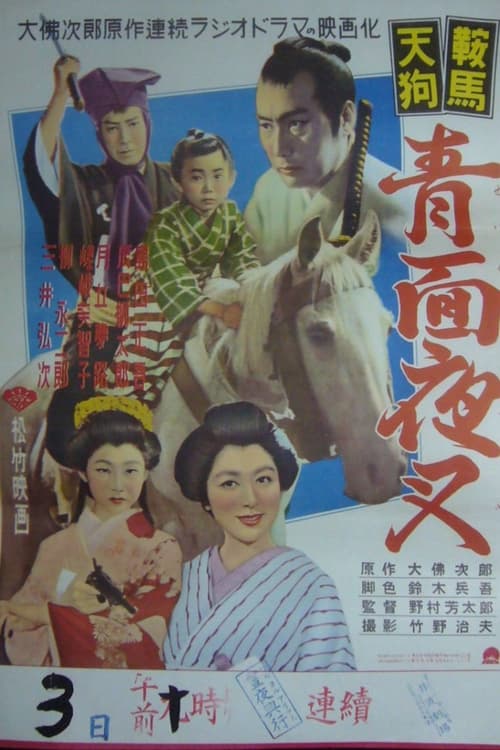
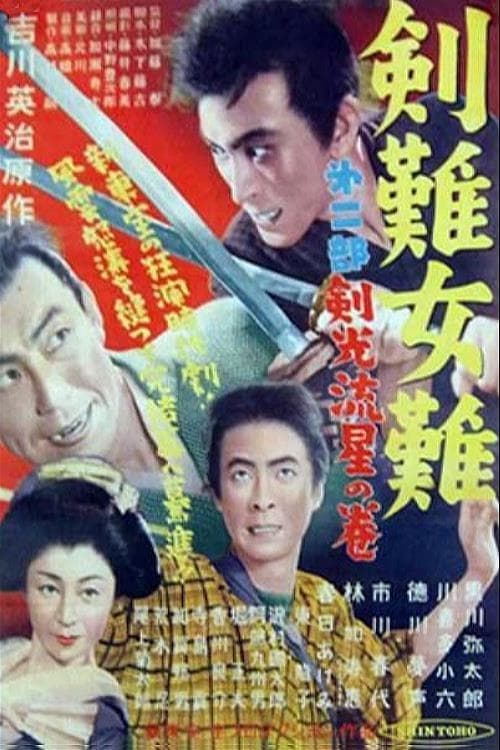
At the end of the Edo period - On his way back after being invited by the three Mikados of Higashi Shirakawa, Kurama Tengu was attacked by the Shinsengumi. Given the circumstances, he began to suspect a connection between the Mikado and the Shinsengumi.
In Marugame Domain of Shikoku, a low-ranking foot soldier named Tagami Genbachi was envied for marrying Tsuji, the most beautiful woman in the domain. However, due to a personal grudge held by Horikawa Gentazaemon, the swordsmanship instructor, Genbachi met an untimely and bitter death through foul means within the precincts of the Hachiman Shrine. Due to the domain's oppressive treatment of those of low status, Tsuji, now with her infant son Botaro, was dispossessed of her home and exiled.
1960 Japanese movie
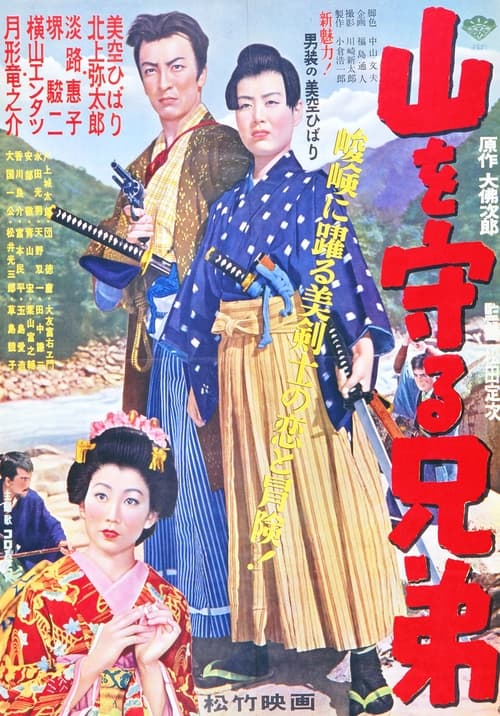
In the mountainous region of Koshu, Taikahara, there was an intense power struggle between the prominent families, Tamaki and Kakukura. Facing the steward of Kakukura, Kurokawa Senjiro, was Tamaki Daisaburo, who was skilled with a handgun. Daisaburo had granted protection to the charcoal maker, Miyoshi, safeguarding a few mountains passed down from their ancestors. Daisaburo's elder brother, Iori, who had completed his training in Edo, saved Kakukura's only daughter, Koyumi, on his way back home. However, while Daisaburo rushed to Iori's aid after Koyumi was attacked by Kurokawa and his men, their family home was set ablaze.
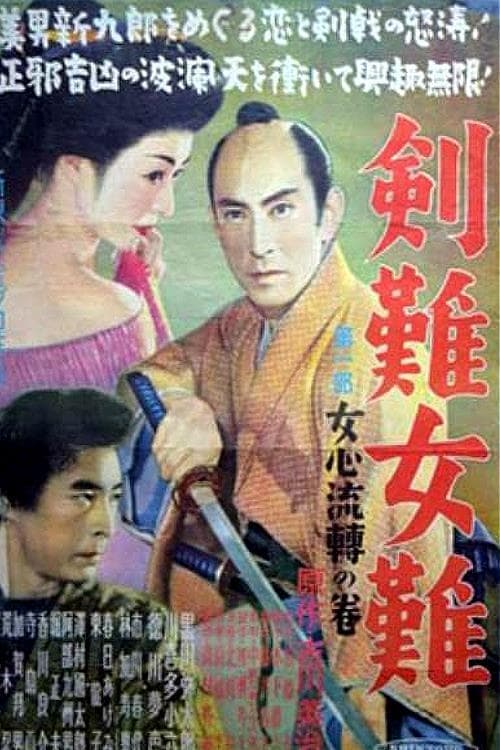
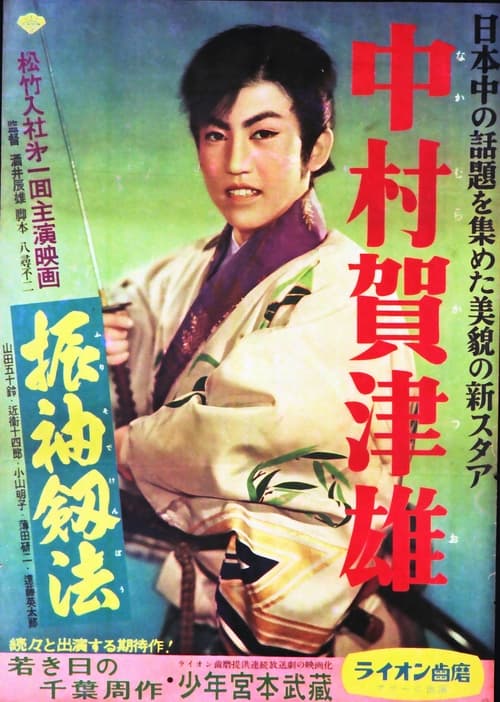
As the reputation of Sasaki Kojiro, who traveled through various provinces with his long sword seeking duels, began to spread, he was summoned by Lord Hosokawa Sansai upon the recommendation of Kokura clan warrior Iwama Kakubei. However, at this time, due to the proposal by Nagaoka Sado, it was agreed that Kojiro would face Miyamoto Musashi in a duel. If he won, Kojiro would officially become the chief instructor, as he desired. Until then, he had a provisional stipend of 500 koku. Learning that Musashi was in Kyoto, Kojiro set off for the city. En route, he was joined by a woman named Shino, who held a grudge against Musashi.
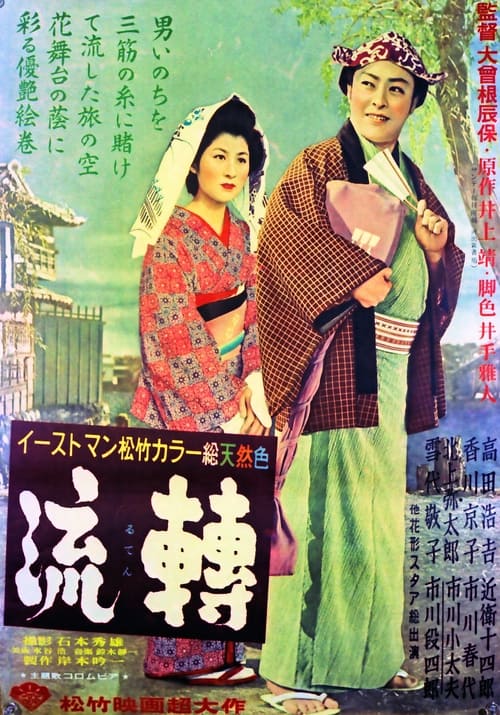
Uta’s mother died when she was six years old; her father she never met. She was forced to adopt a traveller’s life when her grandmother died, and now she is a dancer and part of a family of actors who travel from town to town, setting up street performances. A way of escape from this marginal existence arises when she gets the chance to move to tea merchant Hiramatsu’s place, where she is asked to teach his daughter to dance.
film directed by Tai Katô
The ambiguous relationship between a woman musician and her young student.
In the eleventh year of the Tenpō era, the Kawarazaki-za theater in Edo buzzed with excitement for a new production of "Kanjinchō" by Naritaya, featuring music by the master Kineya Rokusaburō. However, Naritaya's requests to change some of Rokusaburō's most painstakingly crafted parts of the composition angered his disciple, Shinjirō, leading to a conflict and Shinjirō's abandonment of the shamisen. One day, Shinjirō was captivated by the mysteriously beautiful dance of Oaki, a traveling performer's daughter, who seemed to be channeling her art into a form of revenge.