Acting
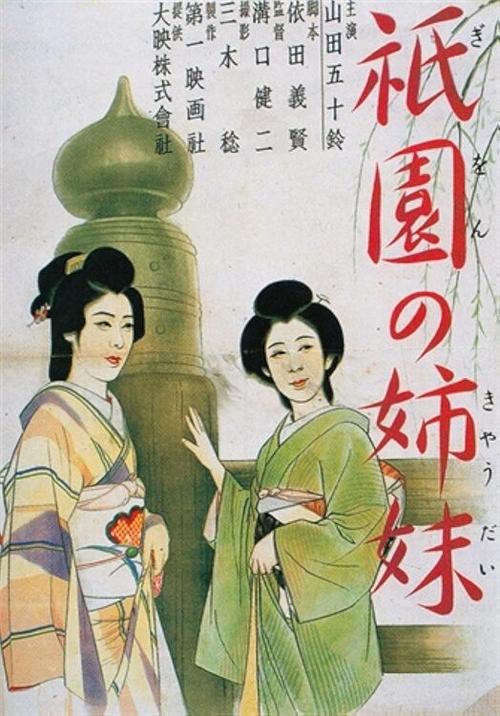
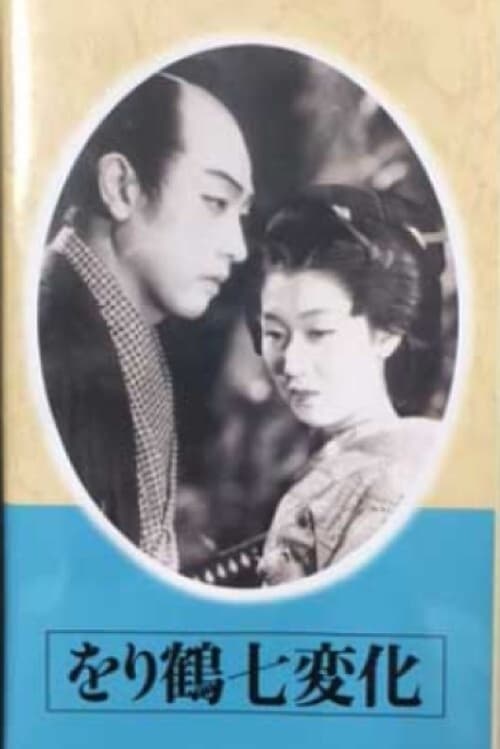
A geisha in the Gion district of Kyoto feels obliged to help her lover when he asks to stay with her after going bankrupt and leaving his wife. However, her younger sister opposes this, thinking that they should both find wealthy patrons to support them.
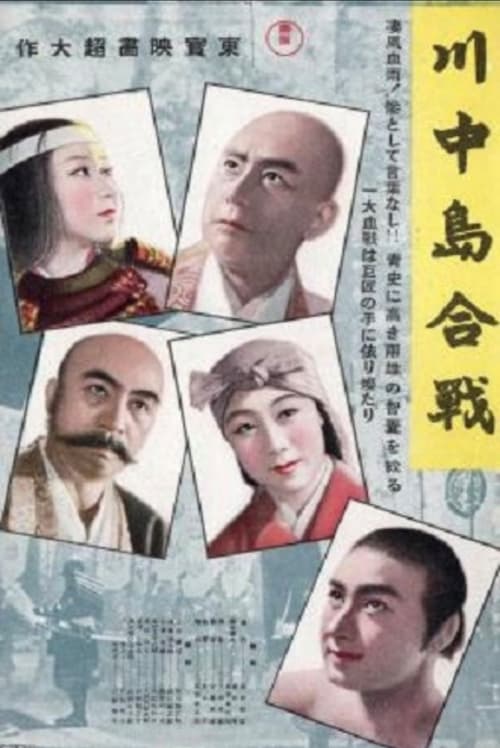
This epic depicts the battle between Uesugi Kenshin and Takeda Shingen. The focus of the story is the struggle by the unit leader in charge of the main supply wagons and the supply troops to transport materiel to the Uesugi army. To this are added episodes involving an itinerant woman.
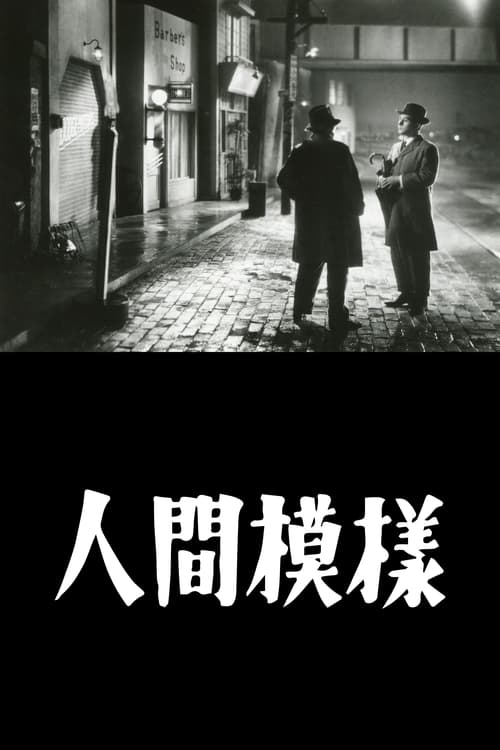
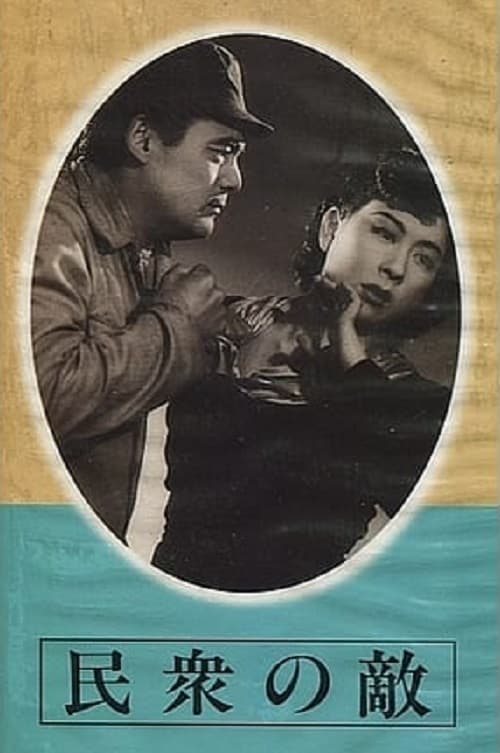
A love triangle among a girl, her poor boyfriend, and a rich company president.
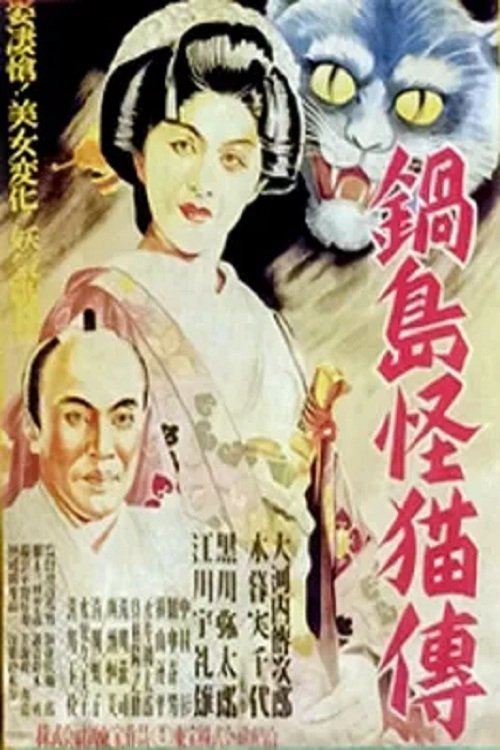
Tanuma Kandayuu is a high class samurai of the house of Nabeshima. He finds a lavish board of Go (a Chinese Board game) at Kinbei's store. He recommend Kinbei to offer it to his lord. Kinbei hesitates at first, since he knows the board has a mysterious legend surrounding it; it's believed that for every game played on the board, one death is required.
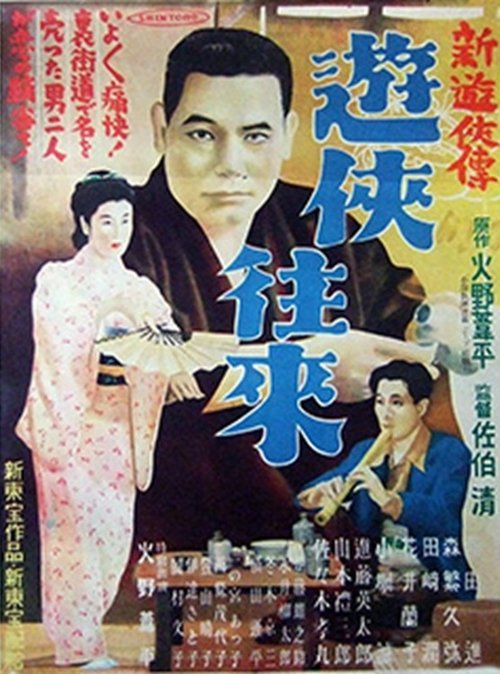
The story is based on the serial novel by Tsunoda Kikuo.
Tadashi Imai 1946 movie
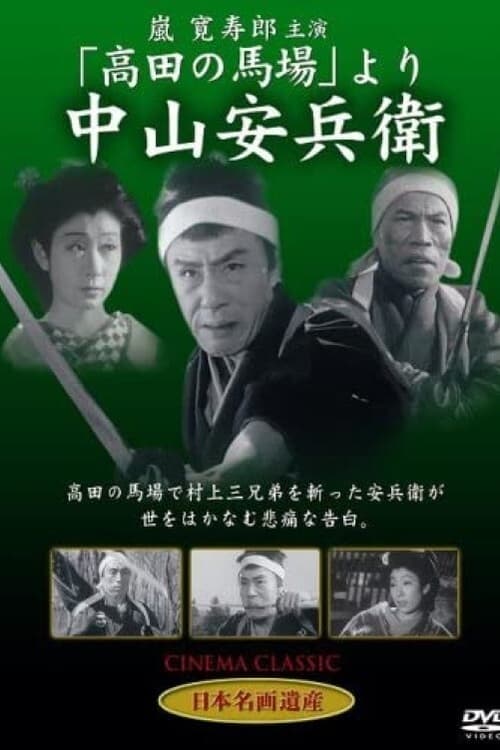
Jidai-geki about the life of Yasubei Nakayama, a famous ronin who did participate in the revenge against Lord Kira Yoshinaka as detailed in Japan's famous epic Chushingura
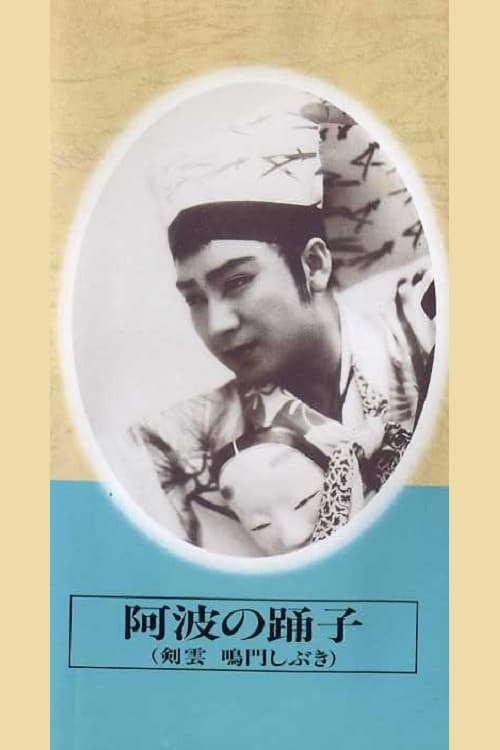
Jurobei, a kaisen tonya (wholesaler in port) in Awa, was wronged and killed on the day of the Dance Festival by the evil merchant & the chamberlin. His brother (Kazuo Hasegawa) vowed vengeance on the day of his brother's death. So every year the villains are worried during the Awa Dance Festival (which is part of the Obon festival), but nothing has ever happened, until seven years later...
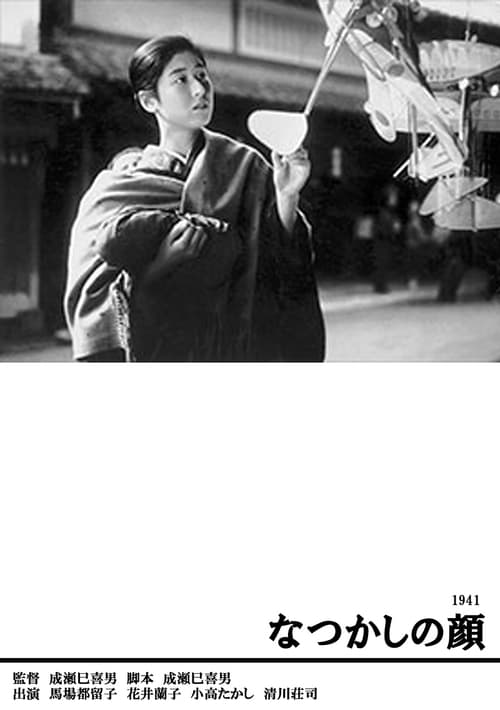
A Fond Face from the Past is also set in a rural community, specifically a village outside Kameoka, near Kyoto. In some ways this short, thirty-six-minute film is Naruse's most moving negotiation of the militarist restrictions of the time, perhaps because it is also his most direct engagement with the culture of war. When a newsreel comes to Kameoka featuring a local man named Yoichi, it causes some excitement in the community and, of course, in Yoichi's own family. First of all his mother makes the newsreel (Nippon News, no. 14), which begins with the same marching music that opens his own film, followed by a curious baby judging context in Los Angeles featuring two hundred Japanese babies. Released in January 1941, almost a year before the pacific war begins, this “found footage” is indicative of Japanese imperialist ambitions beyond Asia long before Pearl Harbor.
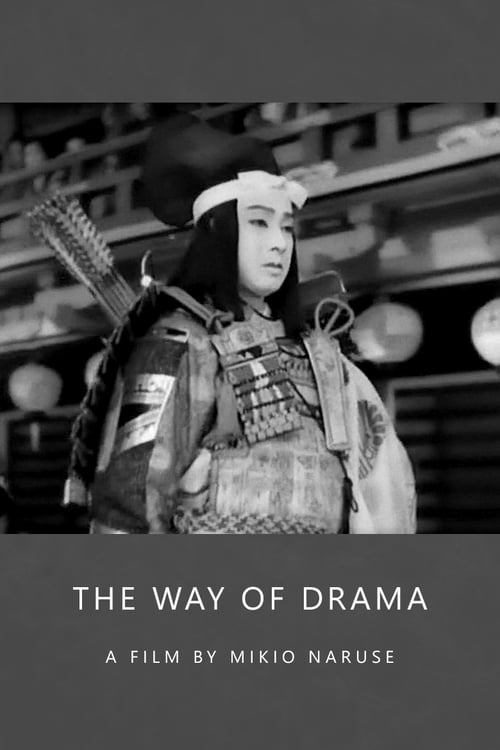
The Way of Drama unfolds in the world of kabuki in Osaka, but also addresses the politics of popular culture and the rivalry between theatrical styles like those used by amateur actors to dramatise contemporary events.
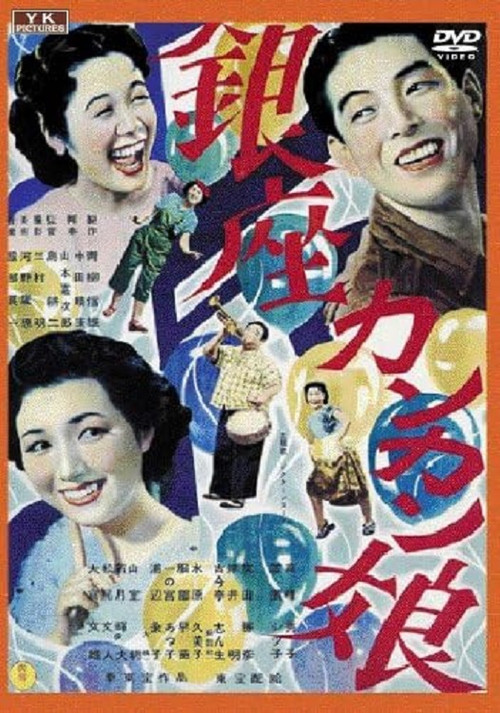
Shizuko Kasagi and Hideko Takamine star as young women who try to raise money for a needy old friend by becoming wandering singers who work for tips in Tokyo's Ginza nightlife district.
No description available.
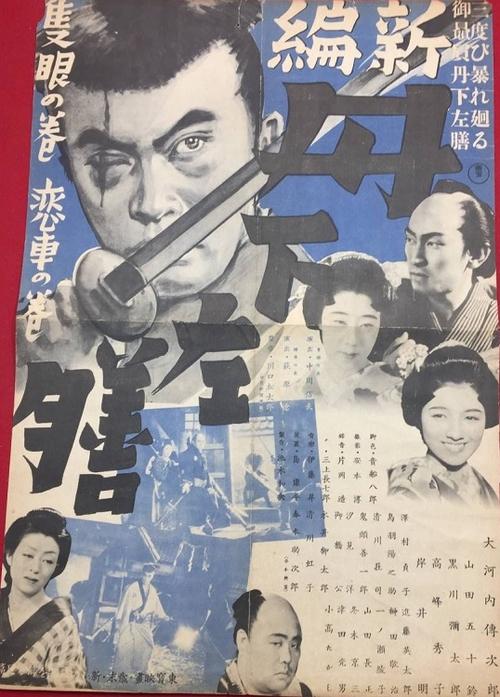
Another adaptation of Tange Sazen.
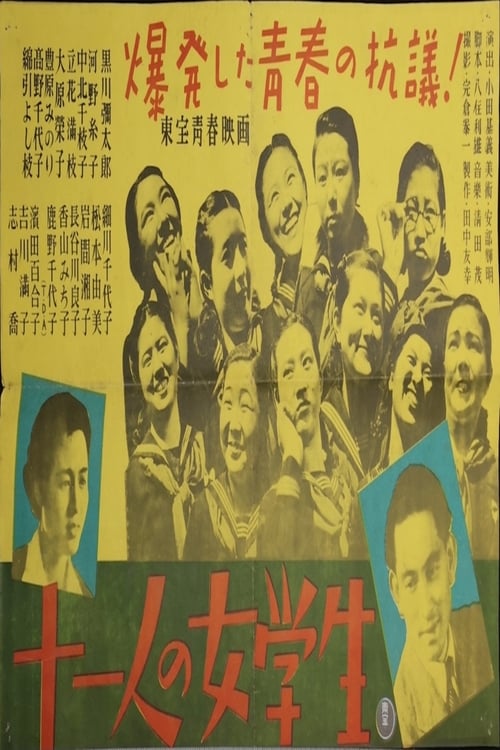
With his simple appearance, eyes shining with love and a sense of justice, and voice burning with youthful passion, the eleven students felt unexpectedly in each other's hearts that "this teacher will surely be our confidant," and looked at each other and nodded their heads. This was the beginning of their collective affection for the new Ms. Shiono. The school for girls is a sacred place where the hearts of hundreds of innocent girls should ferment beautifully and freely for the day when they will become wives and mothers to come. How can we abandon them in such a state? Even after the nightmarish war was over, the nightmare remained at Shuei Girls' School.
A film by Kiyoshi Saeki
Japanese war movie
A once-dead man is resurrected by a mysterious old man's spiritual magic to take revenge on those who killed him. An unusual and bizarre historical drama with a vaguely Western atmosphere. Starring the sword-fighting star Kozaburo Ramon, directed by Kenji Shimomura.
Jidaigeki from 1940