Zenzō Matsuyama
Writing
Biography
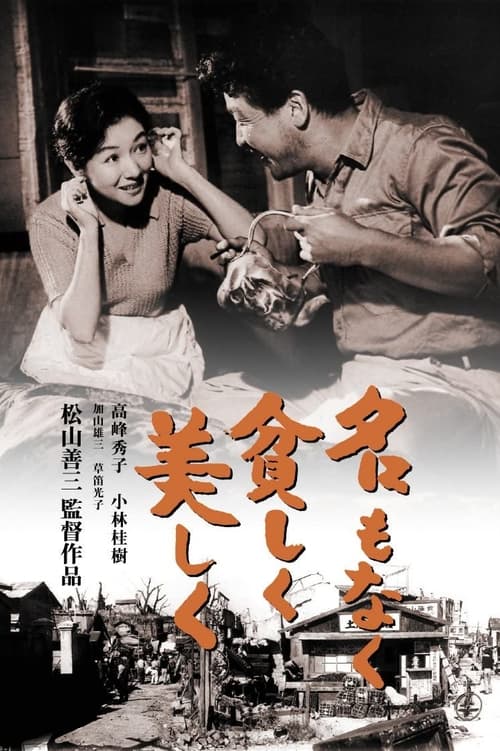
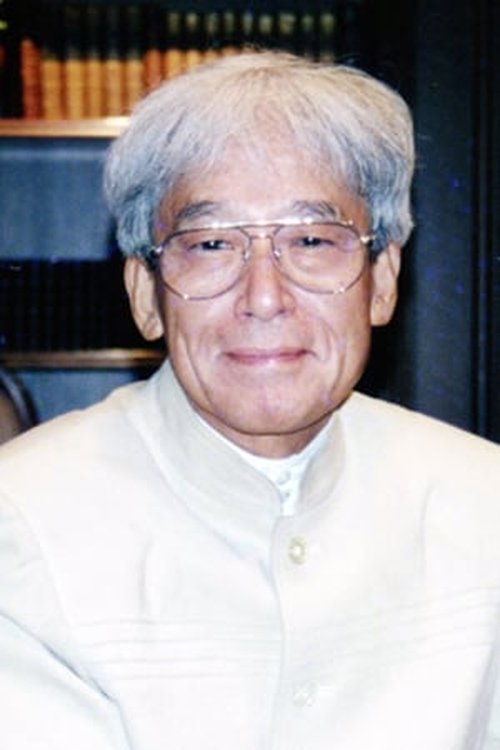
Zenzō Matsuyama (松山 善三 Matsuyama Zenzō, 3 April 1925 - 27 August 2016) was a Japanese script writer and film director. He was born in Kobe and grew up in Yokohama. After leaving school, he began training to become a doctor but dropped out of medical school to take up a career in films. In 1948 he became an assistant director at Shochiku studios. With the support of Keisuke Kinoshita, he also began writing film scripts. His first filmed script was Kojo no tsuki, based on the song Kōjō no Tsuki, filmed in 1954. In 1955 he married actress Hideko Takamine. He made his debut as a director with a film called Na mo naku mazushiku utsukushikuin 1961. He continued to work as a scriptwriter for films like Proof of the Man as well as a director. He also wrote the lyrics for a song Ippon no enpitsu for Hibari Misora.
Known For

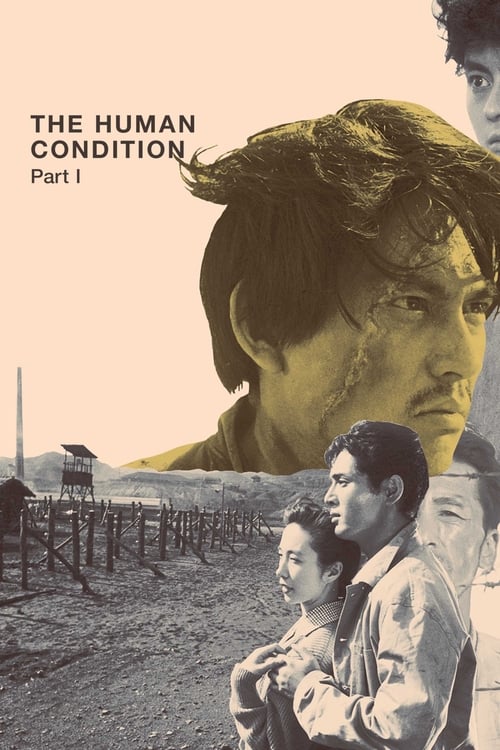
After handing in a report on the treatment of Chinese colonial labor, Kaji is offered the post of labour chief at a large mining operation in Manchuria, which also grants him exemption from military service. He accepts and moves with his newlywed wife Michiko, but when he tries to put his ideas of more humane treatment into practice, he finds himself at odds with scheming officials, cruel foremen, and the military police.
The Human Condition I: No Greater Love

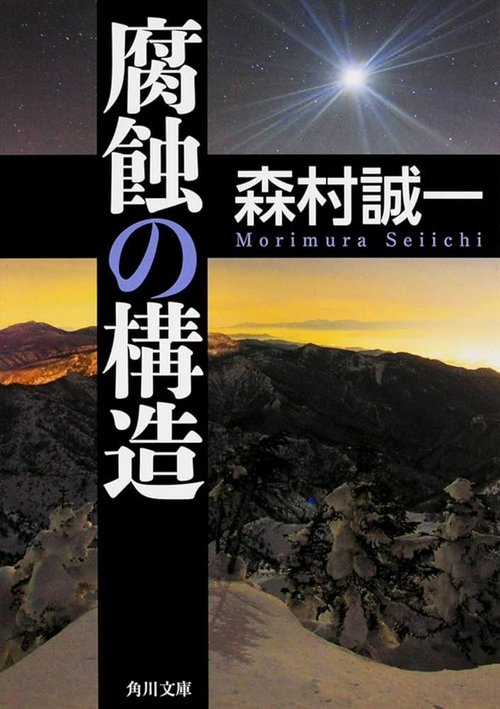
A powerful trading company uses all means to obtain the uranium enrichment technology.
Fushoku no kōzō

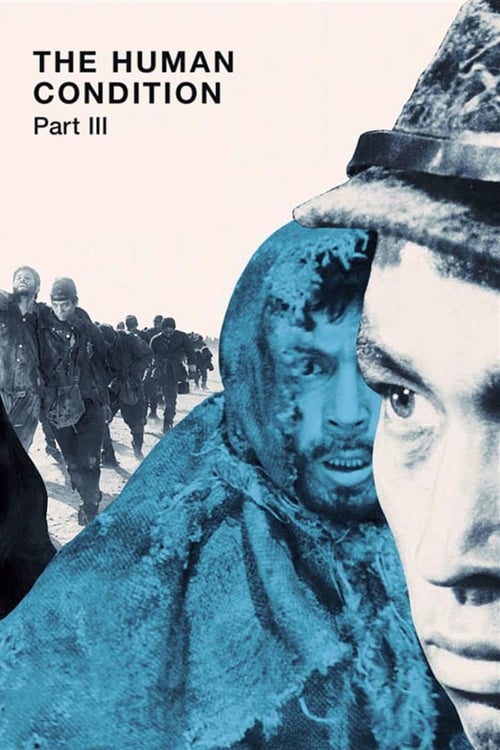
After the Japanese defeat to the Russians, Kaji leads the last remaining men through Manchuria. Intent on returning to his old life, he faces great odds in a variety of different harrowing circumstances as he and his men sneak behind enemy lines.
The Human Condition III: A Soldier's Prayer

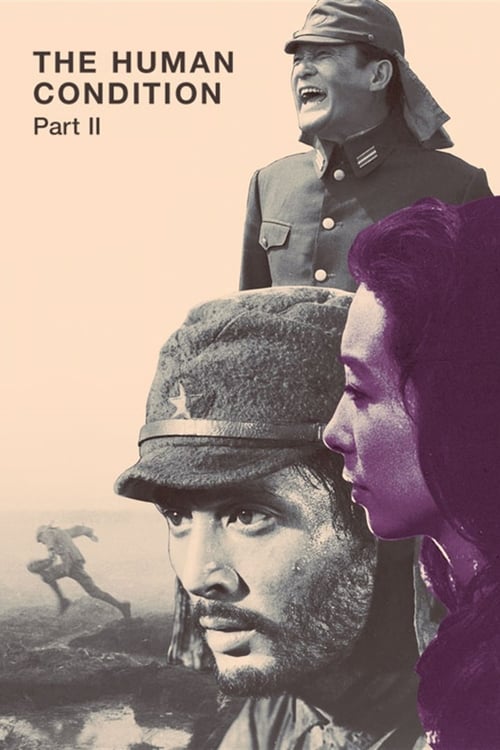
Kaji, sent to the Japanese army labeled Red, witnesses cruelties in the army and revolts against the abusive treatment against a fellow recruit. He also sees his friend Shinjô defecting to the Russian border, and he ends in the front to fight a lost battle against the Russian tanks division.
The Human Condition II: Road to Eternity

A story about the lives of four sisters and their manipulative mother who must come to terms with each of their decisions in life.
Four Sisters

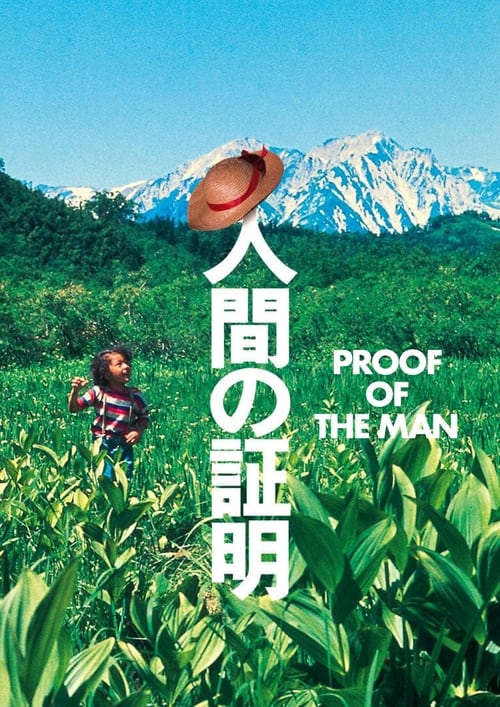
When an American is murdered in a Japanese inn, Tokyo police detective Munesue follows the trail of the killer to New York. There he is joined by a New York City detective named Shuftan and together they sort out the crime.
Proof of the Man

The real mother of the two children of a respectable university professor is not his wife, but his mistress, the hostess of a Ginza bar the family frequents.
The Other Woman

Sanae is left a widow after her prestigious husband dies, but holds the proceeds of a million yen insurance policy. Being childless, her former in-laws have no objection to her return to her own family.
Daughters, Wives and a Mother

War widow Reiko rebuilds and runs the grocery shop in the house of her husband's family. Many years later, their business is threatened by a newly built supermarket and Reiko's in-laws plan to convert their small shop into a supermarket, to her detriment.
Yearning

A botanist woos the secretary of an industrialist whose company threatens the local water supply.
Fountainhead

A Hiromichi Horikawa movie
Eternity of Love

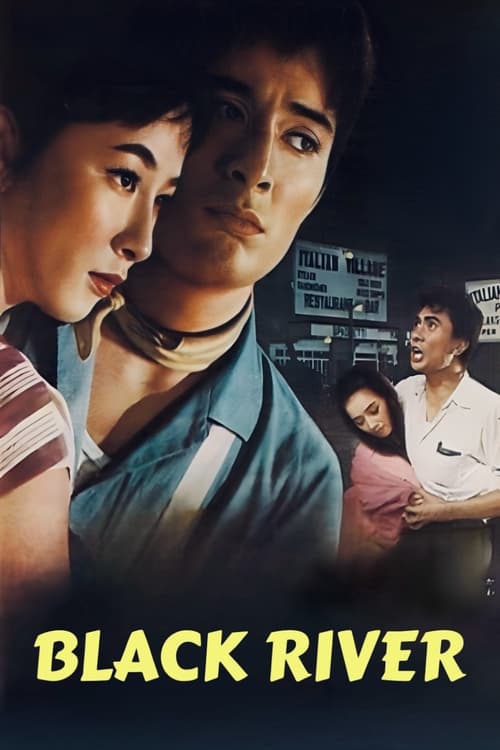
A love triangle develops between a benevolent student, his innocent girlfriend, and a cruel petty criminal, all as a point of diagnosis of a social disease that had Japan slowly succumbing to lawlessness during the post-War era.
Black River

Drama about the lives of the five daughters and daughter-in-law of a store owner.
The Wiser Age

No description available.
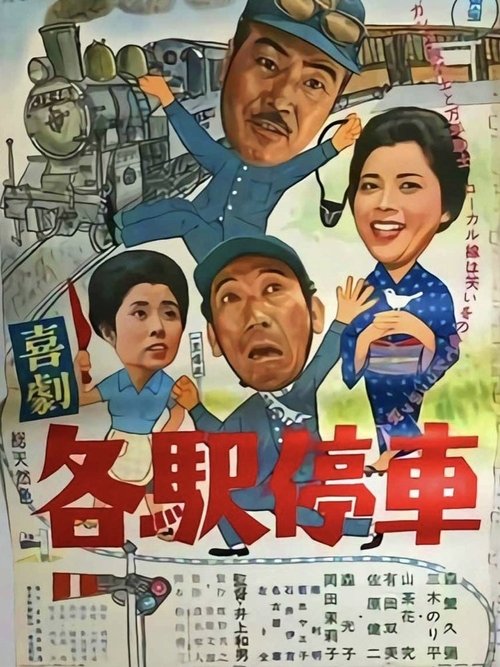
喜劇 各駅停車

No description available.
Double Wedding

When the only son of a working class woman is fatally struck by a car driven by the adulterous wife of a company president in a hit-and-run, the victim's mother changes her identity and infiltrates the couple's home to work as their maid, plotting to murder their similarly-aged son.
Moment of Terror

A woman and her daughter are in love with the same man, a chef at the restaurant that the mother manages. He is slightly crippled from frostbite in his years in Siberian labor camps and considers himself 'already dead'.
The Lovelorn Geisha

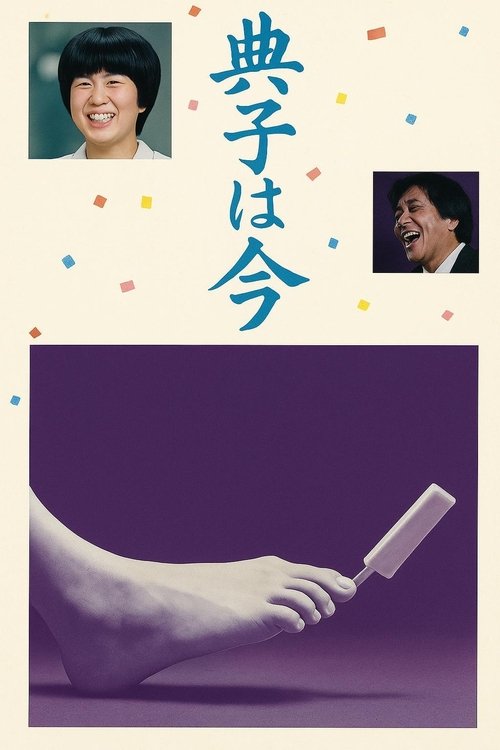
Fictionalized account of 20-year-old Noriko Tsuji, a real-life victim of a severe birth defect which afflicted 8,000 Japanese, children whose mothers took the sedative thalidomide during pregnancy. Tsuji has stunted flipper-like arms amputated at the behest of a father who deserted her soon after her birth. Nonetheless, the resourceful Noriko uses her feet to accomplish most of the tasks others would do with their hands.
This Is Noriko

Based on a children's book. Two children encounter a wooden chair that moves and speaks. The chair awaits their return, unaware the sister died in the atomic bombing of Hiroshima.
Two Iida

The story is of two people. One is deaf, the other deaf and mute. They marry after meeting at a school reunion, and the film follows their trials and tribulations ... and joys.