Alessandro Borrelli
Production
Known For
No description available.
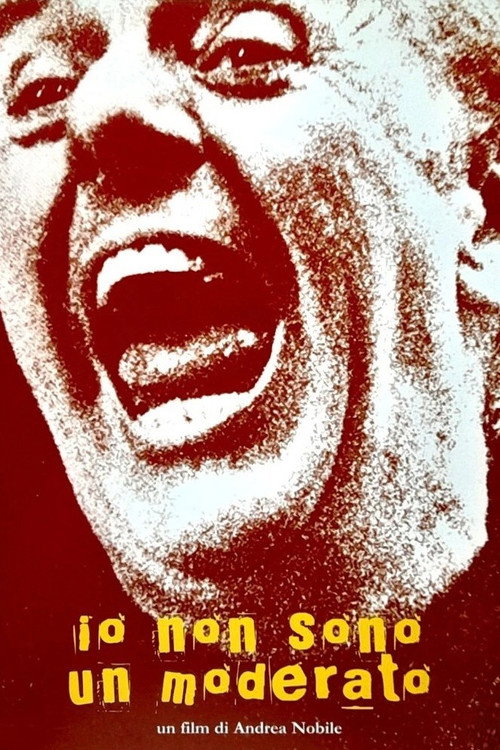
Io non sono un moderato
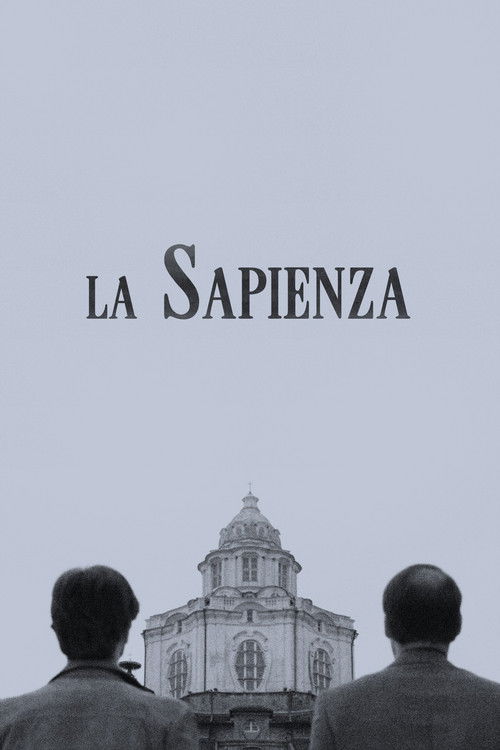
The story is one of an architect that has lost his inspiration and goes looking for those motivations that pushed him as a youngster to take up the profession. Inspiring him was the baroque movement and all of its artifices: the Guarini in Turin and the Borromini in Rome. The film’s central story ends up being the love story that develops between architecture, artistic inspiration and feelings.
La Sapienza
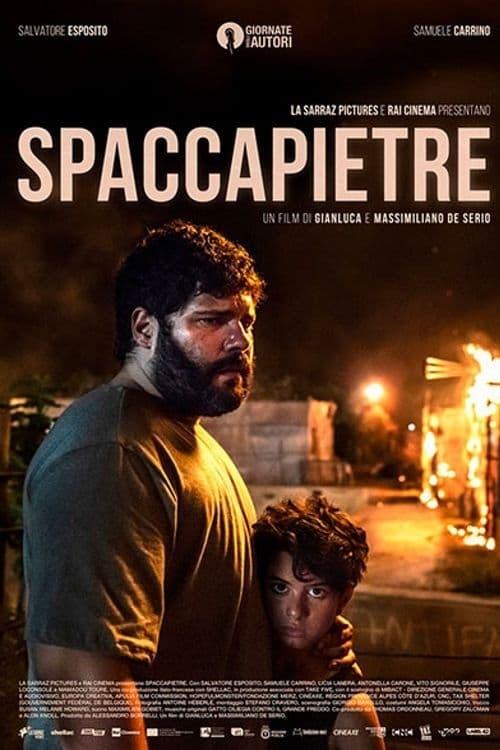
After a serious accident Giuseppe is out of work. His son Antò dreams of being an archaeologist and thinks his father's glass eye is a sign he has superpowers. It's just the two of them now, since their beloved wife and mother Angela collapsed and died while working in the fields. Now they've lost their home, too, and have taken shelter in a tent city with other seasonal workers. Through all this, Giuseppe still summons up the strength to hug his son every night and tell him a story. He's promised Antò he will have his mother back, one day, and will do anything to keep his promise.
The Stonebreaker
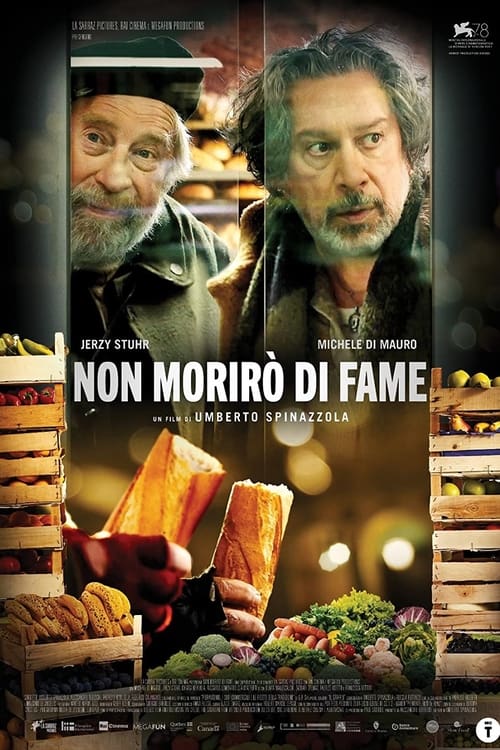
I Will Not Starve tells the story of a fallen chef, formerly a Michelin star, who returns to Turin following the death of his ex-wife and after several years of absence. While trying to mend the broken bond with his teenage daughter, he meets a tramp who introduces him to a new way of life, living freely and taking advantage of grocery store food waste to feed himself. Together, they will transform unloved foods into true masterpieces.
I Will Not Starve

Mateus Lagoa and his wife Irene will celebrate their 20th wedding anniversary at a most luxurious resort on a tropical island, leaving their teenage son dangerously adrift. Before departure to paradise, during an unexpected night spent apart, the side effects of the vaccines strike them - fevers, fainting spells, shivers, hallucinations of all sorts. A melancholic mood creeps in and their world seems somehow fractured, capable of unsuspected and dangerous promises.
First Person Plural
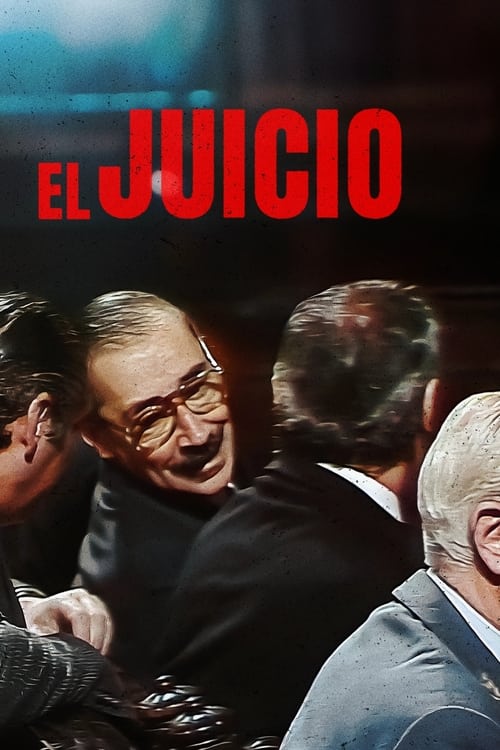
Chronicle of the historic trial held between April and December 1985 against the leaders of the last Argentine dictatorship (1976-83), responsible for the disappearance of thousands of people and other State crimes.
The Trial
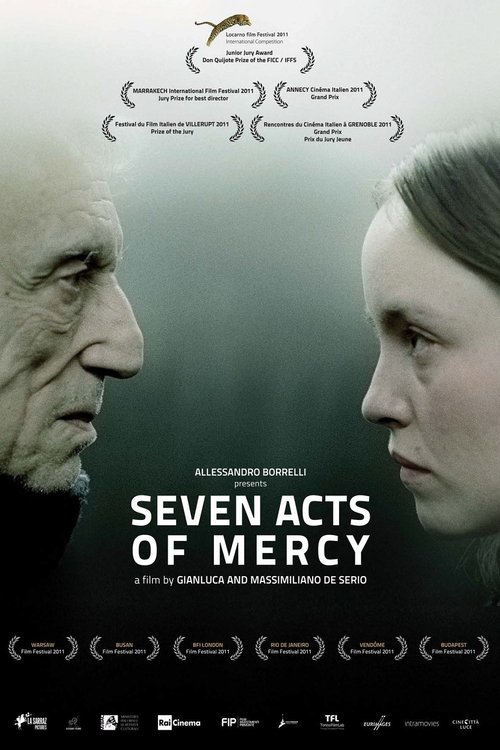
Luminita, a young illegal immigrant living on the edge of a shanty town, has hatched a plan to get herself out of her predicament. To carry it through she bumps into Antonio, a sick and mysterious old man. The clash between the two of them is unavoidable and harsh, and leads to unforeseeable consequences…
Seven Acts of Mercy
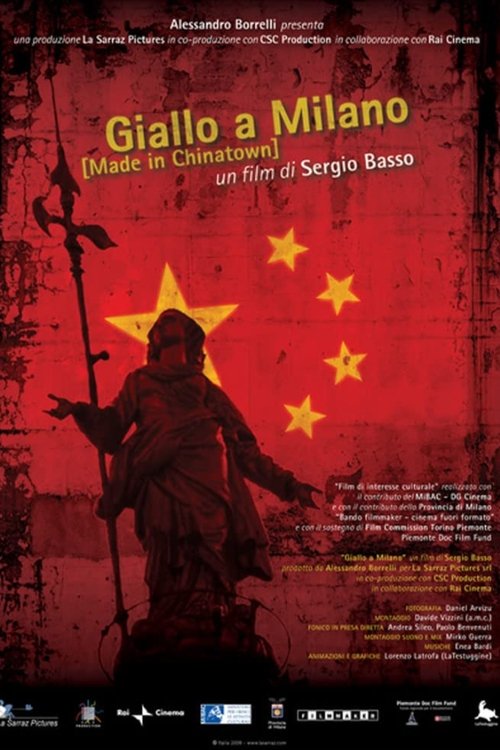
The Chinatown in Milan is highly problematic, recording several murders a year, perpetrated with meat-axes, in the streets, by the light of the sun. When an Italian guy asks a Chinese girl's hand in marriage, this triggers a domino-like plot of confrontations among a crowd of characters. Starting from the focus on one of the largest and oldest Chinatowns in Europe, the film carries the spectators into a universal metaphor on hatred and dreams between West and China.
Giallo a Milano
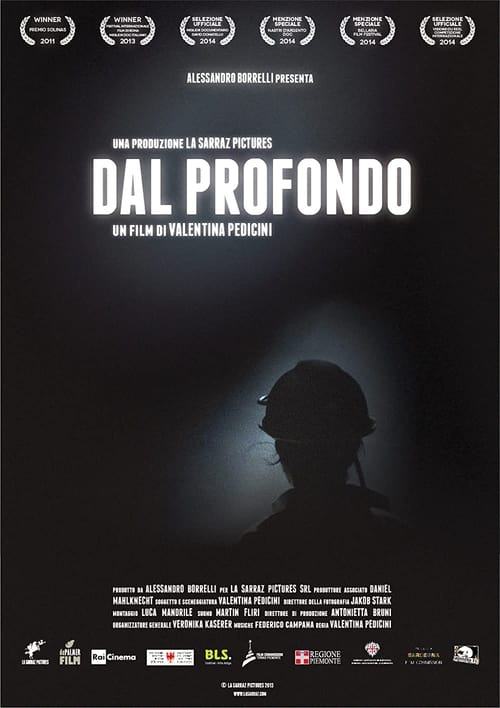
Both an activist and a documentarian, Valentina Pedicini also brings her background in anthropology to this impressively captured, claustrophobic nonfiction feature. Venturing beneath sea level, From the Depths profiles the lone woman at work in the last coal mine in Sardinia, Italy.
From the Depths
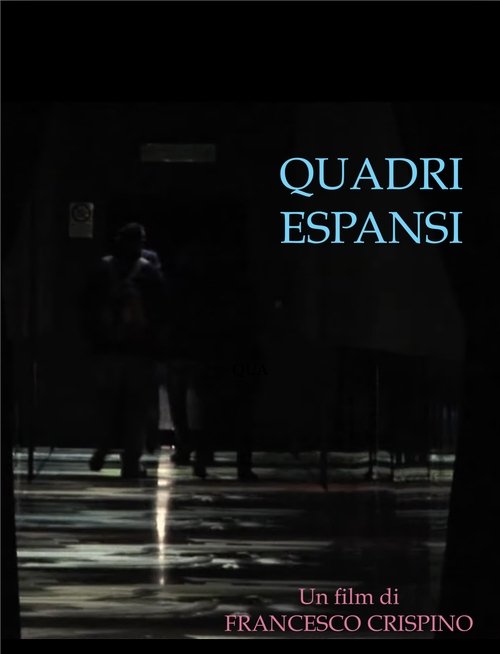
No description available.
Quadri espansi
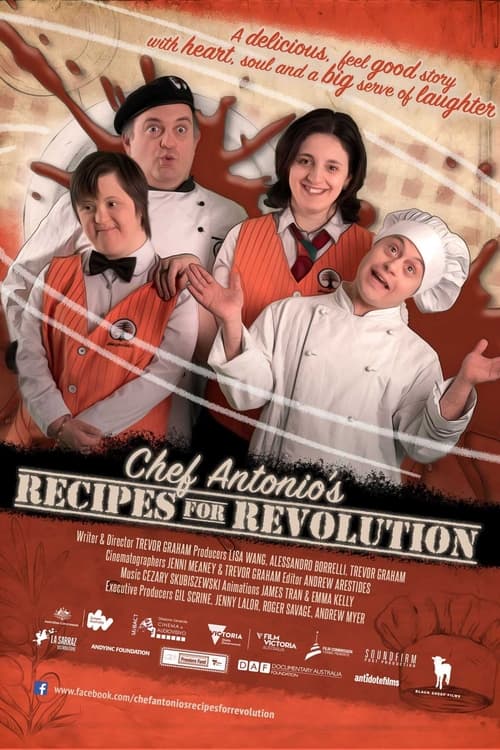
A feature documentary following Antonio de Benedetto, an Italian chef on a quest to change the world with food. His apprentices are aspiring chefs with Down syndrome, who travel from across Italy to train and work in hospitality and take their place at the table of life and find their pathway to freedom and independence.
Chef Antonio's Recipes for Revolution
Sardinia. A small village is shocked by the disappearance of a little girl and the suicide of Alice, a young woman found dead in the woods. There is a connection between the two cases, but no one knows yet. Sara, a successful writer and friend of the girl, decides to return to her childhood places to find out what happened. She will thus be forced to confront the demons of a forgotten past.
From the Dark

Until she was 16, filmmaker Chiara Marotta lived in a Christian community where everything revolved around prayer and reflection. Life was bound by regularity and rules that kept contact with the outside world to a minimum. The rebellious Marotta couldn’t stand it, but when she left, her grandmother, mother, and sister stayed behind.
The Moment of Transition
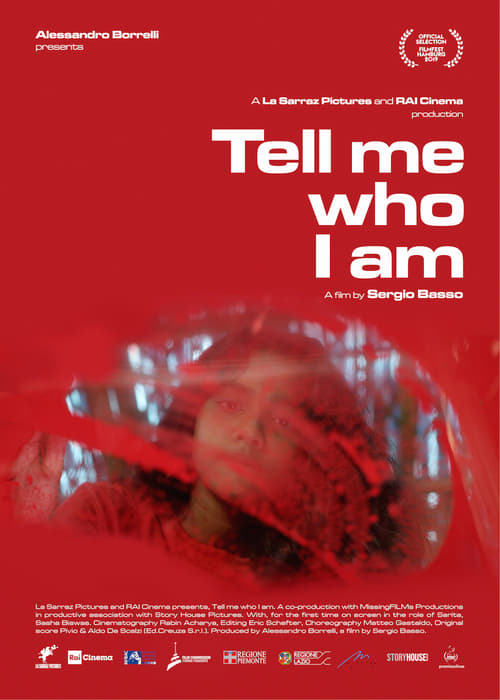
In 1990, one sixth of the population of Bhutan was exiled because they demanded greater democratic rights from the ruler. The film follows the story of Sarita, a 13-year-old girl born in Khudunabari, a refugee camp in Nepal where over 100,000 Bhutanese exiles live. Now they will be "relocated": thousands of families will be forced to emigrate and their Lotshampa identity will disappear forever. Sarita and her friends will not tell us their odyssey: they will dance and sing it.
Tell me who I am
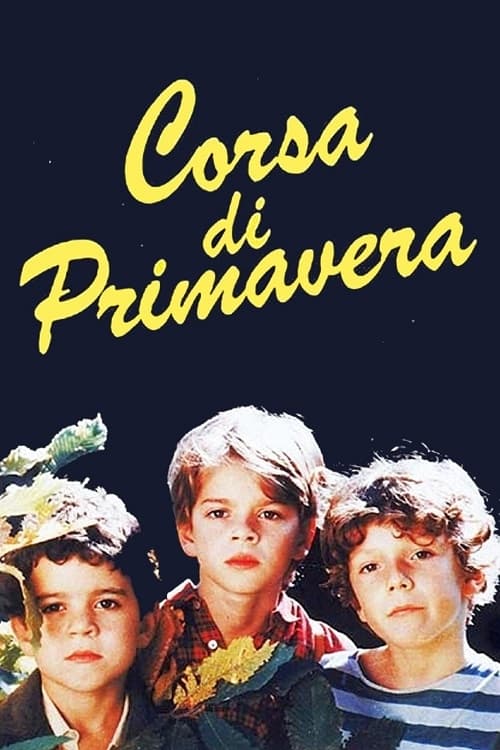
Isaac has separated parents, attends third grade, and soon befriends two classmates, Fiorello and Gabriel. All three want to leave with the circus, but on the appointed day, Gabriel is assigned by his mother to take care of his newborn sister, Fiorello hears his brother's recommendation of his parents, and Isaac sees his daddy coming off the train.
Corsa di primavera
No description available.
L'esame di Xhodi

No description available.
Nessun posto al mondo
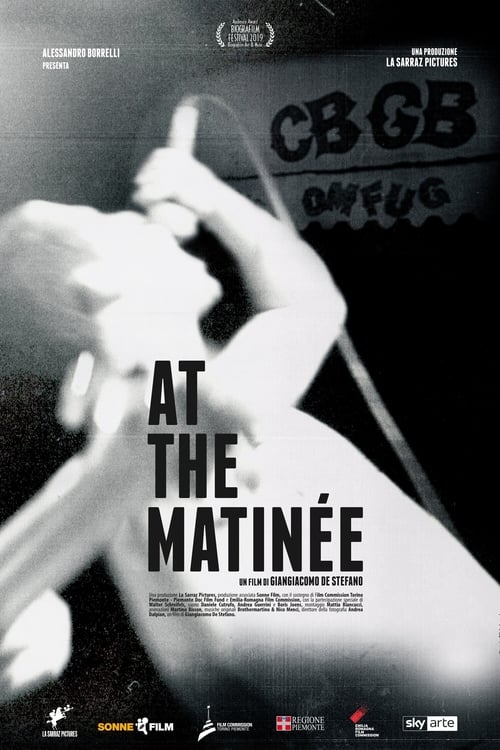
In 2006 CBGB, the most famous rock club in the world, closed its doors forever. Everybody associated it with bands such as Blondie, The Ramones and Talking Head, but no one remembers that what made it legendary were the hardcore matinées in the 80s. Walter Schreifels, the musician of the most influential hardcore punk bands, tells us a story not only about some kids and their music but of New York and its changes, too.
At The Matinée
Over one thousand people of different nationalities live among rats and rubbish in shacks slapped together out of metal sheets and wood. It’s the platz, one of the largest shanty towns in Europe, on the banks of the river Stura in Turin. Many children, women and old people have been living here for years in what has become a practically invisible microcosm that will soon no longer exist.
River Memories
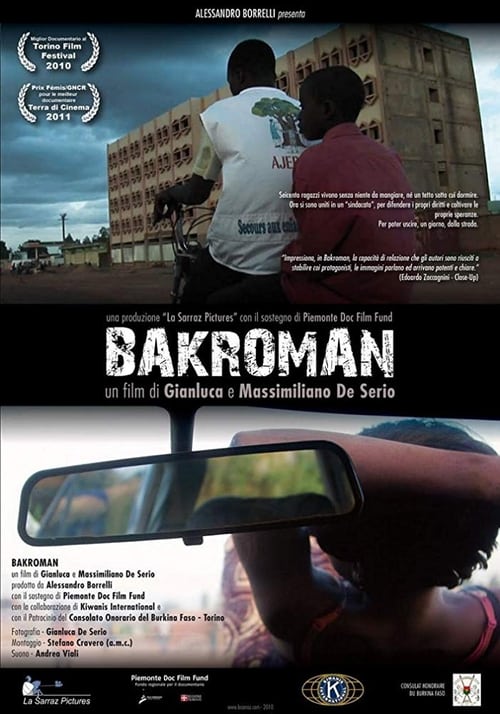
In Moré, the language spoken in Burkina Faso, the term bakroman means “street kid.” To defend their rights and nurture their hopes, they have joined together in a sort of union that seems to make the possibility of one day freeing themselves from that condition more concrete.