Tetsuji Takechi
Directing
Biography
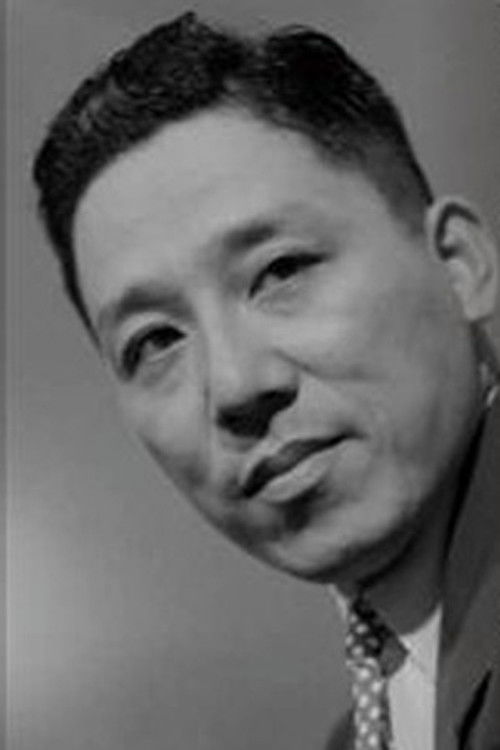
Tetsuji Takechi (武智 鉄二, Takechi Tetsuji; 10 December 1912 – 26 July 1988) was a Japanese theatrical and film director, critic, and author. First coming to prominence for his theatrical criticism, in the 1940s and 1950s he produced influential and popular experimental kabuki plays. Beginning in the mid-1950s, he continued his innovative theatrical work in noh, kyōgen and modern theater. In late 1956 and early 1957 he hosted a popular TV program, The Tetsuji Takechi Hour, which featured his reinterpretations of Japanese stage classics. In the 1960s, Takechi entered the film industry by producing controversial soft-core theatrical pornography. His 1964 film Daydream was the first big-budget, mainstream pink film released in Japan. After the release of his 1965 film Black Snow, the government arrested him on indecency charges. The trial became a public battle over censorship between Japan's intellectuals and the government. Takechi won the lawsuit, enabling the wave of softcore pink films which dominated Japan's domestic cinema during the 1960s and 1970s. In the later 1960s, Takechi produced three more pink films. In the 1980s he again started pushing boundaries by featuring real unsimulated sex in the 4 movies he directed during this period.
Known For

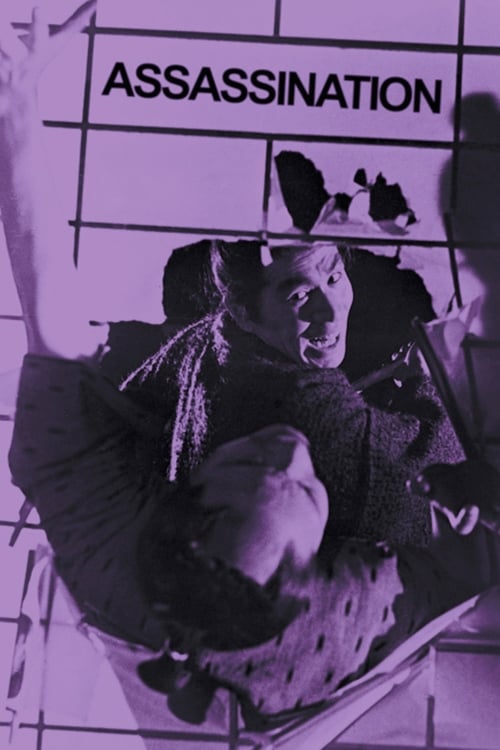
In 1863, when American warships approach Japan, an enigmatic ronin becomes an important figure in a complex game of power between the Shogunate and the empire.
Assassination

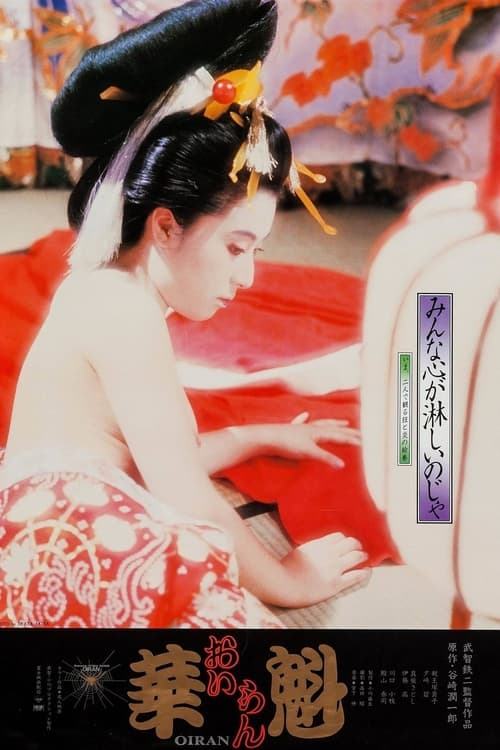
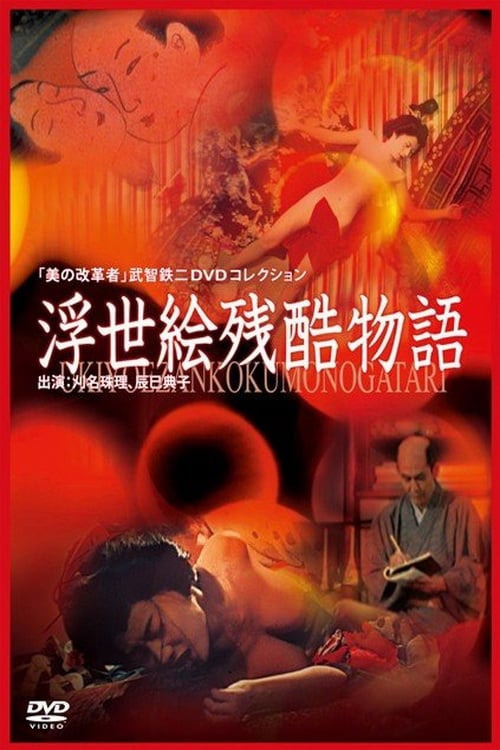
Ayame, a courtesan, attracts the attention of street vendor Kisuke and decides to run away with him to America. Unfortunately, a crazed tattoo artist is obsessed with Ayame's perfect skin as a potential canvas, so he kills Kisuke to keep Ayame in Japan. Later, Ayame is sold to a brothel in Yokohama. Kisuke's ghost possesses her, causing his image to appear tattoo-like on her skin whenever she has sex.
Oiran

A girl, Sakae, who is looking for a dentist for a pain in a tooth, meets Shinkichi along the way, a guy that gives her a ride. The dentist, a woman, starts to visit her, anesthetizes her and abuses her. Sakae and then Shikichi, are drawn into a nightmare of sex and perversion ... But is this all real?
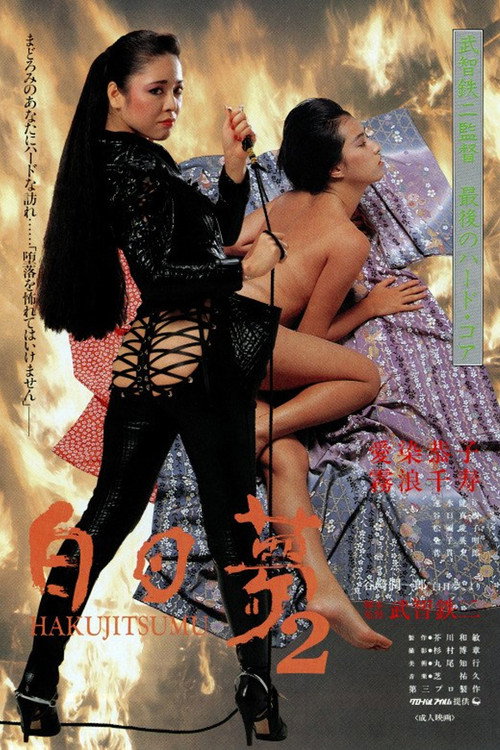
Daydream 2

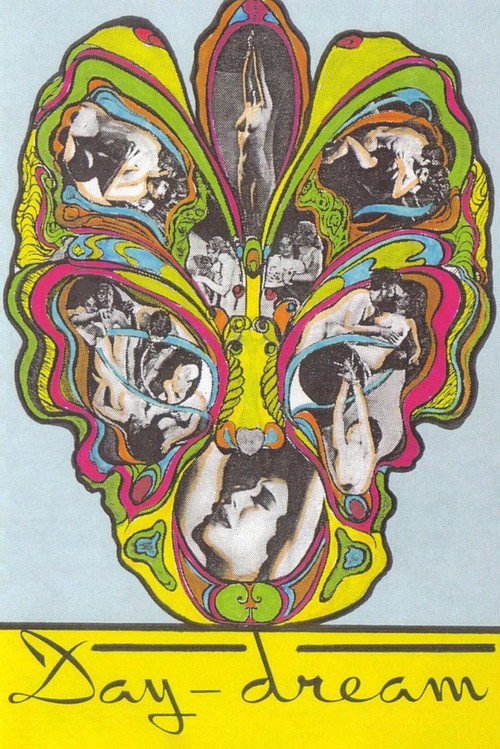
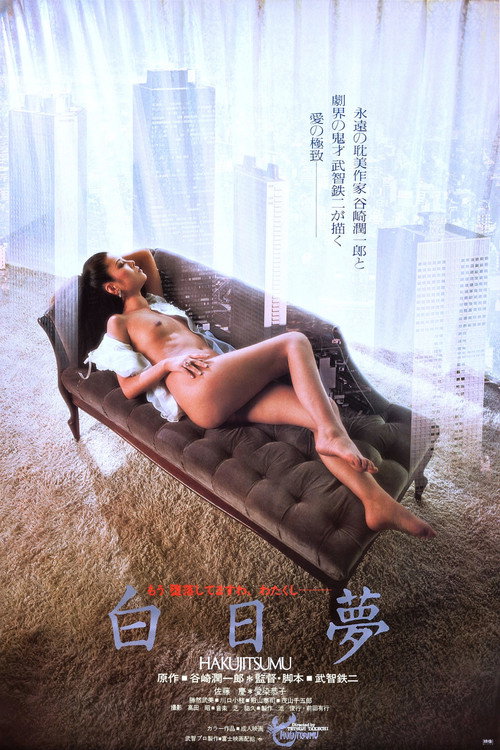
Loosely based on a 1926 short story by Jun'ichirō Tanizaki, the film opens as an artist and a young woman are in a dentist's waiting room. Though he is attracted to the woman, he says nothing to her. They are later in the same examining room. When he is given an anesthetic, he begins to imagine a series of scenes in which the woman undergoes various forms of sexual abuse, including rape and torture. When the artist recovers from the anesthetic, he finds clues showing that he may not have been hallucinating.
Day Dream

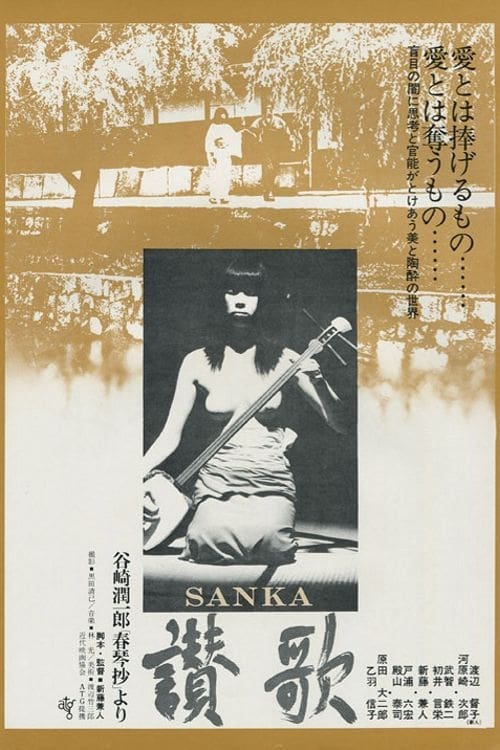
The story tells of the adoration of Sasuke for his mistress, the blind samisen-teacher Shunkin, who treats him imperiously and subjects him to cruel beatings.
Hymn

While under sedation in a dentist's office, a young art student has sex fantasies about naked women, vampires and a beautiful patient he saw in the office.
Daydream

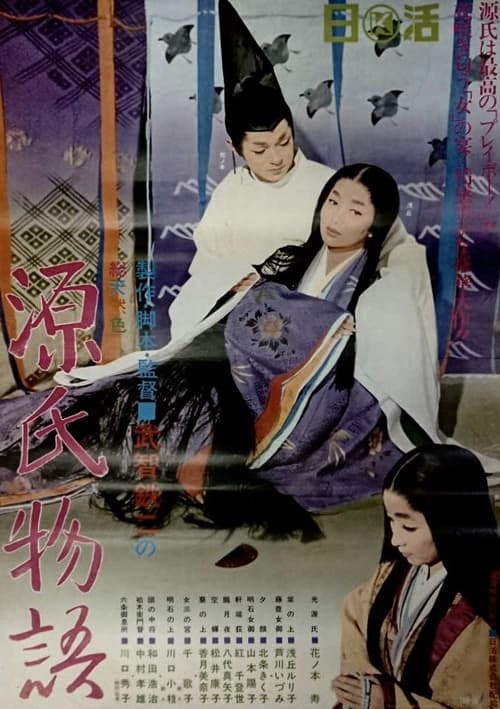
An eroticized adaptation of Murasaki Shikibu's classic novel, written over 1000 years ago. Genji, the son of the emperor, has gained renown among the nobility of Kyoto for his charm and good looks, yet he cannot stop himself from pursuing the one object of desire he must never obtain: his father's young and beautiful bride. Following the tragic consequences of his obsession, Genji wanders from one affair to another, always seeking some sort of completion to his life.
The Tale of Genji

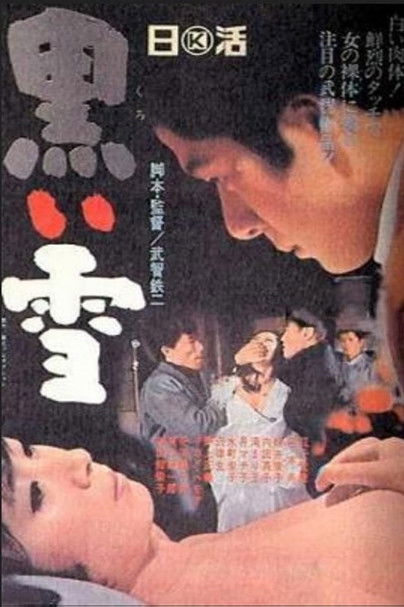
Black Snow tells the tale of a disturbed young man who, after spying on his mother with a black serviceman, finds himself unable to attain sexual arousal unless fondling a loaded gun. Later that night, he murders the GI before running amok through the building and finally slaying his mother's sister...
Black Snow

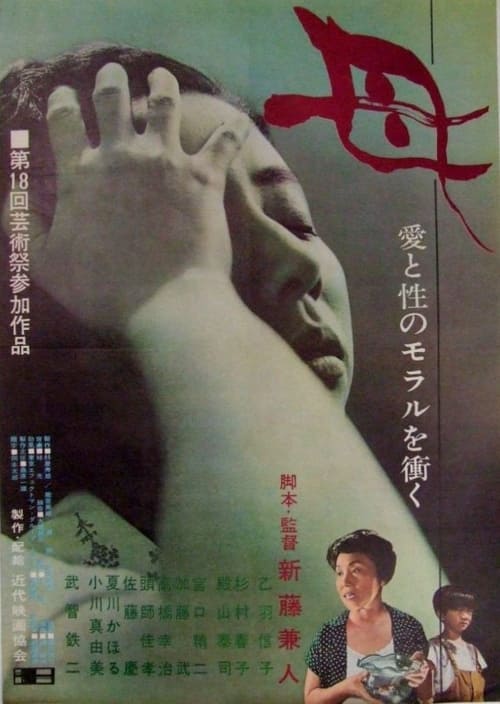
A divorced woman enters a marriage arranged by her mother in exchange for money to save the life of her seriously ill son.
Mother

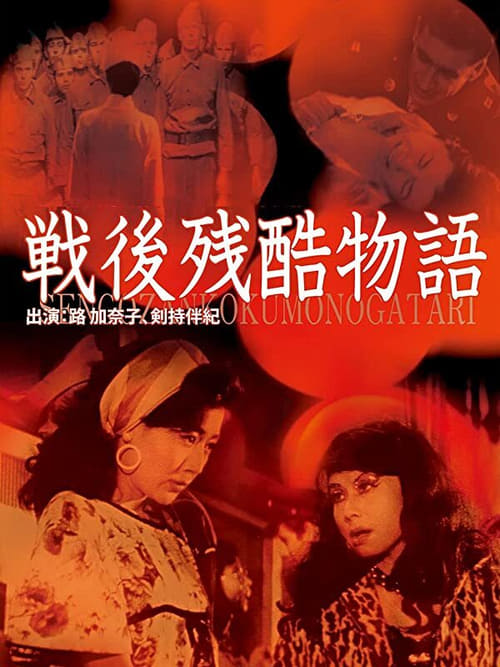
The sad story of Toshiko Ono, an innocent woman who turned into a prostitute after being sexually assaulted by American soldiers.
The Mass Violation

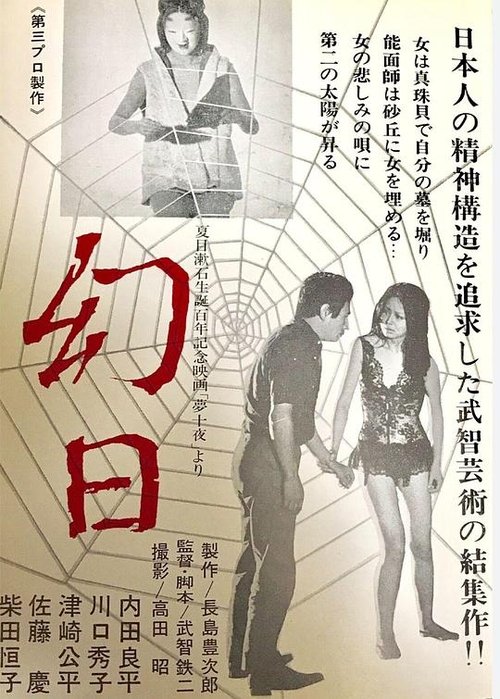
Noh mask maker is unable to carve the young Noh masks he has ordered, and when a beautiful woman invites him to join her in town for a change of pace, he has a mysterious experience, which may be a dream or reality. The film "Genjitsu" (幻日) was completed in the autumn of 1966, but has not been shown to the public. Adapted from Soseki Natsume's novel "Ten Nights of Dreams" with experimental music by Joji Yuasa, the film was long considered lost but re-surfaced in 2017 and was shown for the first time at Kobe Planet Film Archive.
Genjitsu

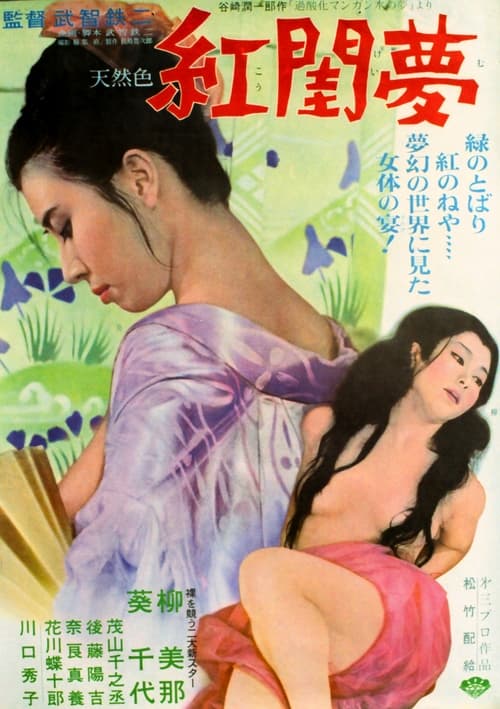
Tetsuji Takechi's third film is based on two short stories by Jun'ichirō Tanizaki. The film depicts the lurid and violently erotic dreams of a writer, his wife and his sister, after having spent a night out drinking and visiting sex shows. It underwent extensive censorship before the government would allow it to be released. About 20% of the film's original content was cut and this footage is now considered lost.
Crimson Dream

Made after Takechi had won an obscenity trial over Black Snow (1965), the film has been called "Takechi's personal message to Eirin."
Ukiyoe Cruel Story

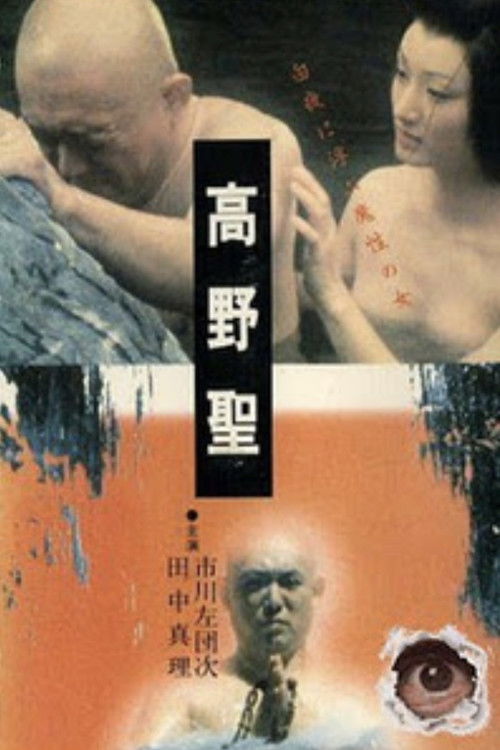
A young priest is on a personal pilgrimage for enlightenment through the snow covered trails of Mt. Koya in Wakayama prefecture, Japan. He is headed towards one of the many sacred gates/temples that are there. Misdirected by a local postman, the priest is sent straying off of the main road and onto the back roads which lead to a small secluded cottage. There he meets a beautiful but bewitching woman whose raw sexuality seems utterly impossible to resist. The woman subjects the priest to numerous carnal temptations in the hopes of breaking his sacred vows of celibacy. Over the next days, the priest's will is put to the test until eventually it breaks. His faith shattered, the priest goes mad when he discovers that the temptress that seduced him was the tortured spirit of a young woman who died horrifically with her lover in the Hiroshima atomic bomb attack.
Sacred Koya

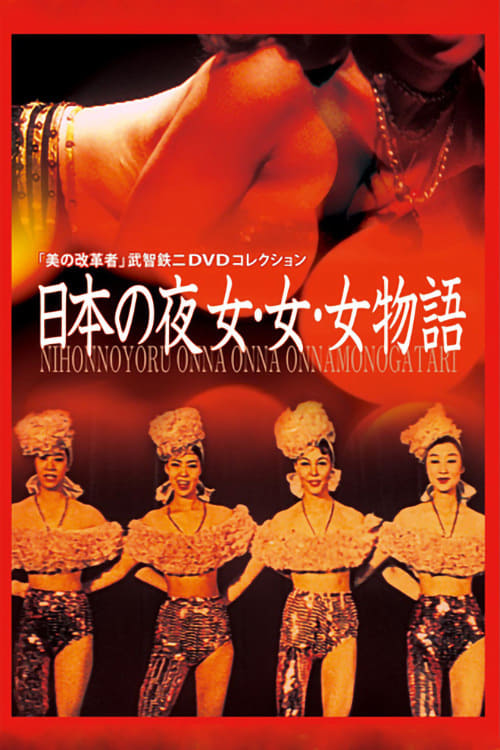
A sex-documentary focusing on the women of Japan, with particular emphasis on participants in the country's night-life. The film is a series of scenes visiting a variety of women such as female wrestlers, strippers, and geisha. Nuns and sea divers are also shown, along with scenes of transvestism and drug addiction.
Women... Oh, Women!
Pinku from 1973.