Musidora
Acting
Biography
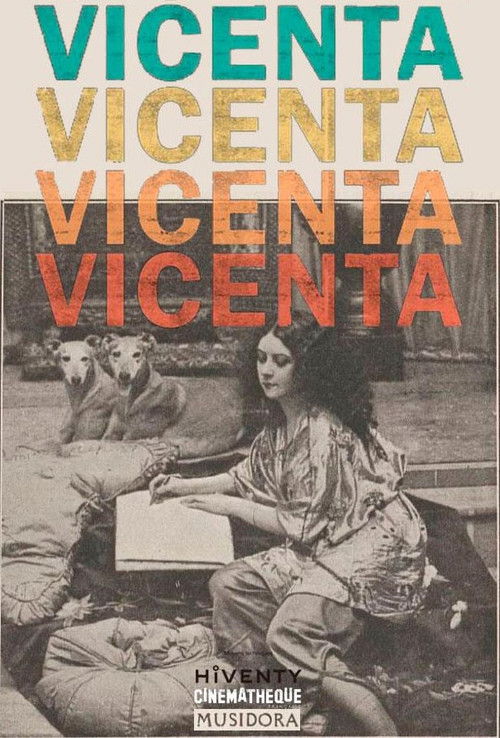
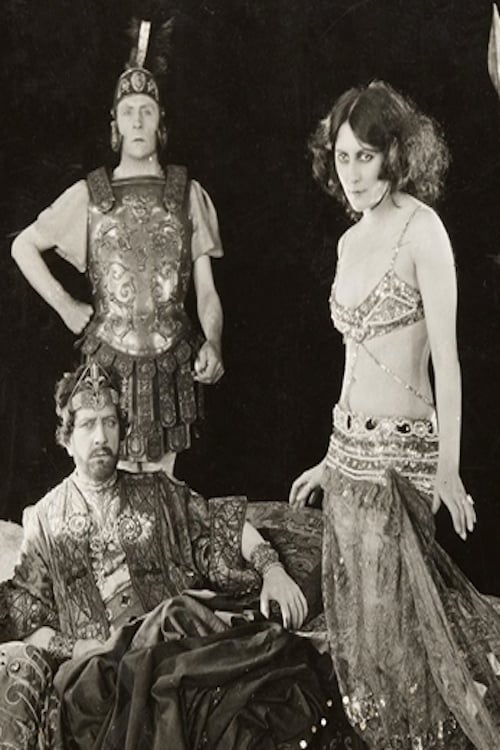
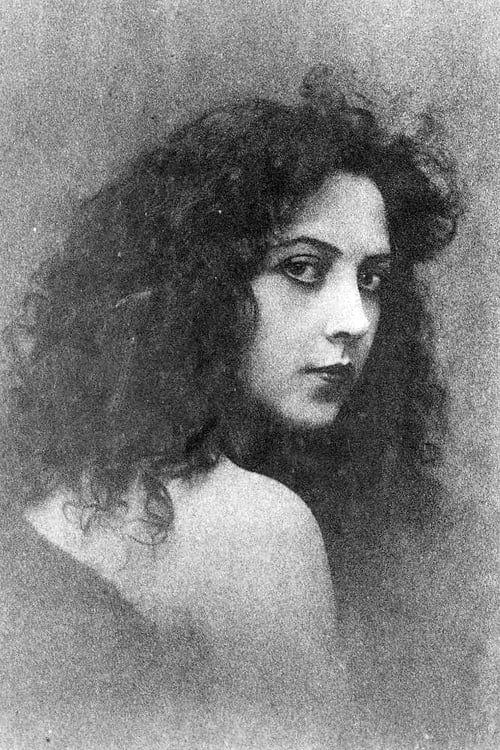
Jeanne Roques (23 February 1889 – 11 December 1957), known professionally as Musidora, was a French actress, film director, and writer. She is best known for her acting in silent films, and rose to public attention for roles in the Louis Feuillade serials Les Vampires as Irma Vep and in Judex as Marie Verdier.
Known For

Paris is prey to an invisible terror against which the police can do nothing: a sinister organization that sows chaos and death. The intrepid journalist Philippe Guérande and his partner embark on a long crusade to put an end to the crimes of the Great Vampire and Irma Vep, his dangerous accomplice. (A ten episode movie serial.)
The Vampires or, The Arch Criminals of Paris

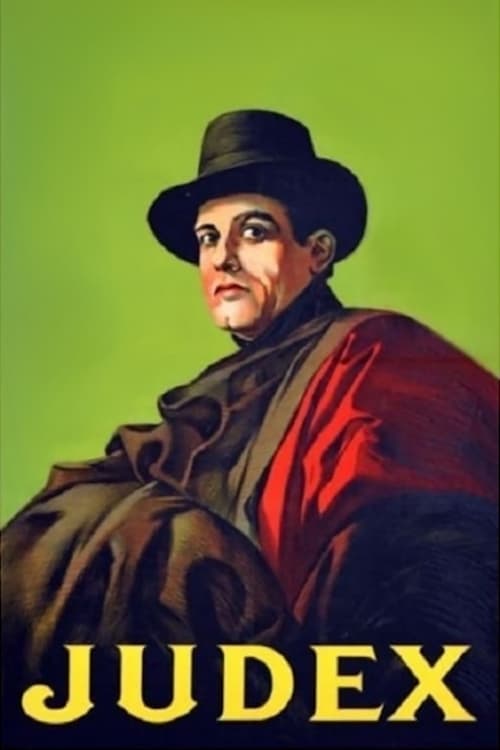
When an unscrupulous banker ruins his family, a young man swears to bring him to justice, so he adopts a new identity, the mysterious Judex, and ominously disguised and sunk into the muddy path of vengeance, punishes the crooks and protects the innocents. (Originally a twelve-part epic serial.)
Judex

The famous scientific detective Justin Crécelle and his faithful assistant Walter Jymson seek to halt the deeds of the "Clutching Foot" gang, who attempt to kidnap Hélène, the fiancée of Justin, in both possible and ridiculous ways. The film is a spoof of the Les Vampires serials, with Musidora appearing in one episode in costume.
The Clutching Foot

The central story of a young woman driven to suicide by the cares of earning piecework money to support her child.
Miseries of the Needle
The artist awakens. His maid brings him a letter from the Gaumont Studio. After a quick glance to it, he hastens to get dressed and runs to the studio followed by his wife, his maid and his son, Bout-de-Zan who want a part in the movie.
For the Children
The sad adventures of a young Parisian woman.
Mademoiselle Chiffon

A young intellectual, J. Powers, loses his faith in God after the untimely death of his wife. He devotes his great talents to writing a shockingly blasphemous book, debunking all religion, and then embarks on a trip to Jerusalem. Far from reconciling him to God, the sight of all the different sects worshipping in that ancient city only serves to embitter him and deepen his unbelief. One day, wandering in the country, he loses his way and stops to ask directions at a small house. The inhabitants are a poor but devout family whose daughter, Ruth, revives his broken heart. At the risk of losing her, he confesses to her his loss of faith, and she gently declares that meditation on the Gospels will heal him. He sorrowfully tells her that he wishes he could believe as she does, but it is impossible.
The Cradle of God
No description available.
La jeune fille la plus méritante de France
A French short film
La Peine du talion
No description available.
La vagabonda

No description available.
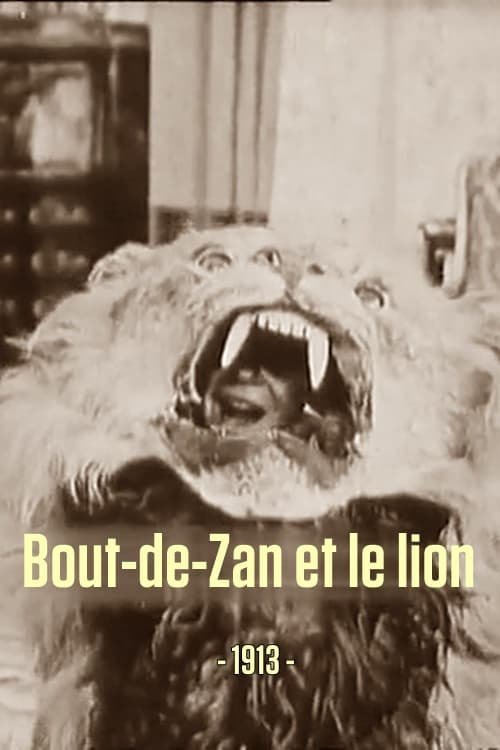
Bout-de-Zan et le lion

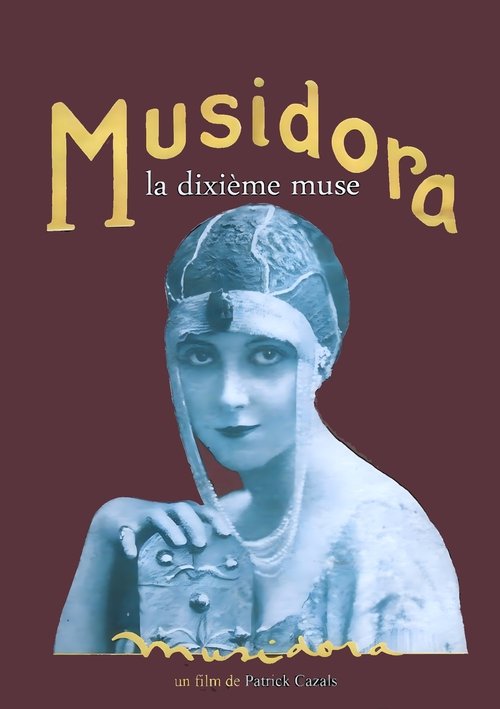
Patrick Cazals’ film, La Dixième Muse, brings Musidora to life for the second time. The first occasion was the publication of his earlier book on the same subject with Henri Veyrier in 1978. The latter remains an essential work of reference because its author was the first person since Francis Lacassin to have surveyed Musidora’s career as a pioneering filmmaker and total artist. It includes previously undiscovered documents that are no longer accessible in their original form. This film too contains many previously unknown images found and selected by Patrick Cazals. Above all, it offers the animated image of a beauty in a close-fitting black suit, and her voice that speaks directly to us, alongside the voices of all those the director has brought together to establish a subtle bond with Musidora and bring her into our own age.
Musidora, the Tenth Muse
With the help of Lévesque and Musidora, Feuillade creates a light-hearted meta-fiction, self-parodying his own work.
Lagourdette, gentleman cambrioleur

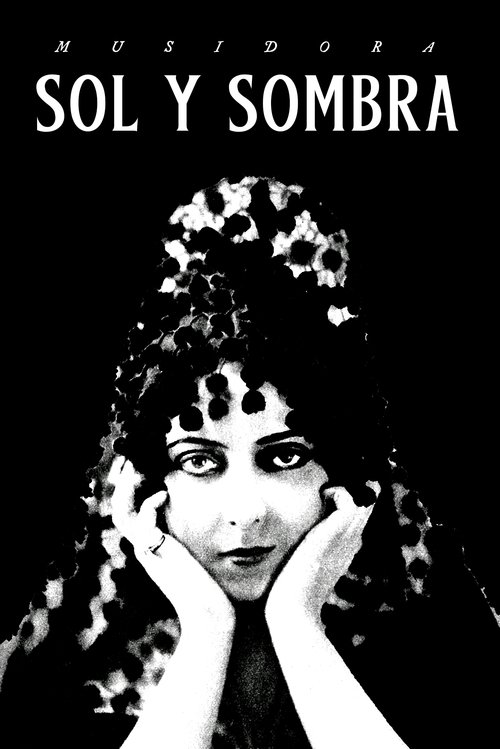
An innkeeper, Juana, is courted by Jarana, a bullfighter who is then seduced by a stranger. Juana then confides in a hunchbacked antiquarian who loves her desperately.
Sun and Shadow

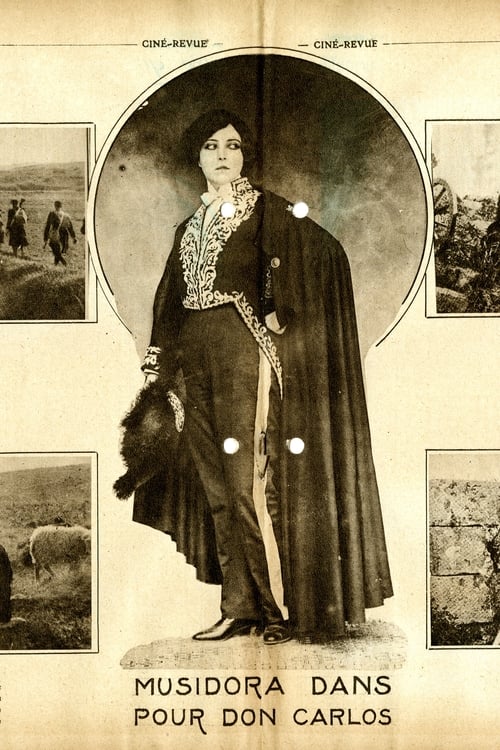
Pour Don Carlos was the biggest production by Société des Films Musidora (est. December 10, 1919). Based on a novel by Pierre Benoît, Musidora’s first creatively autonomous work is set during the conflict between Carlists and Bourbons in late 19th century Spain. Benoît insisted that Jacques Lasseyne, a Spanish grandee who put money into the production, should co-direct. The film was shot in 1920, in the Spanish Basque Country. It represents a turning point in Musidora’s career, sparking her passionate love affair with a country and a culture that welcomed her as a great star. Above all, though, she encountered Antonio Cañero, a bullfighter who acted as her technical adviser on the film. Because of him, she did all she could to ensure that her succeeding productions, until 1926, were shot in Spain. Pour Don Carlos was released in Paris and in Madrid in December 1921, in a shortened version because its original, three-hour length made it impossible to release in the market of the time.
For Don Carlos
No description available.
Les chacals

A French silent film directed by Louis Feuillade.
The Cavalry

Pisa, 1494. Young Severo, who has sworn to stab the tyrant in his town, learns that it is his own father.
Severo Torelli
No description available.
La flamme cachée
Short romantic comedy starring Musidora as a capricious woman.