Alceu Valença
Acting
Biography
Alceu Valença (born July 1, 1946) is a Brazilian singer, musician, and songwriter. Alceu Valenca was born in the countryside of Pernambuco, Northeast Brazil. He is considered the most successful artist in achieving an aesthetic balance between traditional northeastern Brazilian music and a broad range of electronic sounds and effects from pop music. In most of his songs, one can find traces of maracatu, coco and "repentes de viola" (improvising fast-paced Brazilian folk music). Valença could utilize the electric guitar, the electric bass, and lately even a synthesizer was added to his broad scope of musical instruments. Because of that, Valença was able to recreate Northeastern traditional music, like baião, coco, toada, maracatu, frevo, caboclinhos, embolada and repentes: all sung with a sometimes rock sometimes alternative sounding music background. His music and his themes are intangible, universal and unlimited. However, his aesthetic basis is genuinely Brazilian Northeastern music. Alceu Valença was born in São Bento do Una in Northeast Brazil. When he was young, he used to listen songs by Dalva de Oliveira, Orlando Silva, Sílvio Caldas etc. When he was 5 years old, he participated in a music contest, singing a song by Capiba. Some years later, his mother got sick and his family moved to Recife to live in his aunt's house. In this period, Valença got interested in some musical instruments, such as acoustic guitar and viola. However, he only won his own guitar when he was 15. In 1970, Valença earned a law degree at the Recife Law School. However, he only followed the career for a few months. In fact, in the early 1970s, the reason he had no time for a law career was that he had already launched into a musical direction. He started his musical career in 1968, with the group Underground Tamarineira Village, later known as Ave Sangria. He also played with Zé Ramalho and Elba Ramalho during this period. In 1972, he joined Geraldo Azevedo. Together, they participated of many festivals and, in that same years, recorded their first album: Alceu Valença & Geraldo Azevedo, also known as Quadrafônico. Along his career, Valença recorded more than 20 albums and travelled around many countries, such as Portugal, France, Netherlands and United States. Actually, he is considered one of the greatest exponents of the music of Pernambuco. Finally, with the 2013 release of Três Tons de Alceu Valença, a box with the oldies Cinco Sentidos (1981), Anjo Avesso (1983) and Mágico (1984) all of Alceu Valença's solo work is available on CD. In 2014, his album Amigo da Arte was nominated for the Latin Grammy Award for Best Brazilian Roots Album. Source: Article "Alceu Valença" from Wikipedia in English, licensed under CC-BY-SA 3.0.

Known For

No description available.
Champs-Elysées

Casseta & Planeta is a Brazilian group of comedians who run a TV show named Casseta & Planeta Urgente, broadcast by Rede Globo. The humour featured on the show is mostly satirical, relating to religious or ethical groups, and minorities. The group founded a company called Toviassu Produções Artísticas, whose name is an acronym composed of syllables from the phrase "Todo viado é surdo" – "Every gay is deaf"; which is the ending of a widely known Brazilian practical joke. Each one of the seven members has a specific function within the company. They present their TV show at Rede Globo and publish a website and many books, among other products, for example the "Machobol". Originally a magazine named Casseta Popular and a humour newspaper called O Planeta Diário, the two teams joined forces and were hired by Rede Globo to become writers for the network's comedy shows, starting with TV Pirata in 1988. A few years later, they starred in their own show.
Casseta & Planeta, Urgente!

No description available.
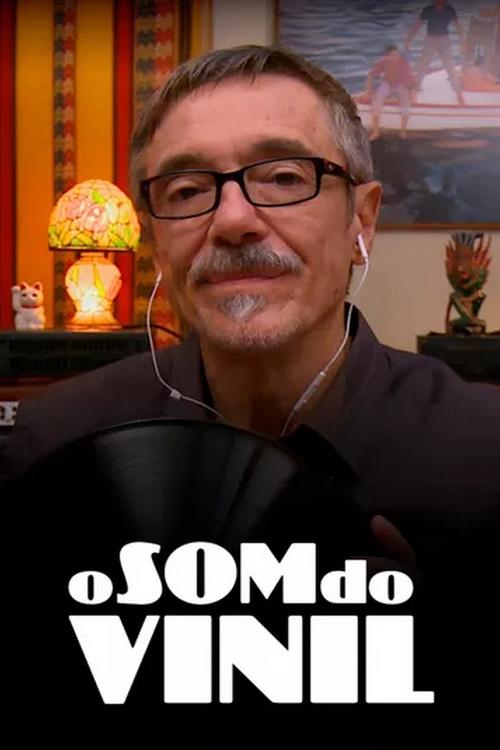
O Som do Vinil

No description available.
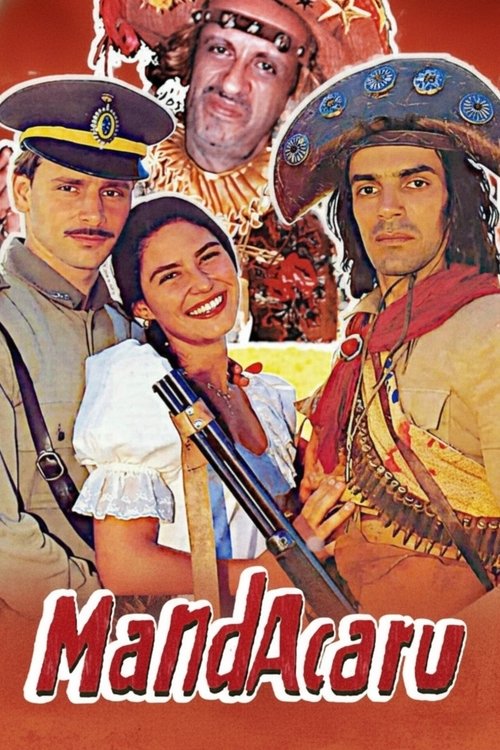
Mandacaru

No description available.
Criança Esperança

No description available.
Vamos Tocar

No description available.
BIS Docs

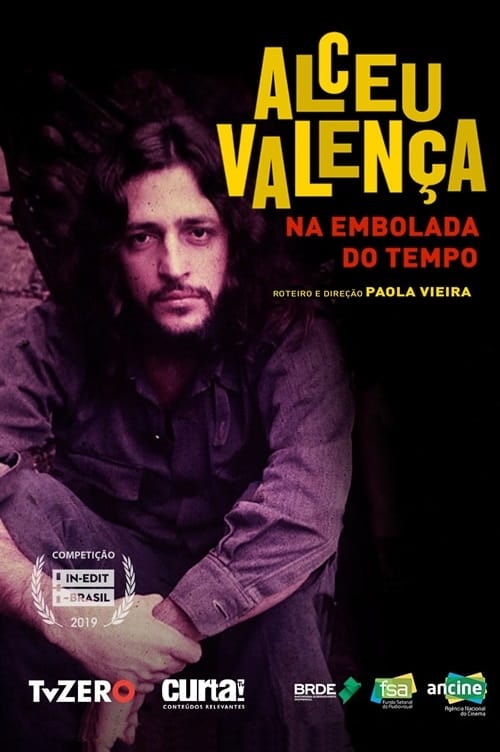
Musician Alceu Valença revisits his career, from his first contact with music, when he was still young, through the 1970s, when several names in music from the Northeast gained space on the scene.
Alceu Valença - Na Embolada do Tempo

Based on the original format of "Tiny Desk Concerts" created by NPR.
Tiny Desk Brazil

A host of personalities reminisce about the life and work of songwriter, lawyer, and congressman Humberto Teixeira — aka "Baião Doctor" — the author of such classic Brazilian popular songs as "Asa Branca". A musical film about the baião, a movement in Brazilian music in the 1940s and 1950s that was later snowed under by samba and bossa nova.
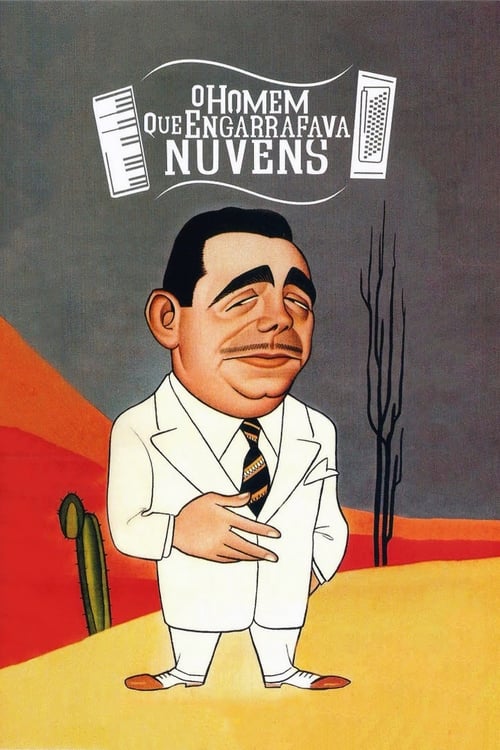
The Man Who Bottled Clouds

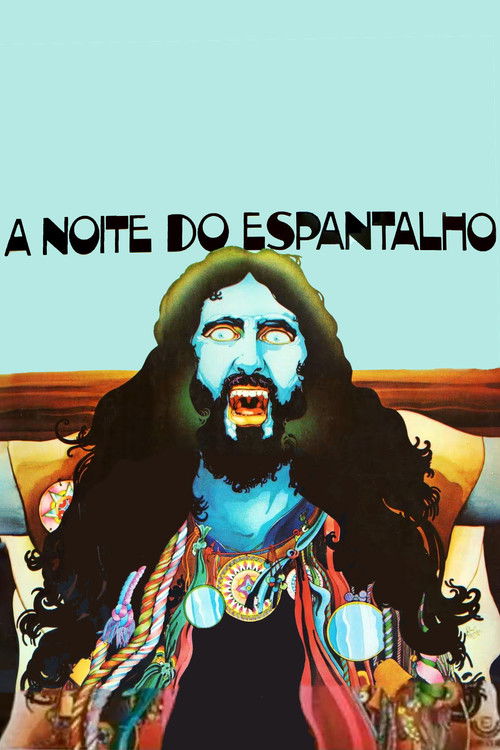
In the miserable Northeastern Brazil, a ruthless land Baron wants to throw a poor farming community out of their land.
The Night of the Scarecrow

No description available.
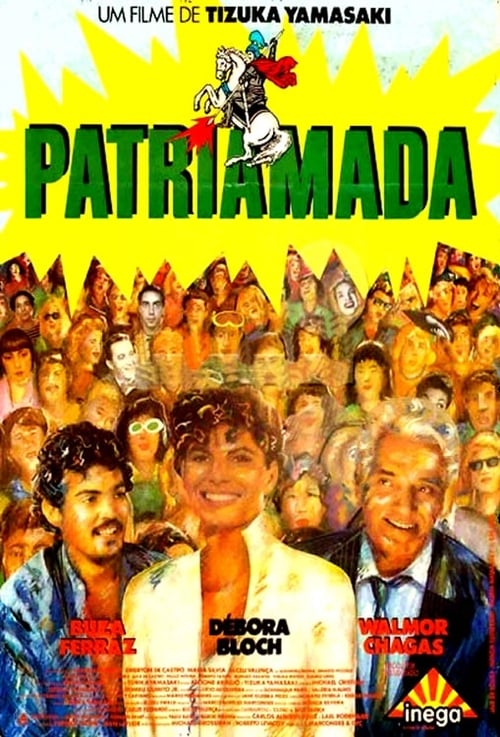
Patriamada

No description available.
Sérgio Ricardo: Uma Outra História do Cinema Novo

The life and career history of singer and percussionist Jackson do Pandeiro, whose originality and unusual rhythmic quality influenced several prominent artists in Brazilian popular music. With unpublished testimonies from professional colleagues and family members, as well as archival footage of their participation in cinema and radio, the documentary traces their journey between troubled relationships, dramas, controversies, stardom, ostracism, the return to the artistic milieu, even his death in 1982.
Jackson: Na Batida do Pandeiro

It portrays the work of Carlos Filho, Cafi, a photographer from Recife, who for more than 40 years has dedicated himself to recording a large part of the events of dance, theater and Brazilian popular music. Recordings, concerts, tours and rehearsals by important artists passed through Cafi's lens.
Cafi

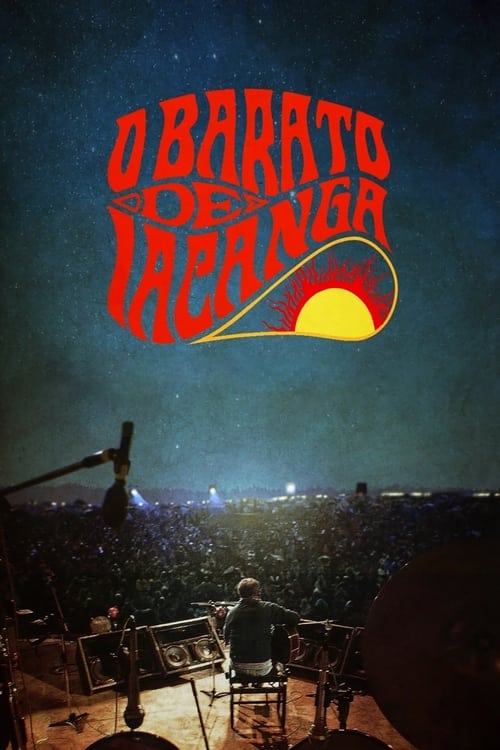
Participants recall a series of festivals held on a farm in Brazil during the '70s and '80s that evolved into liberating celebrations of music.
O Barato de Iacanga

No description available.
Lendas Brasileiras

Being responsible for all stages of the production of an album, Deck contributed to the success of artists such as Pitty, Sorriso Maroto and Cachorro Grande. The film “Tudo Pela Música” tells the story of this business and family saga - João, his wife and son, Rafael Ramos, run the company - and offers a good overview of the Brazilian music market. Testimonials from record company executives, competitors, artists and the family itself make viewers immerse themselves in the history of the music industry in recent years and its transformations.
All for the Music
No description available.
Vinicius para Criança: A Arca de Noé

Latest images of the artist still alive, an unprecedented composition, testimonies of friends, family and icons of Brazilian culture.