Acting
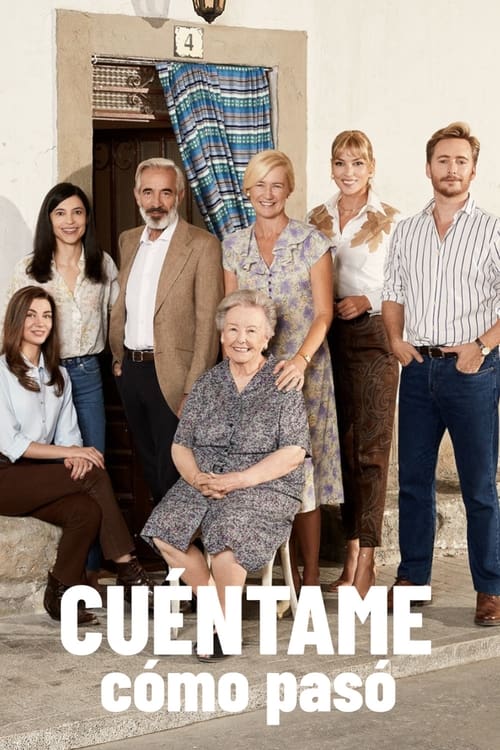
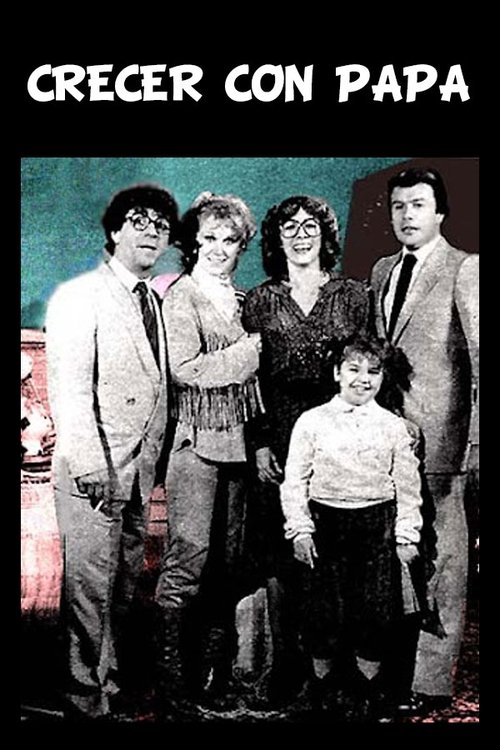
Recounts the experiences of a middle-class family, the Alcántaras, during the last years of the rule of Francisco Franco and the beginning of the Spanish Transition to democracy.
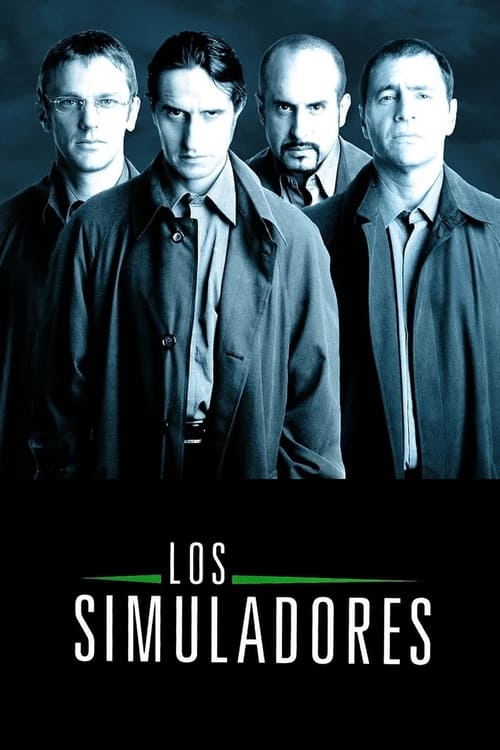
A small team of con artists for hire use their skills to solve common people's life problems.
Four independent short stories but they have in common that they happen in Buenos Aires during legislative elections. A candidate for deputy, Carlos Celestini floods the city with his image and can be seen in each of the stories.
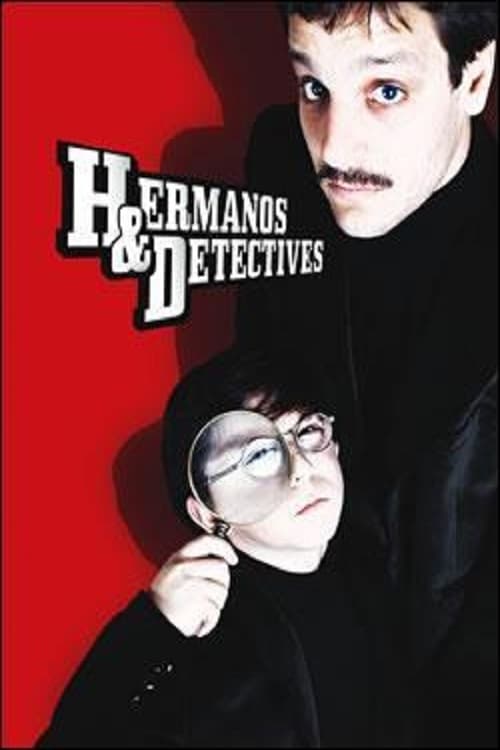
An administrative police officer, Franco Montero, receives as an inheritance the care of a half-brother that he did not know. Lorenzo Montero, a child prodigy with an IQ of 200 who changes his way of life and his work. The eleven-year-old's intelligence puts Franco and his assistant Gustavo Mansilla in charge of the homicide division. By deducing and exploring the three, they solve the most striking cases.
No description available.
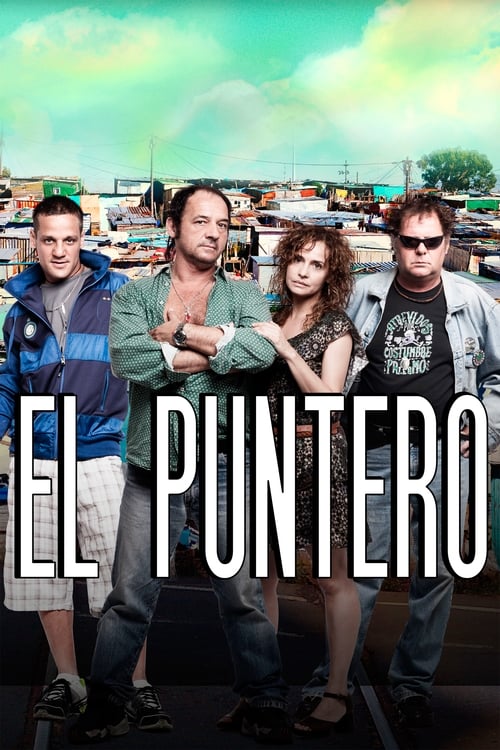
El Puntero was a 2011 Argentine miniseries, produced by Pol-Ka and starred by Julio Chávez and Gabriela Toscano. "Puntero" is a word from Argentine slang for a man who works as an intermediate between poor people and political parties, in a clientelist relation. The miniseries received the Golden Martín Fierro Award.
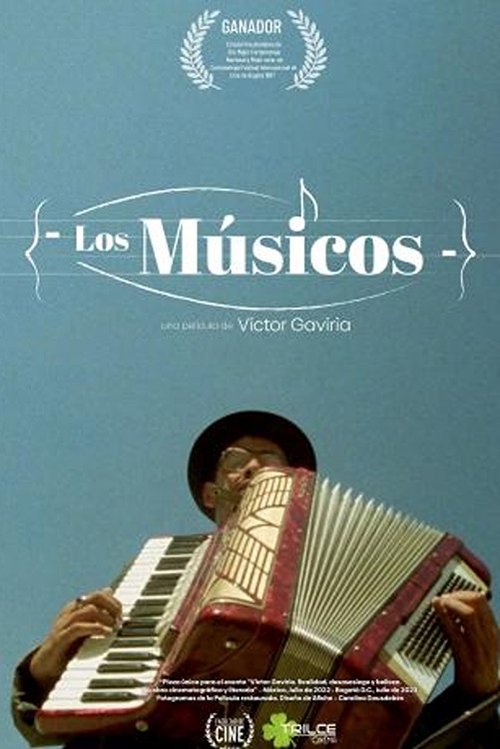
At the end of the 1940s, when the worst of the Partisan Violence began to worsen in the fields and towns of Colombia, a popular music duo, in search of work, walked the road from the town of Sucre to the town of Liborina. One of them, Cesáreo, is blind, but the other, Antonio, seems to suffer more from the inclement weather of the route.
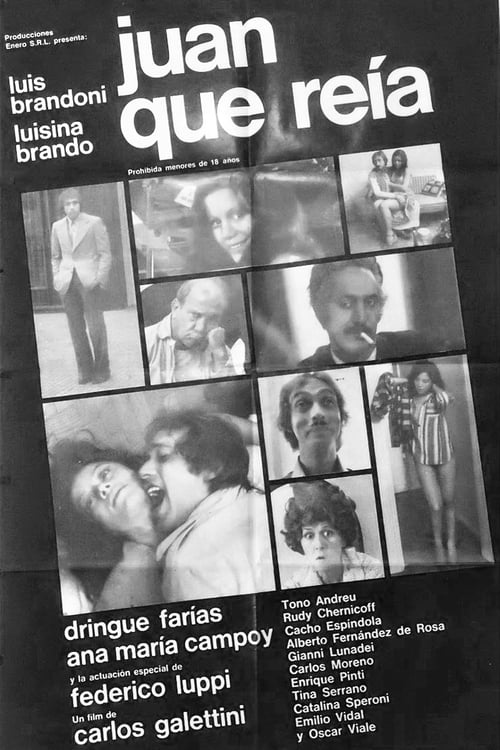
Juan Libonatti, a seller of fine wines, like up in the company where he works. His car, a brand new Citroen, will be an essential tool to sell more wine in less time and be able to move up. But one day it is stolen and he had not paid the insurance fee. That will be the beginning of a tragedy that will lead to self-destruction.
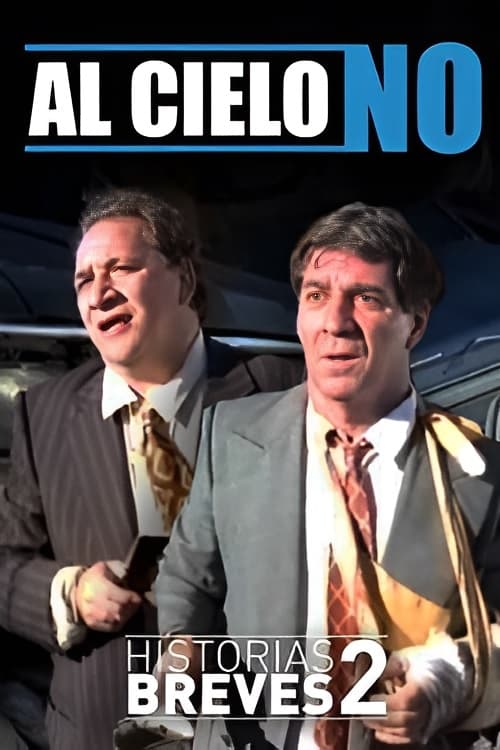
Two men in search of a mysterious briefcase that can drive them mad.
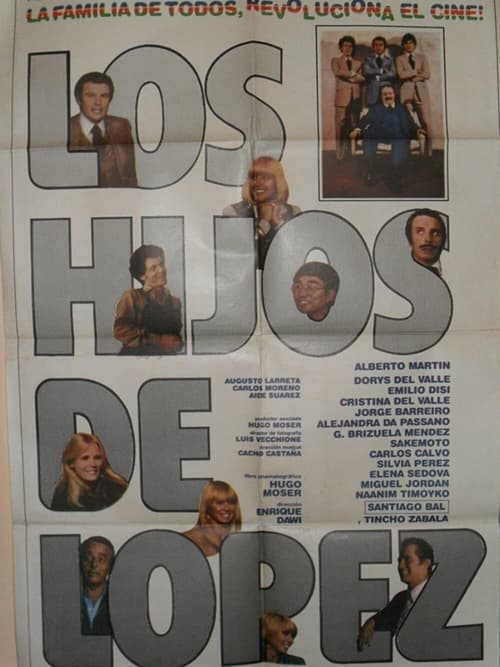
Alberto, Jorge, Ricardo and Tristan are employees of a shoe store, all are married and share the friendship also between their wives. The 4 friends, faithful to the rogue style of Buenos Aires, go out of their way to have love affairs with the beautiful customers of the shoe store, and for that purpose one day they decide to rent, secretly, an apartment to use as a "bulín". The problems begin from then on, as everyone wants to be the first to release it and then, successively, take turns for their adventures. As is to be expected, it does not take long for the first entanglements to appear, while their wives seem to begin to suspect the adventures of these four typical Buenos Aires chantas.
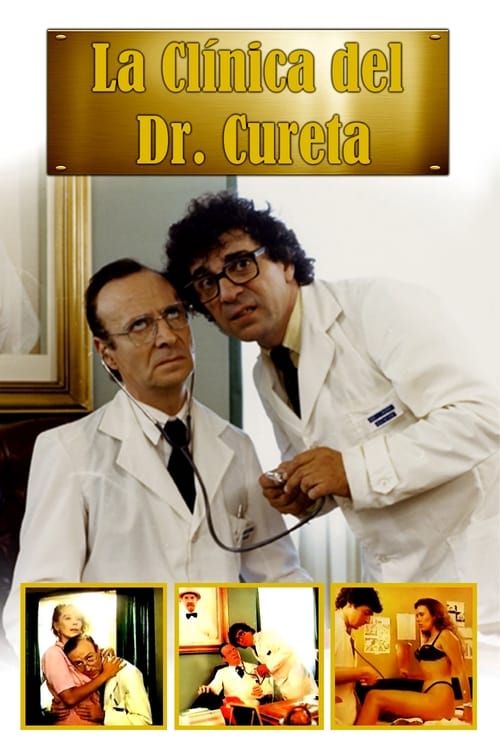
An unscrupulous doctor carries out all kinds of deceptions to profit from his clinic at the expense of his patients and his exploited employees.
Mr. Tomás and the housekeeper meet one night to have sex, but the man dies. On the following day, the housekeeper's son and Mr. Tomás' daughter meet and have sex.
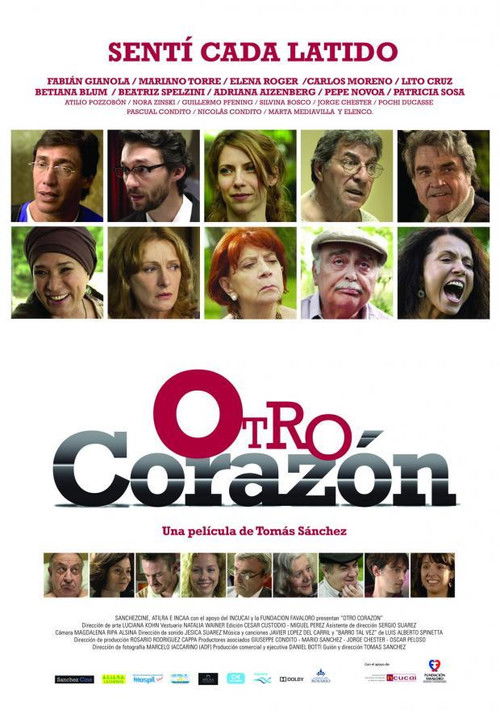
Leo and María are expecting their first child and are about to move. María wants to give birth in her hometown, but Leo, upon learning that his father urgently needs a heart transplant, postpones the trip, takes him to live with him, and takes over the family business. His obsession with saving his father distances him from his own fatherhood and plunges him into a period of waiting that encompasses life, death, mourning for what was never, and the hope of what is still possible.
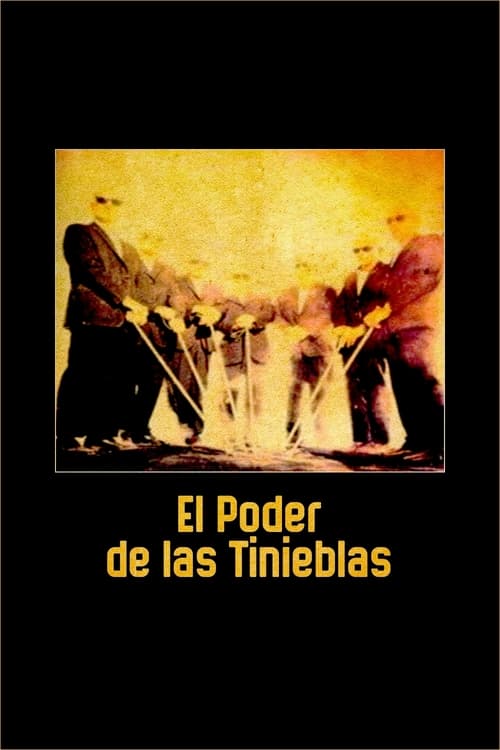
A man becomes convinced that he is being persecuted by a conspiracy of blind people.
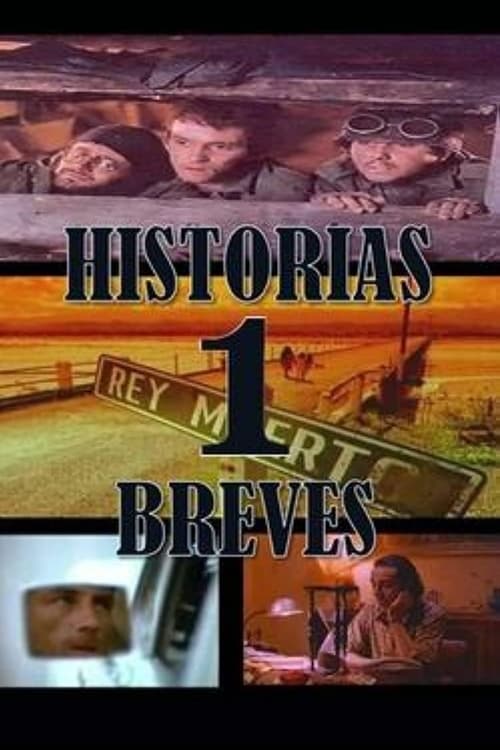
The film brings together the winners of the first edition of the Argentine National Film Board's (INCAA) annual public script competition, the grand prize of which is the budget to produce a short film. Eventually screened in national theaters, the omnibus film gave rise and recognition to a new generation of Argentine filmmakers known collectively as the New Argentine Cinema—a wave of contemporary filmmaking that began in the mid-1990s in reaction to decades of political and economic crises in the country.
The relationships of a businessman with a Japanese company and of his son with women
The trial of a confessed serial killer focused on the alternative of finding him guilty and sending him to the electric chair, or declaring him unimpeachable and confining him in a psychiatric hospital.
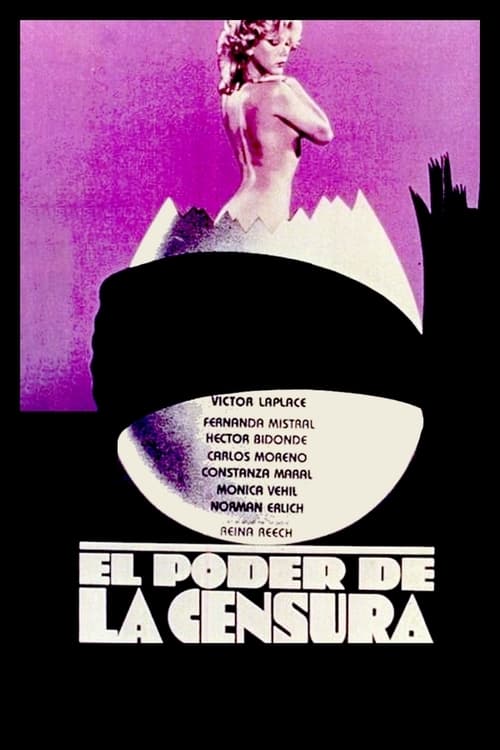
It tells the story of three friends - two filmmakers and a producer - who embark on the filming of a film during the time of the Argentine military process and expose the operation of censorship, powerful instrument of the time, about the project. The protagonists must choose between allowing military impositions or self-censorship.