
Pearl S. Buck
Writing
Biography
Pearl Comfort Sydenstricker Buck (June 26, 1892 – March 6, 1973) was an American writer and novelist. She is best known for The Good Earth, the best-selling novel in the United States in 1931 and 1932 and which won her the Pulitzer Prize in 1932. In 1938, Buck became the first American woman to win the Nobel Prize in Literature "for her rich and truly epic descriptions of peasant life in China" and for her "masterpieces", two memoir-biographies of her missionary parents. From Wikipedia.
Known For

No description available.
The Merv Griffin Show
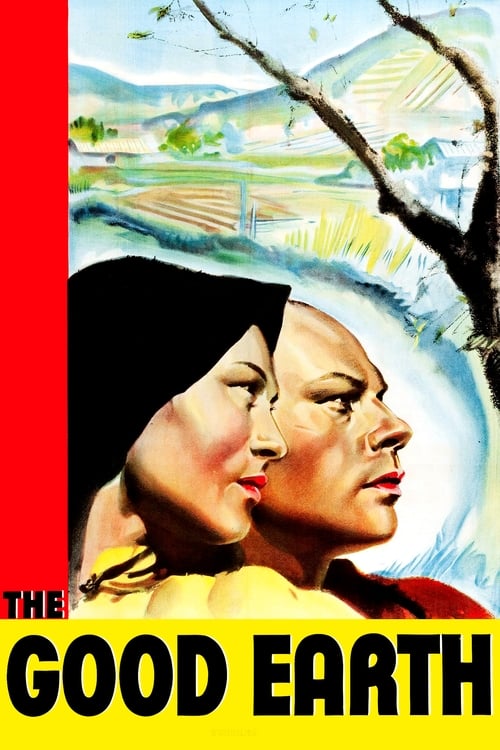
China, during the rule of the Qing Dynasty. The arranged marriage between Wang Lung, a humble farmer, and O-Lan, a domestic slave, will endure the many hardships of life over the years; but the temptations of a fragile prosperity will endanger their love and the survival of their entire family.
The Good Earth

With World War II looming, a prominent family in China must confront the contrasting ideas of traditionalism, communism and Western thinking, while dealing with the most important ideal of all: love and its meaning in society.
Pavilion of Women
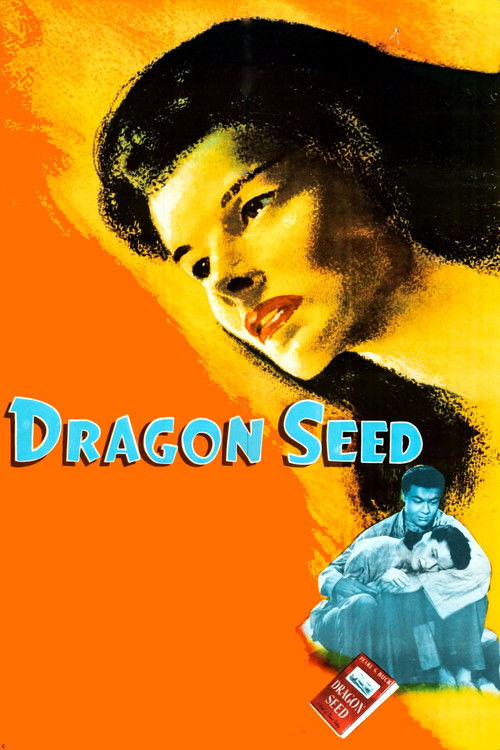
Life in a small Chinese village is turned upside down when the Japanese invade it. A heroic young Chinese woman leads her fellow villagers in an uprising against the Japanese invaders.
Dragon Seed
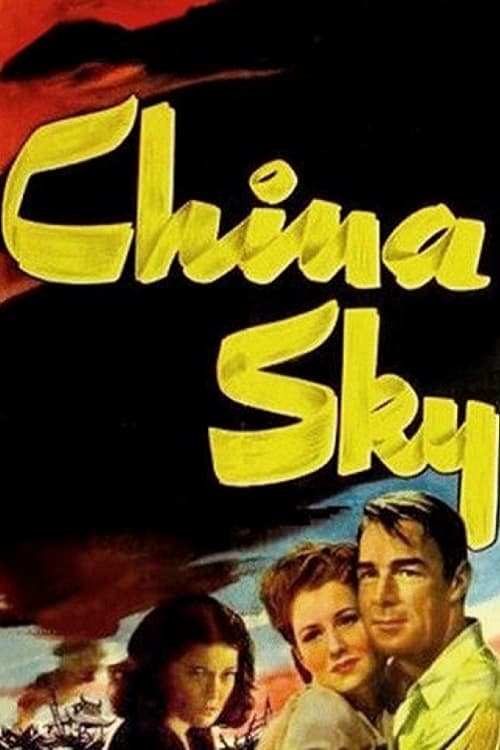
During World War II, an American mission hospital is headed up by Dr. Gray Thompson and Dr. Sara Durand. Sara is secretly in love with Gray but hides her feelings as his new wife, Louise, arrives at the hospital. Sparks fly, however, when Louise becomes jealous of Sara, and then tries to convince her husband to leave war-torn China behind for a calmer life in the United States. But Thompson is attached to both Sara and the people who need his help.
China Sky
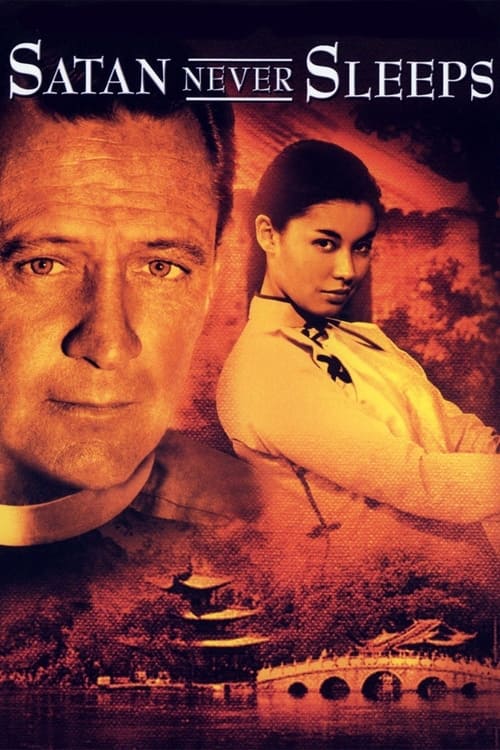
A priest arrives at a mission-post in China accompanied by a young native girl who has joined him along the way. His job is to relieve the existing priest, who is now too old and weak to continue with the upkeep of the church. However, Communist soldiers arrive at the mission and seize it as a command post. Their leader rapes the native girl and impregnates her, only later to realize that Communism is no good for him. In the end, the foursome flee to the border, but are pursued by Communist forces along the way.
Satan Never Sleeps
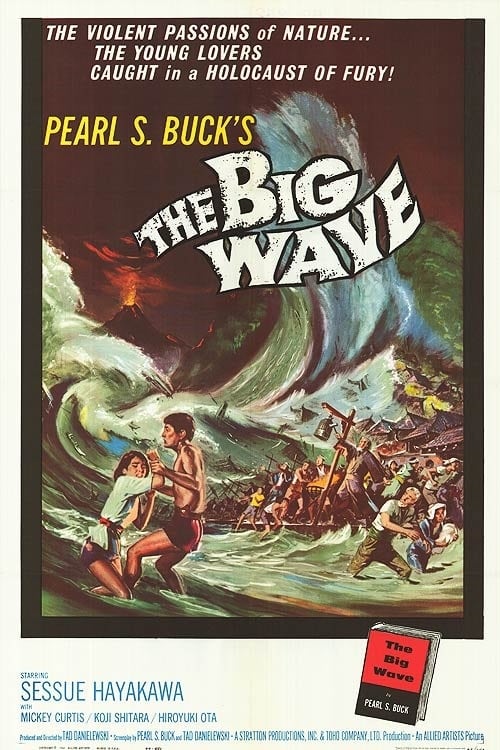
Yukio, a farm boy, and Toru, a fisherboy, live in a small Japanese village that is periodically threatened by a volcano on one side and tidal waves on the other. Yukio's younger sister Setsu follows then and dreams of becoming a pearl diver. Toru is preparing to go fishing with his father when a bell tolls and a danger flag is hung high on the hill behind the village to warn of an impending tidal wave by the village patriarch, known as Old Gentleman.
The Big Wave

On a cold winter morning Tav wakes his son Samuel at 4 A.M. to help with chores on the family farm. He sternly comments on Sam's work, such as napping while milking, or spilling a little milk, causing Sam to tell his mother how hard it is to please his father. She explains that Tav is just teaching him traits he will need as a man, and although his father loves him very much he finds it hard to express this in words. Sam admits to having the same problem. She says that there are unspoken ways to communicate love, and Sam volunteers, "Like Christmas presents ?" She agrees, but will not tell him how to select a special gift for his father. On Christmas morning Sam goes out to the barn alone (except for the cows, pigs, and chickens) to deliver his special gift in a setting very similar to where the very first Christmas gifts were bestowed.
The Gift
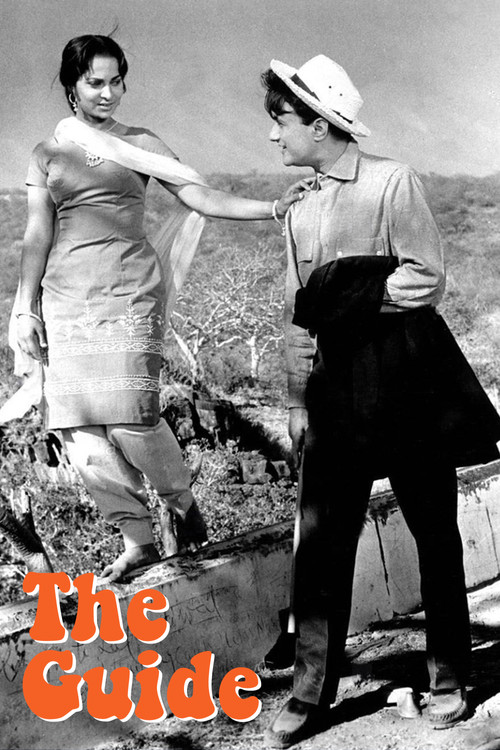
When mistaken to be a sage by some villagers, an ex-tour guide reflects on his past and lost love to search for spiritual wisdom to guide the villagers in this lesser-known English-language version of R.K. Narayan's classic.