Acting
No description available.
Marcel Ophüls interviews various important Eastern European figures for their thoughts on the reunification of Germany and the fall of Communism.
He wanted to revolutionize theater practice and at the same time social awareness: Today Brecht, who was born in Augsburg in 1898 and died in East Berlin in 1956, is one of the most important playwrights of the 20th century.
A behind-the-scenes look at The Public Theater's production of Bertolt Brecht's "Mother Courage" that examines the playwright's life and ideas.
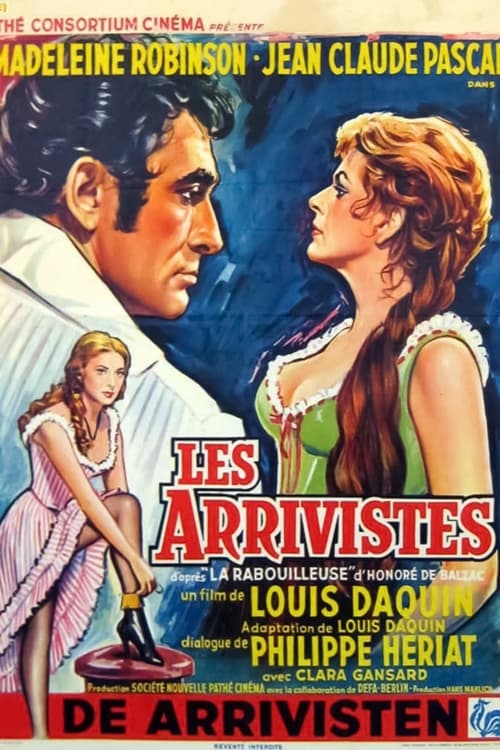
The machinations of an ex-officer and a servant who want to get their hands on a fortune.
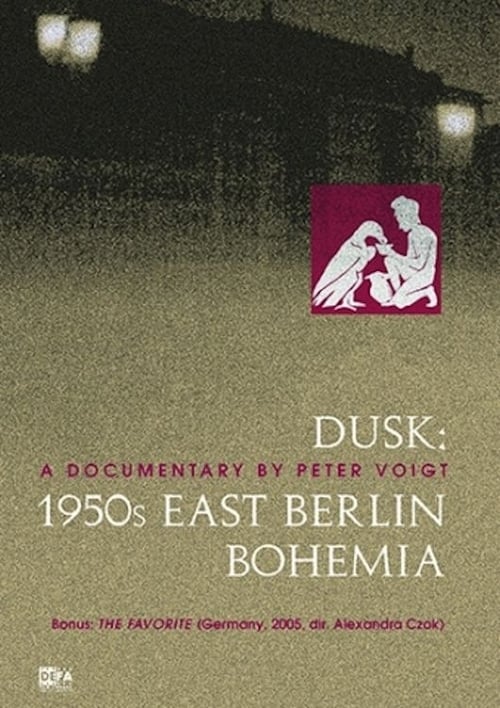
A documentary and film essay about the artist scene in East Berlin during the 1950s.
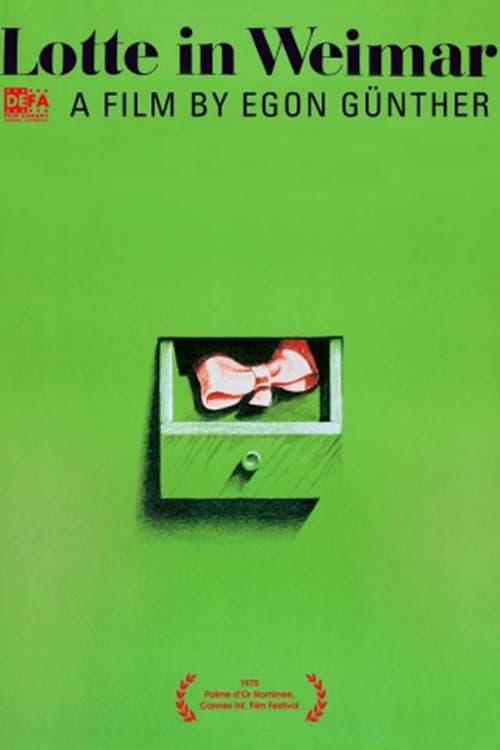
Johann Wolfgang von Goethe (1749-1832) was the author of Werther, the romantic novel that was transformed into a play during Goethe's lifetime and which initiated the whole German romantic movement. The book's story tells of young love and suicide. In this East German film, based on a book by Thomas Mann, Lotte (Lilli Palmer) was the woman who served as the model for the heroine in the novel Werther. She comes to Goethe's hometown for a visit, and her experiences there eerily re-create episodes from the book. Goethe comes across as a pompous old bore, and his friends as pandering sycophants, in this very proper communist party-sponsored, anti-heroic movie.
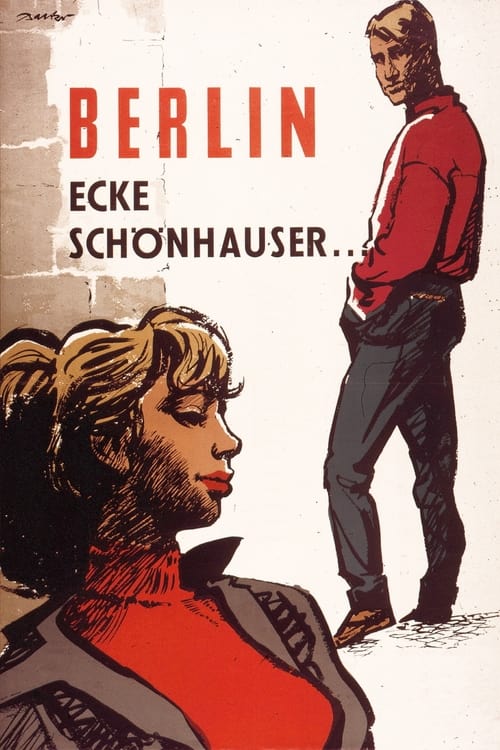
The corner Schönhauser Allee in East Berlin is the main meeting-point for a group of adolescents. Dieter is a construction worker who falls in love with Angela. She, in turn, spends time with the clique whenever her mother is occupied with her new lover. "Kohle" stays away from home to avoid his dad's alcohol problem, and Karl-Heinz is on his way to becoming a small-time criminal. Due to their interest in western music and culture they are regarded as no-goods and rowdies. Things get interesting when an incident forces Dieter and "Kohle" to escape to West Germany. Written by c.winter